
Grassroots Flag Campaign Sweeps Across England, Sparking Debate on Patriotism

In This Article
HIGHLIGHTS
- A grassroots movement, Weoley Warriors, has emerged in Birmingham, promoting national pride by displaying St George's and Union Jack flags.
- The flag campaign began in response to a controversy involving a schoolgirl's Union Jack-themed dress and has spread across England.
- Weoley Warriors have raised nearly £14,000 through crowdfunding to support their flag-raising efforts.
- The campaign has sparked discussions about British cultural identity and patriotism, with some questioning the motives behind it.
- The movement has gained traction on social media, using the hashtag "operation raise the colours" to rally support.
A grassroots movement promoting national pride through the display of St George's and Union Jack flags has taken root in Birmingham and is rapidly spreading across England. The initiative, spearheaded by a group known as the Weoley Warriors, began in mid-July in the Weoley Castle district and has since extended to cities such as Worcester, Bradford, Greater Manchester, Newcastle, and Norwich.
The campaign was ignited by an incident involving a 12-year-old girl from Rugby, who was prevented from making a speech at her school while wearing a Union Jack-themed dress during a cultural celebration day. The school later issued an apology, but the event sparked a wave of support for the girl's expression of British cultural identity.
The Weoley Warriors, initially formed by three men, have grown to include several dozen members and have become active on social media platforms. Their private Facebook group boasts 1,600 members, and their crowdfunding efforts have raised nearly £14,000 to fund the purchase of flags, poles, and cable ties. The group describes itself as a collective of "proud English men" aiming to instill hope in local communities by celebrating British history and achievements.
The campaign has not been without controversy. Some critics have questioned the motives behind the flag displays, suggesting they may be rooted in nationalism rather than simple patriotism. The debate has been further fueled by the group's use of the hashtag "operation raise the colours," which has been widely shared alongside images of flag-adorned locations.
Despite differing opinions, the movement has undeniably captured the public's attention, prompting discussions about what it means to be British in today's society.
WHAT THIS MIGHT MEAN
As the Weoley Warriors' flag campaign continues to gain momentum, it could potentially influence broader discussions on national identity and patriotism in Britain. If the movement maintains its current trajectory, it may inspire similar initiatives in other parts of the country, further fueling the debate on cultural expression and national pride.
Politically, the campaign could attract attention from lawmakers and policymakers, prompting discussions on the regulation of public displays of national symbols. Additionally, the movement's growth on social media suggests it could play a role in shaping public opinion and influencing future cultural policies.
Experts suggest that while the campaign highlights a desire for unity and pride, it also underscores the complexities of national identity in a diverse society. As the conversation evolves, it will be crucial to balance expressions of patriotism with inclusivity and respect for all cultural backgrounds.
Related Articles

Birmingham's Proactive Approach to Measles Outbreak Offers Lessons for North London
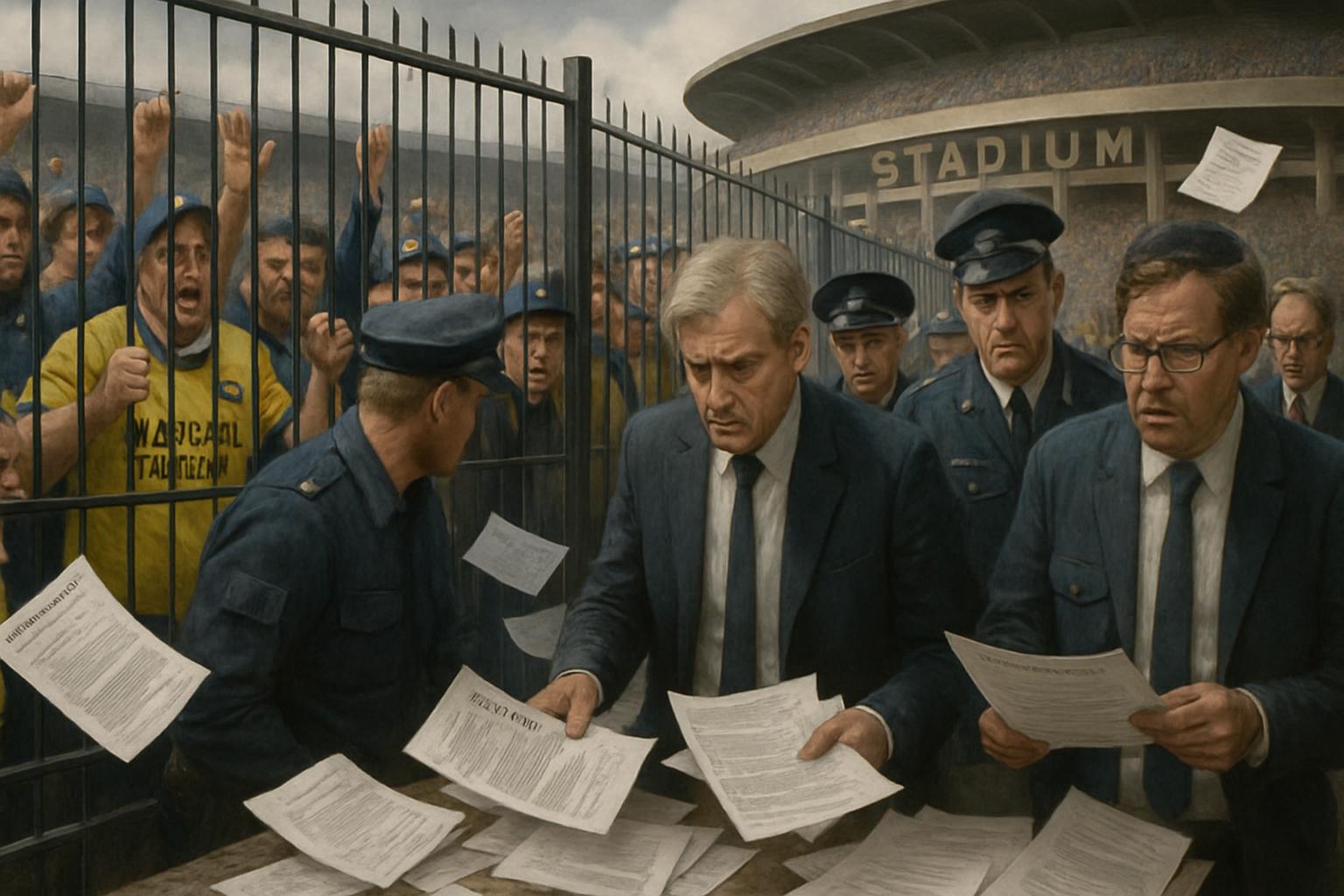
Government Criticized for Mishandling Maccabi Tel Aviv Fan Ban
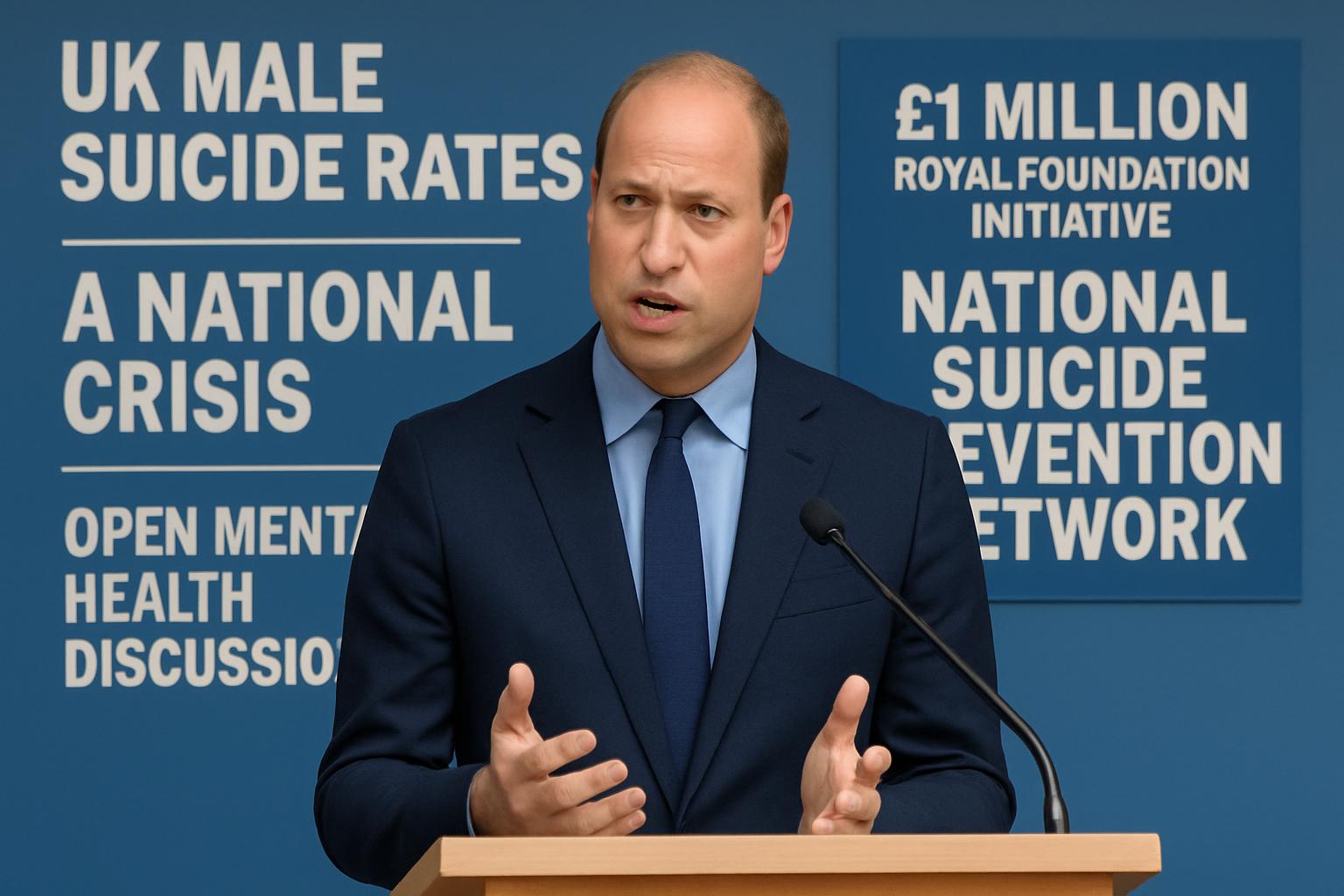
Prince William Calls for Action on UK Male Suicide Rates

Government Announces £4 Billion Overhaul of SEND Support in England

UK Government's SEND Reforms: A Critical Turning Point for Special Education

Arrest of Andrew Mountbatten-Windsor Captured in Iconic Photograph
Grassroots Flag Campaign Sweeps Across England, Sparking Debate on Patriotism
In This Article
 Ethan Brooks| Published
 HIGHLIGHTS
- A grassroots movement, Weoley Warriors, has emerged in Birmingham, promoting national pride by displaying St George's and Union Jack flags.
- The flag campaign began in response to a controversy involving a schoolgirl's Union Jack-themed dress and has spread across England.
- Weoley Warriors have raised nearly £14,000 through crowdfunding to support their flag-raising efforts.
- The campaign has sparked discussions about British cultural identity and patriotism, with some questioning the motives behind it.
- The movement has gained traction on social media, using the hashtag "operation raise the colours" to rally support.
A grassroots movement promoting national pride through the display of St George's and Union Jack flags has taken root in Birmingham and is rapidly spreading across England. The initiative, spearheaded by a group known as the Weoley Warriors, began in mid-July in the Weoley Castle district and has since extended to cities such as Worcester, Bradford, Greater Manchester, Newcastle, and Norwich.
The campaign was ignited by an incident involving a 12-year-old girl from Rugby, who was prevented from making a speech at her school while wearing a Union Jack-themed dress during a cultural celebration day. The school later issued an apology, but the event sparked a wave of support for the girl's expression of British cultural identity.
The Weoley Warriors, initially formed by three men, have grown to include several dozen members and have become active on social media platforms. Their private Facebook group boasts 1,600 members, and their crowdfunding efforts have raised nearly £14,000 to fund the purchase of flags, poles, and cable ties. The group describes itself as a collective of "proud English men" aiming to instill hope in local communities by celebrating British history and achievements.
The campaign has not been without controversy. Some critics have questioned the motives behind the flag displays, suggesting they may be rooted in nationalism rather than simple patriotism. The debate has been further fueled by the group's use of the hashtag "operation raise the colours," which has been widely shared alongside images of flag-adorned locations.
Despite differing opinions, the movement has undeniably captured the public's attention, prompting discussions about what it means to be British in today's society.
WHAT THIS MIGHT MEAN
As the Weoley Warriors' flag campaign continues to gain momentum, it could potentially influence broader discussions on national identity and patriotism in Britain. If the movement maintains its current trajectory, it may inspire similar initiatives in other parts of the country, further fueling the debate on cultural expression and national pride.
Politically, the campaign could attract attention from lawmakers and policymakers, prompting discussions on the regulation of public displays of national symbols. Additionally, the movement's growth on social media suggests it could play a role in shaping public opinion and influencing future cultural policies.
Experts suggest that while the campaign highlights a desire for unity and pride, it also underscores the complexities of national identity in a diverse society. As the conversation evolves, it will be crucial to balance expressions of patriotism with inclusivity and respect for all cultural backgrounds.
Related Articles
Birmingham's Proactive Approach to Measles Outbreak Offers Lessons for North London
Government Criticized for Mishandling Maccabi Tel Aviv Fan Ban
Prince William Calls for Action on UK Male Suicide Rates
Government Announces £4 Billion Overhaul of SEND Support in England
UK Government's SEND Reforms: A Critical Turning Point for Special Education
Arrest of Andrew Mountbatten-Windsor Captured in Iconic Photograph