
Great British Railways Unveils New Branding as Nationalisation Plans Progress
In This Article
HIGHLIGHTS
- The UK government has unveiled the branding for Great British Railways (GBR) as part of its plan to nationalise the railways.
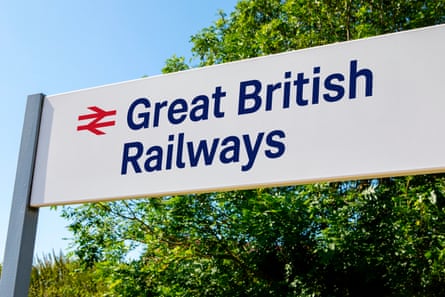
- The GBR logo incorporates a red, white, and blue color scheme, reflecting the Union Flag, and features the historic double-arrow symbol.
- The Railways Bill, which facilitates the creation of GBR, is currently under debate in the House of Commons.
- Seven train operators are already nationalised, covering a third of passenger journeys, with more expected by 2027.
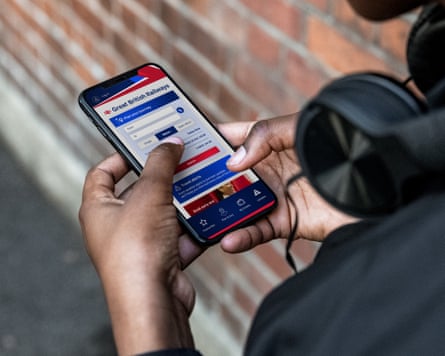
- A new GBR app will offer ticket booking without fees and assist disabled passengers, enhancing public transport accessibility.
The UK government has taken a significant step towards the nationalisation of its railways with the unveiling of the new branding for Great British Railways (GBR). This move is part of a broader strategy to bring the rail network back under public control, a promise echoed in Labour's manifesto and now being actioned by the current administration.
A Nod to Heritage
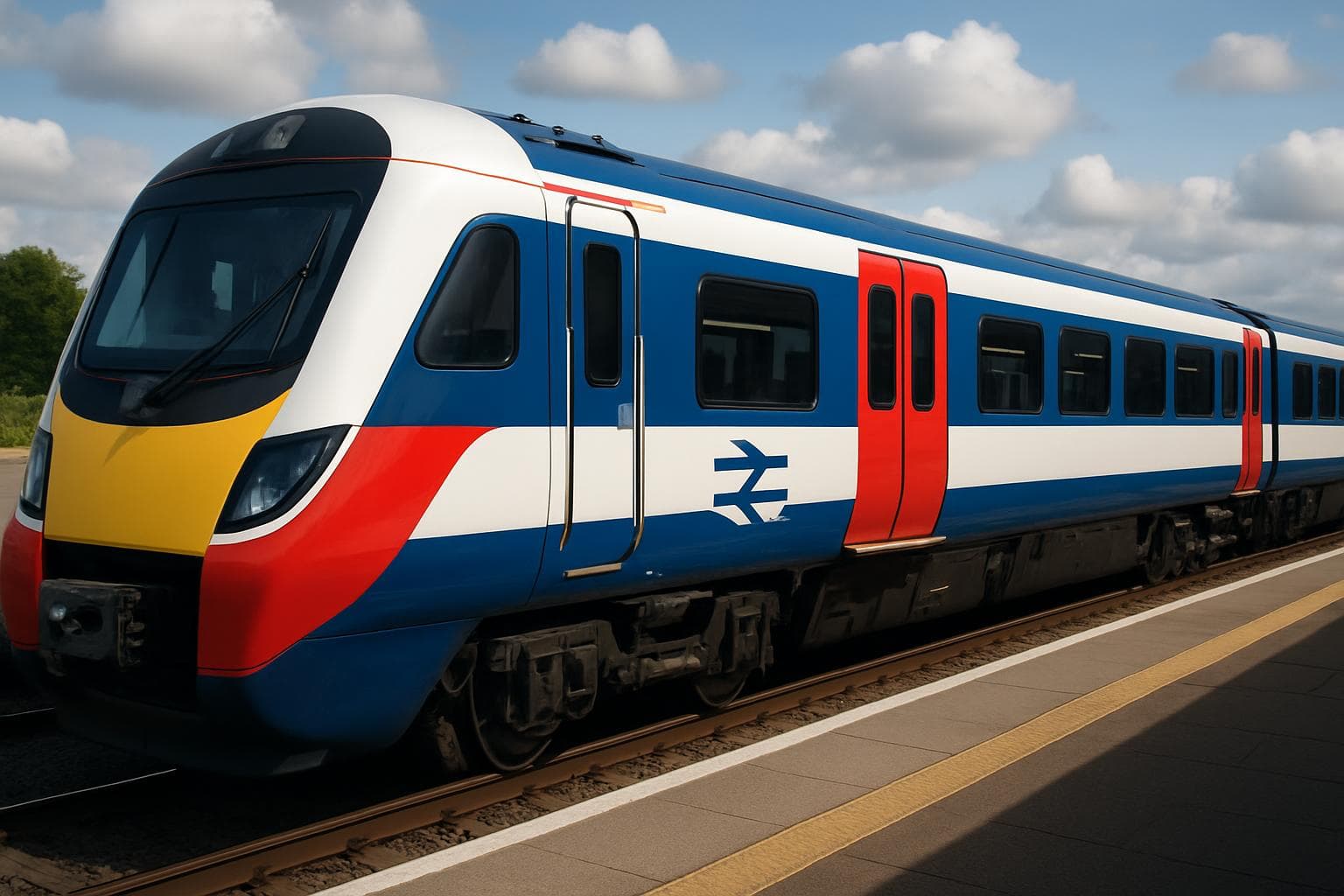
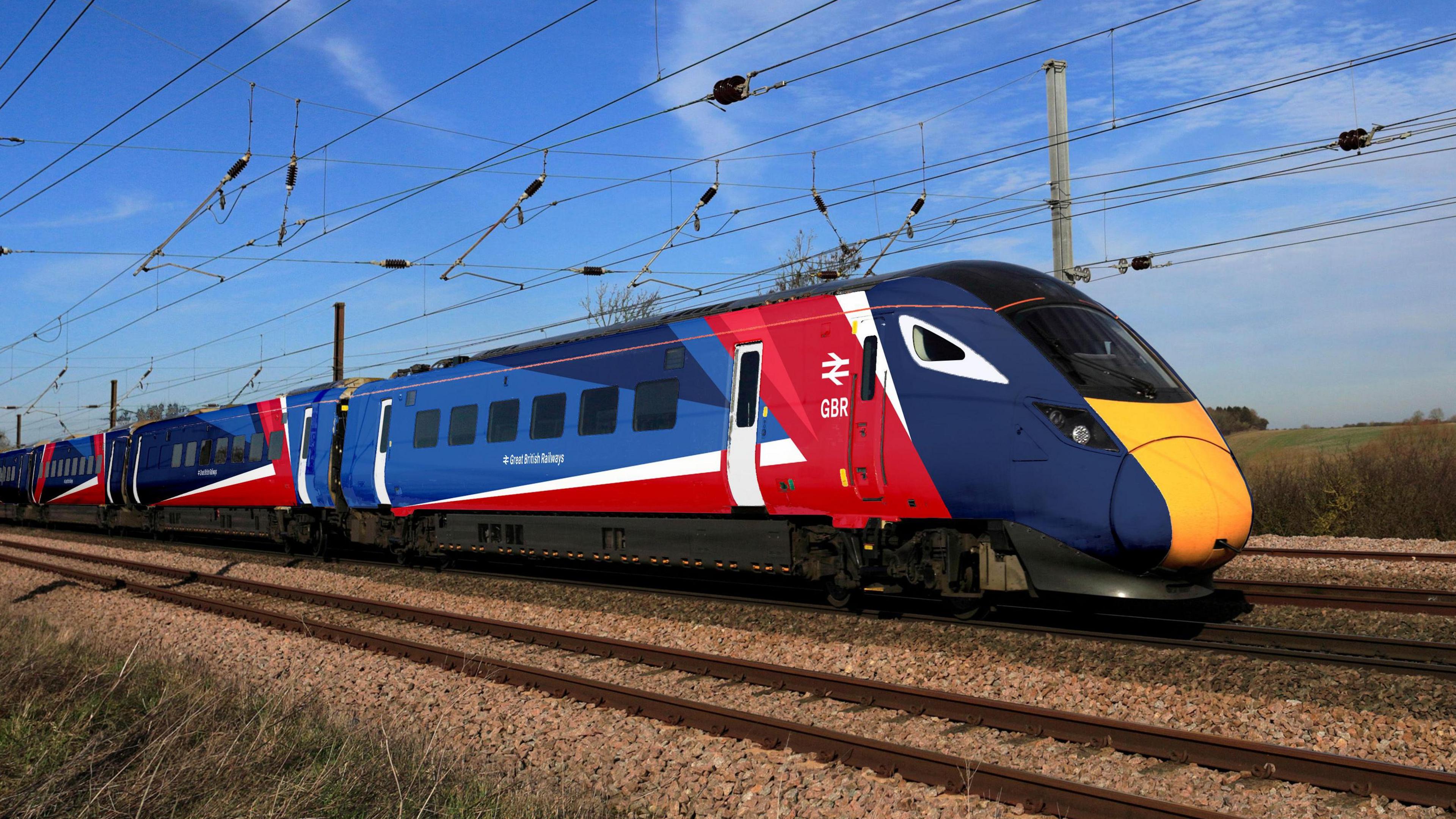
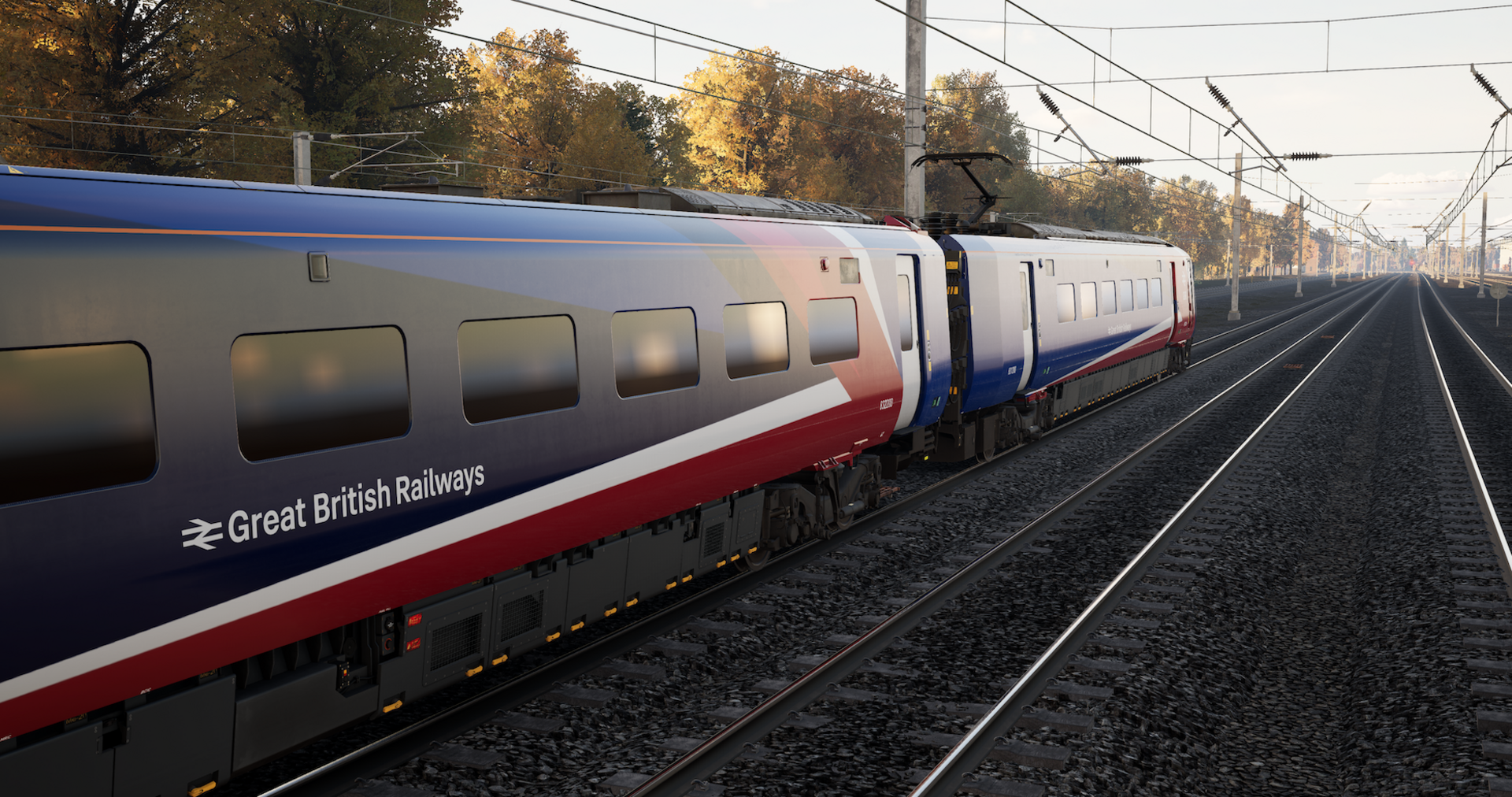
The GBR branding, revealed at London Bridge, features a red, white, and blue color scheme, mirroring the Union Flag, and incorporates the iconic double-arrow symbol. This design, developed in-house by the Department for Transport (DfT), pays homage to Britain's rich railway heritage while signaling a new era for public transport. Transport Secretary Heidi Alexander emphasized that this rebranding is more than cosmetic, representing a commitment to a unified and accountable railway system.
Legislation and Implementation
The Railways Bill, crucial for the establishment of GBR, is currently being debated in the House of Commons. The government aims to create a cohesive national railway, moving away from the fragmented private system that has dominated for decades. With seven train operators already nationalised, accounting for a third of passenger journeys, the transition is well underway, with more expected by 2027.
Enhancing Passenger Experience
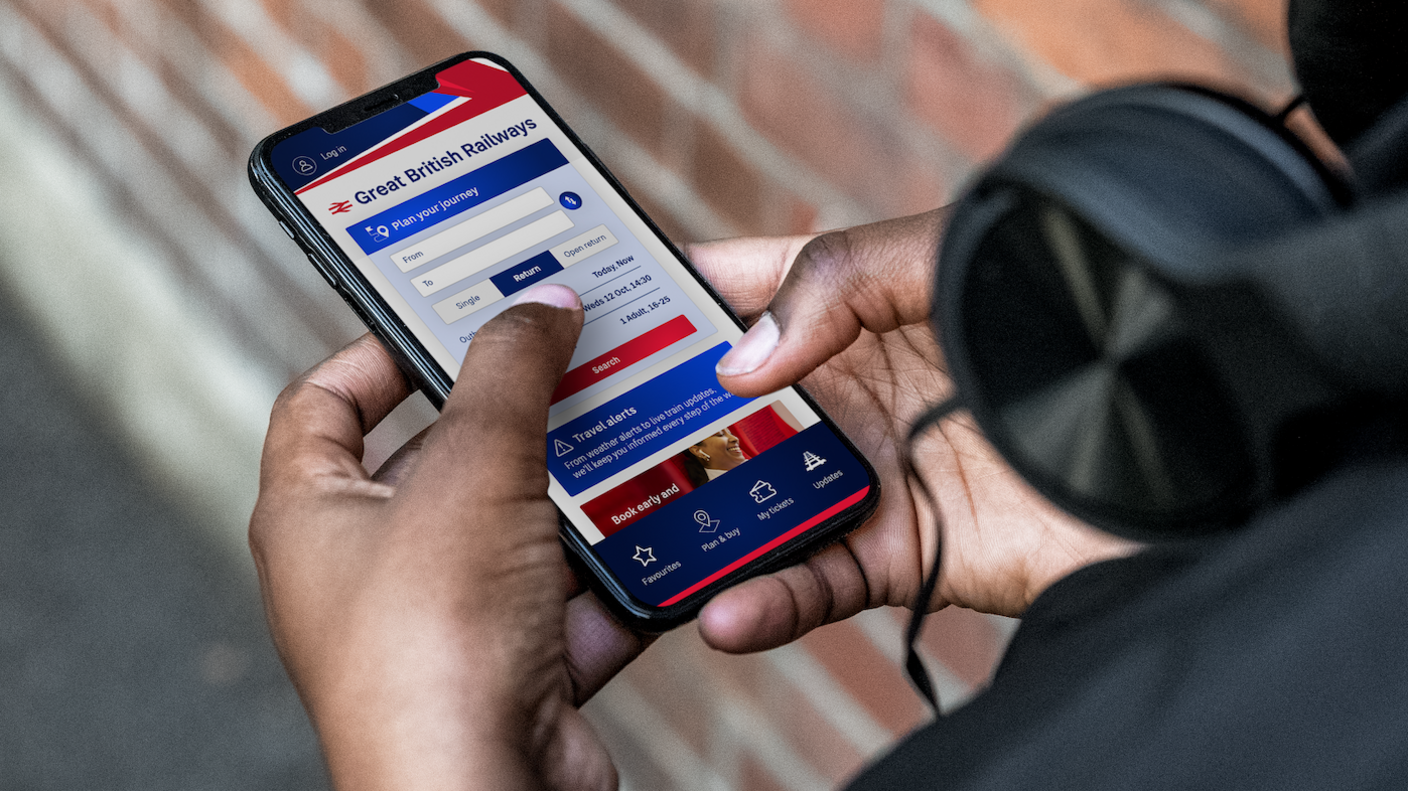
In addition to the new branding, the government is developing a GBR app designed to streamline the passenger experience. This app will allow users to book tickets without fees and provide features to assist disabled passengers, making public transport more accessible. Jacqueline Starr, executive chair of the Rail Delivery Group, expressed support for the government's efforts to improve services, highlighting the importance of collaboration with industry partners.
WHAT THIS MIGHT MEAN
As the Railways Bill progresses through the legislative process, its successful passage could mark a transformative period for UK railways. The nationalisation of the rail network aims to enhance accountability and service quality, potentially leading to improved passenger satisfaction. However, the financial implications of this shift remain a topic of debate, particularly concerning train fares and operational costs. Experts suggest that while the rebranding and structural changes are promising, the true test will be in the execution and delivery of these reforms. The establishment of a strengthened passenger watchdog will be crucial in ensuring that the new GBR meets its service commitments and effectively addresses passenger concerns.
Images from the Web
Related Articles
Middle East Conflict Drives UK Energy Prices to New Highs

Diplomatic Tensions Rise as Trump Criticizes Starmer's Iran Policy
Government Announces £4 Billion Overhaul of SEND Support in England
UK Government Announces Major Overhaul of SEND System with £3.4 Billion Investment
Prince Andrew's Ties to Epstein Under Scrutiny Amid Calls for Inquiry
Government Criticized for Mishandling Maccabi Tel Aviv Fan Ban
Great British Railways Unveils New Branding as Nationalisation Plans Progress
In This Article
 Aya Nakamura| Published
 HIGHLIGHTS
- The UK government has unveiled the branding for Great British Railways (GBR) as part of its plan to nationalise the railways.
- The GBR logo incorporates a red, white, and blue color scheme, reflecting the Union Flag, and features the historic double-arrow symbol.
- The Railways Bill, which facilitates the creation of GBR, is currently under debate in the House of Commons.
- Seven train operators are already nationalised, covering a third of passenger journeys, with more expected by 2027.
- A new GBR app will offer ticket booking without fees and assist disabled passengers, enhancing public transport accessibility.
The UK government has taken a significant step towards the nationalisation of its railways with the unveiling of the new branding for Great British Railways (GBR). This move is part of a broader strategy to bring the rail network back under public control, a promise echoed in Labour's manifesto and now being actioned by the current administration.
A Nod to Heritage
The GBR branding, revealed at London Bridge, features a red, white, and blue color scheme, mirroring the Union Flag, and incorporates the iconic double-arrow symbol. This design, developed in-house by the Department for Transport (DfT), pays homage to Britain's rich railway heritage while signaling a new era for public transport. Transport Secretary Heidi Alexander emphasized that this rebranding is more than cosmetic, representing a commitment to a unified and accountable railway system.
Legislation and Implementation
The Railways Bill, crucial for the establishment of GBR, is currently being debated in the House of Commons. The government aims to create a cohesive national railway, moving away from the fragmented private system that has dominated for decades. With seven train operators already nationalised, accounting for a third of passenger journeys, the transition is well underway, with more expected by 2027.
Enhancing Passenger Experience
In addition to the new branding, the government is developing a GBR app designed to streamline the passenger experience. This app will allow users to book tickets without fees and provide features to assist disabled passengers, making public transport more accessible. Jacqueline Starr, executive chair of the Rail Delivery Group, expressed support for the government's efforts to improve services, highlighting the importance of collaboration with industry partners.
WHAT THIS MIGHT MEAN
As the Railways Bill progresses through the legislative process, its successful passage could mark a transformative period for UK railways. The nationalisation of the rail network aims to enhance accountability and service quality, potentially leading to improved passenger satisfaction. However, the financial implications of this shift remain a topic of debate, particularly concerning train fares and operational costs. Experts suggest that while the rebranding and structural changes are promising, the true test will be in the execution and delivery of these reforms. The establishment of a strengthened passenger watchdog will be crucial in ensuring that the new GBR meets its service commitments and effectively addresses passenger concerns.
Images from the Web
Related Articles
Middle East Conflict Drives UK Energy Prices to New Highs
Diplomatic Tensions Rise as Trump Criticizes Starmer's Iran Policy
Government Announces £4 Billion Overhaul of SEND Support in England
UK Government Announces Major Overhaul of SEND System with £3.4 Billion Investment
Prince Andrew's Ties to Epstein Under Scrutiny Amid Calls for Inquiry
Government Criticized for Mishandling Maccabi Tel Aviv Fan Ban