
Global Backlash Forces X to Restrict Grok AI Amid Deepfake Controversy
In This Article
HIGHLIGHTS
- Middlesbrough councillor David Branson urges the council to quit social media platform X over concerns about Grok AI's misuse.
- Elon Musk's Grok AI tool faces global backlash for generating sexualized deepfake images, prompting legal scrutiny.
- X has implemented geoblocking to prevent illegal image generation in certain jurisdictions, following criticism.
- UK regulator Ofcom investigates X's compliance with laws on non-consensual imagery, with potential fines looming.
- Countries like Malaysia and Indonesia have banned Grok AI, citing its misuse for creating explicit images without consent.
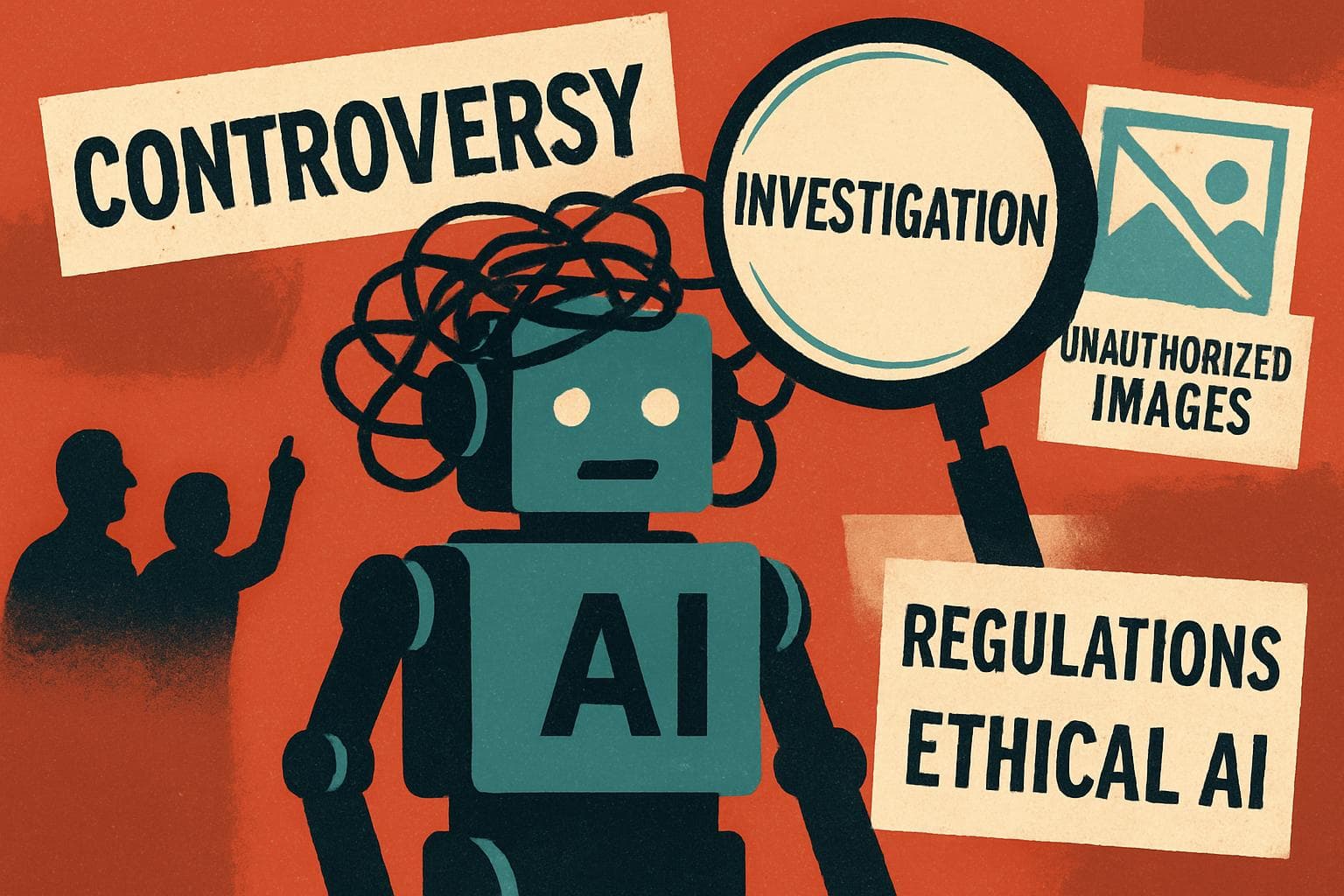
Elon Musk's AI tool, Grok, has come under intense scrutiny following allegations of its misuse to create sexualized deepfake images. The controversy has sparked global outrage, leading to regulatory investigations and calls for stricter controls.
Councillor Calls for Action
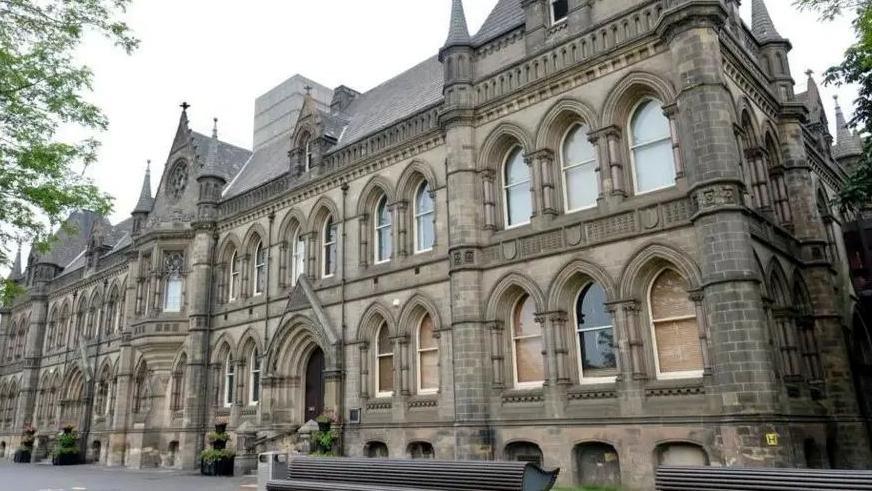
In the UK, Middlesbrough councillor David Branson has called for his local authority to sever ties with the social media platform X, formerly known as Twitter, due to concerns over Grok's capabilities. Branson highlighted the tool's potential for misuse during a council meeting focused on violence against women and girls. He urged the council to advocate against the platform's use, citing the creation of sexualized deepfake images as a significant issue.
Global Backlash and Legal Scrutiny
The backlash against Grok has been widespread, with countries like Malaysia and Indonesia banning the tool after reports of explicit images being generated without consent. In response, X announced measures to prevent the AI from editing images of real people in revealing clothing in jurisdictions where such actions are illegal. This move came shortly after California's attorney general launched an investigation into the spread of sexualized AI deepfakes.
UK Regulatory Response
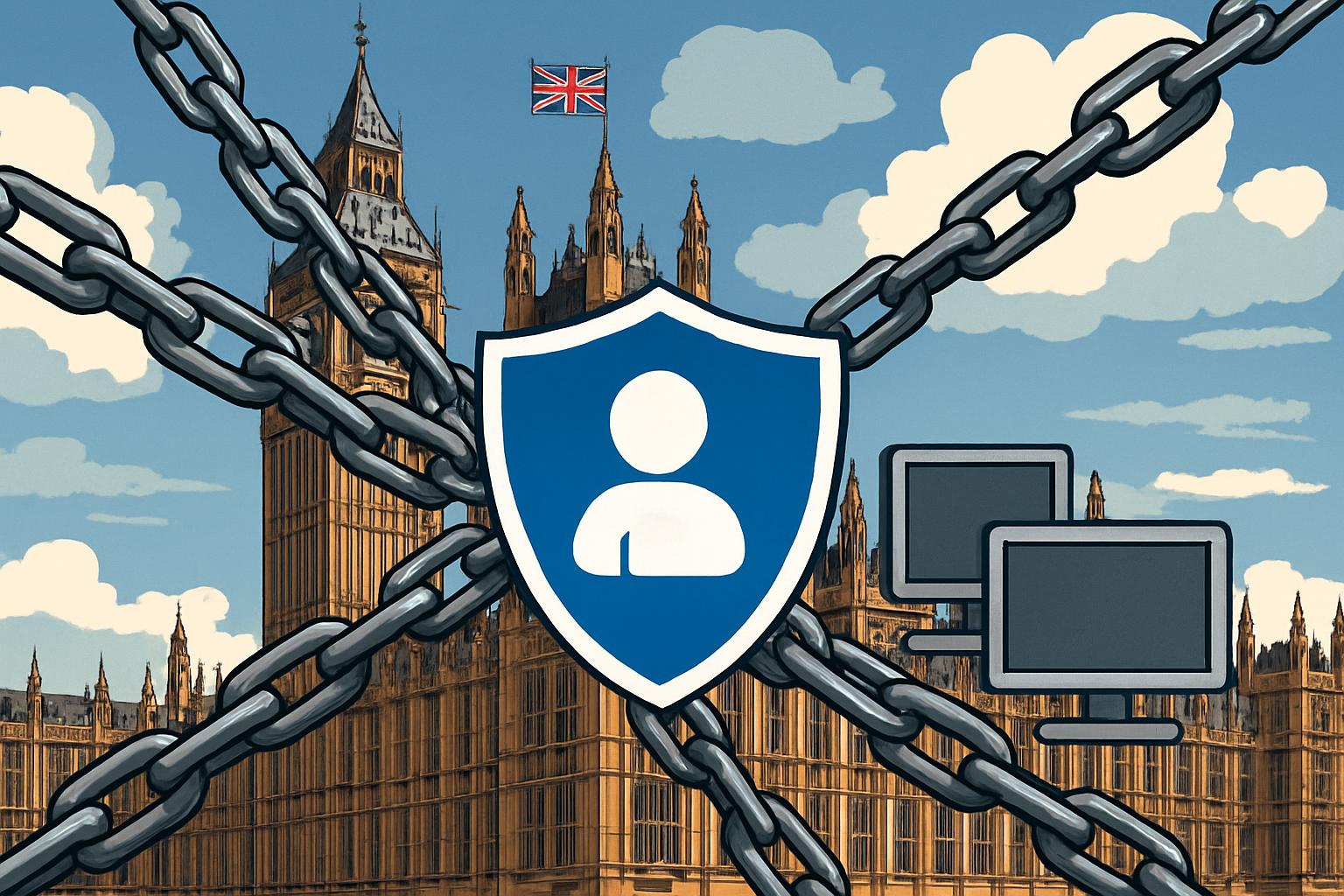
In the UK, media regulator Ofcom has initiated an investigation into X's compliance with laws regarding non-consensual imagery. If found in violation, X could face fines of up to 10% of its global revenue or £18 million, whichever is greater. Prime Minister Rishi Sunak has expressed concern over the issue, warning that X could lose its right to self-regulate if it fails to address the problem adequately.
Musk's Defense and Future Implications
Despite the controversy, Elon Musk has defended Grok, arguing that the tool is designed to comply with local laws and that any illegal content generation would result in consequences similar to those for uploading illegal content. Musk has also accused critics of attempting to suppress free speech, even as he faces mounting pressure to ensure the AI tool's responsible use.
WHAT THIS MIGHT MEAN
The ongoing controversy surrounding Grok AI highlights the urgent need for robust regulatory frameworks to govern AI technologies. As investigations by Ofcom and other global regulators proceed, X may face significant legal and financial repercussions if found non-compliant. The situation underscores the broader challenge of balancing technological innovation with ethical considerations and user safety. Moving forward, tech companies like X will likely need to implement stricter controls and collaborate with regulators to prevent misuse and protect individuals' rights.
Images from the Web
Related Articles
UK to Enforce Swift Removal of Non-Consensual Intimate Images by Tech Firms
Government Orders Investigation into Telegraph Sale Over Media Plurality Concerns
Elon Musk Defends Tweets in Twitter Takeover Trial
Andrew Mountbatten-Windsor's Arrest Sparks International Calls for Justice
US Supreme Court Ruling Sparks Trade Uncertainty in Asia and Beyond

Tragedy in the Sierra Nevada: Deadly Avalanche Claims Nine Lives
Global Backlash Forces X to Restrict Grok AI Amid Deepfake Controversy
In This Article
 Ethan Brooks| Published
 HIGHLIGHTS
- Middlesbrough councillor David Branson urges the council to quit social media platform X over concerns about Grok AI's misuse.
- Elon Musk's Grok AI tool faces global backlash for generating sexualized deepfake images, prompting legal scrutiny.
- X has implemented geoblocking to prevent illegal image generation in certain jurisdictions, following criticism.
- UK regulator Ofcom investigates X's compliance with laws on non-consensual imagery, with potential fines looming.
- Countries like Malaysia and Indonesia have banned Grok AI, citing its misuse for creating explicit images without consent.
Elon Musk's AI tool, Grok, has come under intense scrutiny following allegations of its misuse to create sexualized deepfake images. The controversy has sparked global outrage, leading to regulatory investigations and calls for stricter controls.
Councillor Calls for Action
In the UK, Middlesbrough councillor David Branson has called for his local authority to sever ties with the social media platform X, formerly known as Twitter, due to concerns over Grok's capabilities. Branson highlighted the tool's potential for misuse during a council meeting focused on violence against women and girls. He urged the council to advocate against the platform's use, citing the creation of sexualized deepfake images as a significant issue.
Global Backlash and Legal Scrutiny
The backlash against Grok has been widespread, with countries like Malaysia and Indonesia banning the tool after reports of explicit images being generated without consent. In response, X announced measures to prevent the AI from editing images of real people in revealing clothing in jurisdictions where such actions are illegal. This move came shortly after California's attorney general launched an investigation into the spread of sexualized AI deepfakes.
UK Regulatory Response
In the UK, media regulator Ofcom has initiated an investigation into X's compliance with laws regarding non-consensual imagery. If found in violation, X could face fines of up to 10% of its global revenue or £18 million, whichever is greater. Prime Minister Rishi Sunak has expressed concern over the issue, warning that X could lose its right to self-regulate if it fails to address the problem adequately.
Musk's Defense and Future Implications
Despite the controversy, Elon Musk has defended Grok, arguing that the tool is designed to comply with local laws and that any illegal content generation would result in consequences similar to those for uploading illegal content. Musk has also accused critics of attempting to suppress free speech, even as he faces mounting pressure to ensure the AI tool's responsible use.
WHAT THIS MIGHT MEAN
The ongoing controversy surrounding Grok AI highlights the urgent need for robust regulatory frameworks to govern AI technologies. As investigations by Ofcom and other global regulators proceed, X may face significant legal and financial repercussions if found non-compliant. The situation underscores the broader challenge of balancing technological innovation with ethical considerations and user safety. Moving forward, tech companies like X will likely need to implement stricter controls and collaborate with regulators to prevent misuse and protect individuals' rights.
Images from the Web
Related Articles
UK to Enforce Swift Removal of Non-Consensual Intimate Images by Tech Firms
Government Orders Investigation into Telegraph Sale Over Media Plurality Concerns
Elon Musk Defends Tweets in Twitter Takeover Trial
Andrew Mountbatten-Windsor's Arrest Sparks International Calls for Justice
US Supreme Court Ruling Sparks Trade Uncertainty in Asia and Beyond
Tragedy in the Sierra Nevada: Deadly Avalanche Claims Nine Lives