
Hillsborough Law Delayed Amid Concerns Over Intelligence Agency Accountability
In This Article
HIGHLIGHTS
- The Hillsborough Law, aimed at preventing political deception, has been delayed to address concerns about its application to intelligence agencies.
- MP Luke Myer proposed an amendment to extend the bill's remit to all MPs and Lords, ensuring no one in parliament is above the law.
- Families of the Hillsborough disaster and Manchester Arena bombing victims support the bill, seeking accountability and transparency.
- The government is considering amendments to balance national security concerns with the bill's duty of candour requirements.
- Campaigners argue that the bill must apply fully to MI5, MI6, and GCHQ to ensure accountability for misleading public inquiries.
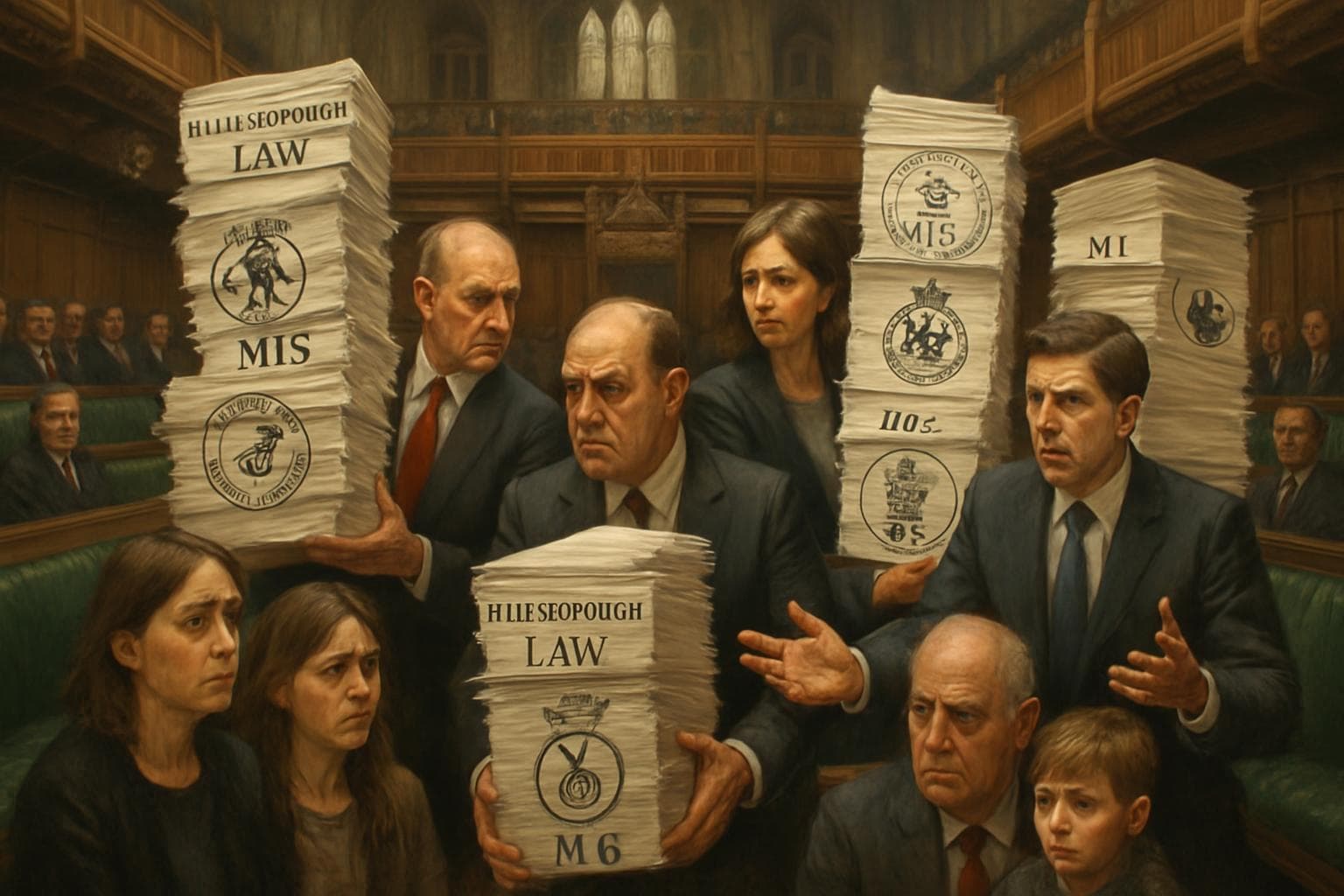
The Hillsborough Law, a legislative proposal aimed at curbing political deception and ensuring transparency in public office, has encountered a delay as lawmakers deliberate its implications for intelligence agencies. Originally set to progress in parliament, the bill's next stage has been postponed to address concerns about its application to MI5, MI6, and GCHQ.
A Push for Accountability
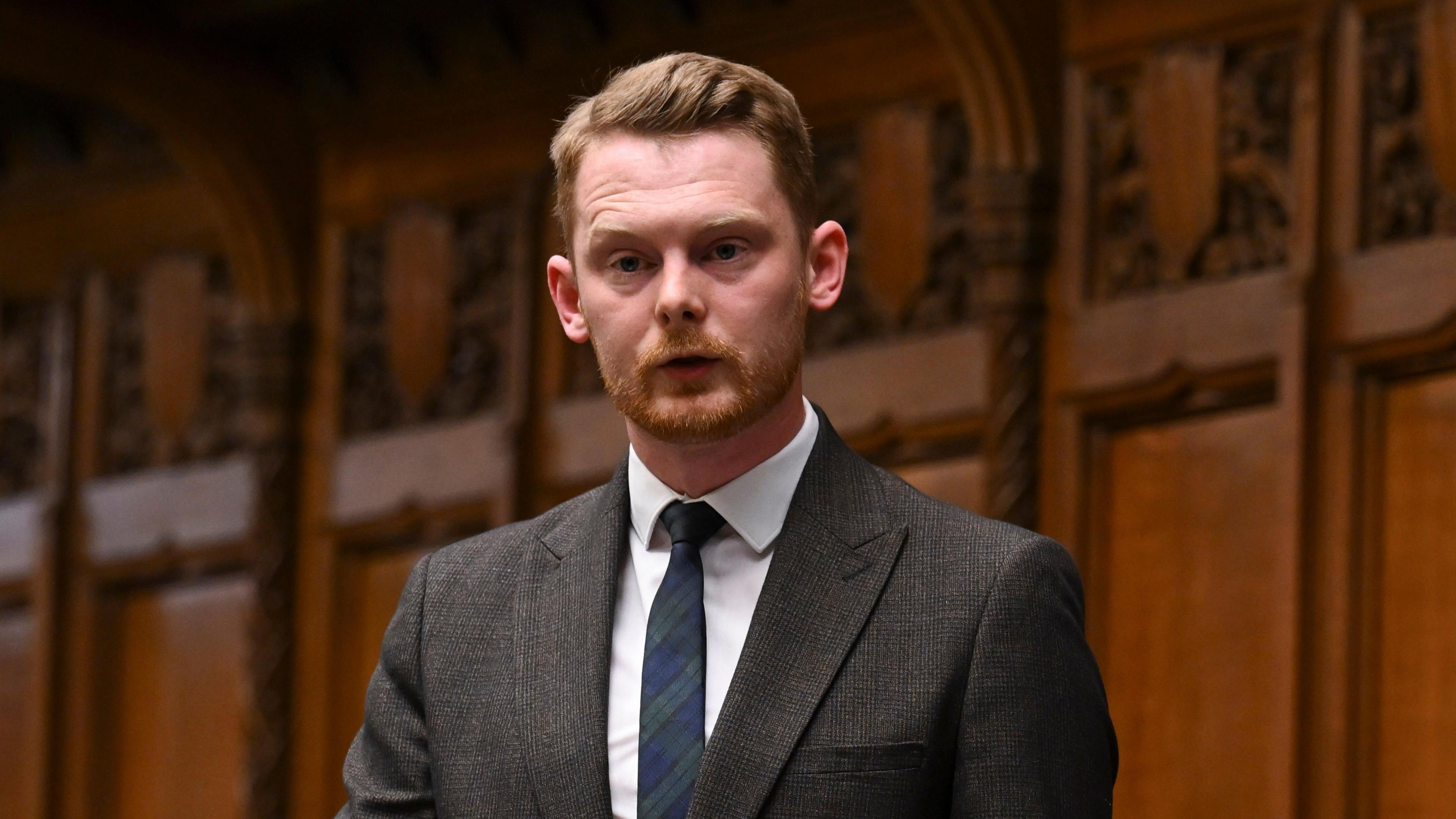
The Public Office (Accountability) Bill, commonly referred to as the Hillsborough Law, seeks to impose a legal duty of candour on public authorities. This initiative, championed by Labour MP Luke Myer, aims to criminalize deliberate misinformation by senior politicians, extending its reach to all Members of Parliament and the House of Lords. "If politicians deliberately lie to the public, there should be consequences," Myer stated, emphasizing the need for accountability at all levels of government.
Support from Victims' Families
The bill has garnered support from families affected by the 1989 Hillsborough disaster and the 2017 Manchester Arena bombing. These groups have long campaigned for transparency following incidents where authorities were found to have spread false narratives. A public inquiry into the Manchester Arena attack revealed that MI5 had withheld crucial intelligence, prompting calls for the bill to apply fully to intelligence officers.
Balancing National Security and Transparency
The government has introduced amendments to the bill to address concerns about its impact on national security. A spokesperson for the prime minister stated, "This government will not bring forward legislation that would put the national security of the UK or lives at risk." Despite these assurances, campaigners argue that the bill must hold intelligence agencies accountable to prevent future cover-ups.
Ongoing Deliberations
As discussions continue, the government remains committed to finding a balance that satisfies both security and transparency needs. The bill's delay allows for further "tweaking" to ensure it effectively addresses the concerns raised by MPs and victims' families. The outcome of these deliberations will determine the future of the Hillsborough Law and its potential impact on public trust in government.
WHAT THIS MIGHT MEAN
The delay in the Hillsborough Law's progress highlights the complex interplay between transparency and national security. If the government successfully amends the bill to address concerns, it could set a precedent for increased accountability in public office. However, failure to adequately include intelligence agencies could undermine the bill's effectiveness and public trust. Experts suggest that achieving a balance will be crucial in restoring faith in democratic institutions and ensuring that past mistakes are not repeated. As discussions continue, the outcome will likely influence future legislative efforts to enhance transparency and accountability in government.
Images from the Web
Related Articles
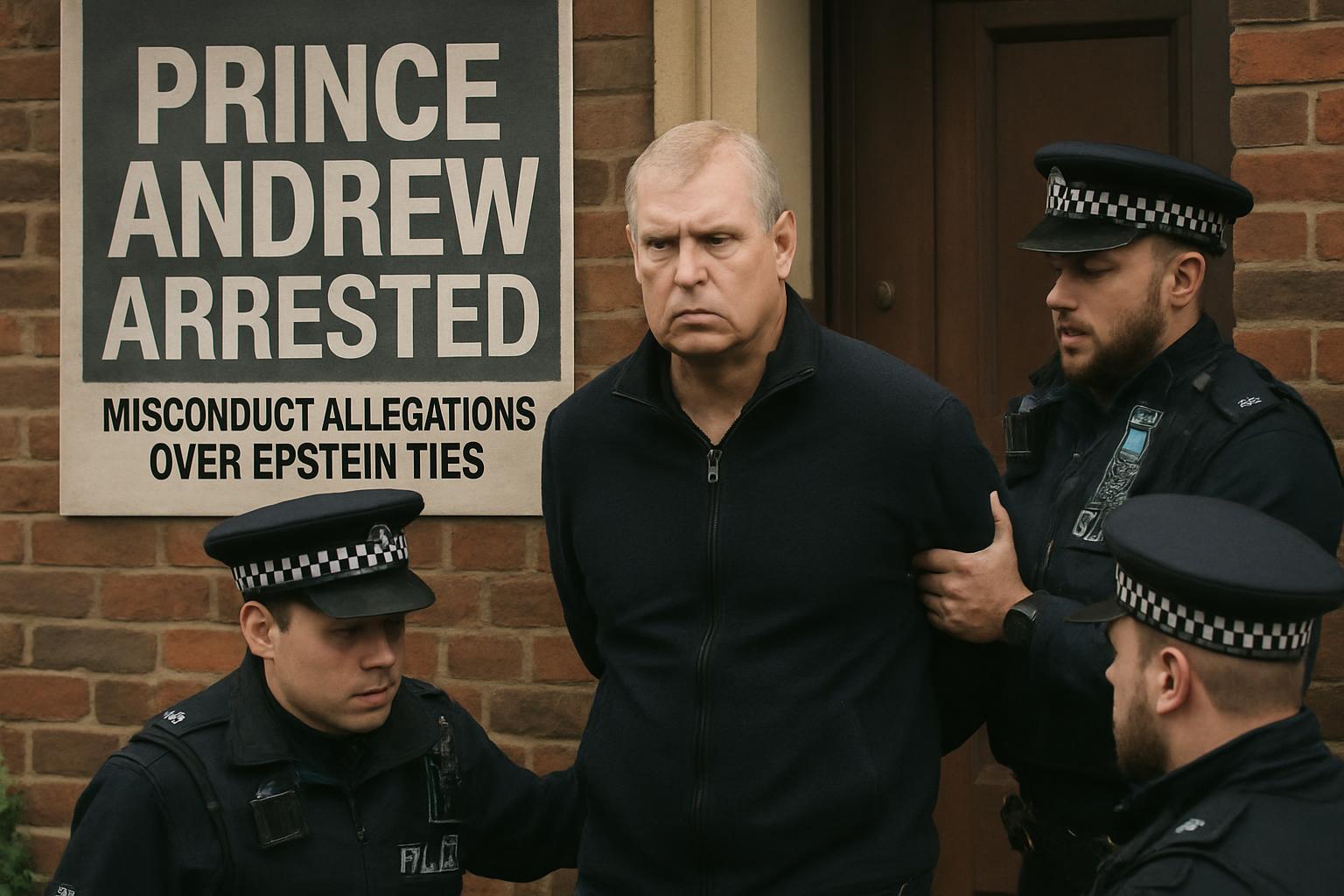
Andrew Mountbatten-Windsor Arrested Amid Misconduct Allegations
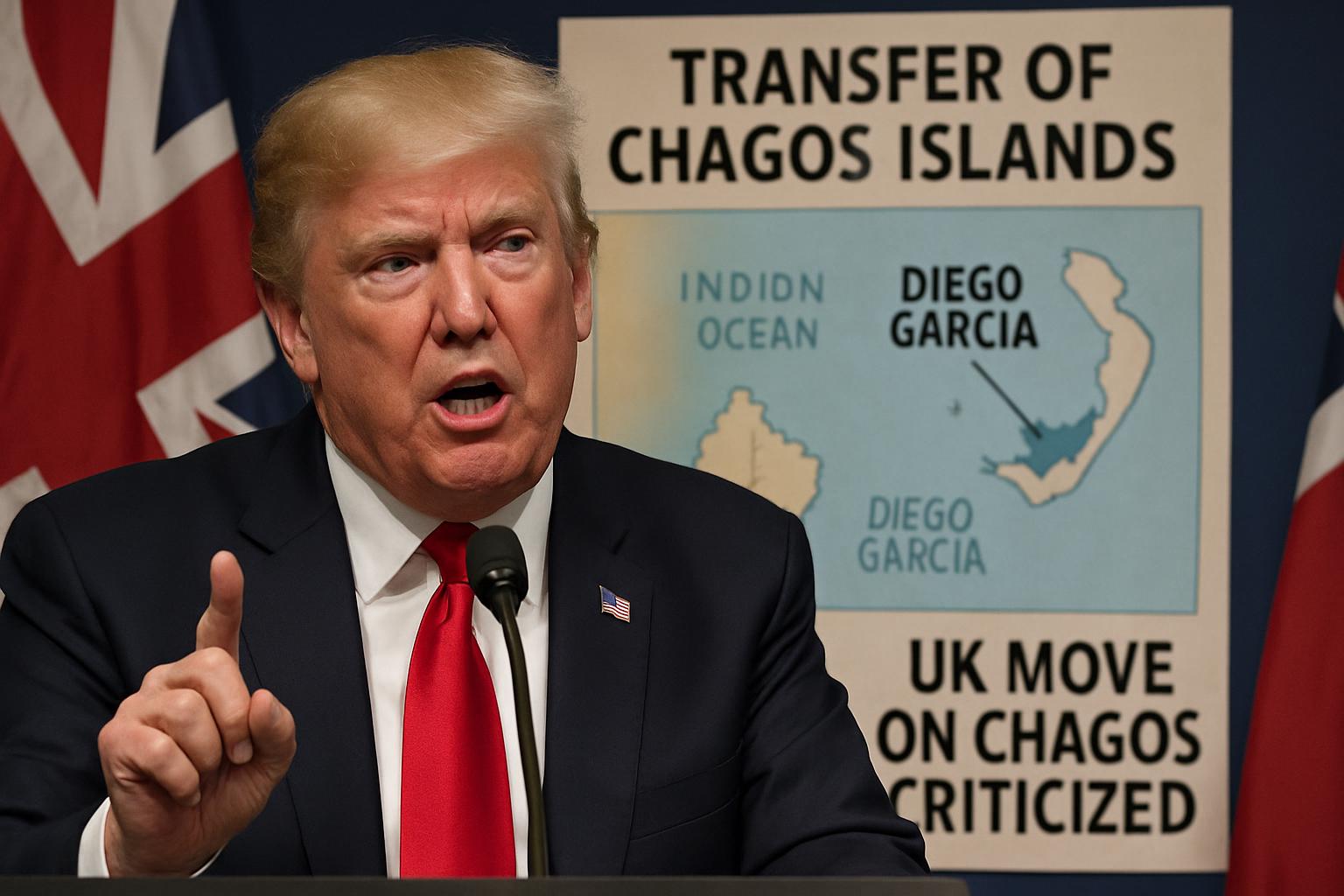
Trump Criticizes UK Plan to Transfer Chagos Islands to Mauritius

UK and Allies Accuse Russia of Killing Navalny with Dart Frog Toxin

Breakthrough Drug Offers Hope for Children with Severe Epilepsy

Arrest of Andrew Mountbatten-Windsor Captured in Iconic Photograph
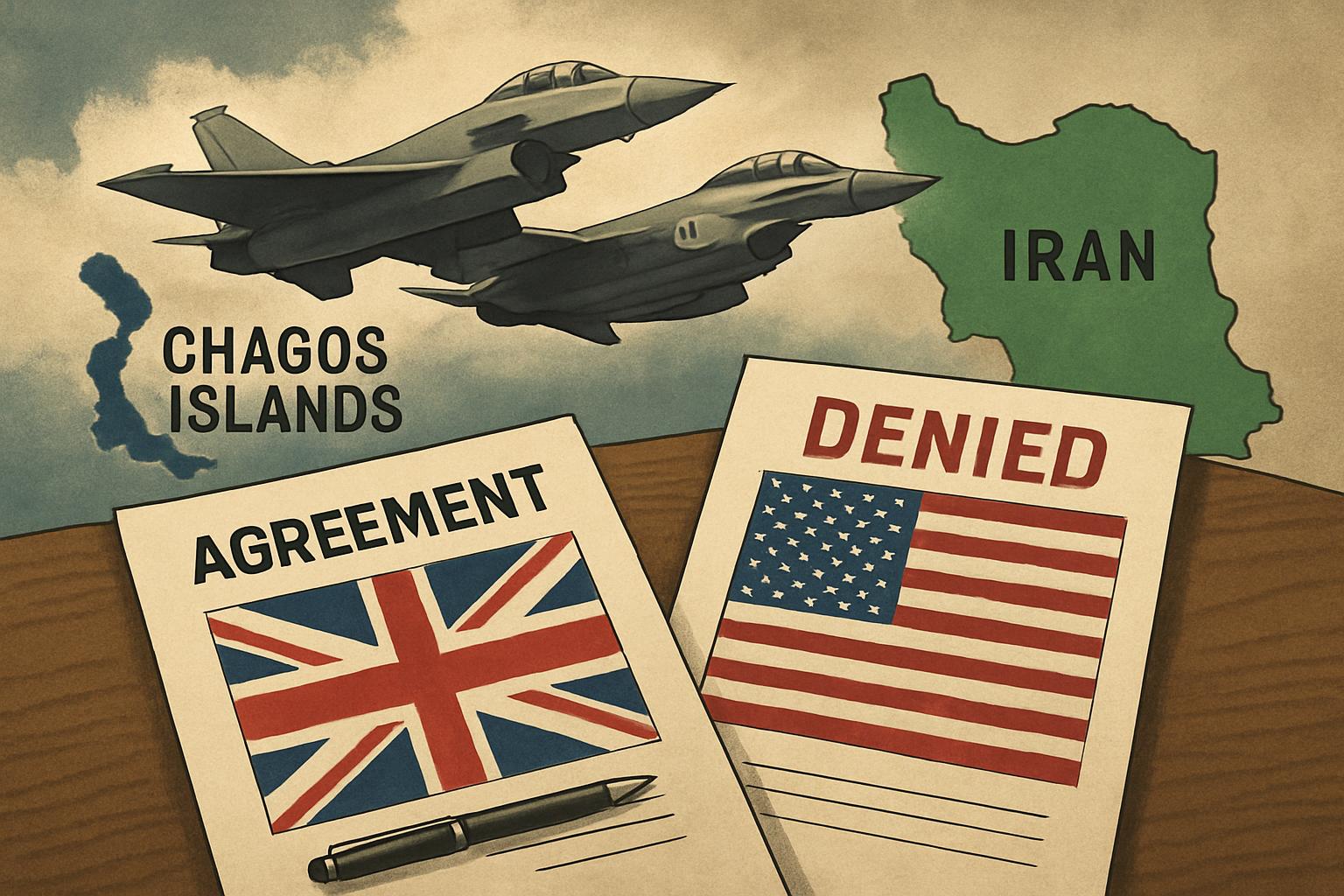
UK Denies US Use of Military Bases for Potential Iran Strikes Amid Chagos Islands Dispute
Hillsborough Law Delayed Amid Concerns Over Intelligence Agency Accountability
In This Article
 Ethan Brooks| Published
 HIGHLIGHTS
- The Hillsborough Law, aimed at preventing political deception, has been delayed to address concerns about its application to intelligence agencies.
- MP Luke Myer proposed an amendment to extend the bill's remit to all MPs and Lords, ensuring no one in parliament is above the law.
- Families of the Hillsborough disaster and Manchester Arena bombing victims support the bill, seeking accountability and transparency.
- The government is considering amendments to balance national security concerns with the bill's duty of candour requirements.
- Campaigners argue that the bill must apply fully to MI5, MI6, and GCHQ to ensure accountability for misleading public inquiries.
The Hillsborough Law, a legislative proposal aimed at curbing political deception and ensuring transparency in public office, has encountered a delay as lawmakers deliberate its implications for intelligence agencies. Originally set to progress in parliament, the bill's next stage has been postponed to address concerns about its application to MI5, MI6, and GCHQ.
A Push for Accountability
The Public Office (Accountability) Bill, commonly referred to as the Hillsborough Law, seeks to impose a legal duty of candour on public authorities. This initiative, championed by Labour MP Luke Myer, aims to criminalize deliberate misinformation by senior politicians, extending its reach to all Members of Parliament and the House of Lords. "If politicians deliberately lie to the public, there should be consequences," Myer stated, emphasizing the need for accountability at all levels of government.
Support from Victims' Families
The bill has garnered support from families affected by the 1989 Hillsborough disaster and the 2017 Manchester Arena bombing. These groups have long campaigned for transparency following incidents where authorities were found to have spread false narratives. A public inquiry into the Manchester Arena attack revealed that MI5 had withheld crucial intelligence, prompting calls for the bill to apply fully to intelligence officers.
Balancing National Security and Transparency
The government has introduced amendments to the bill to address concerns about its impact on national security. A spokesperson for the prime minister stated, "This government will not bring forward legislation that would put the national security of the UK or lives at risk." Despite these assurances, campaigners argue that the bill must hold intelligence agencies accountable to prevent future cover-ups.
Ongoing Deliberations
As discussions continue, the government remains committed to finding a balance that satisfies both security and transparency needs. The bill's delay allows for further "tweaking" to ensure it effectively addresses the concerns raised by MPs and victims' families. The outcome of these deliberations will determine the future of the Hillsborough Law and its potential impact on public trust in government.
WHAT THIS MIGHT MEAN
The delay in the Hillsborough Law's progress highlights the complex interplay between transparency and national security. If the government successfully amends the bill to address concerns, it could set a precedent for increased accountability in public office. However, failure to adequately include intelligence agencies could undermine the bill's effectiveness and public trust. Experts suggest that achieving a balance will be crucial in restoring faith in democratic institutions and ensuring that past mistakes are not repeated. As discussions continue, the outcome will likely influence future legislative efforts to enhance transparency and accountability in government.
Images from the Web
Related Articles
Andrew Mountbatten-Windsor Arrested Amid Misconduct Allegations
Trump Criticizes UK Plan to Transfer Chagos Islands to Mauritius
UK and Allies Accuse Russia of Killing Navalny with Dart Frog Toxin
Breakthrough Drug Offers Hope for Children with Severe Epilepsy
Arrest of Andrew Mountbatten-Windsor Captured in Iconic Photograph
UK Denies US Use of Military Bases for Potential Iran Strikes Amid Chagos Islands Dispute