
HMRC Reviews Child Benefit Suspensions Amid Data Accuracy Concerns
In This Article
HIGHLIGHTS
- HMRC is reviewing 23,500 child benefit suspensions after complaints about using flawed travel data.
- Nearly 46% of families flagged for fraud were found to still reside in the UK, raising concerns over data accuracy.
- The crackdown, aimed at saving £350m, has been criticized for its high error rate, especially in Northern Ireland.
- HMRC has apologized and promised to reinstate benefits where errors are found, using PAYE data for verification.
- The issue highlights challenges in using Home Office travel data, particularly in the Common Travel Area.
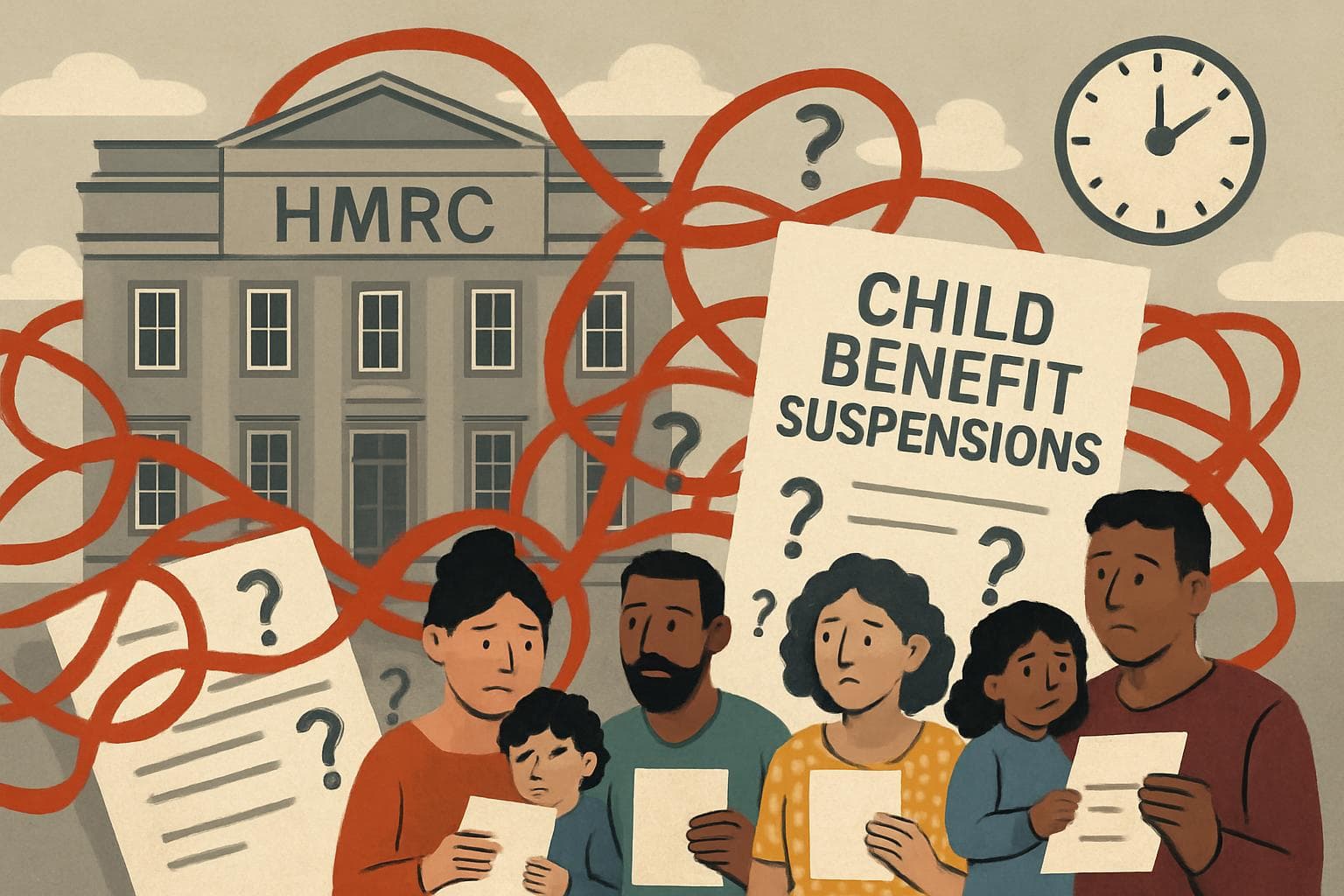
The UK's tax authority, HM Revenue & Customs (HMRC), is under scrutiny for suspending child benefits for approximately 23,500 families based on potentially flawed travel data. This move, part of a broader crackdown on benefit fraud, has sparked significant backlash due to a high error rate in identifying families who allegedly left the UK permanently.
Data-Driven Decisions Under Fire
The initiative, which began in September, aimed to save £350 million over five years by identifying fraudulent claims. However, it has been revealed that nearly 46% of the families flagged were still residing in the UK. In Northern Ireland, the error rate was even higher, with 78% of flagged cases being incorrect. The reliance on Home Office travel data, which was used to infer emigration, has been criticized for its lack of accuracy.
Public and Political Reactions
The issue has drawn attention from various political figures, including Labour MP Kim Johnson, who has called for an urgent investigation. The Liberal Democrats and the Green Party have also raised concerns in parliament, questioning the transparency and data protection measures of the initiative. Tim Clement-Jones, a Lib Dem peer, has demanded explanations for the lack of published business cases and data protection assessments.
Individual Stories Highlight System Flaws
Personal accounts have further highlighted the system's flaws. Eve Craven, for instance, had her benefits suspended after a short holiday to New York, despite returning to the UK. Her benefits were eventually reinstated with back payments. Another case involved a woman who lost benefits after booking a flight she never boarded due to her child's medical emergency.
HMRC's Response and Future Actions
In response to the mounting criticism, HMRC has apologized and committed to reviewing all past cases. They have pledged to use PAYE data to verify continued UK employment and reinstate benefits where necessary. The review is expected to conclude by the end of the year. HMRC has also stated it will no longer use travel data from Dublin airport, acknowledging the complexities of the Common Travel Area.
WHAT THIS MIGHT MEAN
The ongoing review by HMRC could lead to significant policy changes in how child benefits are monitored and enforced. If the error rates remain high, there may be increased pressure on the government to overhaul the system entirely, potentially involving more robust data verification processes. Politically, the issue could fuel debates on data privacy and the balance between fraud prevention and citizens' rights. Experts suggest that the case underscores the need for more reliable data sources and transparent procedures to avoid similar controversies in the future.
Images from the Web

Related Articles

UK Government to Reform Asylum Seeker Support and Employment Policies

Antonia Romeo Appointed as First Female UK Cabinet Secretary Amid Controversy

Tragedy Strikes County Armagh: Three Dead in Multi-Vehicle Collision

Prince Andrew's Ties to Epstein Under Scrutiny Amid Calls for Inquiry

Government Criticized for Mishandling Maccabi Tel Aviv Fan Ban

UK Government Considers Removing Andrew Mountbatten-Windsor from Royal Succession Amid Arrest
HMRC Reviews Child Benefit Suspensions Amid Data Accuracy Concerns
In This Article
 Ethan Brooks| Published
 HIGHLIGHTS
- HMRC is reviewing 23,500 child benefit suspensions after complaints about using flawed travel data.
- Nearly 46% of families flagged for fraud were found to still reside in the UK, raising concerns over data accuracy.
- The crackdown, aimed at saving £350m, has been criticized for its high error rate, especially in Northern Ireland.
- HMRC has apologized and promised to reinstate benefits where errors are found, using PAYE data for verification.
- The issue highlights challenges in using Home Office travel data, particularly in the Common Travel Area.
The UK's tax authority, HM Revenue & Customs (HMRC), is under scrutiny for suspending child benefits for approximately 23,500 families based on potentially flawed travel data. This move, part of a broader crackdown on benefit fraud, has sparked significant backlash due to a high error rate in identifying families who allegedly left the UK permanently.
Data-Driven Decisions Under Fire
The initiative, which began in September, aimed to save £350 million over five years by identifying fraudulent claims. However, it has been revealed that nearly 46% of the families flagged were still residing in the UK. In Northern Ireland, the error rate was even higher, with 78% of flagged cases being incorrect. The reliance on Home Office travel data, which was used to infer emigration, has been criticized for its lack of accuracy.
Public and Political Reactions
The issue has drawn attention from various political figures, including Labour MP Kim Johnson, who has called for an urgent investigation. The Liberal Democrats and the Green Party have also raised concerns in parliament, questioning the transparency and data protection measures of the initiative. Tim Clement-Jones, a Lib Dem peer, has demanded explanations for the lack of published business cases and data protection assessments.
Individual Stories Highlight System Flaws
Personal accounts have further highlighted the system's flaws. Eve Craven, for instance, had her benefits suspended after a short holiday to New York, despite returning to the UK. Her benefits were eventually reinstated with back payments. Another case involved a woman who lost benefits after booking a flight she never boarded due to her child's medical emergency.
HMRC's Response and Future Actions
In response to the mounting criticism, HMRC has apologized and committed to reviewing all past cases. They have pledged to use PAYE data to verify continued UK employment and reinstate benefits where necessary. The review is expected to conclude by the end of the year. HMRC has also stated it will no longer use travel data from Dublin airport, acknowledging the complexities of the Common Travel Area.
WHAT THIS MIGHT MEAN
The ongoing review by HMRC could lead to significant policy changes in how child benefits are monitored and enforced. If the error rates remain high, there may be increased pressure on the government to overhaul the system entirely, potentially involving more robust data verification processes. Politically, the issue could fuel debates on data privacy and the balance between fraud prevention and citizens' rights. Experts suggest that the case underscores the need for more reliable data sources and transparent procedures to avoid similar controversies in the future.
Images from the Web
Related Articles
UK Government to Reform Asylum Seeker Support and Employment Policies
Antonia Romeo Appointed as First Female UK Cabinet Secretary Amid Controversy
Tragedy Strikes County Armagh: Three Dead in Multi-Vehicle Collision
Prince Andrew's Ties to Epstein Under Scrutiny Amid Calls for Inquiry
Government Criticized for Mishandling Maccabi Tel Aviv Fan Ban
UK Government Considers Removing Andrew Mountbatten-Windsor from Royal Succession Amid Arrest