
Home Office Faces Backlash Over Asylum Seeker Accommodation Plans Amid Criticism of Hotel Conditions

In This Article
HIGHLIGHTS
- The Home Office apologized for its handling of plans to house asylum seekers at a military site in Crowborough, East Sussex, amid community tensions.
- A report by Ramfel highlights severe issues in UK asylum hotels, including overcrowding, malnutrition, and rat infestations.
- The Home Office is considering military sites like Crowborough and Cameron for temporary asylum accommodation to reduce reliance on hotels.
- The Refugee and Migrant Forum of Essex and London (Ramfel) criticized the government for profiting from inadequate asylum accommodations.
- Local residents and officials expressed concerns about the impact on public services and community safety due to the proposed asylum seeker housing plans.
The UK Home Office is under scrutiny following its controversial plan to house asylum seekers at a military site in Crowborough, East Sussex. The proposal has sparked significant community unrest, prompting an apology from the Home Office for the lack of communication and the resulting tensions. Andrew Larter, the director of asylum accommodation, acknowledged the "difficult impact" on local councillors and residents, emphasizing that the cost of housing asylum seekers at the site would be comparable to hotel accommodations, exceeding £100 per person per night.
Community Concerns and Official Responses
Wealden District Council has criticized the Home Office for an "information vacuum" that has fueled hostility among residents. Councillor Christina Coleman highlighted the community's dissatisfaction with both the plans and the process management. Despite these concerns, some residents have called for compassion, recalling the previous housing of Afghan evacuees at the site without incident.
Report Highlights Dire Conditions in Asylum Hotels
Concurrently, a report by the Refugee and Migrant Forum of Essex and London (Ramfel) has shed light on the dire conditions in UK asylum hotels. The report, based on experiences of nearly 500 asylum seekers, reveals overcrowding, malnutrition, and rat infestations. Families are often crammed into single rooms, with inadequate food and no accommodations for medical needs. The report criticizes the Home Office's reliance on hotels, which have become protest flashpoints, and calls for community-based housing solutions.
Government's Strategic Shift to Military Sites
In response to these challenges, the Home Office is considering military sites, including Crowborough and Cameron in Inverness, as temporary accommodations. This move aims to alleviate pressure on local communities and reduce the use of hotels. However, local MP Nusrat Ghani expressed concerns about the site's suitability and the potential long-term impact on the community.
Public Meetings and Future Plans
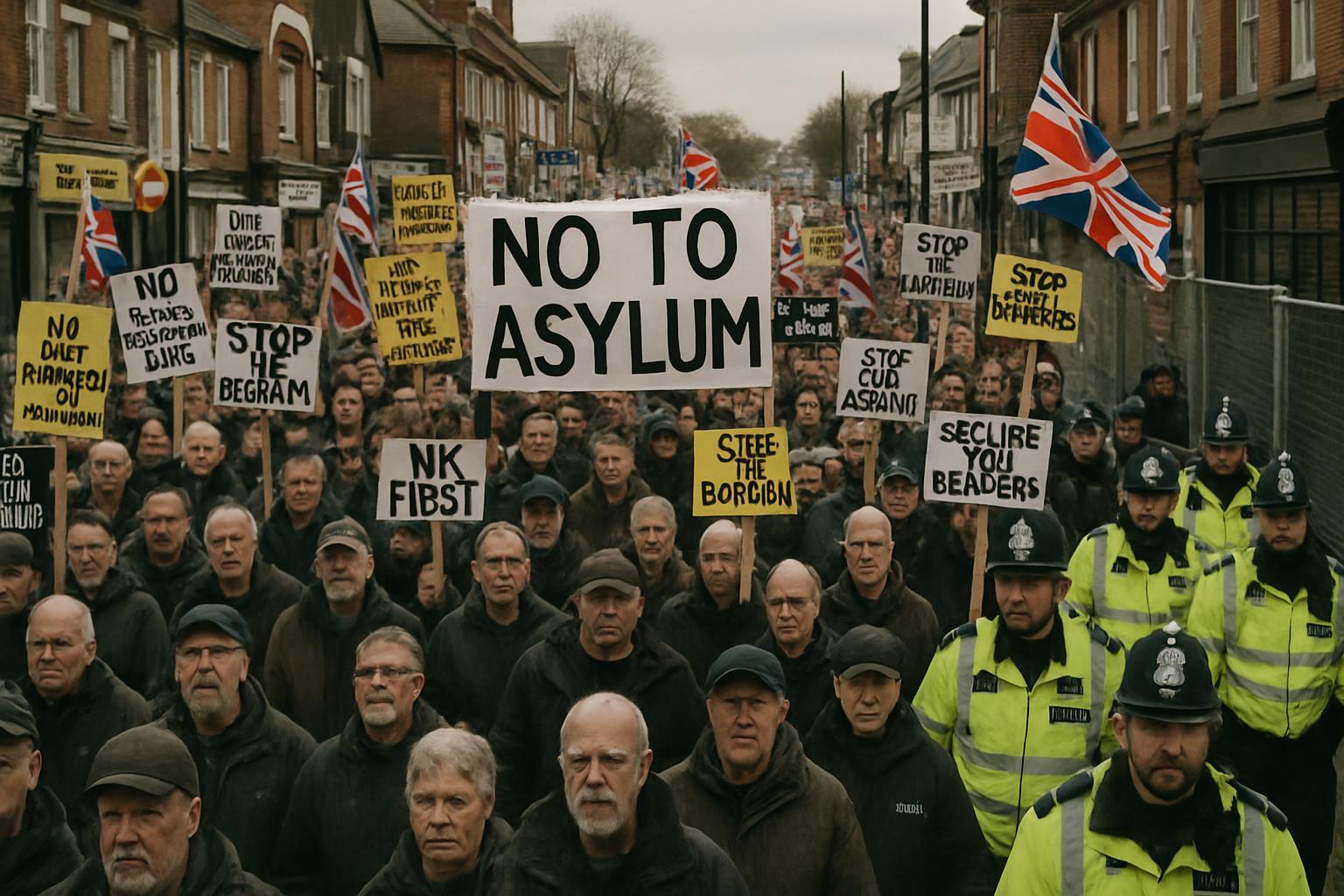
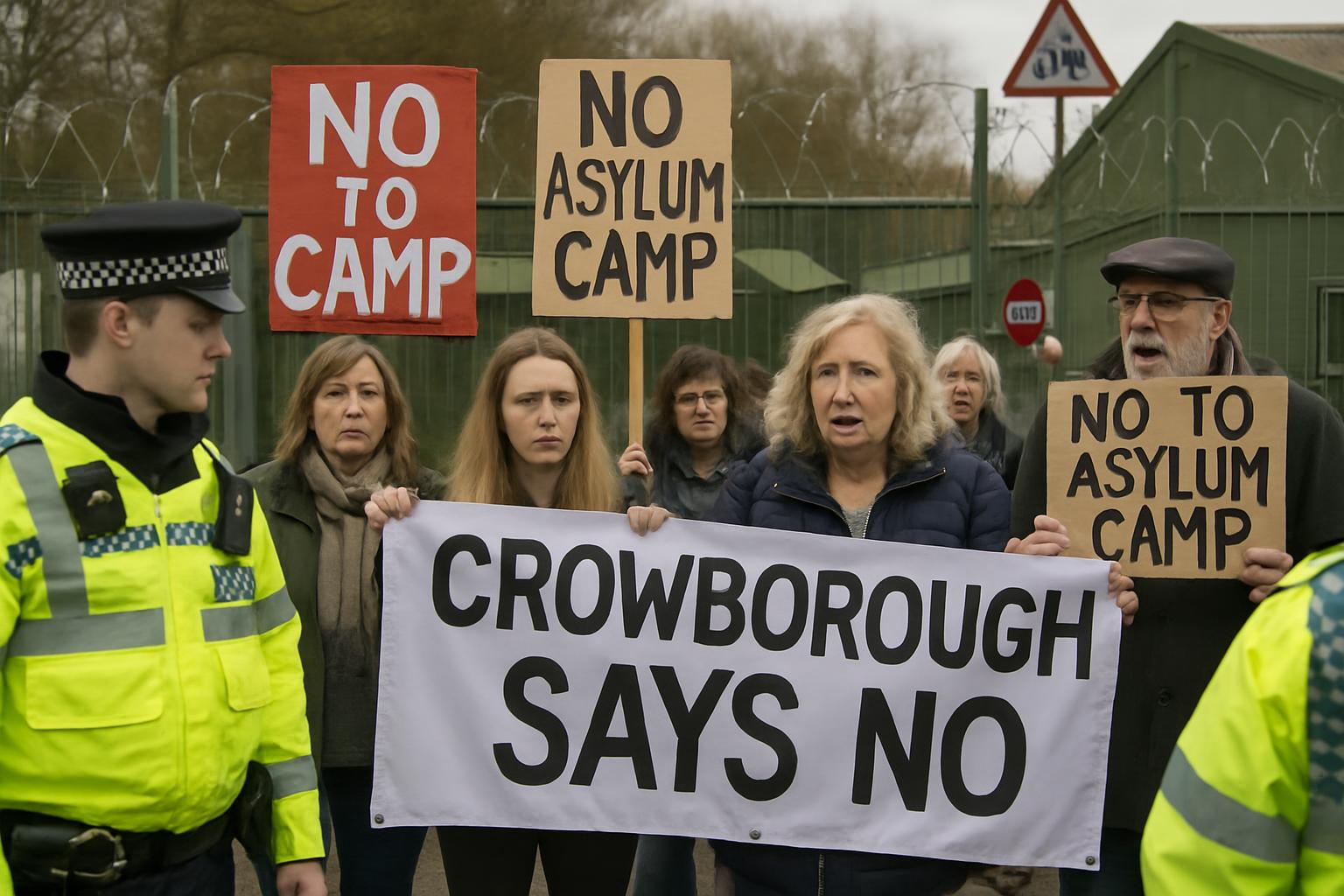
Over 500 people attended public meetings in Crowborough to discuss the plans, reflecting the high level of public interest and concern. The Home Office is still conducting a community impact assessment to ensure the site's safety and compliance. Officials have not yet confirmed when asylum seekers will be moved to the site.
WHAT THIS MIGHT MEAN
The Home Office's decision to utilize military sites for asylum accommodation could significantly alter the landscape of asylum seeker housing in the UK. If successful, this strategy might reduce the financial burden on taxpayers and improve conditions for asylum seekers. However, the transition poses challenges, including ensuring adequate facilities and addressing community concerns. Experts suggest that a focus on community-based housing could foster better integration and social cohesion. As the government navigates these complex issues, the outcome will likely influence future asylum policies and community relations across the country.
Related Articles
Protests Erupt in Crowborough Over Asylum Seeker Accommodation at Military Site
Arrests Made Amid Protests at Crowborough Asylum Seeker Camp

Asylum Seekers Moved to Crowborough Camp Amid Protests and Legal Challenges

British Couple's 10-Year Sentence in Iran Sparks Outcry

Mountbatten-Windsor and Mandelson Under Scrutiny Amid Epstein Investigation Revelations
Councils Seek Election Delays Amidst Major Local Government Overhaul
Home Office Faces Backlash Over Asylum Seeker Accommodation Plans Amid Criticism of Hotel Conditions
In This Article
 Ethan Brooks| Published
 HIGHLIGHTS
- The Home Office apologized for its handling of plans to house asylum seekers at a military site in Crowborough, East Sussex, amid community tensions.
- A report by Ramfel highlights severe issues in UK asylum hotels, including overcrowding, malnutrition, and rat infestations.
- The Home Office is considering military sites like Crowborough and Cameron for temporary asylum accommodation to reduce reliance on hotels.
- The Refugee and Migrant Forum of Essex and London (Ramfel) criticized the government for profiting from inadequate asylum accommodations.
- Local residents and officials expressed concerns about the impact on public services and community safety due to the proposed asylum seeker housing plans.
The UK Home Office is under scrutiny following its controversial plan to house asylum seekers at a military site in Crowborough, East Sussex. The proposal has sparked significant community unrest, prompting an apology from the Home Office for the lack of communication and the resulting tensions. Andrew Larter, the director of asylum accommodation, acknowledged the "difficult impact" on local councillors and residents, emphasizing that the cost of housing asylum seekers at the site would be comparable to hotel accommodations, exceeding £100 per person per night.
Community Concerns and Official Responses
Wealden District Council has criticized the Home Office for an "information vacuum" that has fueled hostility among residents. Councillor Christina Coleman highlighted the community's dissatisfaction with both the plans and the process management. Despite these concerns, some residents have called for compassion, recalling the previous housing of Afghan evacuees at the site without incident.
Report Highlights Dire Conditions in Asylum Hotels
Concurrently, a report by the Refugee and Migrant Forum of Essex and London (Ramfel) has shed light on the dire conditions in UK asylum hotels. The report, based on experiences of nearly 500 asylum seekers, reveals overcrowding, malnutrition, and rat infestations. Families are often crammed into single rooms, with inadequate food and no accommodations for medical needs. The report criticizes the Home Office's reliance on hotels, which have become protest flashpoints, and calls for community-based housing solutions.
Government's Strategic Shift to Military Sites
In response to these challenges, the Home Office is considering military sites, including Crowborough and Cameron in Inverness, as temporary accommodations. This move aims to alleviate pressure on local communities and reduce the use of hotels. However, local MP Nusrat Ghani expressed concerns about the site's suitability and the potential long-term impact on the community.
Public Meetings and Future Plans
Over 500 people attended public meetings in Crowborough to discuss the plans, reflecting the high level of public interest and concern. The Home Office is still conducting a community impact assessment to ensure the site's safety and compliance. Officials have not yet confirmed when asylum seekers will be moved to the site.
WHAT THIS MIGHT MEAN
The Home Office's decision to utilize military sites for asylum accommodation could significantly alter the landscape of asylum seeker housing in the UK. If successful, this strategy might reduce the financial burden on taxpayers and improve conditions for asylum seekers. However, the transition poses challenges, including ensuring adequate facilities and addressing community concerns. Experts suggest that a focus on community-based housing could foster better integration and social cohesion. As the government navigates these complex issues, the outcome will likely influence future asylum policies and community relations across the country.
Related Articles
Protests Erupt in Crowborough Over Asylum Seeker Accommodation at Military Site
Arrests Made Amid Protests at Crowborough Asylum Seeker Camp
Asylum Seekers Moved to Crowborough Camp Amid Protests and Legal Challenges
British Couple's 10-Year Sentence in Iran Sparks Outcry
Mountbatten-Windsor and Mandelson Under Scrutiny Amid Epstein Investigation Revelations
Councils Seek Election Delays Amidst Major Local Government Overhaul