
Councils Seek Election Delays Amidst Major Local Government Overhaul
In This Article
HIGHLIGHTS
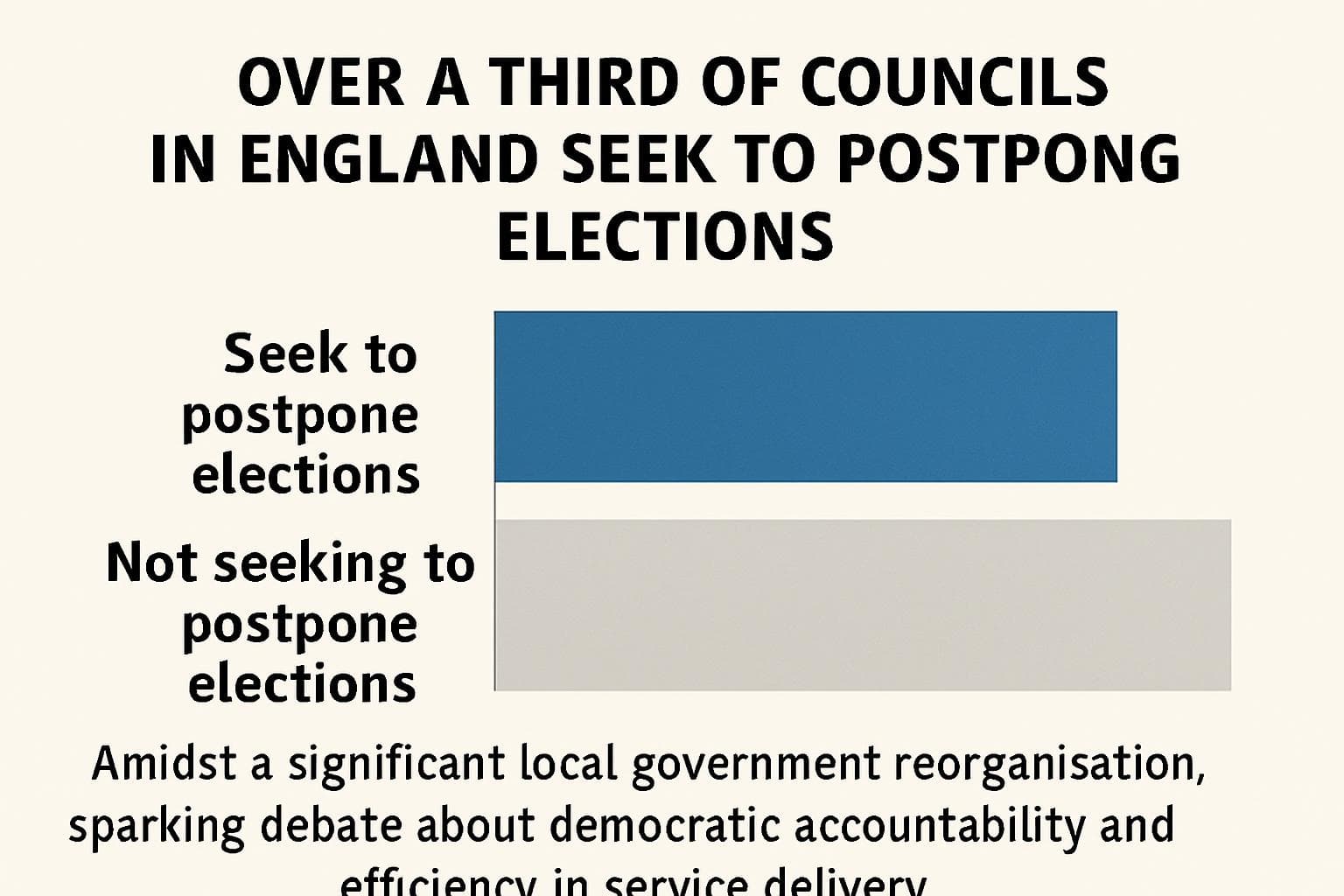
- Over a third of eligible councils in England have requested to postpone May elections due to local government reorganisation.
- The reorganisation aims to replace the two-tier system with unitary councils, affecting over 2.5 million voters.
- Critics argue that delaying elections undermines democracy, while supporters cite resource allocation and efficiency.
- Labour-led councils predominantly seek postponements, but some Conservative and Liberal Democrat councils also support delays.
- Ministers are expected to approve postponement requests, with decisions anticipated in the coming days.
In a significant move affecting over 2.5 million voters, more than a third of eligible councils in England have requested to postpone their upcoming May elections. This decision comes as part of a broader local government reorganisation aimed at replacing the existing two-tier system of district and county councils with more streamlined unitary councils. The reorganisation, described by the government as a "once-in-a-generation" change, is intended to enhance efficiency in delivering council services such as social care.
Calls for Postponement
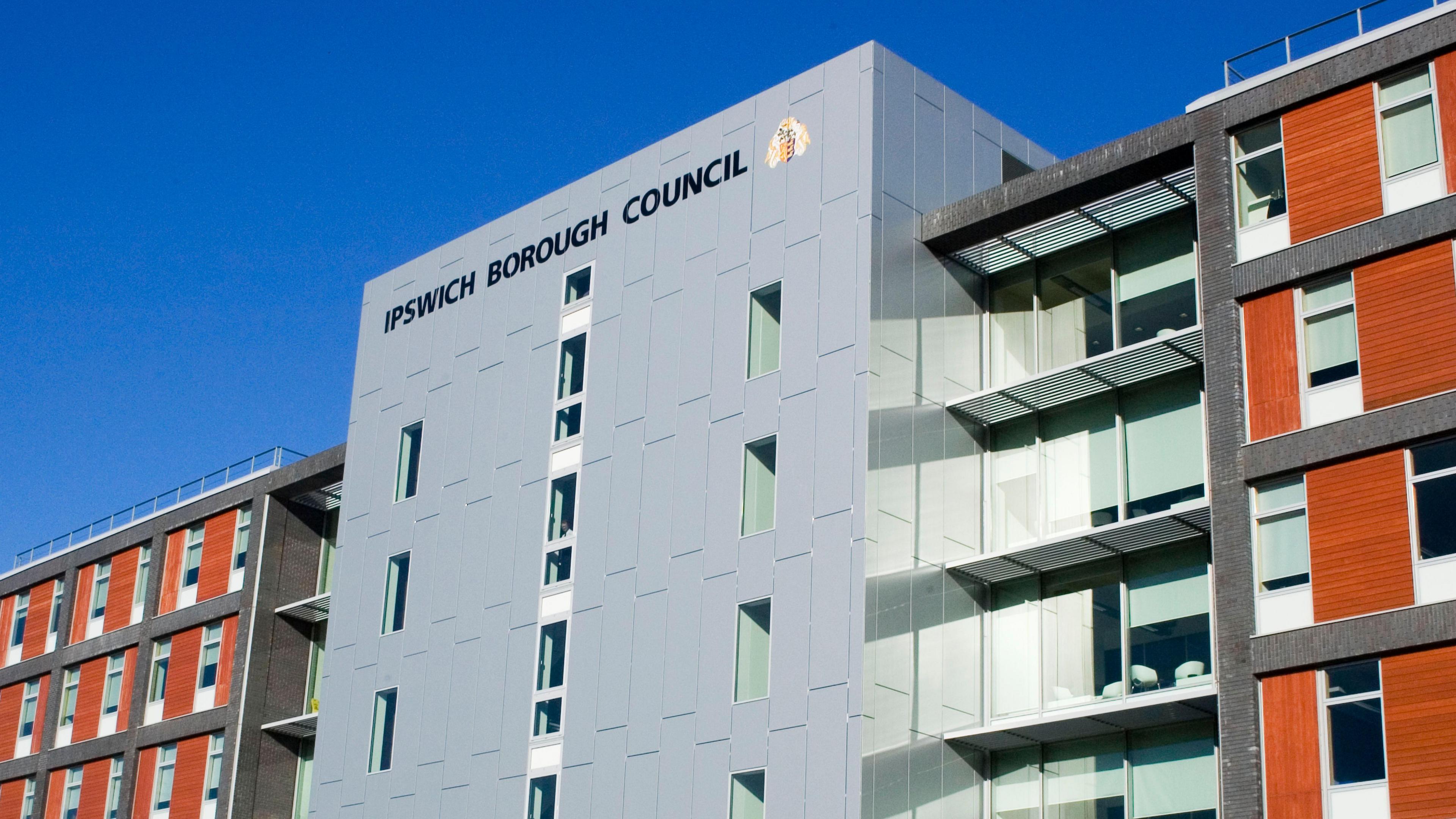
According to data from the Association of Electoral Administrators, 27 out of 63 eligible local authorities have sought to delay their elections. Among these are the county councils of East Sussex, West Sussex, and Suffolk, as well as city councils in Exeter, Preston, and Peterborough. Smaller councils, including Cheltenham, Hastings, and Ipswich, have also requested delays. The government has indicated that it will consider these requests on a case-by-case basis, with decisions expected soon.
Debate and Controversy
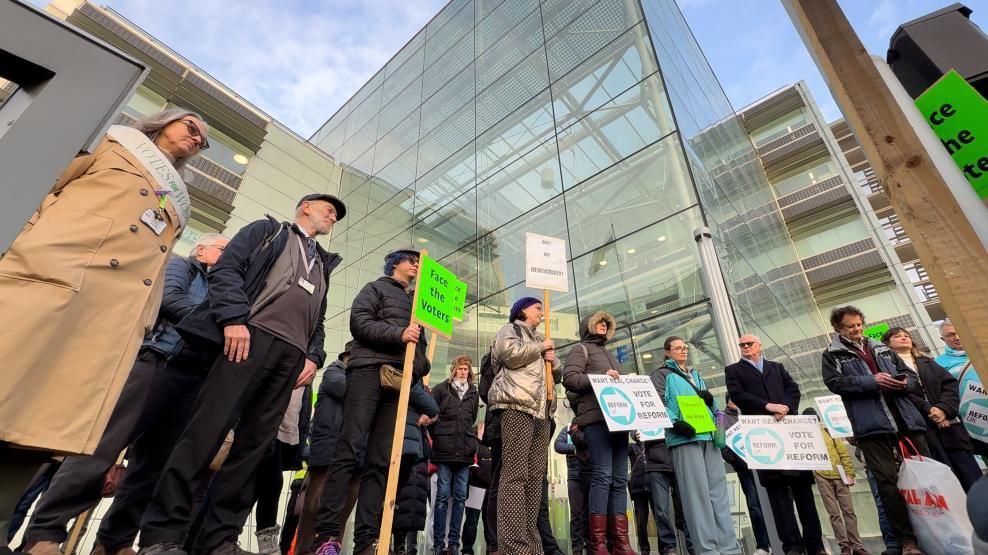
The proposed postponements have sparked intense debate and criticism. Critics argue that delaying elections undermines the democratic process by denying citizens the opportunity to vote and hold their representatives accountable. Lucy Galvin, Green Party leader in Norwich, warned that "democracy was under attack" during a heated council meeting. Meanwhile, Labour's Michael Stonard, leader of Norwich City Council, defended the move as a pragmatic response to exceptional circumstances, citing the need to focus resources on the reorganisation.
Political Reactions
The majority of councils seeking delays are Labour-led, but the issue has transcended party lines. Some Conservative and Liberal Democrat councils have also supported postponements, citing concerns over capacity and resource allocation. Local Government Secretary Steve Reed argued that running elections for "zombie" councils would divert resources from essential services. However, opposition figures, including Liberal Democrat leader Sir Ed Davey, have criticized the move, calling it a breach of democratic rights.
Implications for Councillors
If approved, the delay could extend the terms of nearly 600 councillors, including about 200 Labour councillors, who would not have to defend their seats until the reorganisation is complete. This has raised concerns about accountability and the potential for councillors to serve extended terms without a fresh mandate from voters.
WHAT THIS MIGHT MEAN
The decision to postpone elections could have significant implications for local governance and democratic accountability. If approved, the delay may set a precedent for future election postponements in times of administrative restructuring. Experts warn that while the reorganisation aims to improve efficiency, it must balance the need for democratic engagement and transparency. As the government moves forward with its plans, it will need to address public concerns and ensure that the restructuring process does not erode trust in local democratic institutions.
Images from the Web







Related Articles
UK Government to Reform Asylum Seeker Support and Employment Policies

Labour MP's Husband Arrested in UK-China Espionage Probe

UK Government Announces Major Overhaul of SEND System with £3.4 Billion Investment

UK Government Eases Deer Culling to Protect Woodlands and Farmland

UK Faces Dilemmas Amid Iran Conflict and China Spying Allegations

UK-Iran Tensions: Starmer Defends Cautious Approach Amid Trump Criticism
Councils Seek Election Delays Amidst Major Local Government Overhaul
In This Article
 Alex Carter| Published
 HIGHLIGHTS
- Over a third of eligible councils in England have requested to postpone May elections due to local government reorganisation.
- The reorganisation aims to replace the two-tier system with unitary councils, affecting over 2.5 million voters.
- Critics argue that delaying elections undermines democracy, while supporters cite resource allocation and efficiency.
- Labour-led councils predominantly seek postponements, but some Conservative and Liberal Democrat councils also support delays.
- Ministers are expected to approve postponement requests, with decisions anticipated in the coming days.
In a significant move affecting over 2.5 million voters, more than a third of eligible councils in England have requested to postpone their upcoming May elections. This decision comes as part of a broader local government reorganisation aimed at replacing the existing two-tier system of district and county councils with more streamlined unitary councils. The reorganisation, described by the government as a "once-in-a-generation" change, is intended to enhance efficiency in delivering council services such as social care.
Calls for Postponement
According to data from the Association of Electoral Administrators, 27 out of 63 eligible local authorities have sought to delay their elections. Among these are the county councils of East Sussex, West Sussex, and Suffolk, as well as city councils in Exeter, Preston, and Peterborough. Smaller councils, including Cheltenham, Hastings, and Ipswich, have also requested delays. The government has indicated that it will consider these requests on a case-by-case basis, with decisions expected soon.
Debate and Controversy
The proposed postponements have sparked intense debate and criticism. Critics argue that delaying elections undermines the democratic process by denying citizens the opportunity to vote and hold their representatives accountable. Lucy Galvin, Green Party leader in Norwich, warned that "democracy was under attack" during a heated council meeting. Meanwhile, Labour's Michael Stonard, leader of Norwich City Council, defended the move as a pragmatic response to exceptional circumstances, citing the need to focus resources on the reorganisation.
Political Reactions
The majority of councils seeking delays are Labour-led, but the issue has transcended party lines. Some Conservative and Liberal Democrat councils have also supported postponements, citing concerns over capacity and resource allocation. Local Government Secretary Steve Reed argued that running elections for "zombie" councils would divert resources from essential services. However, opposition figures, including Liberal Democrat leader Sir Ed Davey, have criticized the move, calling it a breach of democratic rights.
Implications for Councillors
If approved, the delay could extend the terms of nearly 600 councillors, including about 200 Labour councillors, who would not have to defend their seats until the reorganisation is complete. This has raised concerns about accountability and the potential for councillors to serve extended terms without a fresh mandate from voters.
WHAT THIS MIGHT MEAN
The decision to postpone elections could have significant implications for local governance and democratic accountability. If approved, the delay may set a precedent for future election postponements in times of administrative restructuring. Experts warn that while the reorganisation aims to improve efficiency, it must balance the need for democratic engagement and transparency. As the government moves forward with its plans, it will need to address public concerns and ensure that the restructuring process does not erode trust in local democratic institutions.
Images from the Web
Related Articles
UK Government to Reform Asylum Seeker Support and Employment Policies
Labour MP's Husband Arrested in UK-China Espionage Probe
UK Government Announces Major Overhaul of SEND System with £3.4 Billion Investment
UK Government Eases Deer Culling to Protect Woodlands and Farmland
UK Faces Dilemmas Amid Iran Conflict and China Spying Allegations
UK-Iran Tensions: Starmer Defends Cautious Approach Amid Trump Criticism