
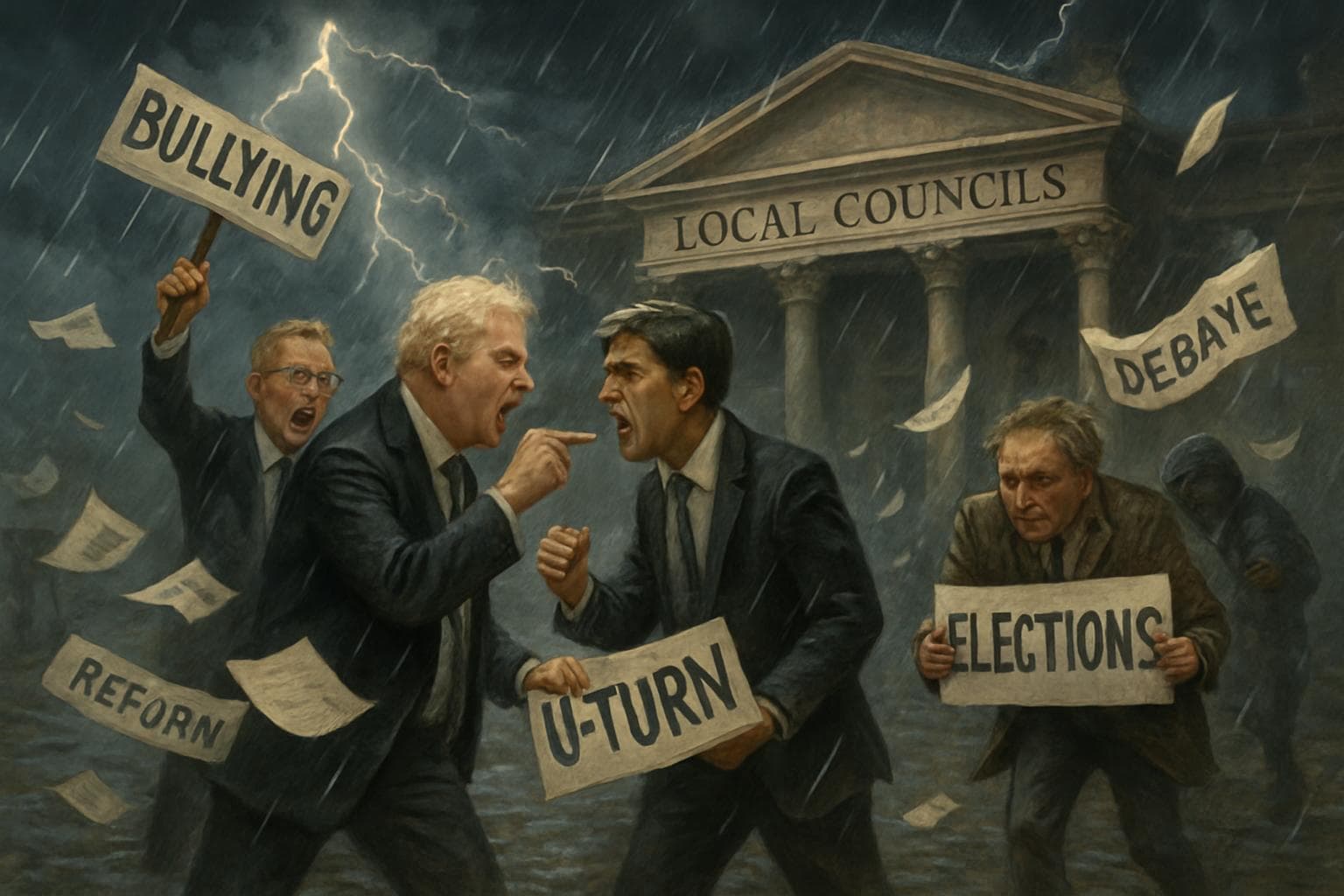
Government U-turn on Election Delays Sparks Local Council Turmoil
In This Article
HIGHLIGHTS
- Norfolk County Council leader Kay Mason Billig accused the government of bullying over election delays linked to devolution funding.
- The government reversed its decision to postpone elections after a legal challenge from Reform UK.
- Councils are now racing to organize elections by May, with concerns about the impact on local government reorganisation.
- The Ministry of Housing, Communities and Local Government denied claims that devolution was contingent on election timing.
- Reform UK leader Nigel Farage hailed the U-turn as a victory for democracy.
The UK government's decision to reverse its postponement of local elections has ignited a storm of controversy, with Norfolk County Council leader Kay Mason Billig accusing ministers of using bullying tactics. The reversal follows a legal challenge by Reform UK, which argued that the delay undermined democratic processes.
Allegations of Bullying and Broken Promises
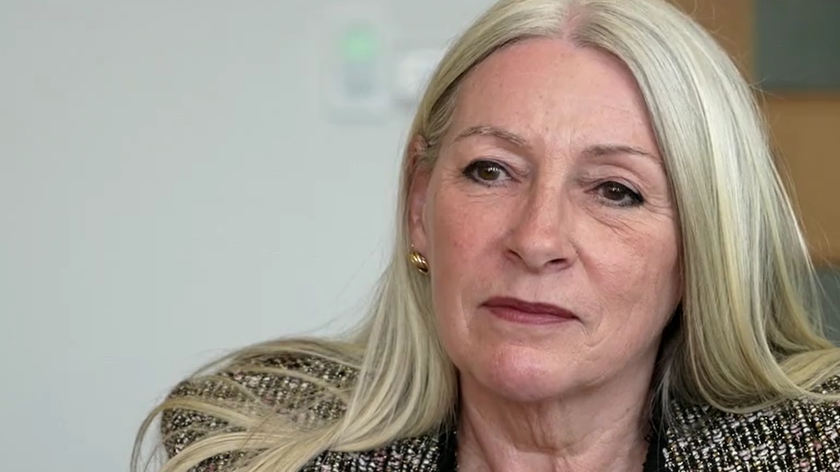
Kay Mason Billig, a Conservative councillor, has withdrawn from Norfolk's devolution deal, citing coercion by the government. She claims that Local Government Secretary Steve Reed threatened to withhold funding if she opposed the election delays. "The contract is broken," Mason Billig declared, emphasizing her council's refusal to continue with local government reorganisation (LGR) plans.
The Ministry of Housing, Communities and Local Government has dismissed these allegations as "untrue," maintaining that Norfolk's devolution status was never linked to election timing. Despite this, the accusations have fueled tensions, with other council leaders expressing skepticism about the benefits of LGR.
Councils Scramble to Organize Elections
Following the government's U-turn, councils are under pressure to arrange elections by May. This decision affects 30 authorities, including several in Sussex, where local officials warn of increased workloads due to ongoing reorganisation efforts. East Sussex County Council highlighted the "huge additional work" required to meet the new election timeline.
Liberal Democrat MP James MacCleary welcomed the decision, criticizing the government's inconsistent approach as "hokey cokey." Meanwhile, Labour leaders in affected areas expressed readiness for the elections, urging residents to support candidates committed to community improvement.
Reform UK Claims Victory
Reform UK leader Nigel Farage celebrated the government's reversal as a triumph for democracy. The party had launched a legal challenge against the postponement, arguing that it disenfranchised voters. Farage stated, "We've won. It is called democracy."
The controversy has sparked broader debates about the efficacy and timing of local government reforms, with some MPs questioning the wisdom of pursuing such complex changes during a first term.
WHAT THIS MIGHT MEAN
The government's decision to reinstate local elections could have significant implications for the future of local government reorganisation and devolution deals. With councils now racing to meet the new election timeline, there is concern about the potential disruption to planned reforms. Experts suggest that the government's handling of the situation may lead to increased scrutiny and calls for greater transparency in decision-making processes.
Politically, the U-turn may embolden opposition parties and reform advocates, potentially influencing future policy directions. As councils navigate the challenges of organizing elections and implementing reforms, the situation underscores the delicate balance between central government directives and local autonomy.
Images from the Web
Related Articles
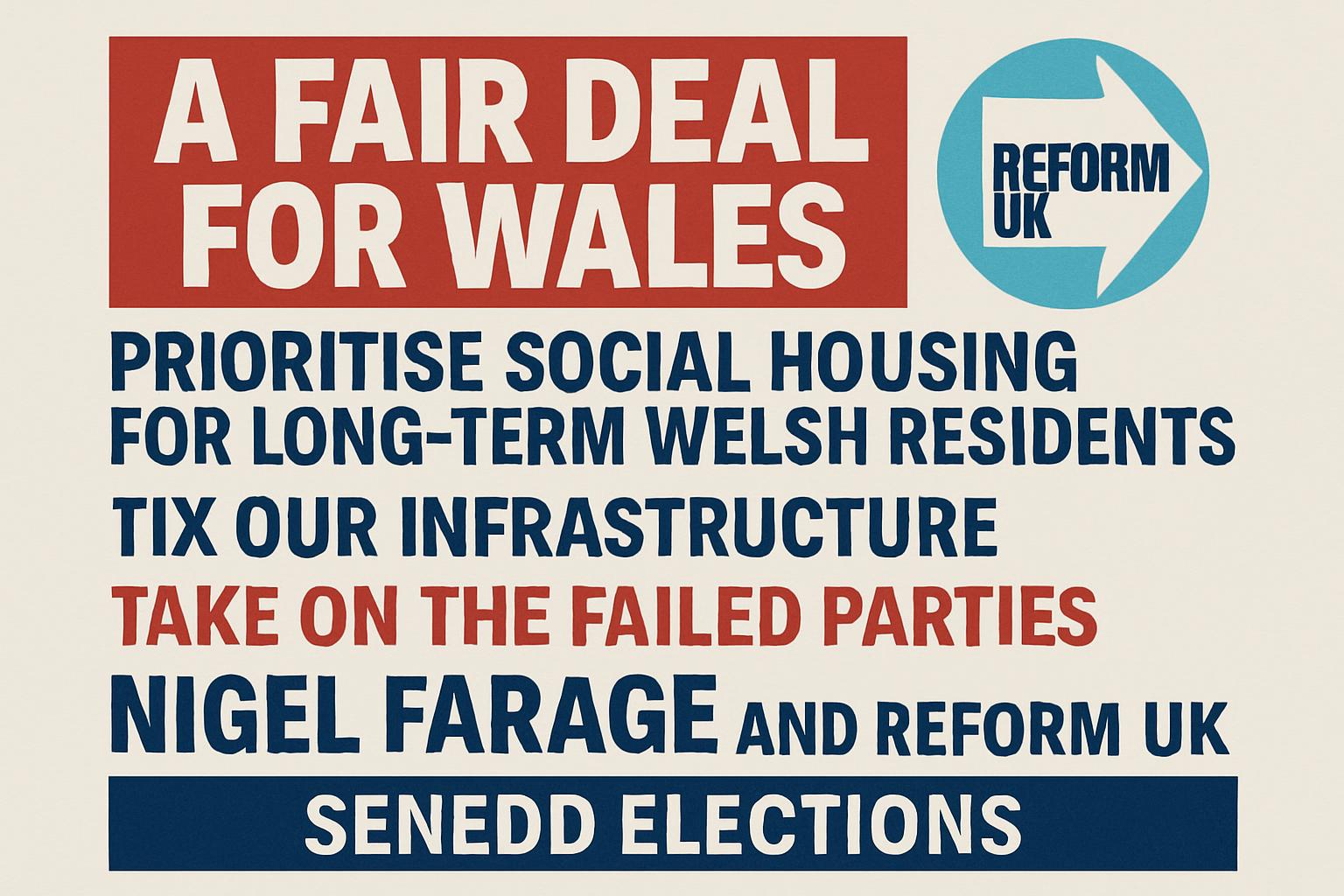
Reform UK Aims to Reshape Welsh Politics with New Manifesto
Starmer Condemns Reform UK's Plan to Repeal Equality Act as Un-British
Government Unveils Ambitious Plan to Halve Attainment Gap in England's Schools

Middle East Conflict Drives UK Energy Prices to New Highs

Government Announces £4 Billion Overhaul of SEND Support in England

UK Government Announces Major Overhaul of SEND System with £3.4 Billion Investment
Government U-turn on Election Delays Sparks Local Council Turmoil
In This Article
 Alex Carter| Published
 HIGHLIGHTS
- Norfolk County Council leader Kay Mason Billig accused the government of bullying over election delays linked to devolution funding.
- The government reversed its decision to postpone elections after a legal challenge from Reform UK.
- Councils are now racing to organize elections by May, with concerns about the impact on local government reorganisation.
- The Ministry of Housing, Communities and Local Government denied claims that devolution was contingent on election timing.
- Reform UK leader Nigel Farage hailed the U-turn as a victory for democracy.
The UK government's decision to reverse its postponement of local elections has ignited a storm of controversy, with Norfolk County Council leader Kay Mason Billig accusing ministers of using bullying tactics. The reversal follows a legal challenge by Reform UK, which argued that the delay undermined democratic processes.
Allegations of Bullying and Broken Promises
Kay Mason Billig, a Conservative councillor, has withdrawn from Norfolk's devolution deal, citing coercion by the government. She claims that Local Government Secretary Steve Reed threatened to withhold funding if she opposed the election delays. "The contract is broken," Mason Billig declared, emphasizing her council's refusal to continue with local government reorganisation (LGR) plans.
The Ministry of Housing, Communities and Local Government has dismissed these allegations as "untrue," maintaining that Norfolk's devolution status was never linked to election timing. Despite this, the accusations have fueled tensions, with other council leaders expressing skepticism about the benefits of LGR.
Councils Scramble to Organize Elections
Following the government's U-turn, councils are under pressure to arrange elections by May. This decision affects 30 authorities, including several in Sussex, where local officials warn of increased workloads due to ongoing reorganisation efforts. East Sussex County Council highlighted the "huge additional work" required to meet the new election timeline.
Liberal Democrat MP James MacCleary welcomed the decision, criticizing the government's inconsistent approach as "hokey cokey." Meanwhile, Labour leaders in affected areas expressed readiness for the elections, urging residents to support candidates committed to community improvement.
Reform UK Claims Victory
Reform UK leader Nigel Farage celebrated the government's reversal as a triumph for democracy. The party had launched a legal challenge against the postponement, arguing that it disenfranchised voters. Farage stated, "We've won. It is called democracy."
The controversy has sparked broader debates about the efficacy and timing of local government reforms, with some MPs questioning the wisdom of pursuing such complex changes during a first term.
WHAT THIS MIGHT MEAN
The government's decision to reinstate local elections could have significant implications for the future of local government reorganisation and devolution deals. With councils now racing to meet the new election timeline, there is concern about the potential disruption to planned reforms. Experts suggest that the government's handling of the situation may lead to increased scrutiny and calls for greater transparency in decision-making processes.
Politically, the U-turn may embolden opposition parties and reform advocates, potentially influencing future policy directions. As councils navigate the challenges of organizing elections and implementing reforms, the situation underscores the delicate balance between central government directives and local autonomy.
Images from the Web
Related Articles
Reform UK Aims to Reshape Welsh Politics with New Manifesto
Starmer Condemns Reform UK's Plan to Repeal Equality Act as Un-British
Government Unveils Ambitious Plan to Halve Attainment Gap in England's Schools
Middle East Conflict Drives UK Energy Prices to New Highs
Government Announces £4 Billion Overhaul of SEND Support in England
UK Government Announces Major Overhaul of SEND System with £3.4 Billion Investment