
Iron Age Settlement and Roman Villa Unearthed in Gloucestershire
In This Article
HIGHLIGHTS
- An Iron Age settlement and potential Roman villa were discovered near Willersey, Gloucestershire, following the find of two rare Roman cavalry swords.
- The swords, believed to be from the early second to third century AD, will be displayed at the Corinium Museum in Cirencester from 2 August.
- Excavations revealed Iron Age ring ditches, Roman building materials, and a burial site, providing insights into settlement patterns from the Early Iron Age to the Roman period.
- The archaeological dig, funded by Historic England and conducted with Cotswold Archaeology, uncovered significant artifacts despite challenging weather conditions.
- The discovery highlights the historical significance of the area and the potential for further archaeological insights into the Roman Conquest period.
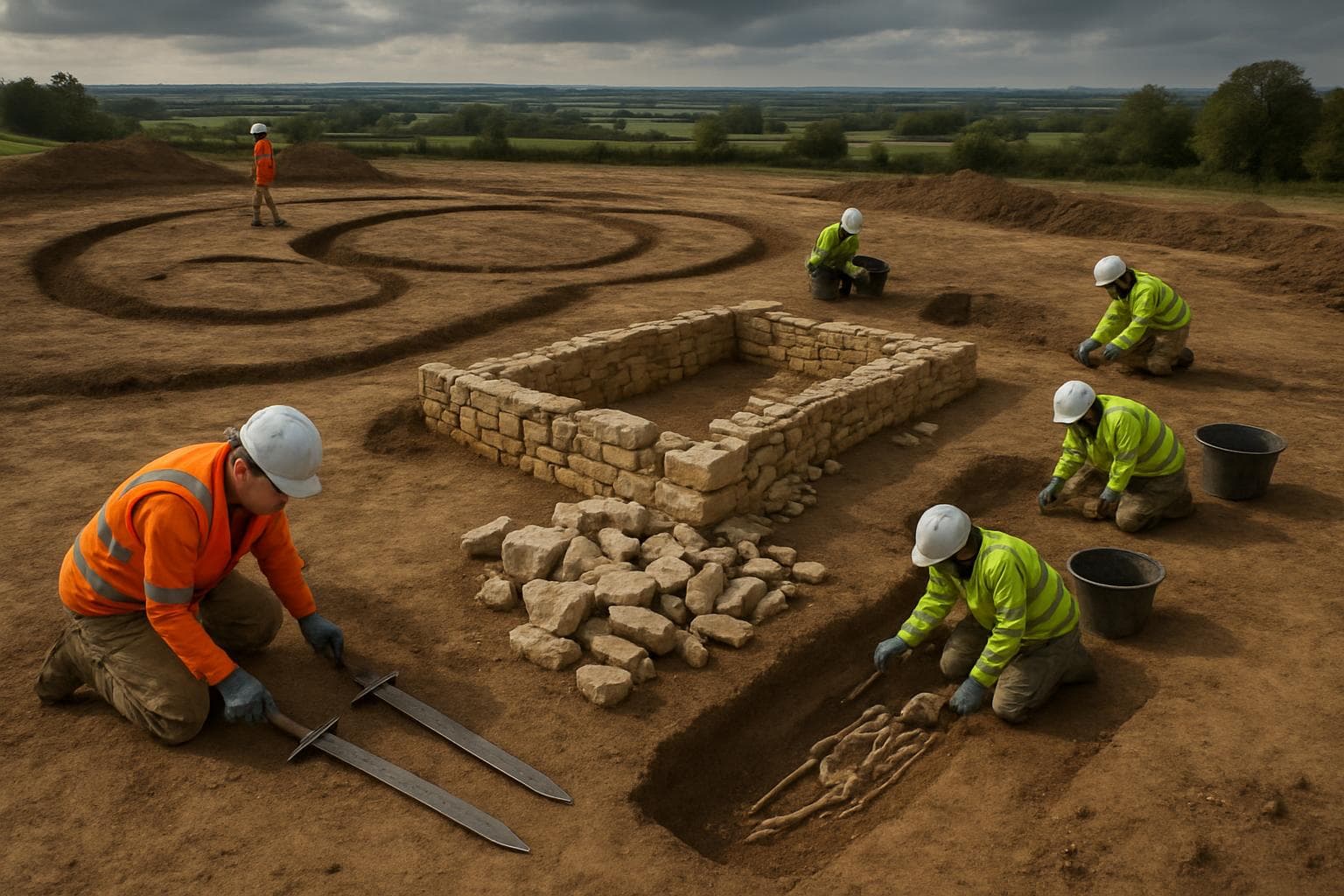
A remarkable archaeological discovery near Willersey, Gloucestershire, has unveiled an extensive Iron Age settlement and what may be the remnants of a Roman villa. This significant find was initiated by the unearthing of two rare Roman cavalry swords by a metal detectorist, Glenn Manning, during only his second expedition. The swords, which date back to the early second to third century AD, are set to be displayed at the Corinium Museum in Cirencester starting 2 August.
The excavation, conducted by Historic England in collaboration with Cotswold Archaeology, has provided valuable insights into the region's historical settlement patterns. Ian Barnes, a senior archaeologist, emphasized the importance of these findings in understanding the tumultuous period surrounding the Roman Conquest. The site revealed Iron Age ring ditches, Roman limestone building materials, and a burial site, painting a vivid picture of life from the Early Iron Age through to the Roman era.
Peter Busby, a project officer for Cotswold Archaeology, described the discovery of the swords as a stroke of luck, noting that they were found just inches below the surface and narrowly escaped destruction by farm machinery. The swords, one of which features decorative pattern welding, were examined at Historic England’s science facility in Portsmouth.
Despite challenging weather conditions during the January dig, the team uncovered Roman building materials, including ceramic roofing and painted wall plaster, suggesting the presence of a Roman villa. The excavation also revealed the remains of a person from the early to middle Iron Age, buried with an iron band on their arm, and a horse skull in a nearby pit.
This discovery not only highlights the historical significance of the Gloucestershire area but also opens the door to further archaeological exploration and understanding of the Roman Conquest period.
WHAT THIS MIGHT MEAN
The discovery of the Iron Age settlement and potential Roman villa near Willersey could lead to further archaeological investigations in the region, potentially uncovering more about the transition from the Iron Age to Roman rule in Britain. The findings may prompt additional funding and research efforts to explore other sites in Gloucestershire, enhancing our understanding of historical settlement patterns and cultural shifts.
The display of the Roman cavalry swords at the Corinium Museum is likely to attract significant public interest, potentially boosting local tourism and awareness of the area's rich archaeological heritage. As more artifacts are analyzed, historians and archaeologists may gain deeper insights into the daily lives and societal structures of ancient communities in the region.
The collaboration between Historic England and Cotswold Archaeology serves as a model for future archaeological projects, demonstrating the value of partnerships in uncovering and preserving historical treasures.
Related Articles

UK Reinforces Military Presence in Cyprus Amid Middle East Tensions

MPs Call for Immediate Ban on High-Risk Cosmetic Procedures Amid Safety Concerns
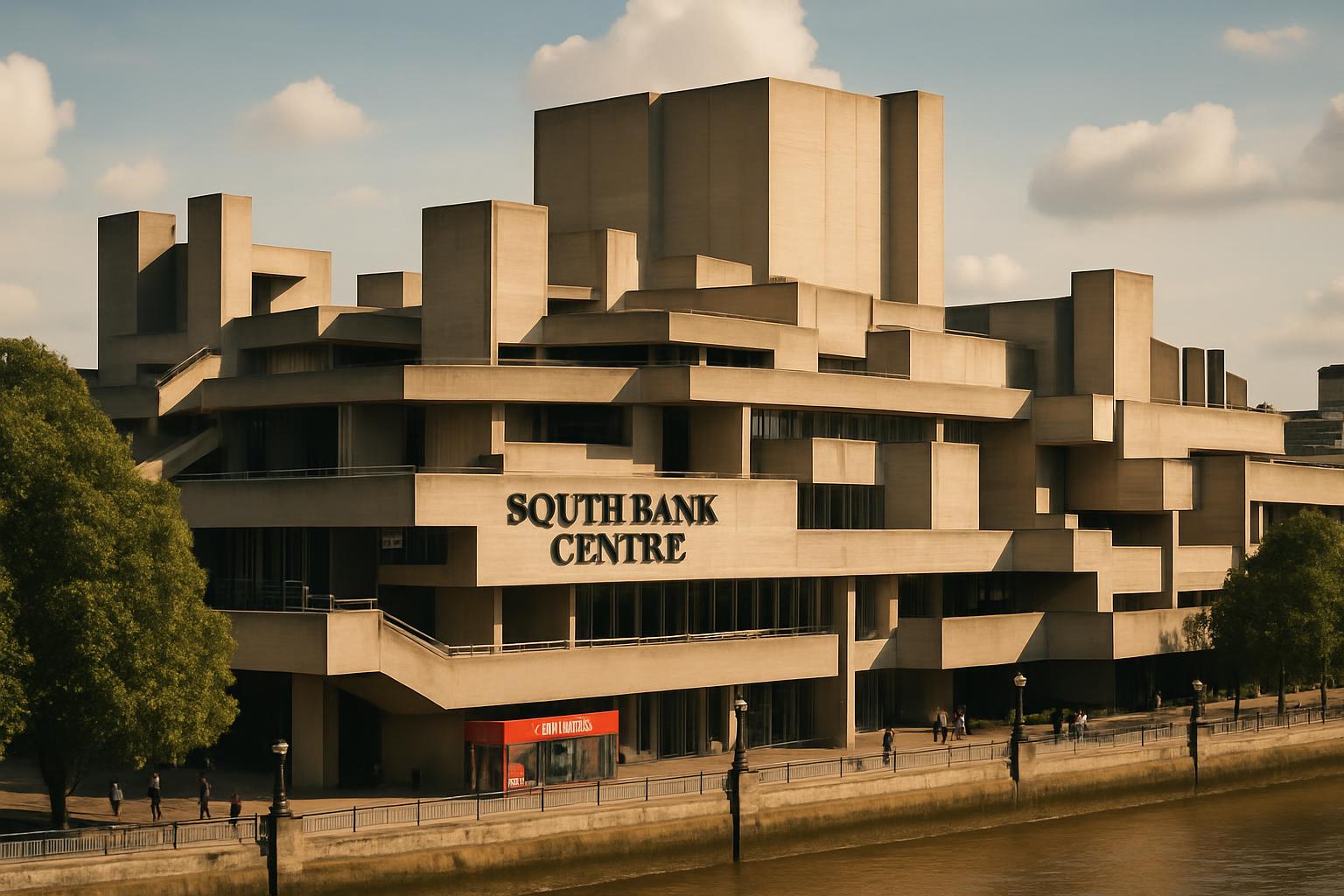
Southbank Centre Secures Grade II Listed Status, Celebrating Brutalist Heritage

Innovative Fish Protection System at Hinkley Point C Aims to Save Marine Life
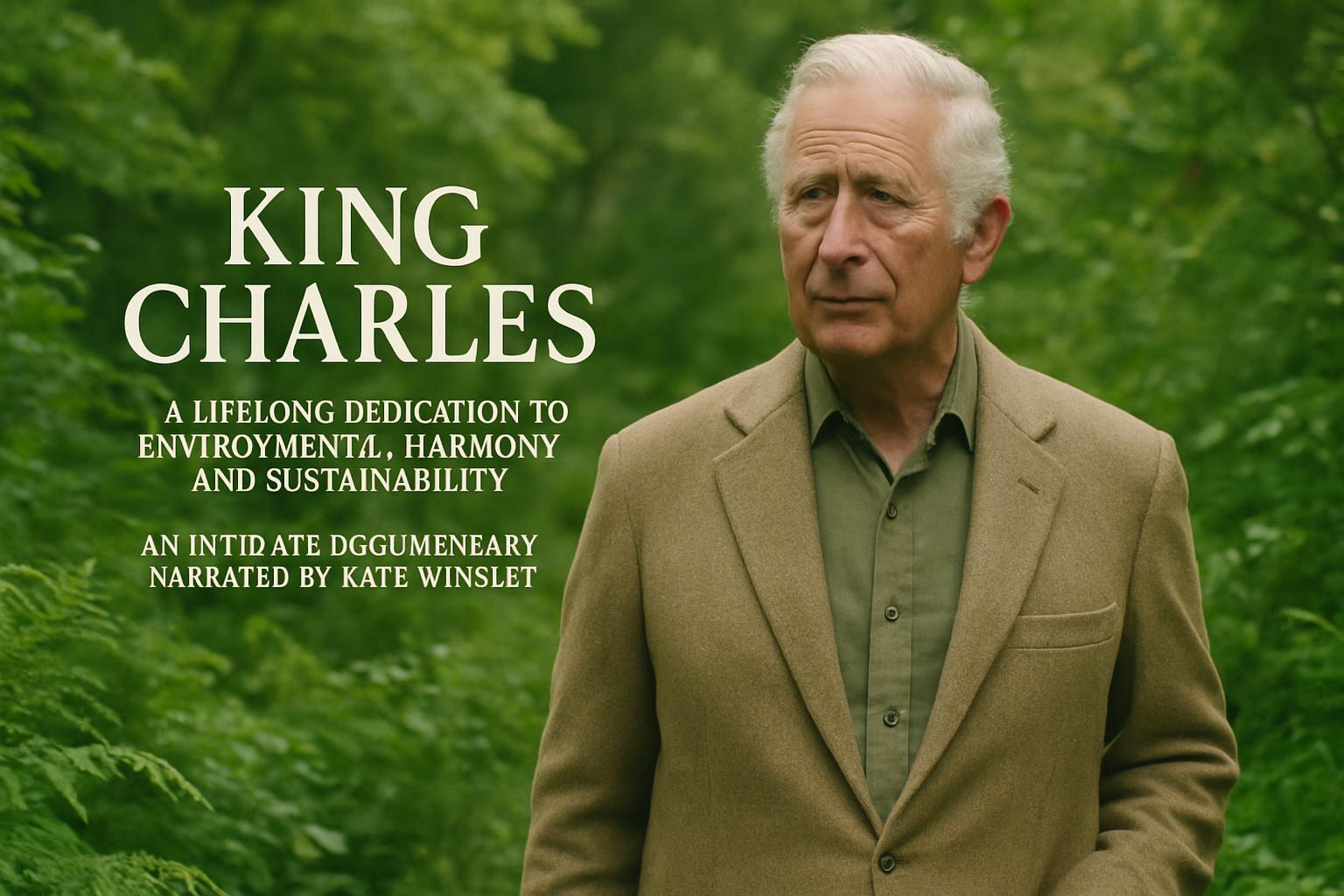
King Charles Champions Environmental Harmony in New Documentary
Tewkesbury Woman Found Guilty of Enslaving Vulnerable Victim for 25 Years
Iron Age Settlement and Roman Villa Unearthed in Gloucestershire
In This Article
 Sofia Romano| Published
 HIGHLIGHTS
- An Iron Age settlement and potential Roman villa were discovered near Willersey, Gloucestershire, following the find of two rare Roman cavalry swords.
- The swords, believed to be from the early second to third century AD, will be displayed at the Corinium Museum in Cirencester from 2 August.
- Excavations revealed Iron Age ring ditches, Roman building materials, and a burial site, providing insights into settlement patterns from the Early Iron Age to the Roman period.
- The archaeological dig, funded by Historic England and conducted with Cotswold Archaeology, uncovered significant artifacts despite challenging weather conditions.
- The discovery highlights the historical significance of the area and the potential for further archaeological insights into the Roman Conquest period.
A remarkable archaeological discovery near Willersey, Gloucestershire, has unveiled an extensive Iron Age settlement and what may be the remnants of a Roman villa. This significant find was initiated by the unearthing of two rare Roman cavalry swords by a metal detectorist, Glenn Manning, during only his second expedition. The swords, which date back to the early second to third century AD, are set to be displayed at the Corinium Museum in Cirencester starting 2 August.
The excavation, conducted by Historic England in collaboration with Cotswold Archaeology, has provided valuable insights into the region's historical settlement patterns. Ian Barnes, a senior archaeologist, emphasized the importance of these findings in understanding the tumultuous period surrounding the Roman Conquest. The site revealed Iron Age ring ditches, Roman limestone building materials, and a burial site, painting a vivid picture of life from the Early Iron Age through to the Roman era.
Peter Busby, a project officer for Cotswold Archaeology, described the discovery of the swords as a stroke of luck, noting that they were found just inches below the surface and narrowly escaped destruction by farm machinery. The swords, one of which features decorative pattern welding, were examined at Historic England’s science facility in Portsmouth.
Despite challenging weather conditions during the January dig, the team uncovered Roman building materials, including ceramic roofing and painted wall plaster, suggesting the presence of a Roman villa. The excavation also revealed the remains of a person from the early to middle Iron Age, buried with an iron band on their arm, and a horse skull in a nearby pit.
This discovery not only highlights the historical significance of the Gloucestershire area but also opens the door to further archaeological exploration and understanding of the Roman Conquest period.
WHAT THIS MIGHT MEAN
The discovery of the Iron Age settlement and potential Roman villa near Willersey could lead to further archaeological investigations in the region, potentially uncovering more about the transition from the Iron Age to Roman rule in Britain. The findings may prompt additional funding and research efforts to explore other sites in Gloucestershire, enhancing our understanding of historical settlement patterns and cultural shifts.
The display of the Roman cavalry swords at the Corinium Museum is likely to attract significant public interest, potentially boosting local tourism and awareness of the area's rich archaeological heritage. As more artifacts are analyzed, historians and archaeologists may gain deeper insights into the daily lives and societal structures of ancient communities in the region.
The collaboration between Historic England and Cotswold Archaeology serves as a model for future archaeological projects, demonstrating the value of partnerships in uncovering and preserving historical treasures.
Related Articles
UK Reinforces Military Presence in Cyprus Amid Middle East Tensions
MPs Call for Immediate Ban on High-Risk Cosmetic Procedures Amid Safety Concerns
Southbank Centre Secures Grade II Listed Status, Celebrating Brutalist Heritage
Innovative Fish Protection System at Hinkley Point C Aims to Save Marine Life
King Charles Champions Environmental Harmony in New Documentary
Tewkesbury Woman Found Guilty of Enslaving Vulnerable Victim for 25 Years