
ITV and Sky in Talks for Major Broadcasting Deal Amid Industry Shifts
In This Article
HIGHLIGHTS
- ITV is in preliminary talks to sell its Media and Entertainment division to Sky, owned by Comcast, for approximately £1.6bn to £2bn.
- The potential deal excludes ITV Studios, known for producing popular shows like Love Island and I'm a Celebrity.
- ITV's advertising revenue is projected to drop by 9% in the last quarter of 2025, amid economic uncertainty and anticipated tax increases.
- Media analyst Ian Whittaker suggests the merger could dominate over 70% of the UK TV advertising market, raising regulatory concerns.
- ITV's market value has significantly decreased, reflecting the broader impact of streaming services on traditional broadcasters.
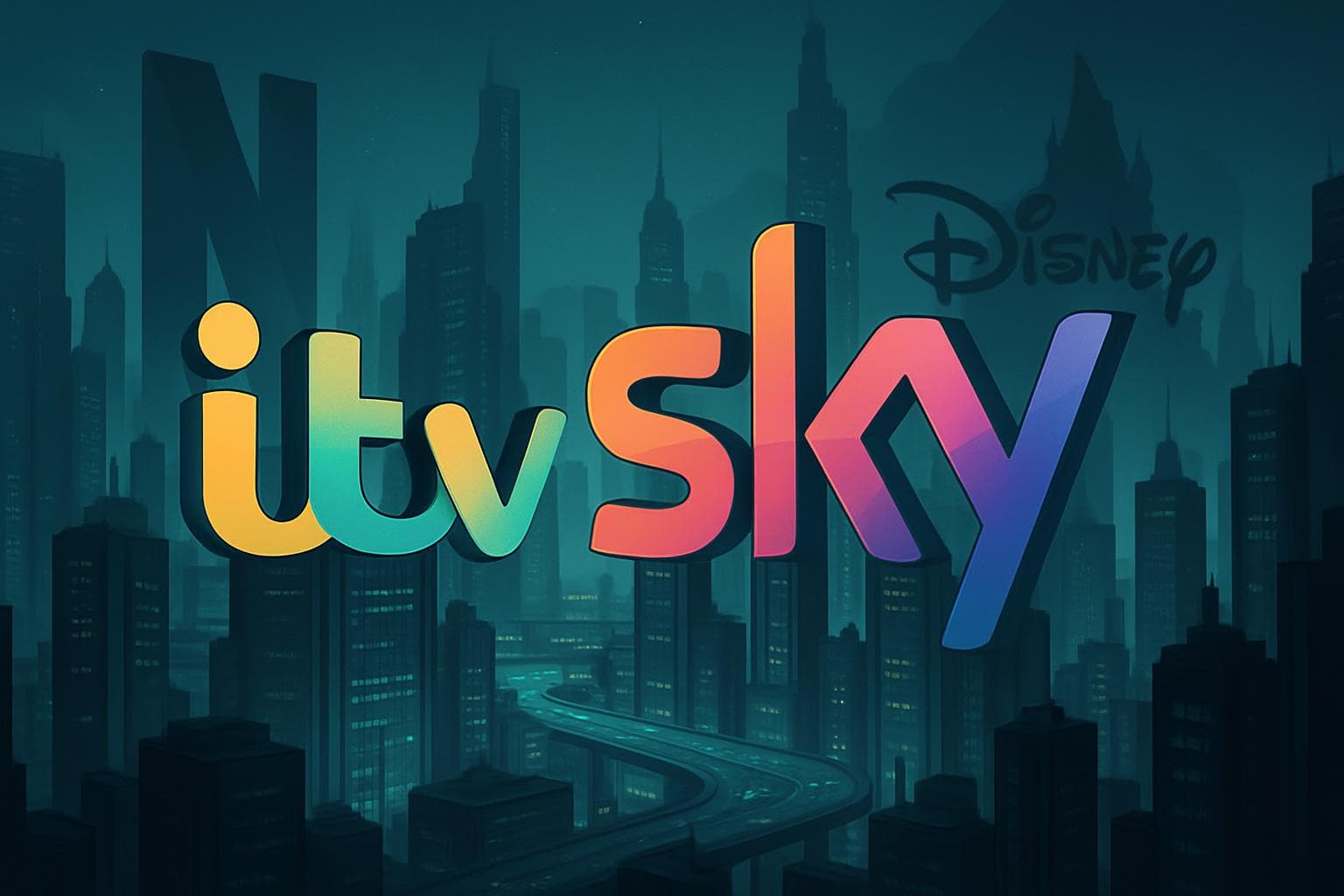
ITV is reportedly in preliminary discussions to sell its Media and Entertainment division to Sky, a move that could reshape the British television landscape. The proposed deal, valued between £1.6bn and £2bn, would transfer ITV's TV channels and streaming service, ITVX, to Sky, which is owned by the US media giant Comcast. However, ITV Studios, the production arm behind hit shows like Love Island and I'm a Celebrity, is not part of the negotiations.
Industry Challenges and Strategic Moves
The potential merger comes as traditional broadcasters face mounting pressure from streaming giants such as Netflix and Disney+. ITV has announced a forecasted 9% decline in advertising revenue for the final quarter of 2025, attributing this to economic uncertainties and anticipated tax hikes. In response, ITV plans to temporarily cut £35m from its budgets.
Media analyst Ian Whittaker highlighted that a combined ITV and Sky could control over 70% of the UK TV advertising market, a dominance that might typically attract regulatory scrutiny. However, given the evolving media landscape, such a merger might be viewed as a strategic necessity rather than a monopolistic threat.
Historical Context and Market Dynamics
Comcast, which acquired Sky for £30bn in 2018, is a significant player in the global media industry, owning assets like Universal Studios and NBCUniversal. The acquisition talks occur against a backdrop of ITV's declining market value, now at £2.5bn, a stark contrast to its valuation a decade ago. This decline mirrors the broader challenges faced by traditional broadcasters in the streaming era.
ITV's largest shareholder, Liberty Global, recently reduced its stake, reflecting the shifting dynamics within the industry. Meanwhile, Sky's profitability remains robust, bolstered by its control over key assets like Premier League broadcasting rights.
WHAT THIS MIGHT MEAN
If the deal proceeds, it could lead to significant consolidation in the UK television market, potentially altering the competitive landscape. Regulatory bodies may scrutinize the merger due to its potential impact on advertising market share. However, the transaction could also be seen as a strategic adaptation to the challenges posed by streaming services.
Experts suggest that the exclusion of ITV Studios from the deal underscores the production arm's value and potential for separate growth or acquisition opportunities. As the media industry continues to evolve, traditional broadcasters may increasingly seek alliances to bolster their competitive edge against digital streaming platforms.
Related Articles
Netflix's $72 Billion Acquisition of Warner Bros: A New Era for Streaming

Golden Globes 2026: Celebrating Excellence in Film and Television
Warner Bros Discovery Urges Rejection of Paramount's $108bn Takeover Bid
Trump Raises Concerns Over Netflix's $72 Billion Warner Bros Acquisition
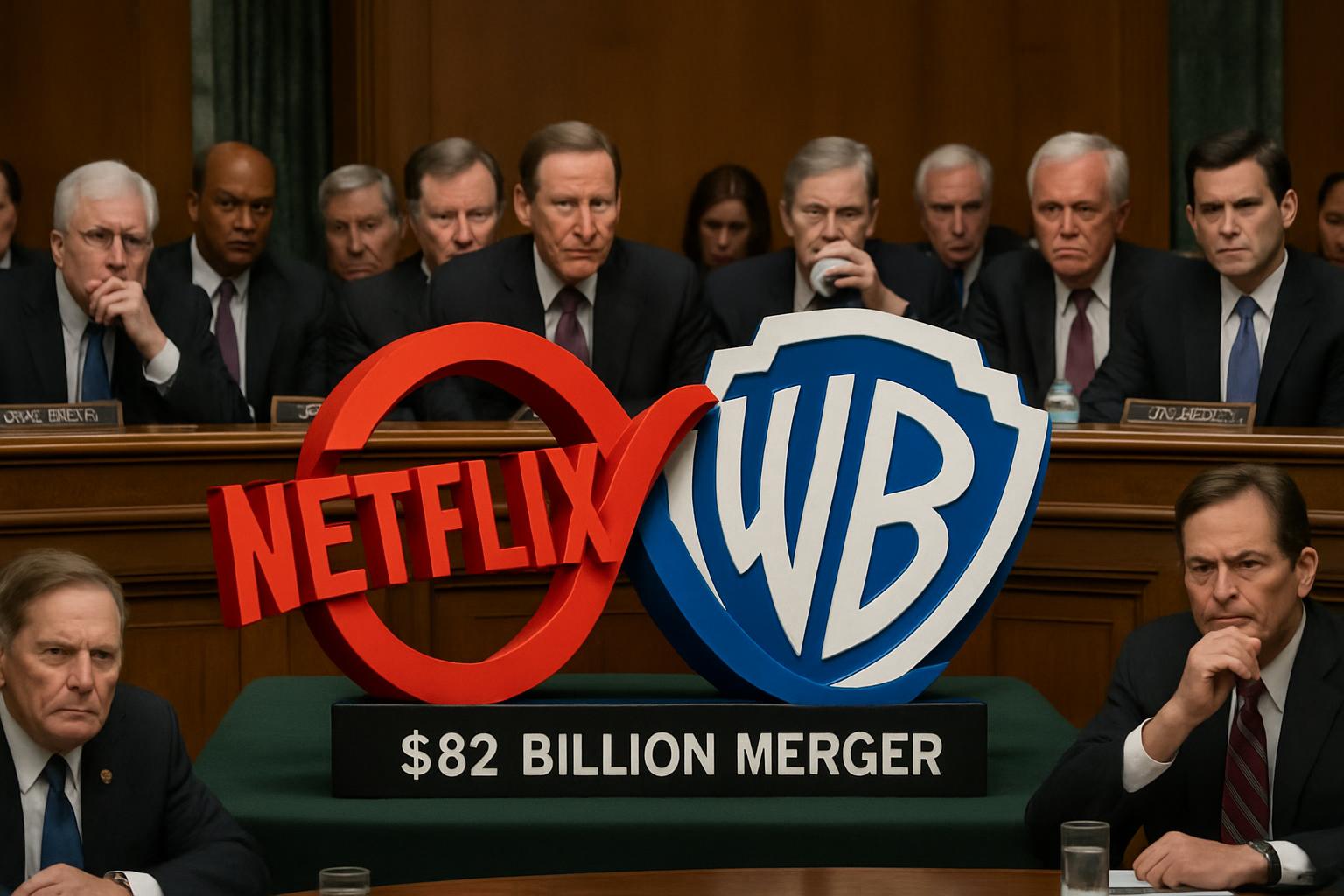
Netflix Faces Senate Scrutiny Over Warner Bros Discovery Merger

Golden Globe Nominations: 'One Battle After Another' Leads with Nine Nods
ITV and Sky in Talks for Major Broadcasting Deal Amid Industry Shifts
In This Article
 Marcus Blake| Published
 HIGHLIGHTS
- ITV is in preliminary talks to sell its Media and Entertainment division to Sky, owned by Comcast, for approximately £1.6bn to £2bn.
- The potential deal excludes ITV Studios, known for producing popular shows like Love Island and I'm a Celebrity.
- ITV's advertising revenue is projected to drop by 9% in the last quarter of 2025, amid economic uncertainty and anticipated tax increases.
- Media analyst Ian Whittaker suggests the merger could dominate over 70% of the UK TV advertising market, raising regulatory concerns.
- ITV's market value has significantly decreased, reflecting the broader impact of streaming services on traditional broadcasters.
ITV is reportedly in preliminary discussions to sell its Media and Entertainment division to Sky, a move that could reshape the British television landscape. The proposed deal, valued between £1.6bn and £2bn, would transfer ITV's TV channels and streaming service, ITVX, to Sky, which is owned by the US media giant Comcast. However, ITV Studios, the production arm behind hit shows like Love Island and I'm a Celebrity, is not part of the negotiations.
Industry Challenges and Strategic Moves
The potential merger comes as traditional broadcasters face mounting pressure from streaming giants such as Netflix and Disney+. ITV has announced a forecasted 9% decline in advertising revenue for the final quarter of 2025, attributing this to economic uncertainties and anticipated tax hikes. In response, ITV plans to temporarily cut £35m from its budgets.
Media analyst Ian Whittaker highlighted that a combined ITV and Sky could control over 70% of the UK TV advertising market, a dominance that might typically attract regulatory scrutiny. However, given the evolving media landscape, such a merger might be viewed as a strategic necessity rather than a monopolistic threat.
Historical Context and Market Dynamics
Comcast, which acquired Sky for £30bn in 2018, is a significant player in the global media industry, owning assets like Universal Studios and NBCUniversal. The acquisition talks occur against a backdrop of ITV's declining market value, now at £2.5bn, a stark contrast to its valuation a decade ago. This decline mirrors the broader challenges faced by traditional broadcasters in the streaming era.
ITV's largest shareholder, Liberty Global, recently reduced its stake, reflecting the shifting dynamics within the industry. Meanwhile, Sky's profitability remains robust, bolstered by its control over key assets like Premier League broadcasting rights.
WHAT THIS MIGHT MEAN
If the deal proceeds, it could lead to significant consolidation in the UK television market, potentially altering the competitive landscape. Regulatory bodies may scrutinize the merger due to its potential impact on advertising market share. However, the transaction could also be seen as a strategic adaptation to the challenges posed by streaming services.
Experts suggest that the exclusion of ITV Studios from the deal underscores the production arm's value and potential for separate growth or acquisition opportunities. As the media industry continues to evolve, traditional broadcasters may increasingly seek alliances to bolster their competitive edge against digital streaming platforms.
Related Articles
Netflix's $72 Billion Acquisition of Warner Bros: A New Era for Streaming
Golden Globes 2026: Celebrating Excellence in Film and Television
Warner Bros Discovery Urges Rejection of Paramount's $108bn Takeover Bid
Trump Raises Concerns Over Netflix's $72 Billion Warner Bros Acquisition
Netflix Faces Senate Scrutiny Over Warner Bros Discovery Merger
Golden Globe Nominations: 'One Battle After Another' Leads with Nine Nods