
Netflix Faces Senate Scrutiny Over Warner Bros Discovery Merger

In This Article
HIGHLIGHTS
- Netflix's $82bn bid to acquire Warner Bros Discovery faces scrutiny from the US Senate antitrust subcommittee.
- Concerns include reduced competition, potential price hikes, and impacts on the entertainment workforce and cinemas.
- Paramount Skydance is also vying for Warner Bros with a $108bn offer, arguing their bid is superior.
- Netflix co-CEO Ted Sarandos defended the merger, promising no layoffs and maintaining current operations.
- The merger is under review by the Department of Justice, which will decide its fate.
Netflix's proposed $82 billion acquisition of Warner Bros Discovery has come under intense scrutiny from the US Senate antitrust subcommittee. The hearing, held on Tuesday, saw bipartisan concerns raised about the merger's potential to stifle competition, increase consumer prices, and affect the entertainment industry workforce.
Concerns Over Competition and Pricing
The merger, which would see Netflix take control of Warner Bros' film and television studios, including the HBO Max streaming service, is currently under review by the Department of Justice (DoJ). Senators from both parties expressed apprehension about the deal's impact on competition and the possibility of price hikes for consumers. Republican Senator Mike Lee highlighted the risk of consolidating two major employers, which could weaken competition in the labor market.
Paramount's Competing Bid
While Netflix defends its proposal, Paramount Skydance continues to push a competing $108 billion offer for Warner Bros. Paramount, backed by the billionaire Ellison family, argues that their bid is superior. However, Paramount's CEO David Ellison was notably absent from the hearing, a point of frustration for some senators, including Democrat Cory Booker.
Netflix's Defense and Cultural Criticism
Netflix co-CEO Ted Sarandos assured the subcommittee that the merger would not lead to layoffs and that Warner Bros would continue to operate as it currently does. He emphasized that the merger would provide consumers with more content for less money. However, Sarandos faced criticism from Republican senators over Netflix's content, which they described as "overwhelmingly woke." Sarandos refuted these claims, stating that Netflix offers a wide variety of programming without a political agenda.
The Role of the Department of Justice
The ultimate decision on the merger rests with the DoJ, which will determine whether to approve or block the deal. The hearing also touched on whether Alphabet's YouTube is a significant competitor to Netflix, with Sarandos arguing that they compete for the same content and viewers.
WHAT THIS MIGHT MEAN
The outcome of the Netflix-Warner Bros merger remains uncertain as the Department of Justice reviews the proposal. If approved, the merger could reshape the streaming landscape, potentially leading to further consolidation in the entertainment industry. However, if blocked, Netflix may need to explore alternative strategies to maintain its competitive edge. The ongoing debate over content and cultural influence highlights the broader societal implications of media mergers, which could influence future regulatory approaches. As the situation unfolds, industry stakeholders and consumers alike will be closely watching the DoJ's decision.
Related Articles
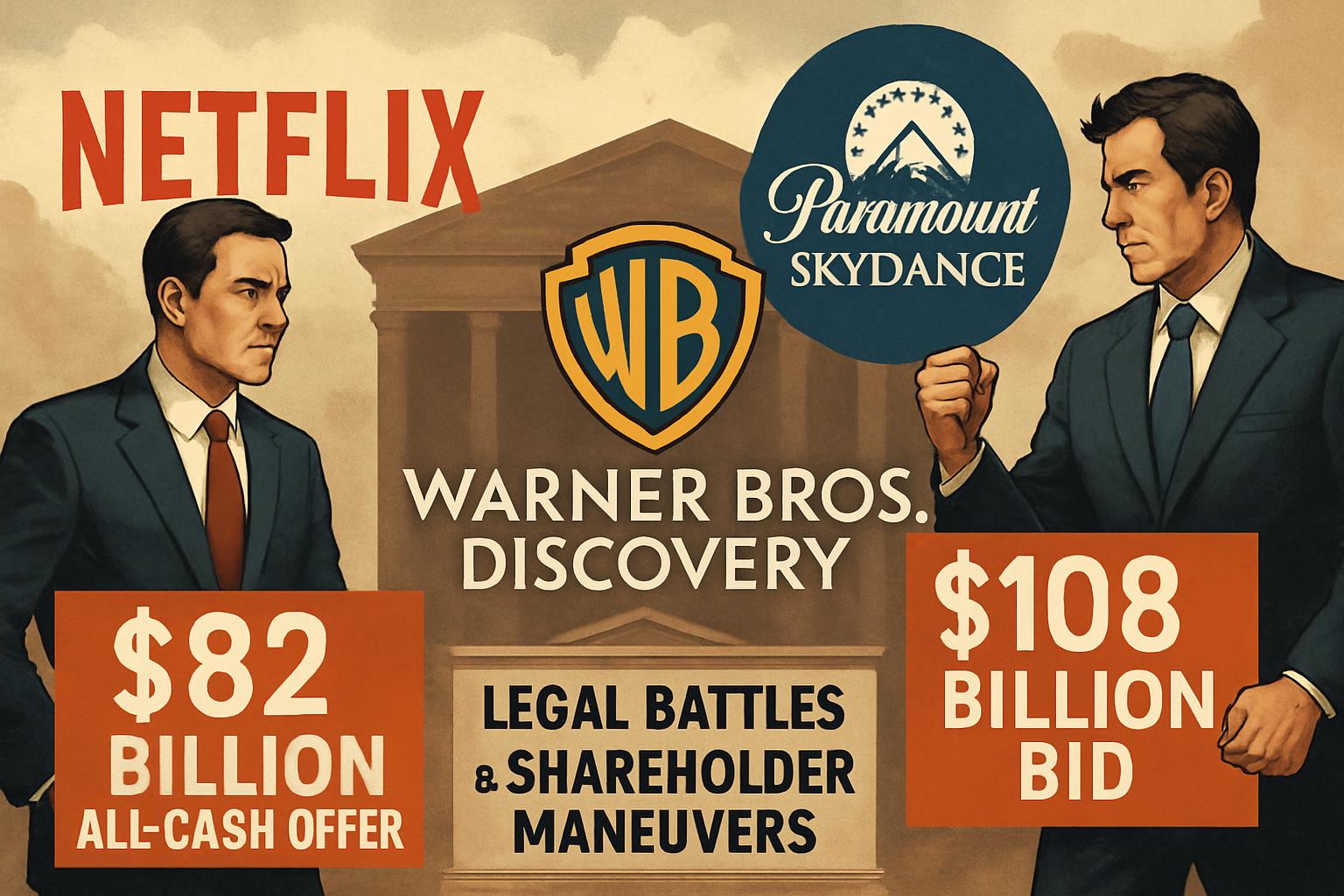
Netflix Strengthens Warner Bros Bid with All-Cash Offer Amid Paramount Rivalry
Congress Subpoenas Attorney General Bondi in Epstein Investigation
Clintons to Testify as Epstein Files Spark Allegations of Cover-Up
Trump Administration Sues Harvard Over Alleged Non-Compliance in Admissions Investigation
Lawmakers Demand Transparency in Epstein Files Amid Redaction Controversy
Epstein Survivors Demand Full Disclosure of Files Amid DOJ Scrutiny
Netflix Faces Senate Scrutiny Over Warner Bros Discovery Merger
In This Article
 Daniel Rivera| Published
 HIGHLIGHTS
- Netflix's $82bn bid to acquire Warner Bros Discovery faces scrutiny from the US Senate antitrust subcommittee.
- Concerns include reduced competition, potential price hikes, and impacts on the entertainment workforce and cinemas.
- Paramount Skydance is also vying for Warner Bros with a $108bn offer, arguing their bid is superior.
- Netflix co-CEO Ted Sarandos defended the merger, promising no layoffs and maintaining current operations.
- The merger is under review by the Department of Justice, which will decide its fate.
Netflix's proposed $82 billion acquisition of Warner Bros Discovery has come under intense scrutiny from the US Senate antitrust subcommittee. The hearing, held on Tuesday, saw bipartisan concerns raised about the merger's potential to stifle competition, increase consumer prices, and affect the entertainment industry workforce.
Concerns Over Competition and Pricing
The merger, which would see Netflix take control of Warner Bros' film and television studios, including the HBO Max streaming service, is currently under review by the Department of Justice (DoJ). Senators from both parties expressed apprehension about the deal's impact on competition and the possibility of price hikes for consumers. Republican Senator Mike Lee highlighted the risk of consolidating two major employers, which could weaken competition in the labor market.
Paramount's Competing Bid
While Netflix defends its proposal, Paramount Skydance continues to push a competing $108 billion offer for Warner Bros. Paramount, backed by the billionaire Ellison family, argues that their bid is superior. However, Paramount's CEO David Ellison was notably absent from the hearing, a point of frustration for some senators, including Democrat Cory Booker.
Netflix's Defense and Cultural Criticism
Netflix co-CEO Ted Sarandos assured the subcommittee that the merger would not lead to layoffs and that Warner Bros would continue to operate as it currently does. He emphasized that the merger would provide consumers with more content for less money. However, Sarandos faced criticism from Republican senators over Netflix's content, which they described as "overwhelmingly woke." Sarandos refuted these claims, stating that Netflix offers a wide variety of programming without a political agenda.
The Role of the Department of Justice
The ultimate decision on the merger rests with the DoJ, which will determine whether to approve or block the deal. The hearing also touched on whether Alphabet's YouTube is a significant competitor to Netflix, with Sarandos arguing that they compete for the same content and viewers.
WHAT THIS MIGHT MEAN
The outcome of the Netflix-Warner Bros merger remains uncertain as the Department of Justice reviews the proposal. If approved, the merger could reshape the streaming landscape, potentially leading to further consolidation in the entertainment industry. However, if blocked, Netflix may need to explore alternative strategies to maintain its competitive edge. The ongoing debate over content and cultural influence highlights the broader societal implications of media mergers, which could influence future regulatory approaches. As the situation unfolds, industry stakeholders and consumers alike will be closely watching the DoJ's decision.
Related Articles
Netflix Strengthens Warner Bros Bid with All-Cash Offer Amid Paramount Rivalry
Congress Subpoenas Attorney General Bondi in Epstein Investigation
Clintons to Testify as Epstein Files Spark Allegations of Cover-Up
Trump Administration Sues Harvard Over Alleged Non-Compliance in Admissions Investigation
Lawmakers Demand Transparency in Epstein Files Amid Redaction Controversy
Epstein Survivors Demand Full Disclosure of Files Amid DOJ Scrutiny