
Netflix Strengthens Warner Bros Bid with All-Cash Offer Amid Paramount Rivalry

In This Article
HIGHLIGHTS
- Netflix has revised its bid for Warner Bros Discovery to an all-cash offer, maintaining the $82 billion valuation.
- Paramount Skydance continues its hostile bid with a $108 billion offer, challenging Netflix's proposal.
- Warner Bros shareholders will receive shares in spun-off entities like CNN, separate from the Netflix acquisition.
- Netflix's move aims to expedite shareholder approval, with a vote anticipated as early as April.
- Paramount is attempting to influence Warner Bros' board decisions through a proxy fight and legal actions.
Netflix has intensified its pursuit of Warner Bros Discovery by converting its bid into an all-cash offer, valued at approximately $82 billion. This strategic move aims to streamline the acquisition process and fend off a competing bid from Paramount Skydance, which has proposed a $108 billion offer. The revised proposal maintains the original valuation of $27.75 per share, offering Warner Bros shareholders greater financial certainty and accelerating the timeline for a shareholder vote, potentially as early as April.
Paramount's Hostile Bid
Paramount Skydance, backed by tech billionaire Larry Ellison, has not relented in its efforts to acquire Warner Bros. Despite being repeatedly rebuffed, Paramount has launched a legal challenge, seeking disclosure of financial details related to Netflix's offer. A Delaware court recently dismissed Paramount's lawsuit, but the company remains determined, planning to nominate directors to Warner Bros' board in an attempt to derail the Netflix deal.
Shareholder Implications
Under the terms of the Netflix offer, Warner Bros shareholders will receive shares in the company's global networks, including CNN and the Discovery Channel, which are set to be spun off as a separate entity. This separation is not part of Netflix's acquisition, which focuses on Warner Bros' prized assets such as the Harry Potter and Game of Thrones franchises, as well as the streaming service HBO Max.
Industry Impact
The potential consolidation of Warner Bros under Netflix has sparked criticism, with concerns about the concentration of power within the entertainment industry. Despite these concerns, Netflix's co-chief executive, Ted Sarandos, expressed confidence in the deal, highlighting its strategic benefits and the complementary nature of the two companies' businesses. Netflix has already initiated the regulatory process, anticipating government approval.
WHAT THIS MIGHT MEAN
The unfolding battle between Netflix and Paramount Skydance for Warner Bros Discovery could significantly reshape the streaming and entertainment landscape. If Netflix succeeds, it would gain control over a vast library of content, enhancing its competitive edge in the streaming wars. However, Paramount's aggressive tactics, including a proxy fight, could sway Warner Bros shareholders and complicate Netflix's plans.
Should Paramount manage to influence Warner Bros' board, it could lead to a prolonged and contentious struggle, potentially delaying the acquisition process. The outcome of this corporate showdown will likely have far-reaching implications for the entertainment industry, affecting content distribution, consumer choices, and the strategic direction of major media companies.
Related Articles
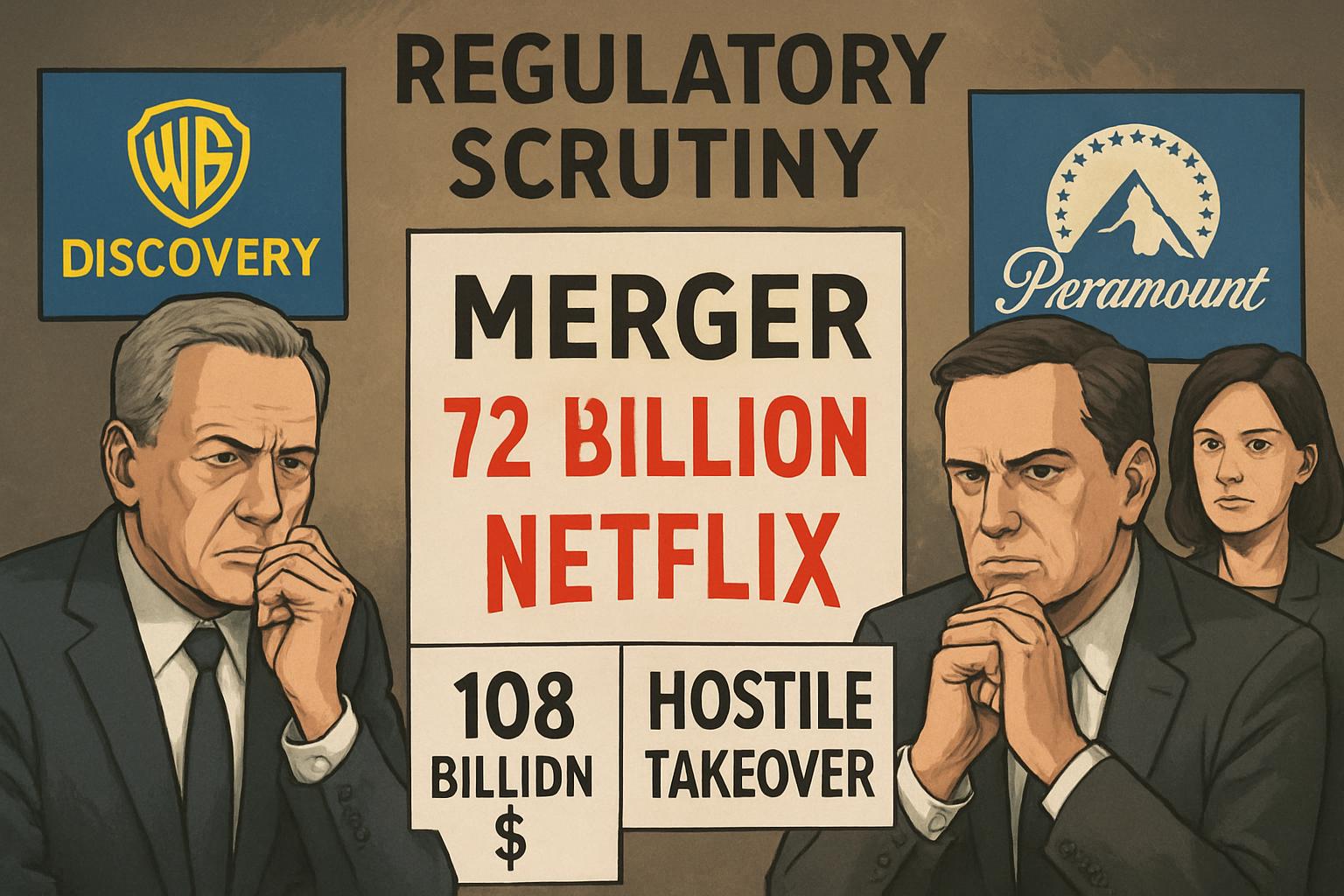
Warner Bros Discovery Rebuffs Paramount's $108bn Takeover Bid in Favor of Netflix Deal
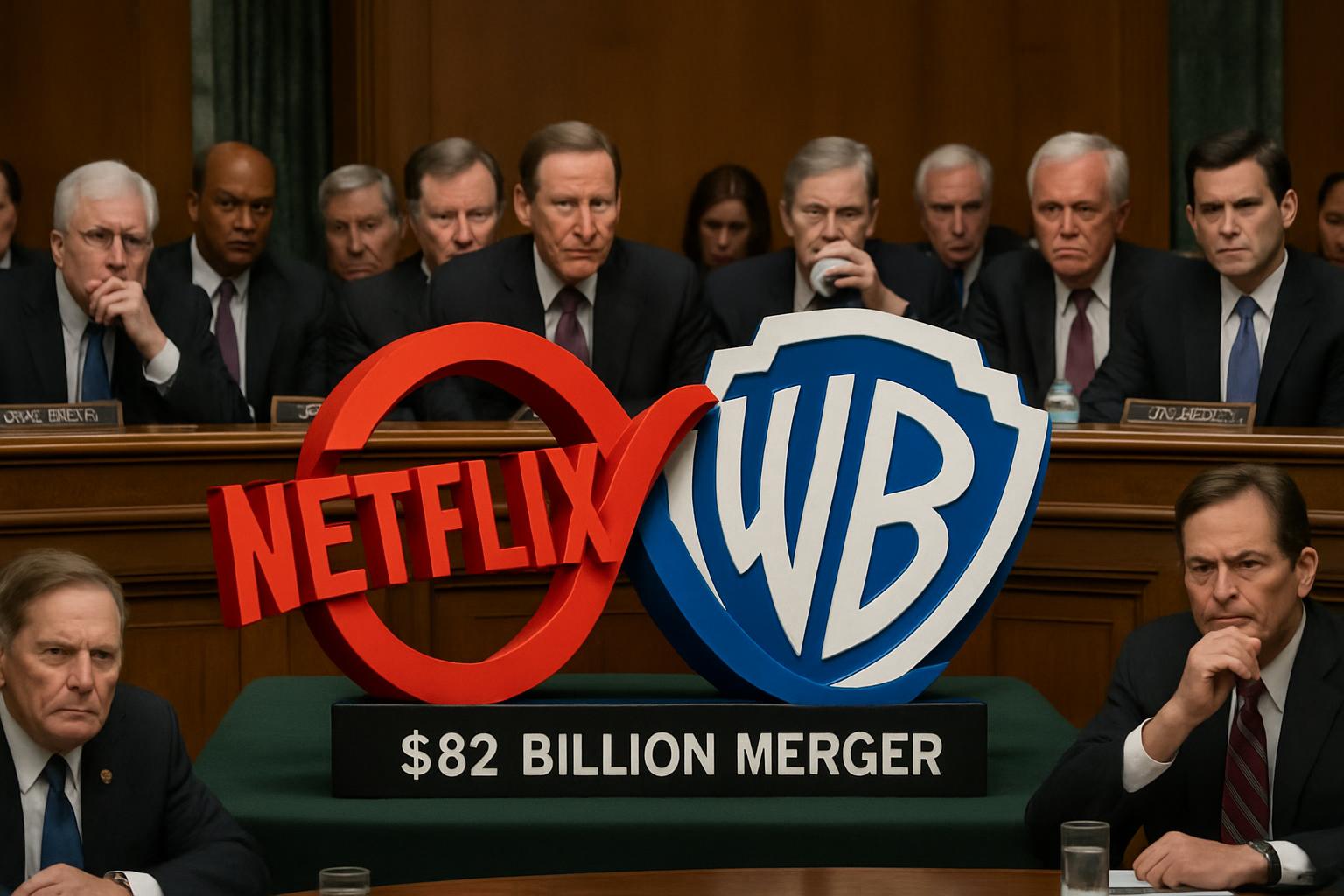
Netflix Faces Senate Scrutiny Over Warner Bros Discovery Merger
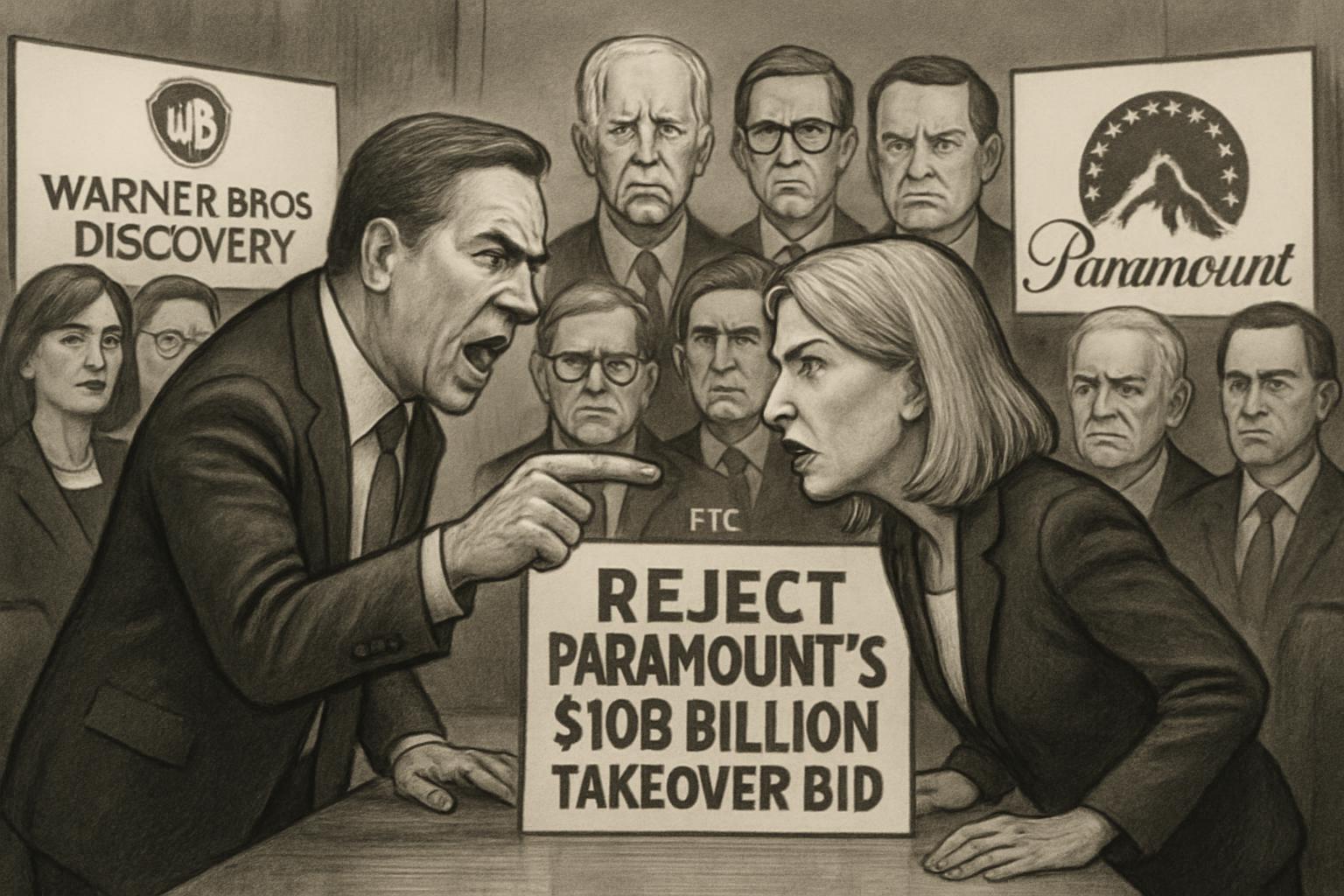
Warner Bros Discovery Urges Rejection of Paramount's $108bn Takeover Bid

Oracle Shares Plummet Amid AI Bubble Concerns and Revenue Miss

Draco Malfoy: An Unlikely Lunar New Year Icon in China

TikTok Secures Deal to Maintain US Operations Amid Security Concerns
Netflix Strengthens Warner Bros Bid with All-Cash Offer Amid Paramount Rivalry
In This Article
 Daniel Rivera| Published
 HIGHLIGHTS
- Netflix has revised its bid for Warner Bros Discovery to an all-cash offer, maintaining the $82 billion valuation.
- Paramount Skydance continues its hostile bid with a $108 billion offer, challenging Netflix's proposal.
- Warner Bros shareholders will receive shares in spun-off entities like CNN, separate from the Netflix acquisition.
- Netflix's move aims to expedite shareholder approval, with a vote anticipated as early as April.
- Paramount is attempting to influence Warner Bros' board decisions through a proxy fight and legal actions.
Netflix has intensified its pursuit of Warner Bros Discovery by converting its bid into an all-cash offer, valued at approximately $82 billion. This strategic move aims to streamline the acquisition process and fend off a competing bid from Paramount Skydance, which has proposed a $108 billion offer. The revised proposal maintains the original valuation of $27.75 per share, offering Warner Bros shareholders greater financial certainty and accelerating the timeline for a shareholder vote, potentially as early as April.
Paramount's Hostile Bid
Paramount Skydance, backed by tech billionaire Larry Ellison, has not relented in its efforts to acquire Warner Bros. Despite being repeatedly rebuffed, Paramount has launched a legal challenge, seeking disclosure of financial details related to Netflix's offer. A Delaware court recently dismissed Paramount's lawsuit, but the company remains determined, planning to nominate directors to Warner Bros' board in an attempt to derail the Netflix deal.
Shareholder Implications
Under the terms of the Netflix offer, Warner Bros shareholders will receive shares in the company's global networks, including CNN and the Discovery Channel, which are set to be spun off as a separate entity. This separation is not part of Netflix's acquisition, which focuses on Warner Bros' prized assets such as the Harry Potter and Game of Thrones franchises, as well as the streaming service HBO Max.
Industry Impact
The potential consolidation of Warner Bros under Netflix has sparked criticism, with concerns about the concentration of power within the entertainment industry. Despite these concerns, Netflix's co-chief executive, Ted Sarandos, expressed confidence in the deal, highlighting its strategic benefits and the complementary nature of the two companies' businesses. Netflix has already initiated the regulatory process, anticipating government approval.
WHAT THIS MIGHT MEAN
The unfolding battle between Netflix and Paramount Skydance for Warner Bros Discovery could significantly reshape the streaming and entertainment landscape. If Netflix succeeds, it would gain control over a vast library of content, enhancing its competitive edge in the streaming wars. However, Paramount's aggressive tactics, including a proxy fight, could sway Warner Bros shareholders and complicate Netflix's plans.
Should Paramount manage to influence Warner Bros' board, it could lead to a prolonged and contentious struggle, potentially delaying the acquisition process. The outcome of this corporate showdown will likely have far-reaching implications for the entertainment industry, affecting content distribution, consumer choices, and the strategic direction of major media companies.
Related Articles
Warner Bros Discovery Rebuffs Paramount's $108bn Takeover Bid in Favor of Netflix Deal
Netflix Faces Senate Scrutiny Over Warner Bros Discovery Merger
Warner Bros Discovery Urges Rejection of Paramount's $108bn Takeover Bid
Oracle Shares Plummet Amid AI Bubble Concerns and Revenue Miss
Draco Malfoy: An Unlikely Lunar New Year Icon in China
TikTok Secures Deal to Maintain US Operations Amid Security Concerns