
TikTok Secures Deal to Maintain US Operations Amid Security Concerns
In This Article
HIGHLIGHTS
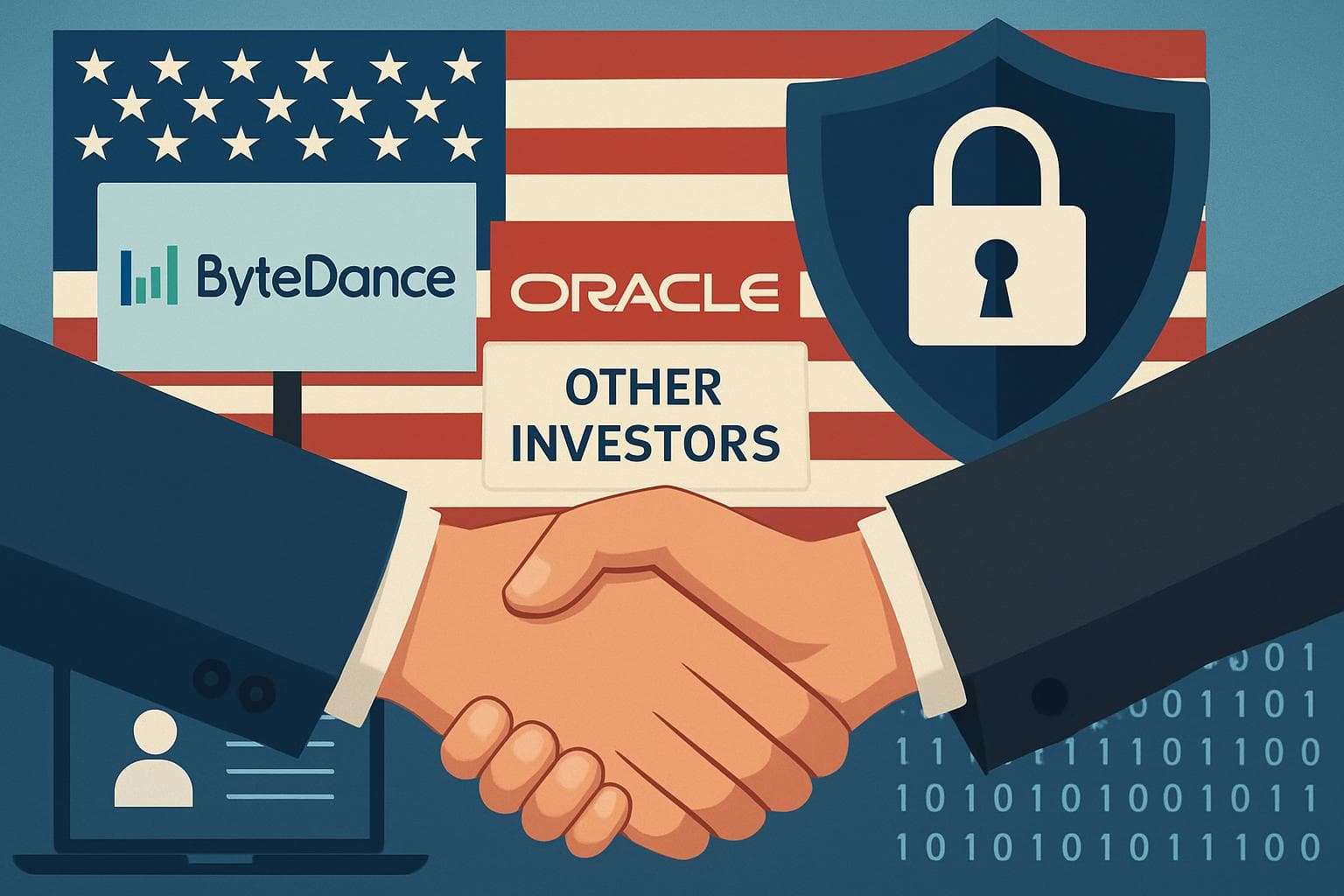
- TikTok's owner ByteDance has signed a deal with Oracle, Silver Lake, and MGX to sell its US operations, expected to close on January 22.
- ByteDance will retain a 19.9% stake, while the new investors will hold 50% of the joint venture, addressing national security concerns.
- The agreement involves licensing TikTok's recommendation algorithm to Oracle, amid ongoing US-China tensions.
- The deal follows a 2024 US law mandating TikTok's sale, delayed multiple times due to negotiations.
- Concerns persist over the control and privacy of American user data, despite the new ownership structure.
TikTok's parent company, ByteDance, has finalized a significant agreement with American investors Oracle, Silver Lake, and MGX to sell its US operations, ensuring the popular social media platform can continue to operate in the United States. This deal, set to close on January 22, marks the culmination of years of negotiations aimed at addressing national security concerns raised by US lawmakers.
Ownership Structure and National Security
Under the terms of the agreement, ByteDance will retain a 19.9% stake in the new joint venture, while Oracle, Silver Lake, and Abu Dhabi-based MGX will each hold a 15% share. An additional 30.1% will be owned by affiliates of existing ByteDance investors. This restructuring aims to alleviate fears that TikTok's Chinese ownership could compromise American user data.
The deal also involves Oracle licensing TikTok's recommendation algorithm, a move intended to safeguard the platform's data integrity. However, questions remain about the extent of control Oracle will have over the algorithm, with some experts expressing skepticism about the effectiveness of this arrangement in protecting user privacy.
Political and Economic Implications
The agreement comes after a series of delays, including a 2024 law signed by President Joe Biden that mandated TikTok's sale due to national security concerns. The law's implementation was postponed multiple times as negotiations continued. Former President Donald Trump had previously threatened to ban TikTok, citing similar concerns, and had engaged in discussions with Chinese President Xi Jinping to facilitate the deal.
The involvement of Oracle, co-founded by Trump supporter Larry Ellison, has drawn criticism from some US lawmakers. Senator Elizabeth Warren voiced concerns over the increasing influence of pro-Trump billionaires in media and technology sectors, questioning the transparency of the deal-making process.
Ongoing Concerns and Future Prospects
Despite the agreement, concerns persist regarding the control and privacy of American user data. Senator Ron Wyden criticized the deal, arguing it does little to protect user privacy and questioning the safety of TikTok's algorithm under the new ownership structure.
WHAT THIS MIGHT MEAN
The finalized deal between ByteDance and American investors could set a precedent for future transactions involving foreign-owned technology companies operating in the US. As US-China relations continue to evolve, this agreement may serve as a model for balancing national security concerns with economic interests.
Looking ahead, the focus will likely shift to the implementation of the deal's terms, particularly the management of TikTok's algorithm and data privacy measures. The outcome of this agreement could influence future regulatory approaches to social media platforms and foreign investments in the US.
Experts suggest that while the deal may temporarily ease tensions between the US and China, it underscores the ongoing complexities of international tech governance and the need for robust regulatory frameworks to address emerging challenges in the digital age.
Related Articles

Cuba Faces Widespread Blackout Amid Deepening Fuel Crisis

UK Faces Dilemmas Amid Iran Conflict and China Spying Allegations
China Sets Lowest GDP Growth Target in Decades Amid Economic Challenges
Tech Giants Pledge to Cover AI Data Center Energy Costs Amid Rising Electricity Concerns
Congress Subpoenas Attorney General Bondi in Epstein Investigation

Google Faces Legal Battle Over AI Chatbot's Alleged Role in Tragic Death
TikTok Secures Deal to Maintain US Operations Amid Security Concerns
In This Article
 Daniel Rivera| Published
 HIGHLIGHTS
- TikTok's owner ByteDance has signed a deal with Oracle, Silver Lake, and MGX to sell its US operations, expected to close on January 22.
- ByteDance will retain a 19.9% stake, while the new investors will hold 50% of the joint venture, addressing national security concerns.
- The agreement involves licensing TikTok's recommendation algorithm to Oracle, amid ongoing US-China tensions.
- The deal follows a 2024 US law mandating TikTok's sale, delayed multiple times due to negotiations.
- Concerns persist over the control and privacy of American user data, despite the new ownership structure.
TikTok's parent company, ByteDance, has finalized a significant agreement with American investors Oracle, Silver Lake, and MGX to sell its US operations, ensuring the popular social media platform can continue to operate in the United States. This deal, set to close on January 22, marks the culmination of years of negotiations aimed at addressing national security concerns raised by US lawmakers.
Ownership Structure and National Security
Under the terms of the agreement, ByteDance will retain a 19.9% stake in the new joint venture, while Oracle, Silver Lake, and Abu Dhabi-based MGX will each hold a 15% share. An additional 30.1% will be owned by affiliates of existing ByteDance investors. This restructuring aims to alleviate fears that TikTok's Chinese ownership could compromise American user data.
The deal also involves Oracle licensing TikTok's recommendation algorithm, a move intended to safeguard the platform's data integrity. However, questions remain about the extent of control Oracle will have over the algorithm, with some experts expressing skepticism about the effectiveness of this arrangement in protecting user privacy.
Political and Economic Implications
The agreement comes after a series of delays, including a 2024 law signed by President Joe Biden that mandated TikTok's sale due to national security concerns. The law's implementation was postponed multiple times as negotiations continued. Former President Donald Trump had previously threatened to ban TikTok, citing similar concerns, and had engaged in discussions with Chinese President Xi Jinping to facilitate the deal.
The involvement of Oracle, co-founded by Trump supporter Larry Ellison, has drawn criticism from some US lawmakers. Senator Elizabeth Warren voiced concerns over the increasing influence of pro-Trump billionaires in media and technology sectors, questioning the transparency of the deal-making process.
Ongoing Concerns and Future Prospects
Despite the agreement, concerns persist regarding the control and privacy of American user data. Senator Ron Wyden criticized the deal, arguing it does little to protect user privacy and questioning the safety of TikTok's algorithm under the new ownership structure.
WHAT THIS MIGHT MEAN
The finalized deal between ByteDance and American investors could set a precedent for future transactions involving foreign-owned technology companies operating in the US. As US-China relations continue to evolve, this agreement may serve as a model for balancing national security concerns with economic interests.
Looking ahead, the focus will likely shift to the implementation of the deal's terms, particularly the management of TikTok's algorithm and data privacy measures. The outcome of this agreement could influence future regulatory approaches to social media platforms and foreign investments in the US.
Experts suggest that while the deal may temporarily ease tensions between the US and China, it underscores the ongoing complexities of international tech governance and the need for robust regulatory frameworks to address emerging challenges in the digital age.
Related Articles
Cuba Faces Widespread Blackout Amid Deepening Fuel Crisis
UK Faces Dilemmas Amid Iran Conflict and China Spying Allegations
China Sets Lowest GDP Growth Target in Decades Amid Economic Challenges
Tech Giants Pledge to Cover AI Data Center Energy Costs Amid Rising Electricity Concerns
Congress Subpoenas Attorney General Bondi in Epstein Investigation
Google Faces Legal Battle Over AI Chatbot's Alleged Role in Tragic Death