
Trump Administration Sues Harvard Over Alleged Non-Compliance in Admissions Investigation
In This Article
HIGHLIGHTS
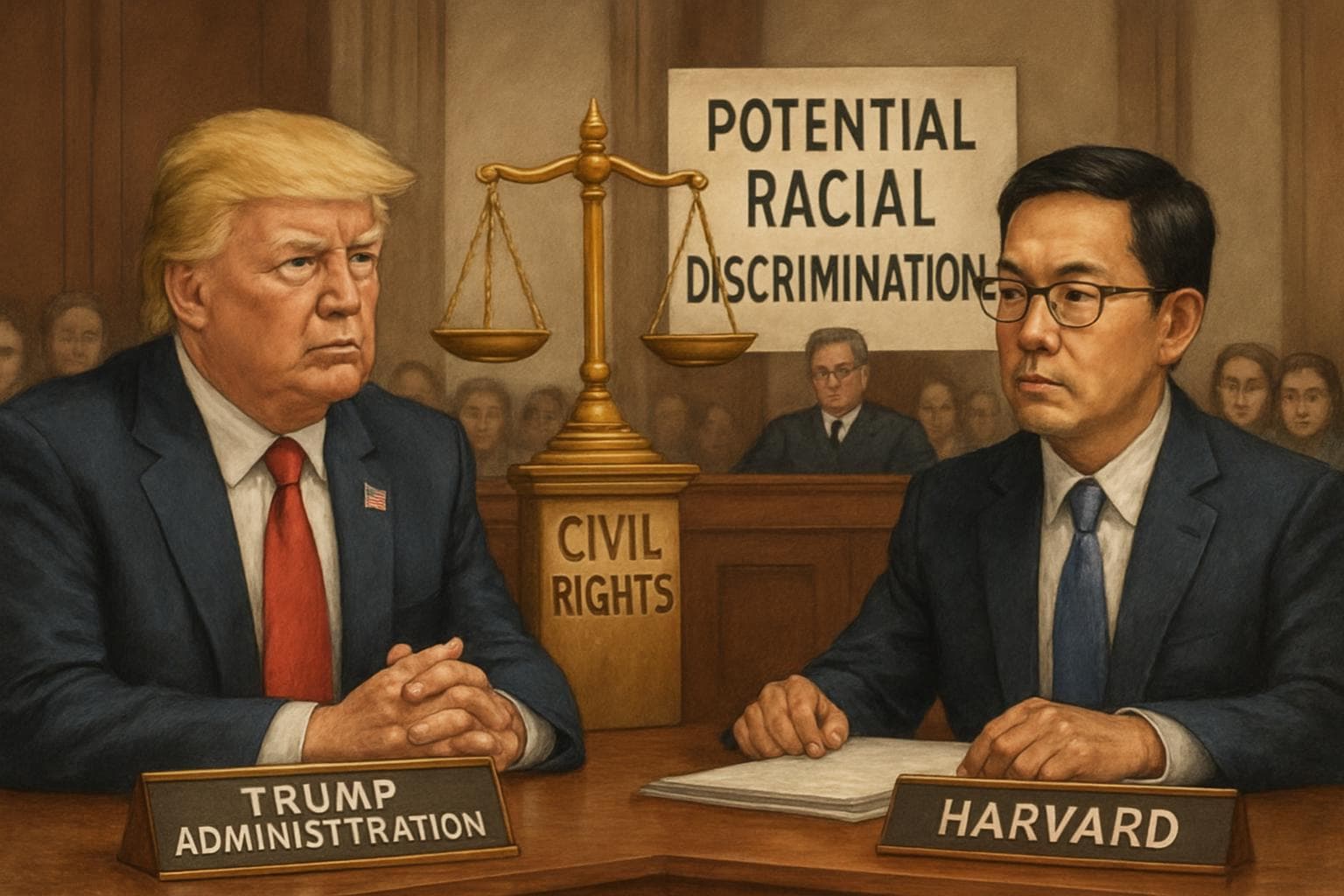
- The Trump administration has filed a lawsuit against Harvard University for allegedly failing to comply with a civil rights investigation into its admissions process.
- The lawsuit claims Harvard withheld data needed to assess potential racial discrimination, violating the US Civil Rights Act.
- Harvard maintains it has cooperated in good faith and accuses the government of unlawful overreach.
- The legal battle follows a Supreme Court ruling that declared race-conscious admissions unconstitutional.
- The Trump administration has previously threatened to cut federal funding over alleged "woke" policies at Harvard.
The Trump administration has intensified its legal battle with Harvard University, filing a lawsuit accusing the institution of failing to provide necessary data for a civil rights investigation into its admissions practices. The lawsuit, lodged in the US District Court in Massachusetts, alleges that Harvard has not complied with requests for documents that could reveal whether the university engaged in racial discrimination during its admissions process.
Background and Allegations
The Department of Justice claims that Harvard has obstructed its investigation by withholding applicant-level admissions data and other pertinent records. Harmeet Dhillon, head of the DOJ's civil rights division, emphasized the importance of transparency in compliance processes, stating that providing requested data is a fundamental expectation. The lawsuit follows a 2023 Supreme Court decision that deemed race-conscious admissions programs unconstitutional.
Harvard, in its defense, asserts that it has been responding to the government's inquiries in good faith, adhering to legal processes. The university argues that the lawsuit is a retaliatory measure against its refusal to relinquish its independence or constitutional rights. Harvard has also made adjustments to its admissions procedures post-Supreme Court ruling, ensuring that race and ethnicity are not considered during the admissions process.
Ongoing Legal and Political Tensions
This lawsuit is the latest chapter in a prolonged conflict between the Trump administration and Harvard. Previously, the administration revoked $2 billion in research grants and threatened to withhold $9 billion in federal funding, citing concerns over the university's diversity, equity, and inclusion programs. Harvard has consistently defended its policies, emphasizing its commitment to academic freedom and legal compliance.
Implications for Academic Freedom
The legal actions against Harvard have sparked broader debates about academic freedom and the role of government in higher education. Critics argue that the administration's actions threaten the independence of academic institutions, while supporters claim they are necessary to ensure compliance with civil rights laws.
WHAT THIS MIGHT MEAN
As the lawsuit progresses, Harvard may face increased scrutiny over its admissions practices, potentially leading to further legal challenges. The outcome could set a precedent for how universities across the nation handle race in admissions, especially following the Supreme Court's ruling. If the court sides with the Trump administration, it could embolden further government interventions in university policies, raising concerns about academic freedom and institutional autonomy. Conversely, a ruling in favor of Harvard might reinforce the university's stance on maintaining independence from governmental overreach.
Related Articles

Grand Jury Rejects Indictment of Democrats Over 'Illegal Orders' Video

Lawmakers Demand Transparency in Epstein Files Amid Redaction Controversy

Clintons to Testify as Epstein Files Spark Allegations of Cover-Up

Don Lemon Pleads Not Guilty in Minnesota Church Protest Case

Tech Giants Pledge to Cover AI Data Center Energy Costs Amid Rising Electricity Concerns
Congress Subpoenas Attorney General Bondi in Epstein Investigation
Trump Administration Sues Harvard Over Alleged Non-Compliance in Admissions Investigation
In This Article
 Sofia Romano| Published
 HIGHLIGHTS
- The Trump administration has filed a lawsuit against Harvard University for allegedly failing to comply with a civil rights investigation into its admissions process.
- The lawsuit claims Harvard withheld data needed to assess potential racial discrimination, violating the US Civil Rights Act.
- Harvard maintains it has cooperated in good faith and accuses the government of unlawful overreach.
- The legal battle follows a Supreme Court ruling that declared race-conscious admissions unconstitutional.
- The Trump administration has previously threatened to cut federal funding over alleged "woke" policies at Harvard.
The Trump administration has intensified its legal battle with Harvard University, filing a lawsuit accusing the institution of failing to provide necessary data for a civil rights investigation into its admissions practices. The lawsuit, lodged in the US District Court in Massachusetts, alleges that Harvard has not complied with requests for documents that could reveal whether the university engaged in racial discrimination during its admissions process.
Background and Allegations
The Department of Justice claims that Harvard has obstructed its investigation by withholding applicant-level admissions data and other pertinent records. Harmeet Dhillon, head of the DOJ's civil rights division, emphasized the importance of transparency in compliance processes, stating that providing requested data is a fundamental expectation. The lawsuit follows a 2023 Supreme Court decision that deemed race-conscious admissions programs unconstitutional.
Harvard, in its defense, asserts that it has been responding to the government's inquiries in good faith, adhering to legal processes. The university argues that the lawsuit is a retaliatory measure against its refusal to relinquish its independence or constitutional rights. Harvard has also made adjustments to its admissions procedures post-Supreme Court ruling, ensuring that race and ethnicity are not considered during the admissions process.
Ongoing Legal and Political Tensions
This lawsuit is the latest chapter in a prolonged conflict between the Trump administration and Harvard. Previously, the administration revoked $2 billion in research grants and threatened to withhold $9 billion in federal funding, citing concerns over the university's diversity, equity, and inclusion programs. Harvard has consistently defended its policies, emphasizing its commitment to academic freedom and legal compliance.
Implications for Academic Freedom
The legal actions against Harvard have sparked broader debates about academic freedom and the role of government in higher education. Critics argue that the administration's actions threaten the independence of academic institutions, while supporters claim they are necessary to ensure compliance with civil rights laws.
WHAT THIS MIGHT MEAN
As the lawsuit progresses, Harvard may face increased scrutiny over its admissions practices, potentially leading to further legal challenges. The outcome could set a precedent for how universities across the nation handle race in admissions, especially following the Supreme Court's ruling. If the court sides with the Trump administration, it could embolden further government interventions in university policies, raising concerns about academic freedom and institutional autonomy. Conversely, a ruling in favor of Harvard might reinforce the university's stance on maintaining independence from governmental overreach.
Related Articles
Grand Jury Rejects Indictment of Democrats Over 'Illegal Orders' Video
Lawmakers Demand Transparency in Epstein Files Amid Redaction Controversy
Clintons to Testify as Epstein Files Spark Allegations of Cover-Up
Don Lemon Pleads Not Guilty in Minnesota Church Protest Case
Tech Giants Pledge to Cover AI Data Center Energy Costs Amid Rising Electricity Concerns
Congress Subpoenas Attorney General Bondi in Epstein Investigation