
Grand Jury Rejects Indictment of Democrats Over 'Illegal Orders' Video
In This Article
HIGHLIGHTS
- A grand jury in Washington DC declined to indict six Democratic lawmakers for a video urging troops to refuse illegal orders.
- The video, criticized by Donald Trump as "seditious," was released amid debates over the legality of military actions.
- Senator Mark Kelly, one of the lawmakers involved, has filed a lawsuit against the government, citing an abuse of power.
- The Department of Justice, led by Jeanine Pirro, pursued charges under a statute covering treason and sedition.
- Critics argue the case represents a misuse of the justice system to target political opponents.
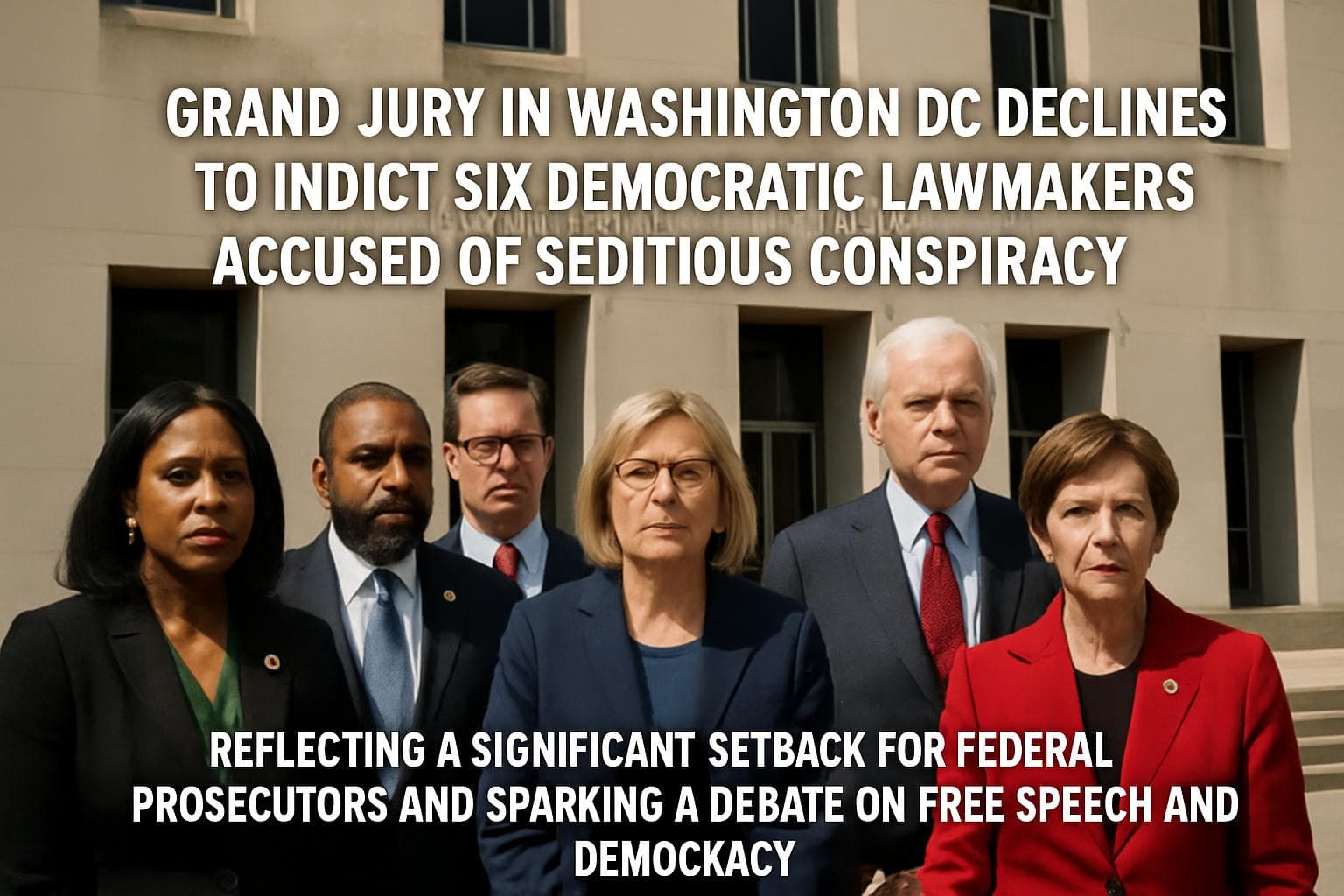
A grand jury in Washington DC has declined to indict six Democratic lawmakers who faced accusations of seditious conspiracy after releasing a video encouraging military personnel to refuse illegal orders. The decision marks a significant setback for federal prosecutors and the Trump administration, which had pursued charges against the lawmakers under a statute addressing treason and sedition.
Background of the Controversy
The controversy began with a 90-second video released last November by the lawmakers, including Senator Mark Kelly and Representative Elissa Slotkin. The video, which reminded service members of their right to refuse unlawful commands, was published amid rising concerns over the legality of certain military actions, such as strikes on alleged drug-trafficking vessels.
Former President Donald Trump condemned the video as "seditious behavior," leading to a federal investigation spearheaded by Jeanine Pirro, the US attorney for the District of Columbia. The lawmakers, all with military or intelligence backgrounds, were accused of encouraging insubordination, a charge carrying a potential 10-year prison sentence.
Reactions and Legal Challenges
Senator Kelly, a retired Navy captain, has been vocal in his criticism of the government's actions, describing them as an "outrageous abuse of power." He has filed a lawsuit against Defense Secretary Pete Hegseth, who attempted to censure and demote him over the incident. Kelly argues that the video constitutes protected free speech.
Representative Slotkin, who organized the video, echoed these sentiments, stating that the grand jury's decision upholds the rule of law. She criticized the Trump administration for weaponizing the justice system against political adversaries, a sentiment shared by many critics who view the case as an attack on free speech.
Implications for Democracy
The failed indictment has sparked a broader debate about the use of legal mechanisms to silence dissent. "This is a master alarm flashing for our democracy," Kelly warned, emphasizing the importance of protecting constitutional rights. The lawmakers' actions, he argued, were in defense of democratic principles, not an act of sedition.
WHAT THIS MIGHT MEAN
The grand jury's decision not to indict the lawmakers may signal a turning point in the legal battles surrounding political dissent. However, the broader implications for the justice system and democratic norms remain uncertain. Legal experts suggest that the case could set a precedent for how similar charges are handled in the future, particularly concerning freedom of speech and the limits of executive power.
As the legal proceedings continue, the focus may shift to the potential consequences for those involved, including the possibility of further lawsuits or legislative actions. The outcome could influence public perception of the justice system's role in political disputes and the balance between national security and individual rights.
Related Articles
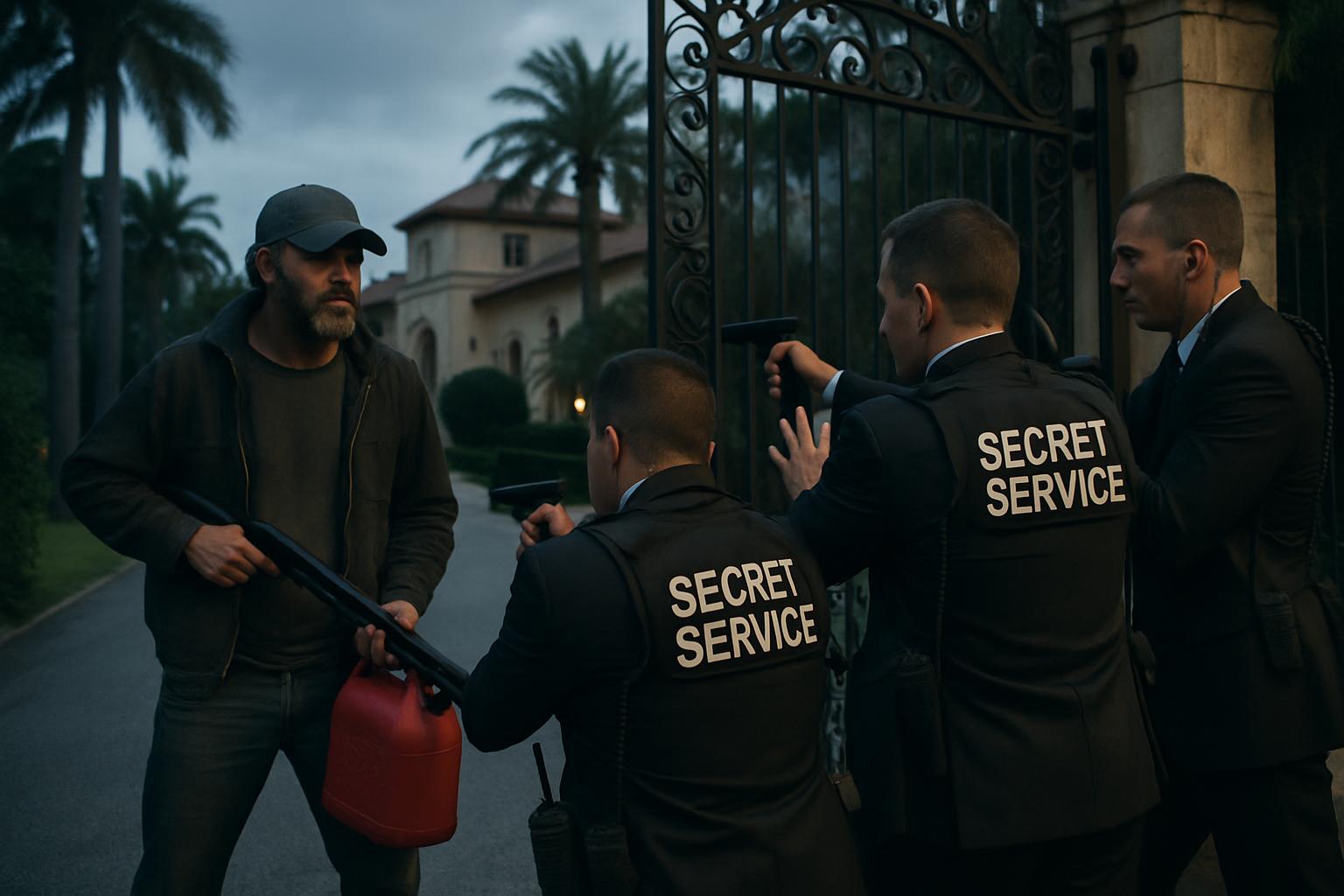
Armed Intruder Fatally Shot at Mar-a-Lago by Secret Service

Tech Giants Pledge to Cover AI Data Center Energy Costs Amid Rising Electricity Concerns
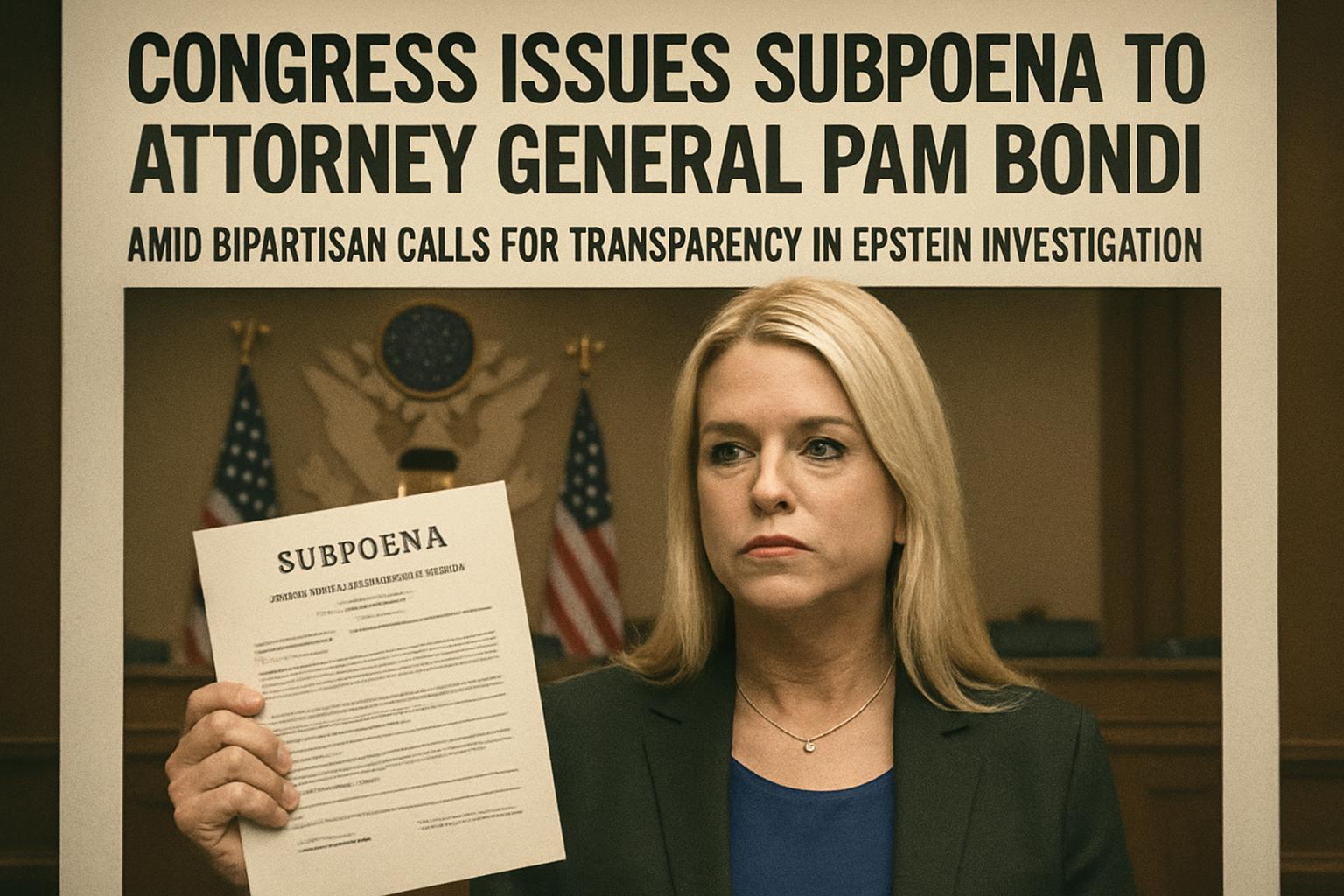
Congress Subpoenas Attorney General Bondi in Epstein Investigation
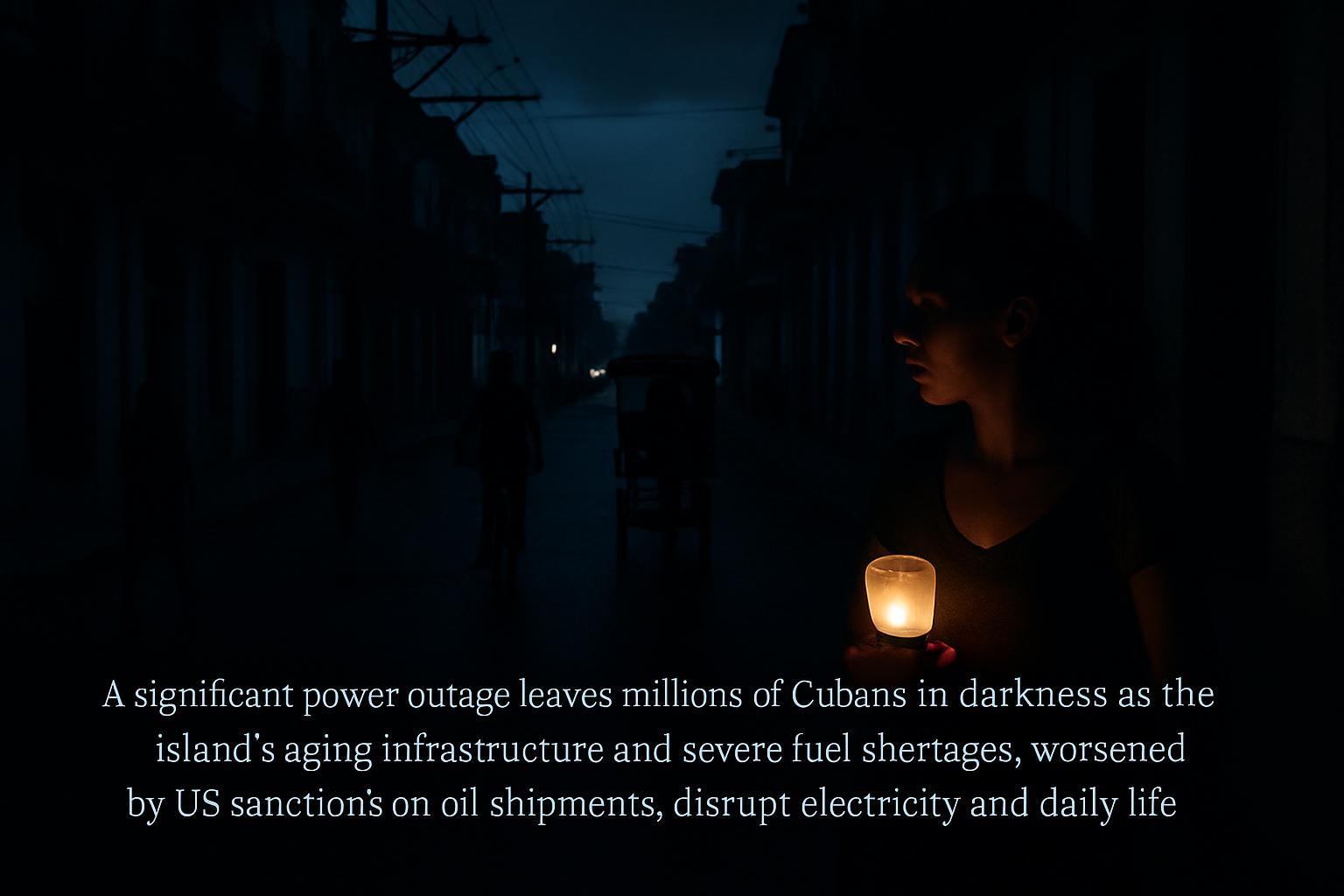
Cuba Faces Widespread Blackout Amid Deepening Fuel Crisis

UK Faces Dilemmas Amid Iran Conflict and China Spying Allegations
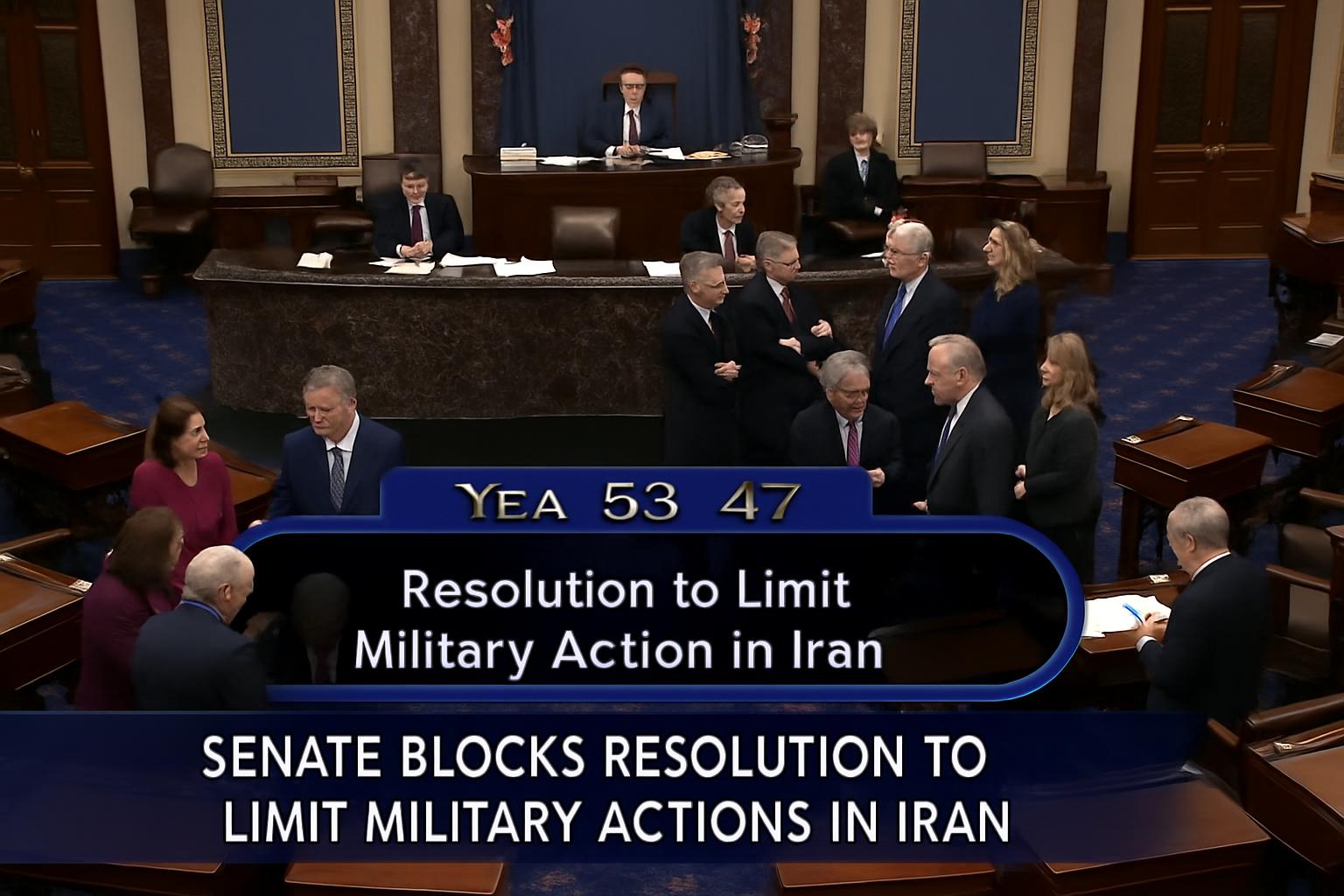
Senate Blocks Resolution to Limit Trump's Military Actions in Iran
Grand Jury Rejects Indictment of Democrats Over 'Illegal Orders' Video
In This Article
 Sofia Romano| Published
 HIGHLIGHTS
- A grand jury in Washington DC declined to indict six Democratic lawmakers for a video urging troops to refuse illegal orders.
- The video, criticized by Donald Trump as "seditious," was released amid debates over the legality of military actions.
- Senator Mark Kelly, one of the lawmakers involved, has filed a lawsuit against the government, citing an abuse of power.
- The Department of Justice, led by Jeanine Pirro, pursued charges under a statute covering treason and sedition.
- Critics argue the case represents a misuse of the justice system to target political opponents.
A grand jury in Washington DC has declined to indict six Democratic lawmakers who faced accusations of seditious conspiracy after releasing a video encouraging military personnel to refuse illegal orders. The decision marks a significant setback for federal prosecutors and the Trump administration, which had pursued charges against the lawmakers under a statute addressing treason and sedition.
Background of the Controversy
The controversy began with a 90-second video released last November by the lawmakers, including Senator Mark Kelly and Representative Elissa Slotkin. The video, which reminded service members of their right to refuse unlawful commands, was published amid rising concerns over the legality of certain military actions, such as strikes on alleged drug-trafficking vessels.
Former President Donald Trump condemned the video as "seditious behavior," leading to a federal investigation spearheaded by Jeanine Pirro, the US attorney for the District of Columbia. The lawmakers, all with military or intelligence backgrounds, were accused of encouraging insubordination, a charge carrying a potential 10-year prison sentence.
Reactions and Legal Challenges
Senator Kelly, a retired Navy captain, has been vocal in his criticism of the government's actions, describing them as an "outrageous abuse of power." He has filed a lawsuit against Defense Secretary Pete Hegseth, who attempted to censure and demote him over the incident. Kelly argues that the video constitutes protected free speech.
Representative Slotkin, who organized the video, echoed these sentiments, stating that the grand jury's decision upholds the rule of law. She criticized the Trump administration for weaponizing the justice system against political adversaries, a sentiment shared by many critics who view the case as an attack on free speech.
Implications for Democracy
The failed indictment has sparked a broader debate about the use of legal mechanisms to silence dissent. "This is a master alarm flashing for our democracy," Kelly warned, emphasizing the importance of protecting constitutional rights. The lawmakers' actions, he argued, were in defense of democratic principles, not an act of sedition.
WHAT THIS MIGHT MEAN
The grand jury's decision not to indict the lawmakers may signal a turning point in the legal battles surrounding political dissent. However, the broader implications for the justice system and democratic norms remain uncertain. Legal experts suggest that the case could set a precedent for how similar charges are handled in the future, particularly concerning freedom of speech and the limits of executive power.
As the legal proceedings continue, the focus may shift to the potential consequences for those involved, including the possibility of further lawsuits or legislative actions. The outcome could influence public perception of the justice system's role in political disputes and the balance between national security and individual rights.
Related Articles
Armed Intruder Fatally Shot at Mar-a-Lago by Secret Service
Tech Giants Pledge to Cover AI Data Center Energy Costs Amid Rising Electricity Concerns
Congress Subpoenas Attorney General Bondi in Epstein Investigation
Cuba Faces Widespread Blackout Amid Deepening Fuel Crisis
UK Faces Dilemmas Amid Iran Conflict and China Spying Allegations
Senate Blocks Resolution to Limit Trump's Military Actions in Iran