
Don Lemon Pleads Not Guilty in Minnesota Church Protest Case
In This Article
HIGHLIGHTS
- Don Lemon, former CNN host, pleaded not guilty to federal civil rights charges related to a protest at a Minnesota church on January 18.
- Lemon and eight others, including another journalist, face charges of conspiracy against religious freedom and interfering with First Amendment rights.
- The protest was against a pastor who is an ICE official, following the fatal shooting of Renee Good by ICE in Minneapolis.
- Lemon maintains his presence was purely journalistic, emphasizing his commitment to First Amendment rights.
- The case highlights tensions between press freedom and federal immigration enforcement under the Trump administration.
Former CNN host Don Lemon has entered a plea of not guilty to federal civil rights charges stemming from his coverage of a protest at a church in St. Paul, Minnesota. The protest, which took place on January 18, was directed against a pastor who is also an Immigration and Customs Enforcement (ICE) official, following the controversial shooting of Renee Good by ICE officers in Minneapolis.
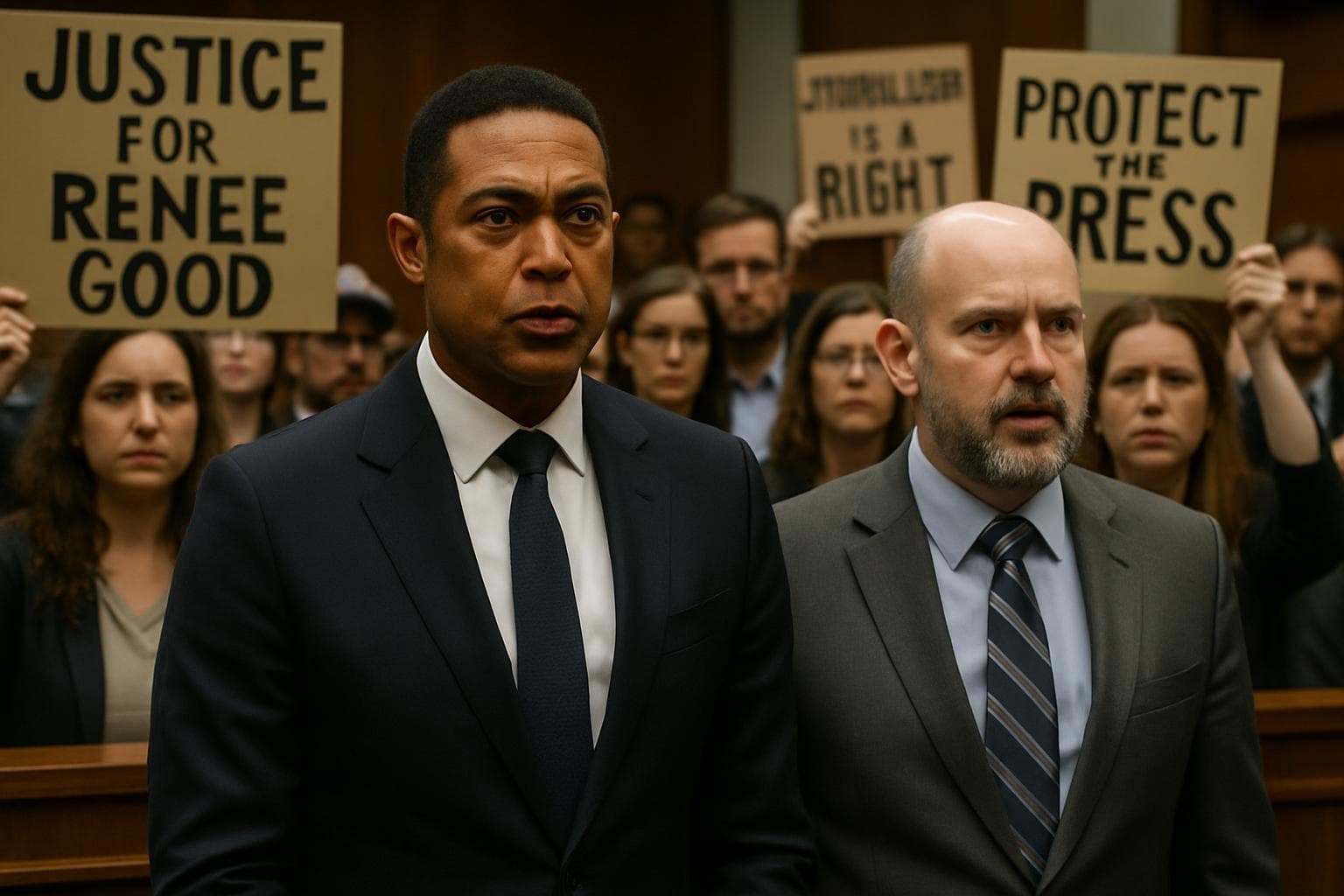
Lemon, 59, along with eight other defendants, faces charges of conspiracy to deprive rights and interfering with religious freedoms. The charges allege that Lemon and the others obstructed congregants' First Amendment rights during the protest. The veteran journalist, who was accompanied by his attorney Joe Thompson, did not comment as he entered the courtroom but later issued a statement reaffirming his commitment to journalistic freedom. "For more than 30 years, I have been a journalist – and the power and protection of the First Amendment has been the underpinning of my work," Lemon stated.
Legal Context and Protest Details
The protest at the Southern Baptist church in St. Paul was marked by chants of "ICE out" and "Justice for Renee Good," in reference to the mother of three who was fatally shot by an ICE officer. The incident has drawn significant attention, with protesters and supporters of Lemon gathering outside the courthouse, chanting slogans such as "Pam Bondi has got to go" and "Protect the press."
Lemon's attorney, Abbe David Lowell, has indicated that First Amendment issues will be central to the defense. He also raised concerns over the seizure of Lemon's mobile phone during his arrest in Los Angeles, which prosecutors have stated is under review by the Department of Homeland Security.
Broader Implications
The case against Lemon and his co-defendants underscores the ongoing tensions between press freedom and federal immigration enforcement under the Trump administration. White House press secretary Karoline Leavitt has publicly condemned the protest, emphasizing the administration's stance against the intimidation of Christians in their places of worship.
WHAT THIS MIGHT MEAN
As the legal proceedings unfold, the case could set significant precedents regarding the balance between First Amendment rights and federal enforcement actions. If Lemon and his co-defendants are convicted, it may have a chilling effect on journalistic coverage of protests, particularly those involving contentious issues like immigration enforcement. Conversely, a successful defense could reinforce protections for journalists covering protests, potentially influencing future legal interpretations of press freedom in the United States. Legal experts and civil rights advocates will be closely monitoring the case, as it may impact both journalistic practices and the broader discourse on civil rights and immigration policy.
Related Articles
DHS Spokesperson Tricia McLaughlin to Depart Amidst Immigration Policy Controversy

US-Iran Tensions Escalate Amid Military Buildup and Diplomatic Talks
Spain's Sánchez Stands Firm Against Trump's Trade Threat Over Iran Stance
Trump Criticizes Supreme Court After Tariff Ruling, Imposes New Global Tariff
Trump to Direct Release of Pentagon UFO Files Amid Renewed Interest

US Military Strikes on Alleged Drug Boats Raise Legal Concerns
Don Lemon Pleads Not Guilty in Minnesota Church Protest Case
In This Article
 Ethan Brooks| Published
 HIGHLIGHTS
- Don Lemon, former CNN host, pleaded not guilty to federal civil rights charges related to a protest at a Minnesota church on January 18.
- Lemon and eight others, including another journalist, face charges of conspiracy against religious freedom and interfering with First Amendment rights.
- The protest was against a pastor who is an ICE official, following the fatal shooting of Renee Good by ICE in Minneapolis.
- Lemon maintains his presence was purely journalistic, emphasizing his commitment to First Amendment rights.
- The case highlights tensions between press freedom and federal immigration enforcement under the Trump administration.
Former CNN host Don Lemon has entered a plea of not guilty to federal civil rights charges stemming from his coverage of a protest at a church in St. Paul, Minnesota. The protest, which took place on January 18, was directed against a pastor who is also an Immigration and Customs Enforcement (ICE) official, following the controversial shooting of Renee Good by ICE officers in Minneapolis.
Lemon, 59, along with eight other defendants, faces charges of conspiracy to deprive rights and interfering with religious freedoms. The charges allege that Lemon and the others obstructed congregants' First Amendment rights during the protest. The veteran journalist, who was accompanied by his attorney Joe Thompson, did not comment as he entered the courtroom but later issued a statement reaffirming his commitment to journalistic freedom. "For more than 30 years, I have been a journalist – and the power and protection of the First Amendment has been the underpinning of my work," Lemon stated.
Legal Context and Protest Details
The protest at the Southern Baptist church in St. Paul was marked by chants of "ICE out" and "Justice for Renee Good," in reference to the mother of three who was fatally shot by an ICE officer. The incident has drawn significant attention, with protesters and supporters of Lemon gathering outside the courthouse, chanting slogans such as "Pam Bondi has got to go" and "Protect the press."
Lemon's attorney, Abbe David Lowell, has indicated that First Amendment issues will be central to the defense. He also raised concerns over the seizure of Lemon's mobile phone during his arrest in Los Angeles, which prosecutors have stated is under review by the Department of Homeland Security.
Broader Implications
The case against Lemon and his co-defendants underscores the ongoing tensions between press freedom and federal immigration enforcement under the Trump administration. White House press secretary Karoline Leavitt has publicly condemned the protest, emphasizing the administration's stance against the intimidation of Christians in their places of worship.
WHAT THIS MIGHT MEAN
As the legal proceedings unfold, the case could set significant precedents regarding the balance between First Amendment rights and federal enforcement actions. If Lemon and his co-defendants are convicted, it may have a chilling effect on journalistic coverage of protests, particularly those involving contentious issues like immigration enforcement. Conversely, a successful defense could reinforce protections for journalists covering protests, potentially influencing future legal interpretations of press freedom in the United States. Legal experts and civil rights advocates will be closely monitoring the case, as it may impact both journalistic practices and the broader discourse on civil rights and immigration policy.
Related Articles
DHS Spokesperson Tricia McLaughlin to Depart Amidst Immigration Policy Controversy
US-Iran Tensions Escalate Amid Military Buildup and Diplomatic Talks
Spain's Sánchez Stands Firm Against Trump's Trade Threat Over Iran Stance
Trump Criticizes Supreme Court After Tariff Ruling, Imposes New Global Tariff
Trump to Direct Release of Pentagon UFO Files Amid Renewed Interest
US Military Strikes on Alleged Drug Boats Raise Legal Concerns