
US Military Strikes on Alleged Drug Boats Raise Legal Concerns

In This Article
HIGHLIGHTS
- Eleven alleged drug traffickers were killed in US military strikes on three boats in the Eastern Pacific and Caribbean.
- The US Southern Command claims the vessels were involved in narco-trafficking operations along known routes.
- Since September, over 40 strikes have been conducted, resulting in 145 fatalities, amid legal concerns over extrajudicial actions.
- The Trump administration justifies these actions as part of a formal armed conflict with drug cartels.
- Legal experts and advocacy groups question the legality of these strikes, citing a lack of due process and evidence.
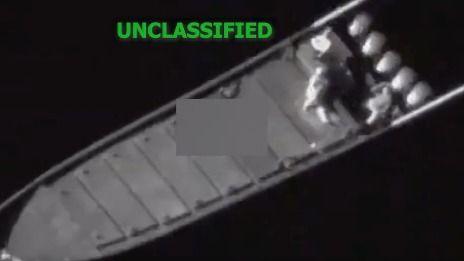
In a series of coordinated military operations, the United States has intensified its campaign against alleged drug traffickers, resulting in the deaths of eleven individuals on three boats in the Eastern Pacific and Caribbean. The US Southern Command confirmed the strikes, stating that the vessels were navigating known narco-trafficking routes and were actively engaged in drug smuggling operations.
Escalating Campaign Against Narco-Terrorism
Since September, the Trump administration has authorized over 40 strikes targeting small vessels suspected of drug trafficking, leading to 145 fatalities. These operations are part of a broader strategy to combat what the administration terms "narco-terrorism." Defense Secretary Pete Hegseth emphasized the need to eliminate "narco-terrorists" to protect the US from the influx of drugs.
Legal and Ethical Challenges
The legality of these military actions has been questioned by legal experts and advocacy groups, who argue that the strikes may constitute extrajudicial killings. The Washington Office on Latin America criticized the lack of due process, suggesting that the administration is exercising unchecked authority to target individuals labeled as terrorists. Despite these concerns, the Trump administration maintains that the strikes are lawful, asserting that the US is in a formal armed conflict with drug cartels.
Impact on US-Venezuela Relations
The recent strikes follow the capture of Venezuelan President Nicolás Maduro, accused of collaborating with drug trafficking groups. This development has further strained US-Venezuela relations, with the Pentagon deploying warships near Venezuela to curb drug trafficking and illegal oil trade. The administration's actions have drawn international scrutiny, particularly regarding the evidence supporting these military interventions.
WHAT THIS MIGHT MEAN
The continuation of US military strikes on alleged drug trafficking boats could lead to heightened tensions in international waters, particularly if evidence of drug smuggling remains inconclusive. Legal challenges from the families of those killed may increase, potentially reaching international courts. The Trump administration's stance on narco-terrorism could influence future US foreign policy, especially in regions heavily impacted by drug trafficking. As the situation evolves, the international community may call for greater transparency and adherence to international law to prevent potential human rights violations.
Images from the Web
Related Articles
US and Israel Intensify Military Campaign as Iran's Capabilities Dwindle
Iran Postpones Khamenei Funeral Amid Escalating US-Israeli Strikes

Intensified US-Israel Strikes on Iran Spark Global Outcry
US-Iran Tensions Escalate Amid Renewed Nuclear Talks and Protests
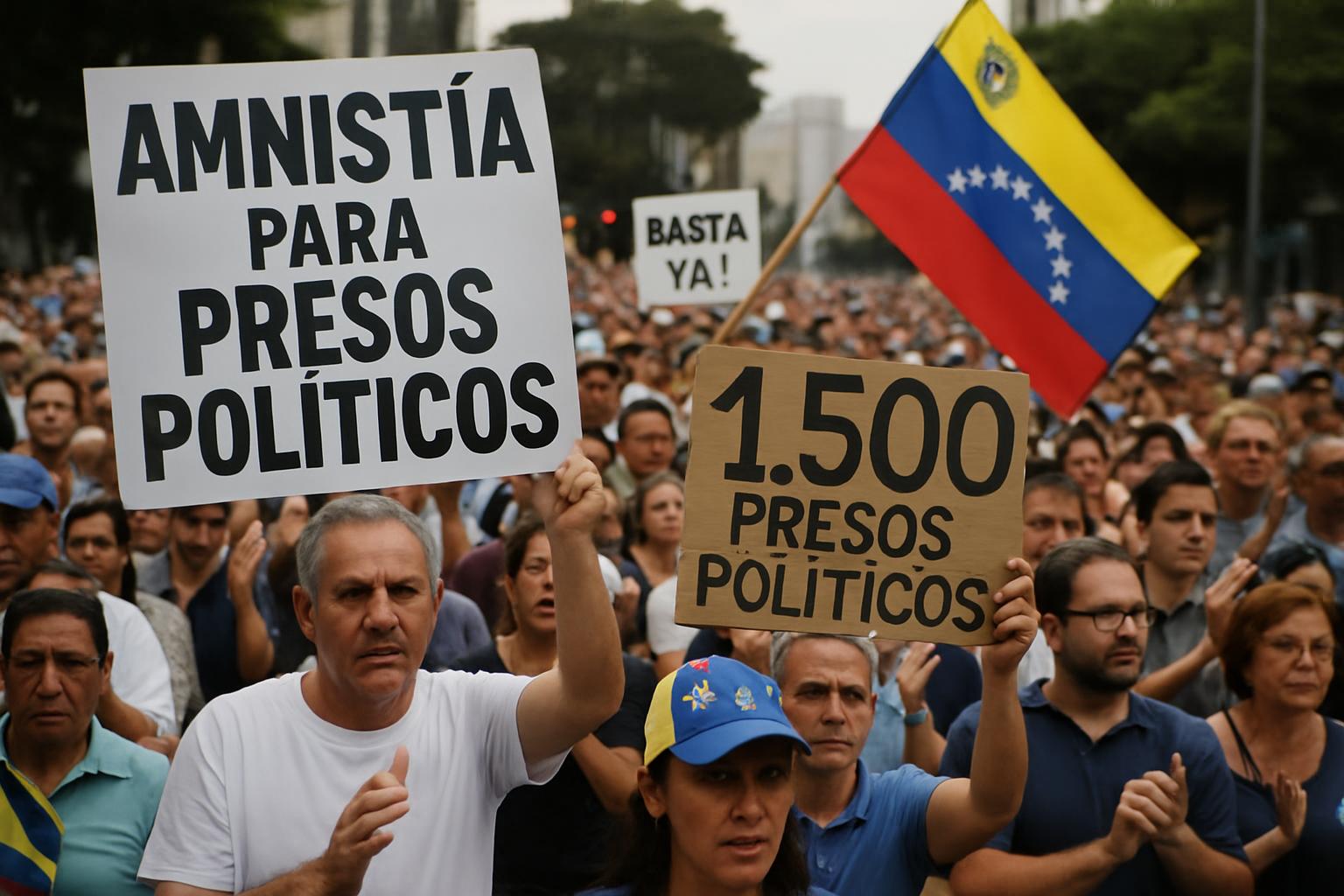
Venezuelan Political Prisoners Seek Amnesty Amidst Hopes for Democratic Transition
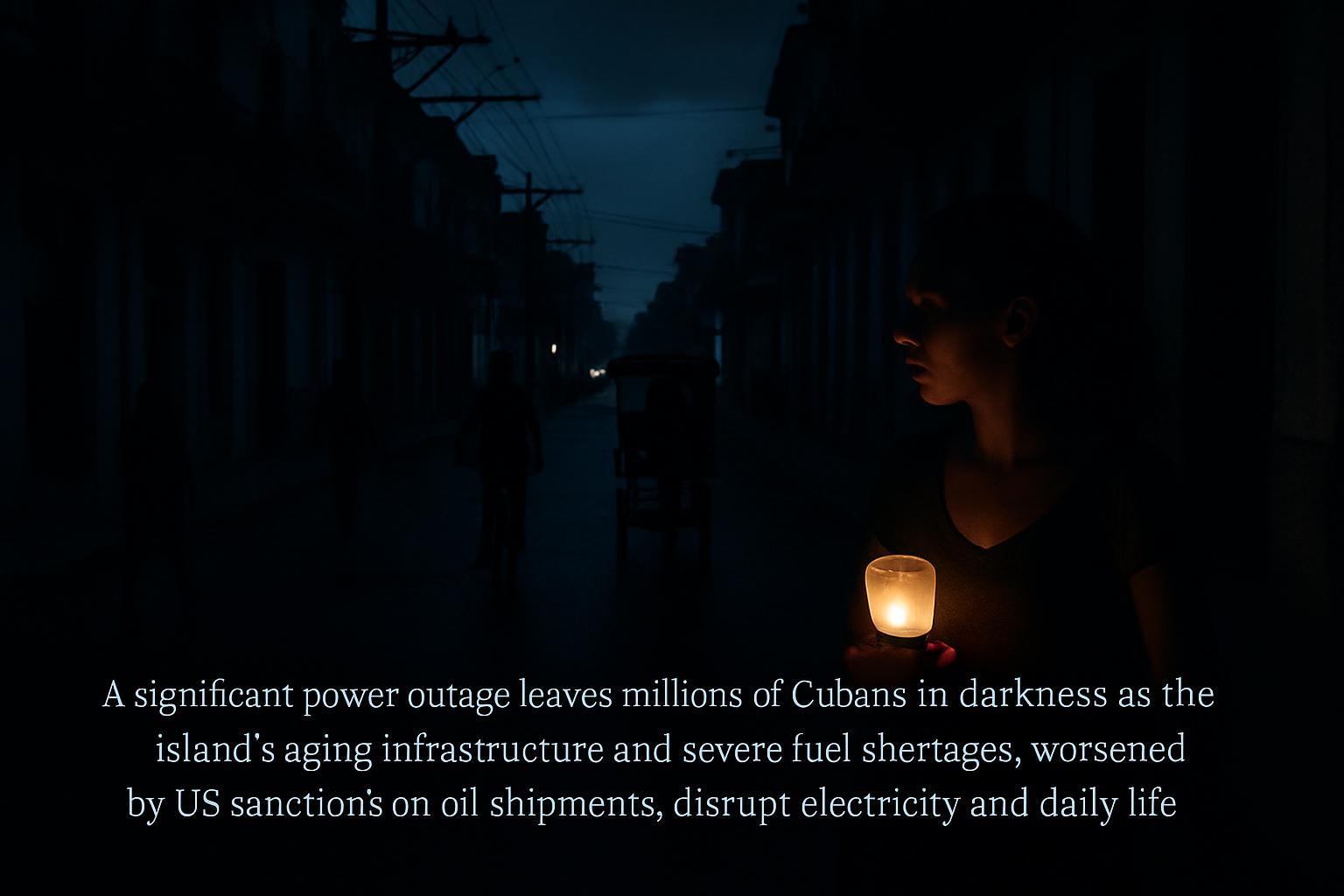
Cuba Faces Widespread Blackout Amid Deepening Fuel Crisis
US Military Strikes on Alleged Drug Boats Raise Legal Concerns
In This Article
 Ethan Brooks| Published
 HIGHLIGHTS
- Eleven alleged drug traffickers were killed in US military strikes on three boats in the Eastern Pacific and Caribbean.
- The US Southern Command claims the vessels were involved in narco-trafficking operations along known routes.
- Since September, over 40 strikes have been conducted, resulting in 145 fatalities, amid legal concerns over extrajudicial actions.
- The Trump administration justifies these actions as part of a formal armed conflict with drug cartels.
- Legal experts and advocacy groups question the legality of these strikes, citing a lack of due process and evidence.
In a series of coordinated military operations, the United States has intensified its campaign against alleged drug traffickers, resulting in the deaths of eleven individuals on three boats in the Eastern Pacific and Caribbean. The US Southern Command confirmed the strikes, stating that the vessels were navigating known narco-trafficking routes and were actively engaged in drug smuggling operations.
Escalating Campaign Against Narco-Terrorism
Since September, the Trump administration has authorized over 40 strikes targeting small vessels suspected of drug trafficking, leading to 145 fatalities. These operations are part of a broader strategy to combat what the administration terms "narco-terrorism." Defense Secretary Pete Hegseth emphasized the need to eliminate "narco-terrorists" to protect the US from the influx of drugs.
Legal and Ethical Challenges
The legality of these military actions has been questioned by legal experts and advocacy groups, who argue that the strikes may constitute extrajudicial killings. The Washington Office on Latin America criticized the lack of due process, suggesting that the administration is exercising unchecked authority to target individuals labeled as terrorists. Despite these concerns, the Trump administration maintains that the strikes are lawful, asserting that the US is in a formal armed conflict with drug cartels.
Impact on US-Venezuela Relations
The recent strikes follow the capture of Venezuelan President Nicolás Maduro, accused of collaborating with drug trafficking groups. This development has further strained US-Venezuela relations, with the Pentagon deploying warships near Venezuela to curb drug trafficking and illegal oil trade. The administration's actions have drawn international scrutiny, particularly regarding the evidence supporting these military interventions.
WHAT THIS MIGHT MEAN
The continuation of US military strikes on alleged drug trafficking boats could lead to heightened tensions in international waters, particularly if evidence of drug smuggling remains inconclusive. Legal challenges from the families of those killed may increase, potentially reaching international courts. The Trump administration's stance on narco-terrorism could influence future US foreign policy, especially in regions heavily impacted by drug trafficking. As the situation evolves, the international community may call for greater transparency and adherence to international law to prevent potential human rights violations.
Images from the Web
Related Articles
US and Israel Intensify Military Campaign as Iran's Capabilities Dwindle
Iran Postpones Khamenei Funeral Amid Escalating US-Israeli Strikes
Intensified US-Israel Strikes on Iran Spark Global Outcry
US-Iran Tensions Escalate Amid Renewed Nuclear Talks and Protests
Venezuelan Political Prisoners Seek Amnesty Amidst Hopes for Democratic Transition
Cuba Faces Widespread Blackout Amid Deepening Fuel Crisis