
US Homeland Security Shutdown Sparks Concerns Over Travel Delays and Immigration Reforms
In This Article
HIGHLIGHTS
- The US Department of Homeland Security (DHS) has entered a partial shutdown due to a funding impasse in Congress, affecting TSA and US Coast Guard operations.
- Democrats demand immigration reforms following the fatal shootings of Alex Pretti and Renee Good, blocking funding bills that lack these changes.
- TSA workers are expected to work without pay, potentially causing airport delays, while FEMA's disaster response capabilities may be limited.
- ICE and CBP operations remain largely unaffected due to prior funding from the "One Big Beautiful Bill Act."
- Congress is in recess until February 23, but lawmakers could return earlier if a funding deal seems imminent.
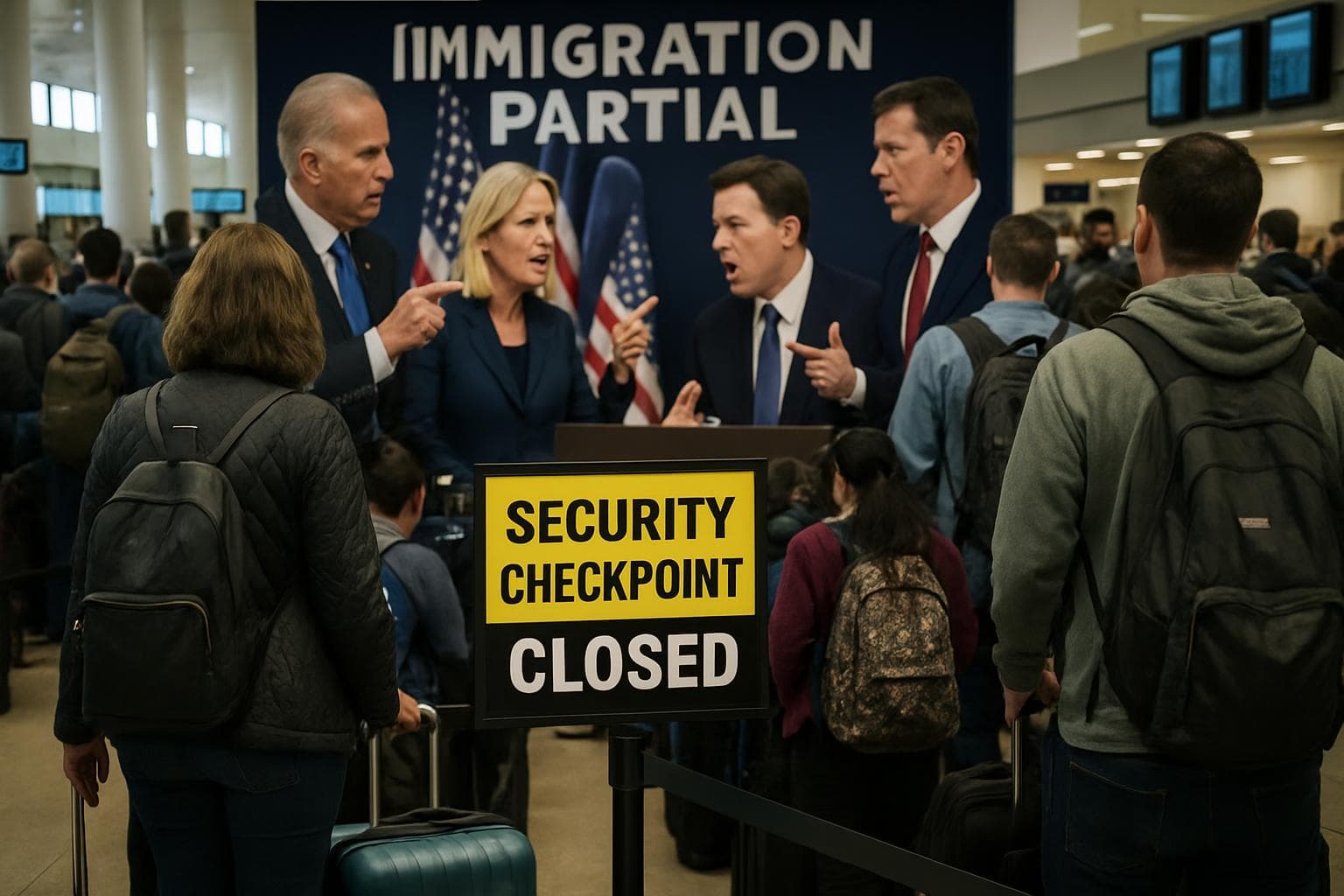
The United States Department of Homeland Security (DHS) has entered a partial shutdown after Congress failed to agree on a funding bill, raising concerns about potential disruptions to domestic travel and other essential services. The impasse, primarily driven by disagreements over immigration reforms, has left key agencies like the Transportation Security Administration (TSA) and the US Coast Guard vulnerable to operational challenges.
Funding Stalemate and Political Tensions
The shutdown commenced at midnight on Saturday, following a Senate vote that fell short of the 60-vote threshold needed to pass the DHS appropriations bill. The deadlock stems from Democratic demands for significant reforms in federal immigration operations, particularly in response to the fatal shootings of Alex Pretti and Renee Good by federal agents in Minneapolis. Democrats have called for measures such as banning immigration agents from wearing face masks and requiring judicial warrants for property entry.
Despite these demands, Republicans have resisted comprehensive changes, leading to a partisan standoff. Senate Minority Leader Chuck Schumer accused Republicans of fostering "chaos" by failing to negotiate in good faith.
Impact on Travel and Security Agencies
The shutdown is expected to impact several DHS agencies, with TSA workers required to continue their duties without pay. This situation raises the risk of unscheduled absences and longer wait times at airports, reminiscent of last year's 43-day government shutdown. While the Federal Aviation Administration remains funded, TSA's financial strain could lead to significant travel disruptions.
The US Coast Guard, another agency under DHS, faces similar challenges, with Vice Admiral Thomas Allan warning that prolonged funding gaps could hinder operations. Additionally, FEMA's ability to respond to natural disasters may be compromised due to furloughed workers.
Immigration Operations Largely Unaffected
In contrast, Immigration and Customs Enforcement (ICE) and Customs and Border Protection (CBP) operations are expected to continue largely unaffected. These agencies benefit from extensive funding secured through the "One Big Beautiful Bill Act" passed last year, ensuring their activities remain uninterrupted.
WHAT THIS MIGHT MEAN
As Congress enters a recess until February 23, the DHS shutdown could persist, potentially affecting President Trump's State of the Union address scheduled for the following day. However, lawmakers may return to Washington earlier if a breakthrough in negotiations appears likely. The ongoing impasse highlights the broader political struggle over immigration policy, with potential long-term implications for federal agency operations and public safety. Experts suggest that resolving the funding crisis will require bipartisan cooperation and a willingness to address contentious immigration issues head-on.
Related Articles
DHS Spokesperson Tricia McLaughlin to Depart Amidst Immigration Policy Controversy
Senate Stalemate Over DHS Funding Amid Immigration Reform Dispute
US Supreme Court Ruling on Trump's Tariffs Sparks Trade Policy Uncertainty
Don Lemon Pleads Not Guilty in Minnesota Church Protest Case

Trump Administration Ends Controversial Immigration Enforcement Surge in Minnesota
Trump's New Tariff Strategy Sparks Global Trade Uncertainty
US Homeland Security Shutdown Sparks Concerns Over Travel Delays and Immigration Reforms
In This Article
 Ethan Brooks| Published
 HIGHLIGHTS
- The US Department of Homeland Security (DHS) has entered a partial shutdown due to a funding impasse in Congress, affecting TSA and US Coast Guard operations.
- Democrats demand immigration reforms following the fatal shootings of Alex Pretti and Renee Good, blocking funding bills that lack these changes.
- TSA workers are expected to work without pay, potentially causing airport delays, while FEMA's disaster response capabilities may be limited.
- ICE and CBP operations remain largely unaffected due to prior funding from the "One Big Beautiful Bill Act."
- Congress is in recess until February 23, but lawmakers could return earlier if a funding deal seems imminent.
The United States Department of Homeland Security (DHS) has entered a partial shutdown after Congress failed to agree on a funding bill, raising concerns about potential disruptions to domestic travel and other essential services. The impasse, primarily driven by disagreements over immigration reforms, has left key agencies like the Transportation Security Administration (TSA) and the US Coast Guard vulnerable to operational challenges.
Funding Stalemate and Political Tensions
The shutdown commenced at midnight on Saturday, following a Senate vote that fell short of the 60-vote threshold needed to pass the DHS appropriations bill. The deadlock stems from Democratic demands for significant reforms in federal immigration operations, particularly in response to the fatal shootings of Alex Pretti and Renee Good by federal agents in Minneapolis. Democrats have called for measures such as banning immigration agents from wearing face masks and requiring judicial warrants for property entry.
Despite these demands, Republicans have resisted comprehensive changes, leading to a partisan standoff. Senate Minority Leader Chuck Schumer accused Republicans of fostering "chaos" by failing to negotiate in good faith.
Impact on Travel and Security Agencies
The shutdown is expected to impact several DHS agencies, with TSA workers required to continue their duties without pay. This situation raises the risk of unscheduled absences and longer wait times at airports, reminiscent of last year's 43-day government shutdown. While the Federal Aviation Administration remains funded, TSA's financial strain could lead to significant travel disruptions.
The US Coast Guard, another agency under DHS, faces similar challenges, with Vice Admiral Thomas Allan warning that prolonged funding gaps could hinder operations. Additionally, FEMA's ability to respond to natural disasters may be compromised due to furloughed workers.
Immigration Operations Largely Unaffected
In contrast, Immigration and Customs Enforcement (ICE) and Customs and Border Protection (CBP) operations are expected to continue largely unaffected. These agencies benefit from extensive funding secured through the "One Big Beautiful Bill Act" passed last year, ensuring their activities remain uninterrupted.
WHAT THIS MIGHT MEAN
As Congress enters a recess until February 23, the DHS shutdown could persist, potentially affecting President Trump's State of the Union address scheduled for the following day. However, lawmakers may return to Washington earlier if a breakthrough in negotiations appears likely. The ongoing impasse highlights the broader political struggle over immigration policy, with potential long-term implications for federal agency operations and public safety. Experts suggest that resolving the funding crisis will require bipartisan cooperation and a willingness to address contentious immigration issues head-on.
Related Articles
DHS Spokesperson Tricia McLaughlin to Depart Amidst Immigration Policy Controversy
Senate Stalemate Over DHS Funding Amid Immigration Reform Dispute
US Supreme Court Ruling on Trump's Tariffs Sparks Trade Policy Uncertainty
Don Lemon Pleads Not Guilty in Minnesota Church Protest Case
Trump Administration Ends Controversial Immigration Enforcement Surge in Minnesota
Trump's New Tariff Strategy Sparks Global Trade Uncertainty