
US Immigration Policy Under Scrutiny Amid Rising Tensions and Calls for Transparency
In This Article
HIGHLIGHTS
- Immigration officials defended the Trump administration's policies amid public outrage over the killing of two US citizens by ICE agents.
- ICE and CBP agents are increasingly using body-worn cameras, with over 3,000 ICE officers already equipped.
- The ICE List website, based in Europe, aims to expose the identities of US immigration agents, drawing significant public interest.
- Tensions rise as federal agents wear masks and conceal identities during operations, sparking debate over transparency and accountability.
- Lawmakers question the recruitment and training standards of ICE and CBP amid calls for increased transparency.
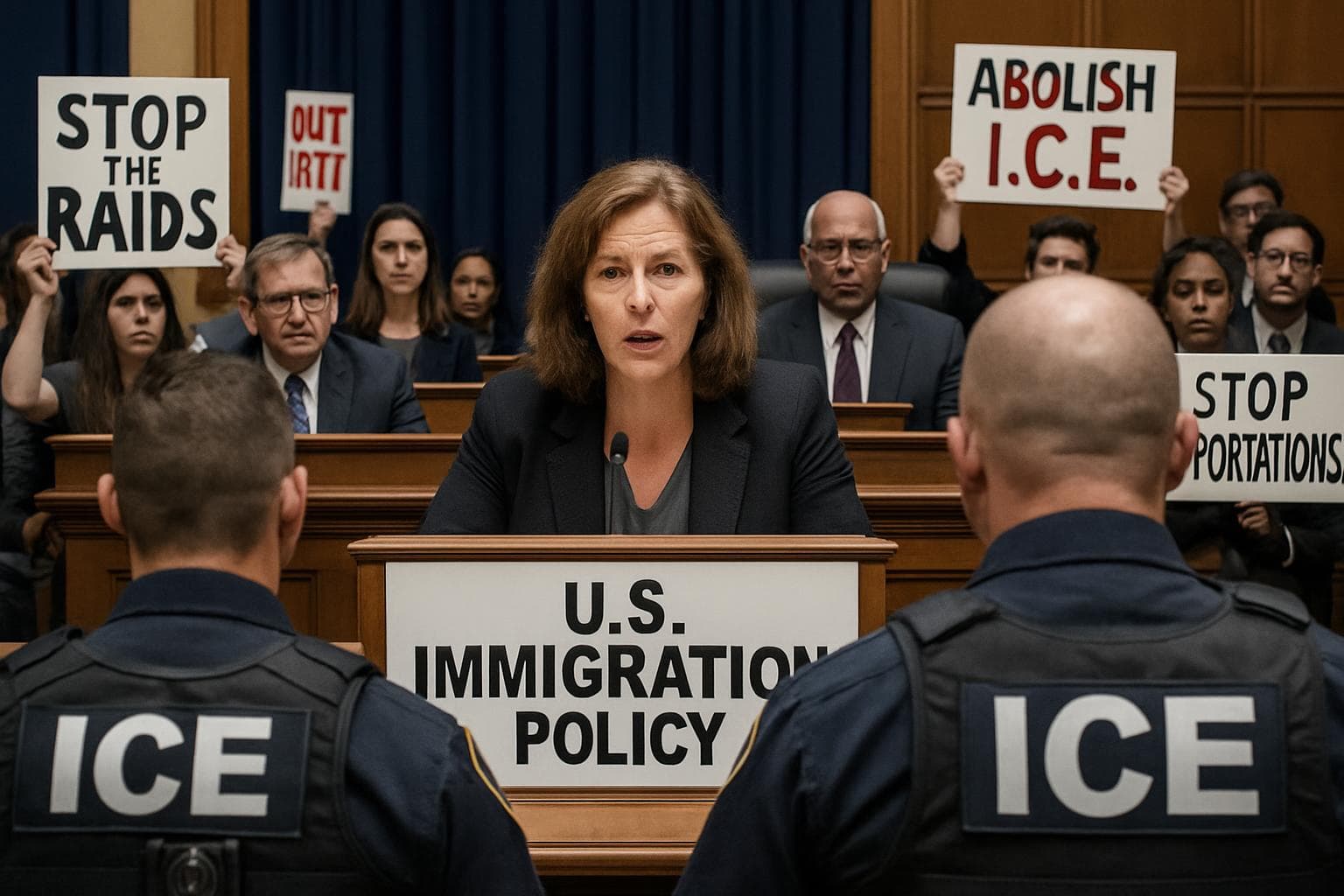
The Trump administration's immigration policies have come under intense scrutiny following the fatal shooting of two US citizens by Immigration and Customs Enforcement (ICE) agents. During a congressional hearing, top immigration officials defended the administration's actions, emphasizing their commitment to enforcing immigration laws despite public backlash.
Congressional Hearing Highlights
The hearing, held on Tuesday, saw acting ICE head Todd Lyons and Customs and Border Protection (CBP) Commissioner Rodney Scott face tough questions from lawmakers. The session focused on the recent deaths of Alex Pretti and Renee Good in Minneapolis, which have sparked nationwide protests. Lyons stated, "Let me send a message to anyone who thinks they can intimidate us. You will fail," as he defended the agency's actions.
A significant portion of the hearing was dedicated to discussing the implementation of body-worn cameras for federal agents. Lyons revealed that over 3,000 ICE officers are now equipped with these cameras, with plans to deploy an additional 6,000. Scott noted that 10,000 out of 20,000 CBP agents have also been equipped with cameras. This move aims to increase transparency amid growing public concern over the conduct of federal agents.
The ICE List: Exposing Federal Agents
Meanwhile, a European-based website, ICE List, has gained traction by publishing the identities of US immigration agents. Founded by Dominick Skinner, the site has mobilized hundreds of volunteers to crowdsource information on ICE agents, challenging the anonymity under which many operate. The website's mission has fueled the debate over the extent to which federal agents should be allowed to conceal their identities during operations.
Masked Agents and Public Concerns
The use of masks and other identity-concealing measures by federal agents has further inflamed tensions. Senate Democratic leader Chuck Schumer has called for legislation requiring ICE agents to remove masks and wear body cameras, emphasizing the need for accountability. The Department of Homeland Security (DHS) claims that such measures are necessary to protect agents from violence, although these claims have been met with skepticism.
Recruitment and Training Under Scrutiny
Lawmakers also raised concerns about the recruitment and training standards of ICE and CBP. Lyons stated that while the substance of ICE training remains unchanged, the schedule has been accelerated. Scott confirmed that CBP training standards have not been altered. The hearing featured heated exchanges, with officials declining to comment on calls for DHS Secretary Kristi Noem's resignation.
WHAT THIS MIGHT MEAN
As public scrutiny intensifies, the Trump administration may face increased pressure to enhance transparency and accountability within federal immigration agencies. The implementation of body-worn cameras could serve as a step toward rebuilding public trust, though the debate over agents' anonymity continues to pose challenges. The ICE List website's efforts to expose agent identities may further complicate the administration's efforts to maintain operational security.
Politically, the situation could lead to legislative battles over funding and oversight of the Department of Homeland Security. Lawmakers may push for stricter regulations on federal agents' conduct, potentially impacting future immigration enforcement strategies. As tensions persist, the administration's handling of these issues will likely influence public perception and policy direction in the coming months.
Related Articles

DHS Spokesperson Tricia McLaughlin to Depart Amidst Immigration Policy Controversy
Don Lemon Pleads Not Guilty in Minnesota Church Protest Case
US Homeland Security Shutdown Sparks Concerns Over Travel Delays and Immigration Reforms

Senate Stalemate Over DHS Funding Amid Immigration Reform Dispute

ICE Agents Under Investigation for Alleged False Testimony in Minneapolis Shooting

Trump Administration Ends Controversial Immigration Enforcement Surge in Minnesota
US Immigration Policy Under Scrutiny Amid Rising Tensions and Calls for Transparency
In This Article
 Ethan Brooks| Published
 HIGHLIGHTS
- Immigration officials defended the Trump administration's policies amid public outrage over the killing of two US citizens by ICE agents.
- ICE and CBP agents are increasingly using body-worn cameras, with over 3,000 ICE officers already equipped.
- The ICE List website, based in Europe, aims to expose the identities of US immigration agents, drawing significant public interest.
- Tensions rise as federal agents wear masks and conceal identities during operations, sparking debate over transparency and accountability.
- Lawmakers question the recruitment and training standards of ICE and CBP amid calls for increased transparency.
The Trump administration's immigration policies have come under intense scrutiny following the fatal shooting of two US citizens by Immigration and Customs Enforcement (ICE) agents. During a congressional hearing, top immigration officials defended the administration's actions, emphasizing their commitment to enforcing immigration laws despite public backlash.
Congressional Hearing Highlights
The hearing, held on Tuesday, saw acting ICE head Todd Lyons and Customs and Border Protection (CBP) Commissioner Rodney Scott face tough questions from lawmakers. The session focused on the recent deaths of Alex Pretti and Renee Good in Minneapolis, which have sparked nationwide protests. Lyons stated, "Let me send a message to anyone who thinks they can intimidate us. You will fail," as he defended the agency's actions.
A significant portion of the hearing was dedicated to discussing the implementation of body-worn cameras for federal agents. Lyons revealed that over 3,000 ICE officers are now equipped with these cameras, with plans to deploy an additional 6,000. Scott noted that 10,000 out of 20,000 CBP agents have also been equipped with cameras. This move aims to increase transparency amid growing public concern over the conduct of federal agents.
The ICE List: Exposing Federal Agents
Meanwhile, a European-based website, ICE List, has gained traction by publishing the identities of US immigration agents. Founded by Dominick Skinner, the site has mobilized hundreds of volunteers to crowdsource information on ICE agents, challenging the anonymity under which many operate. The website's mission has fueled the debate over the extent to which federal agents should be allowed to conceal their identities during operations.
Masked Agents and Public Concerns
The use of masks and other identity-concealing measures by federal agents has further inflamed tensions. Senate Democratic leader Chuck Schumer has called for legislation requiring ICE agents to remove masks and wear body cameras, emphasizing the need for accountability. The Department of Homeland Security (DHS) claims that such measures are necessary to protect agents from violence, although these claims have been met with skepticism.
Recruitment and Training Under Scrutiny
Lawmakers also raised concerns about the recruitment and training standards of ICE and CBP. Lyons stated that while the substance of ICE training remains unchanged, the schedule has been accelerated. Scott confirmed that CBP training standards have not been altered. The hearing featured heated exchanges, with officials declining to comment on calls for DHS Secretary Kristi Noem's resignation.
WHAT THIS MIGHT MEAN
As public scrutiny intensifies, the Trump administration may face increased pressure to enhance transparency and accountability within federal immigration agencies. The implementation of body-worn cameras could serve as a step toward rebuilding public trust, though the debate over agents' anonymity continues to pose challenges. The ICE List website's efforts to expose agent identities may further complicate the administration's efforts to maintain operational security.
Politically, the situation could lead to legislative battles over funding and oversight of the Department of Homeland Security. Lawmakers may push for stricter regulations on federal agents' conduct, potentially impacting future immigration enforcement strategies. As tensions persist, the administration's handling of these issues will likely influence public perception and policy direction in the coming months.
Related Articles
DHS Spokesperson Tricia McLaughlin to Depart Amidst Immigration Policy Controversy
Don Lemon Pleads Not Guilty in Minnesota Church Protest Case
US Homeland Security Shutdown Sparks Concerns Over Travel Delays and Immigration Reforms
Senate Stalemate Over DHS Funding Amid Immigration Reform Dispute
ICE Agents Under Investigation for Alleged False Testimony in Minneapolis Shooting
Trump Administration Ends Controversial Immigration Enforcement Surge in Minnesota