
Trump Administration Ends Controversial Immigration Enforcement Surge in Minnesota

In This Article
HIGHLIGHTS
- The Trump administration's immigration enforcement surge in Minnesota is concluding, as announced by border czar Tom Homan.
- Operation Metro Surge led to over 4,000 arrests, including individuals convicted of violent crimes, but also sparked protests due to the deaths of two US citizens.
- Minnesota Governor Tim Walz expressed cautious optimism about the drawdown but highlighted the economic and social damage caused by the operation.
- The surge involved unprecedented cooperation between federal agents and local law enforcement, with local jails notifying ICE of release dates for targeted individuals.
- The operation's conclusion follows significant public resistance and criticism from both Democratic and some Republican officials.
The Trump administration has announced the conclusion of its contentious immigration enforcement surge in Minnesota, a move that has been met with mixed reactions from local officials and communities. Tom Homan, President Donald Trump's border czar, confirmed the end of Operation Metro Surge during a press briefing, stating that the operation had achieved its objectives.
Operation Metro Surge and Its Impact
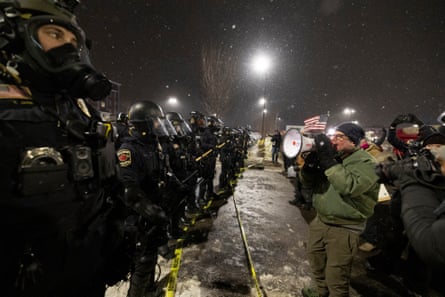
Launched in December, Operation Metro Surge resulted in the arrest of over 4,000 undocumented immigrants, including those convicted of violent crimes such as rape. However, the operation also drew nationwide protests following the deaths of two US citizens, Renee Good and Alex Pretti, at the hands of immigration officers. The surge, which saw federal agents outnumber local police in some areas, has left a lasting impact on Minnesota's communities.
Local and Federal Reactions
Minnesota Governor Tim Walz expressed cautious optimism about the drawdown of federal agents but emphasized the deep economic and social scars left by the operation. "They left us with deep damage, generational trauma," Walz stated, highlighting the need for a proposed $10 million emergency fund to support affected small businesses.
The operation's end comes after significant cooperation between federal agents and local law enforcement, with local jails increasingly notifying ICE of release dates for individuals targeted for deportation. Despite this, the operation faced resistance from activists and criticism from both Democratic and some Republican officials, including Senator Rand Paul, who welcomed the reduction of federal presence.
Community Response and Future Implications
The surge transformed Minnesota's suburbs into conflict zones, with local communities organizing to support immigrants fearful of leaving their homes. In some areas, the political climate complicated efforts to assist immigrants, forcing organizations to operate discreetly.
WHAT THIS MIGHT MEAN
As the federal agents withdraw, Minnesota faces the challenge of healing from the operation's economic and social impacts. Governor Walz's proposed emergency fund could provide much-needed relief to affected businesses, but the broader community will need time to recover from the trauma and disruption.
The conclusion of Operation Metro Surge may signal a shift in federal immigration policy, particularly in Democrat-led cities that have resisted such crackdowns. However, the ongoing presence of ICE in Minnesota suggests that immigration enforcement will remain a contentious issue, with potential legal and political ramifications as communities continue to advocate for immigrant rights and protections.
Images from the Web
Related Articles
Senate Blocks Resolution to Limit Trump's Military Actions in Iran
Spain's Sánchez Stands Firm Against Trump's Trade Threat Over Iran Stance

US-Iran Tensions Escalate Amid Renewed Nuclear Talks and Protests

Greenland Politely Declines Trump's Hospital Ship Offer Amid Healthcare Debate

Tech Giants Pledge to Cover AI Data Center Energy Costs Amid Rising Electricity Concerns

Congress Subpoenas Attorney General Bondi in Epstein Investigation
Trump Administration Ends Controversial Immigration Enforcement Surge in Minnesota
In This Article
 Ethan Brooks| Published
 HIGHLIGHTS
- The Trump administration's immigration enforcement surge in Minnesota is concluding, as announced by border czar Tom Homan.
- Operation Metro Surge led to over 4,000 arrests, including individuals convicted of violent crimes, but also sparked protests due to the deaths of two US citizens.
- Minnesota Governor Tim Walz expressed cautious optimism about the drawdown but highlighted the economic and social damage caused by the operation.
- The surge involved unprecedented cooperation between federal agents and local law enforcement, with local jails notifying ICE of release dates for targeted individuals.
- The operation's conclusion follows significant public resistance and criticism from both Democratic and some Republican officials.
The Trump administration has announced the conclusion of its contentious immigration enforcement surge in Minnesota, a move that has been met with mixed reactions from local officials and communities. Tom Homan, President Donald Trump's border czar, confirmed the end of Operation Metro Surge during a press briefing, stating that the operation had achieved its objectives.
Operation Metro Surge and Its Impact
Launched in December, Operation Metro Surge resulted in the arrest of over 4,000 undocumented immigrants, including those convicted of violent crimes such as rape. However, the operation also drew nationwide protests following the deaths of two US citizens, Renee Good and Alex Pretti, at the hands of immigration officers. The surge, which saw federal agents outnumber local police in some areas, has left a lasting impact on Minnesota's communities.
Local and Federal Reactions
Minnesota Governor Tim Walz expressed cautious optimism about the drawdown of federal agents but emphasized the deep economic and social scars left by the operation. "They left us with deep damage, generational trauma," Walz stated, highlighting the need for a proposed $10 million emergency fund to support affected small businesses.
The operation's end comes after significant cooperation between federal agents and local law enforcement, with local jails increasingly notifying ICE of release dates for individuals targeted for deportation. Despite this, the operation faced resistance from activists and criticism from both Democratic and some Republican officials, including Senator Rand Paul, who welcomed the reduction of federal presence.
Community Response and Future Implications
The surge transformed Minnesota's suburbs into conflict zones, with local communities organizing to support immigrants fearful of leaving their homes. In some areas, the political climate complicated efforts to assist immigrants, forcing organizations to operate discreetly.
WHAT THIS MIGHT MEAN
As the federal agents withdraw, Minnesota faces the challenge of healing from the operation's economic and social impacts. Governor Walz's proposed emergency fund could provide much-needed relief to affected businesses, but the broader community will need time to recover from the trauma and disruption.
The conclusion of Operation Metro Surge may signal a shift in federal immigration policy, particularly in Democrat-led cities that have resisted such crackdowns. However, the ongoing presence of ICE in Minnesota suggests that immigration enforcement will remain a contentious issue, with potential legal and political ramifications as communities continue to advocate for immigrant rights and protections.
Images from the Web
Related Articles
Senate Blocks Resolution to Limit Trump's Military Actions in Iran
Spain's Sánchez Stands Firm Against Trump's Trade Threat Over Iran Stance
US-Iran Tensions Escalate Amid Renewed Nuclear Talks and Protests
Greenland Politely Declines Trump's Hospital Ship Offer Amid Healthcare Debate
Tech Giants Pledge to Cover AI Data Center Energy Costs Amid Rising Electricity Concerns
Congress Subpoenas Attorney General Bondi in Epstein Investigation