
James Watson: A Legacy of Scientific Breakthrough and Controversy
In This Article
HIGHLIGHTS
- James Watson, co-discoverer of the DNA double helix, died at 97, leaving a complex legacy in science and ethics.
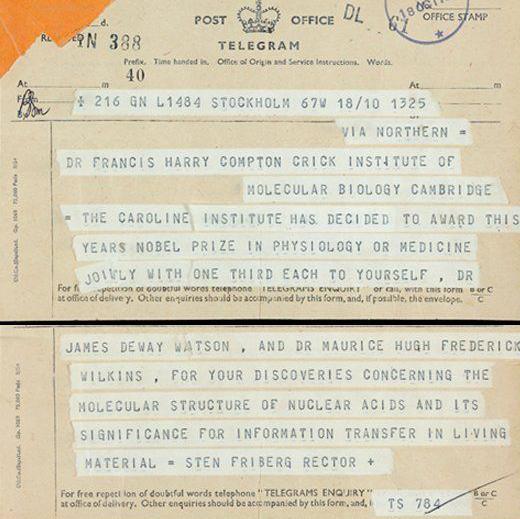
- Watson and Francis Crick's 1953 discovery revolutionized genetic research and earned them a Nobel Prize in Medicine in 1962.
- Watson's controversial remarks on race and intelligence led to professional ostracism and loss of honorary titles.
- Rosalind Franklin's crucial contributions to the DNA structure discovery were initially overlooked but are now recognized.
- Watson's work sparked ethical debates on genetic manipulation, cloning, and designer babies.
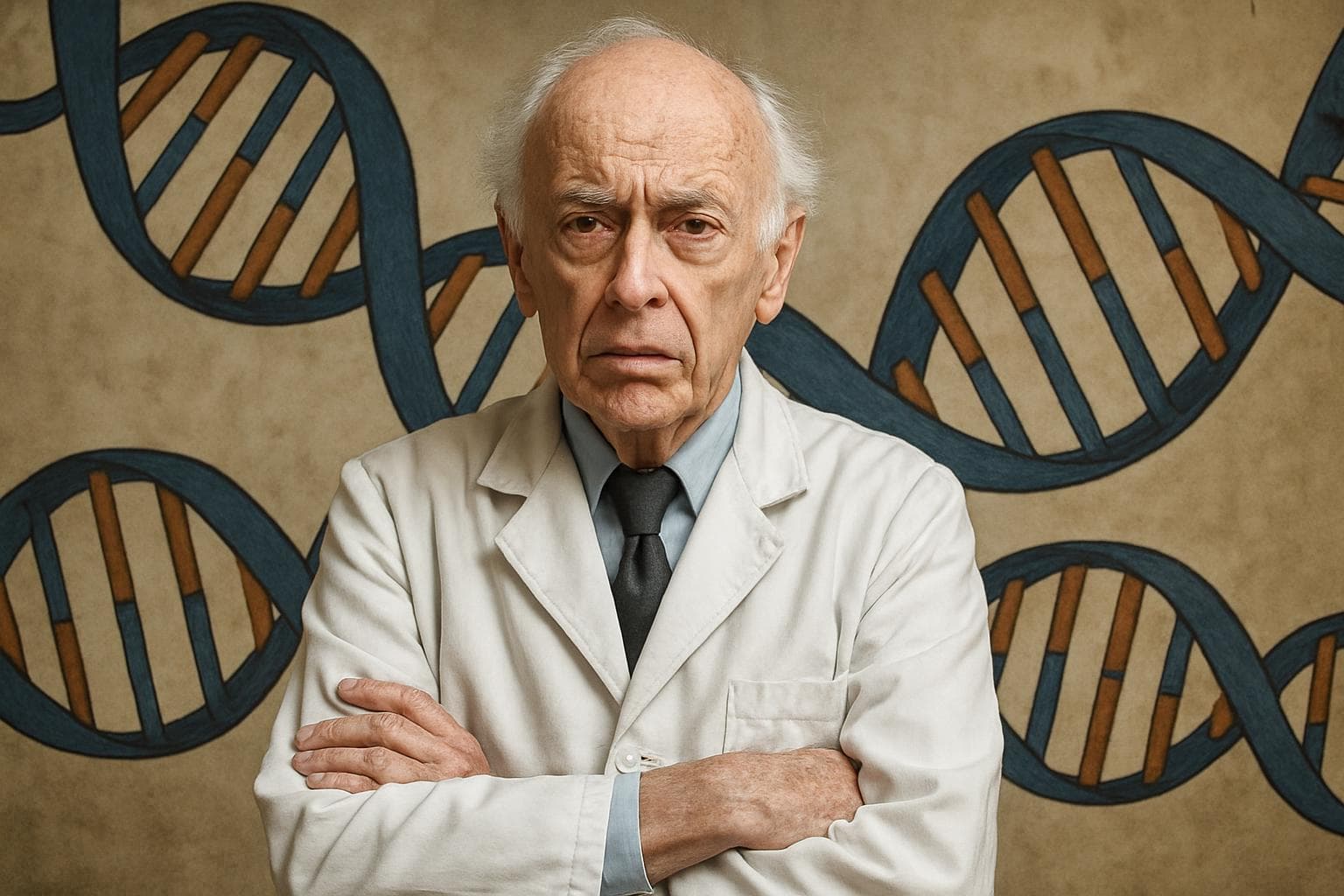
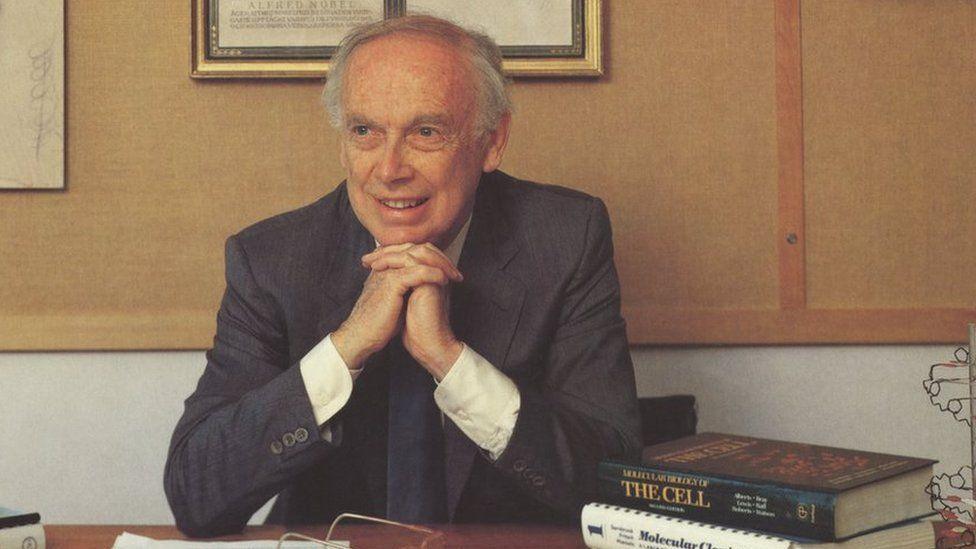
James Dewey Watson, the American scientist renowned for co-discovering the double helix structure of DNA, has passed away at the age of 97. His death marks the end of a storied career that not only transformed the field of genetic research but also sparked significant ethical debates.
The Discovery of the Century
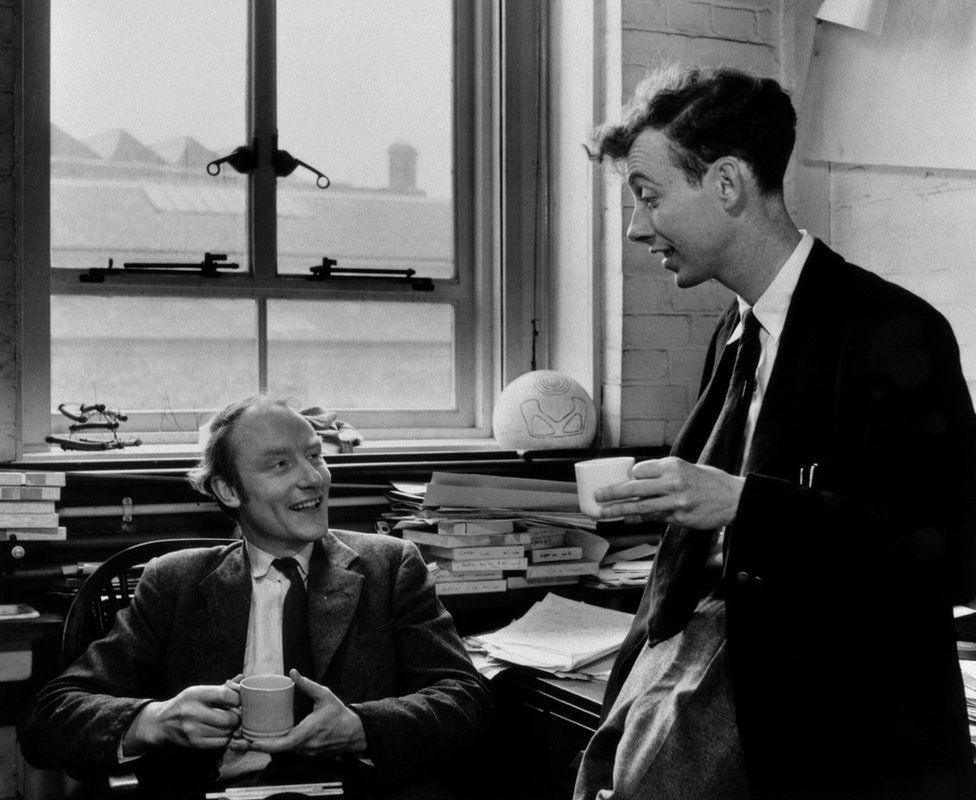
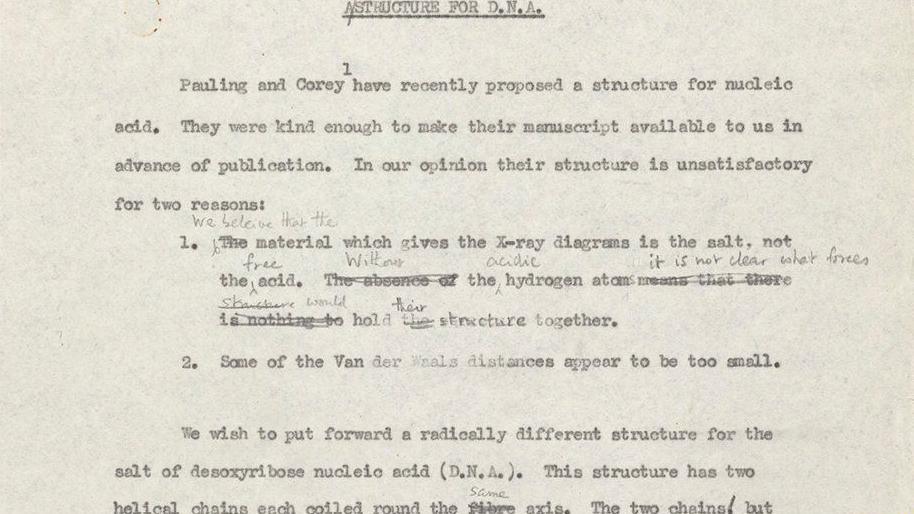
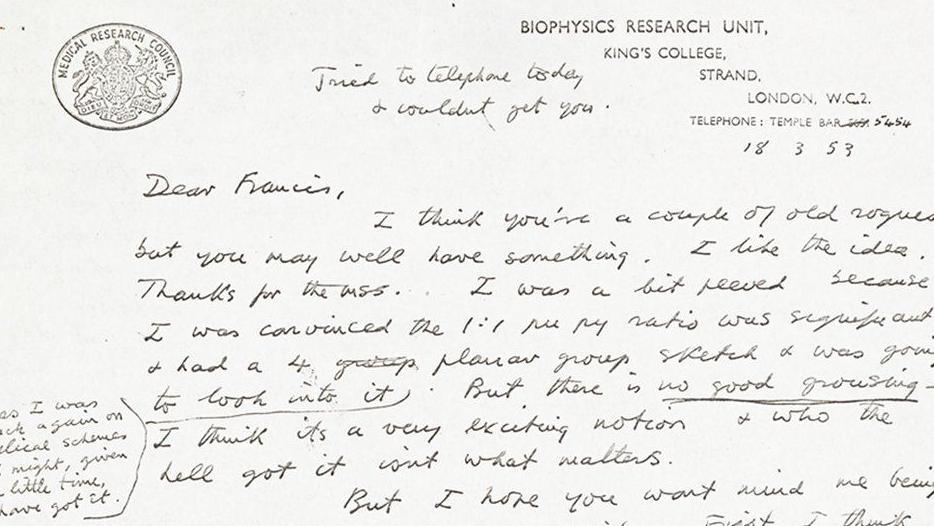
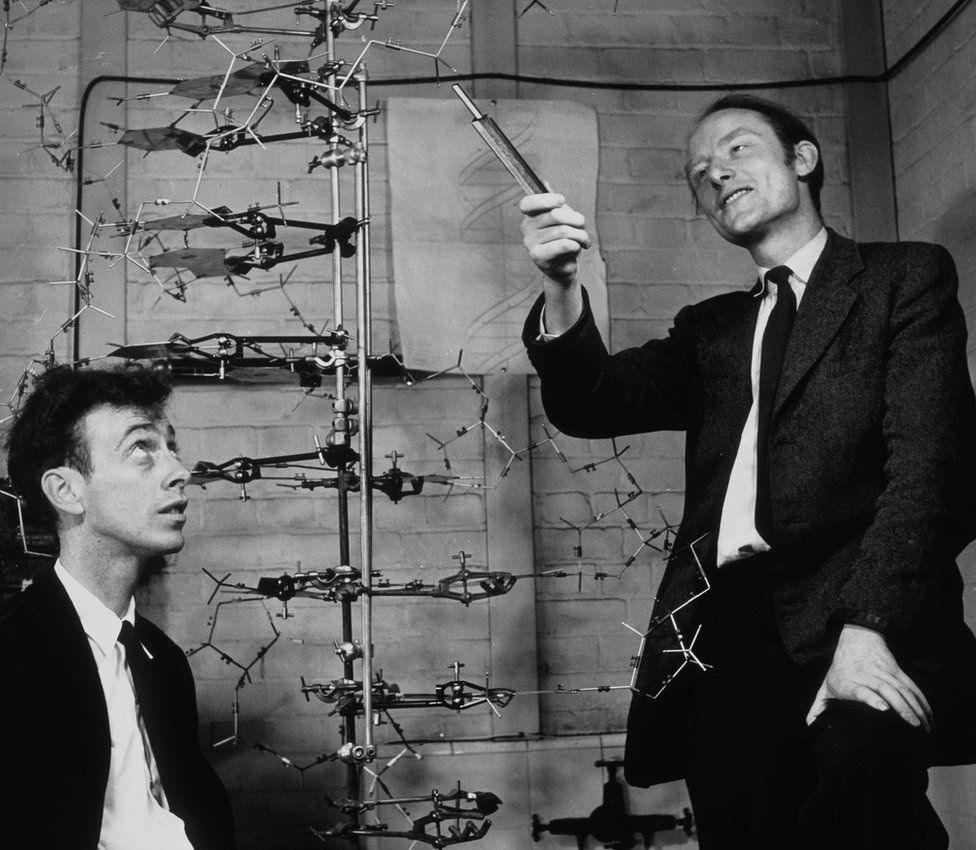
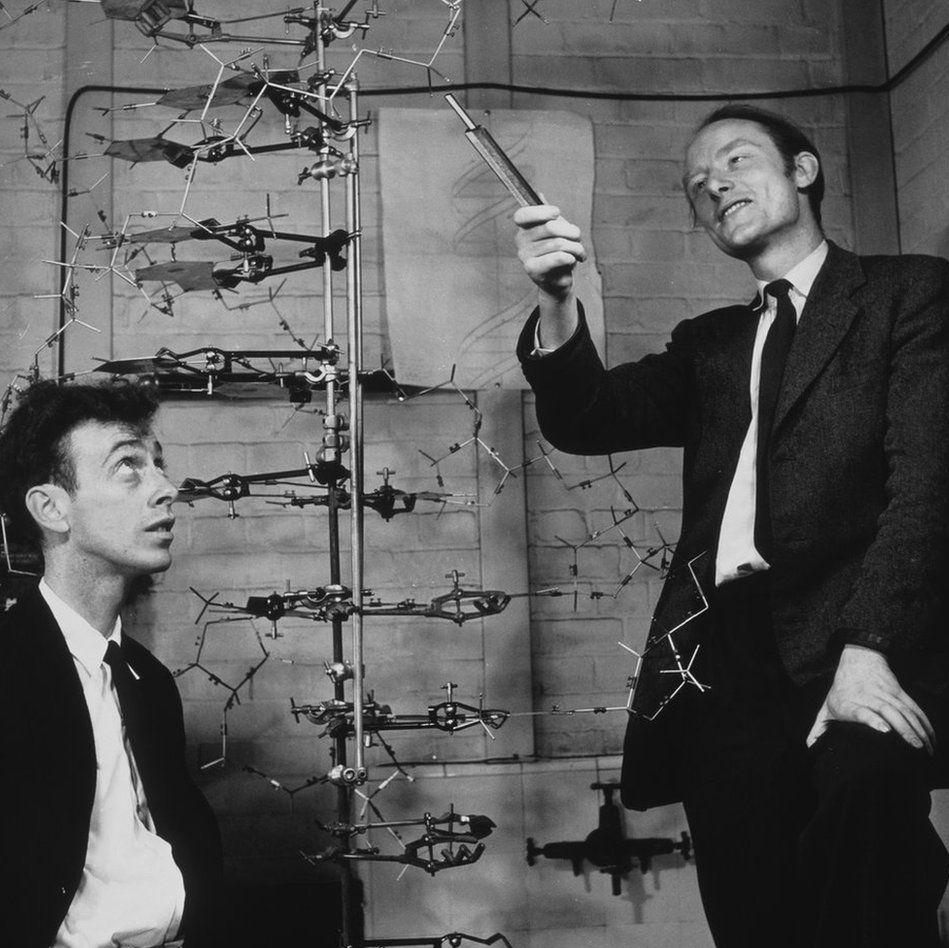
In 1953, Watson, alongside British scientist Francis Crick, unveiled the double helix structure of DNA, a breakthrough that fundamentally altered the landscape of molecular biology. This discovery, which earned them the Nobel Prize in Medicine in 1962, provided critical insights into how genetic information is stored and replicated within cells. Watson once reflected on their achievement, stating, "Francis Crick and I made the discovery of the century, that was pretty clear."
Controversial Remarks and Professional Fallout
Despite his monumental scientific contributions, Watson's later years were marred by controversy. His comments suggesting a genetic basis for differences in intelligence between races led to widespread condemnation. In 2007, he faced backlash for remarks made to the Sunday Times Magazine, which resulted in his resignation from Cold Spring Harbor Laboratory, where he had worked for decades. Further comments in 2019 led to the revocation of his honorary titles by the same institution, which stated, "Dr Watson's statements are reprehensible, unsupported by science."
Recognizing Rosalind Franklin's Role
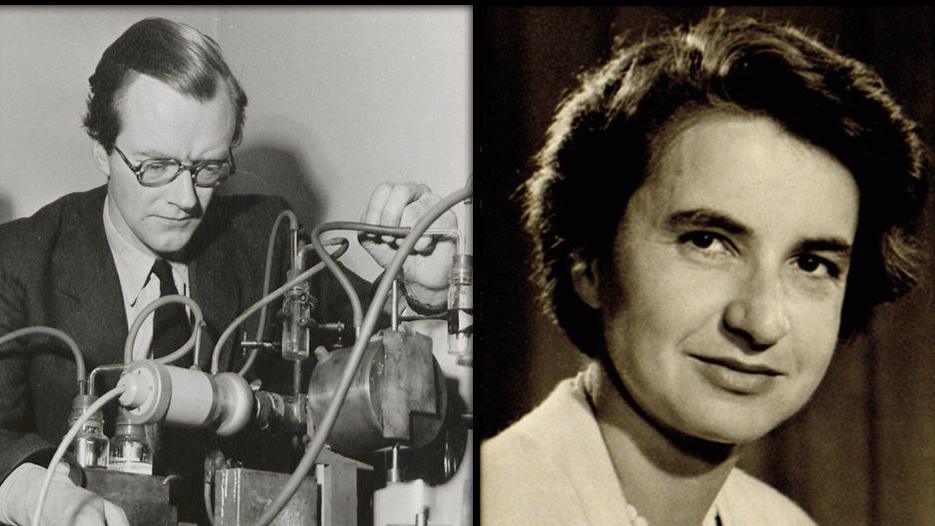
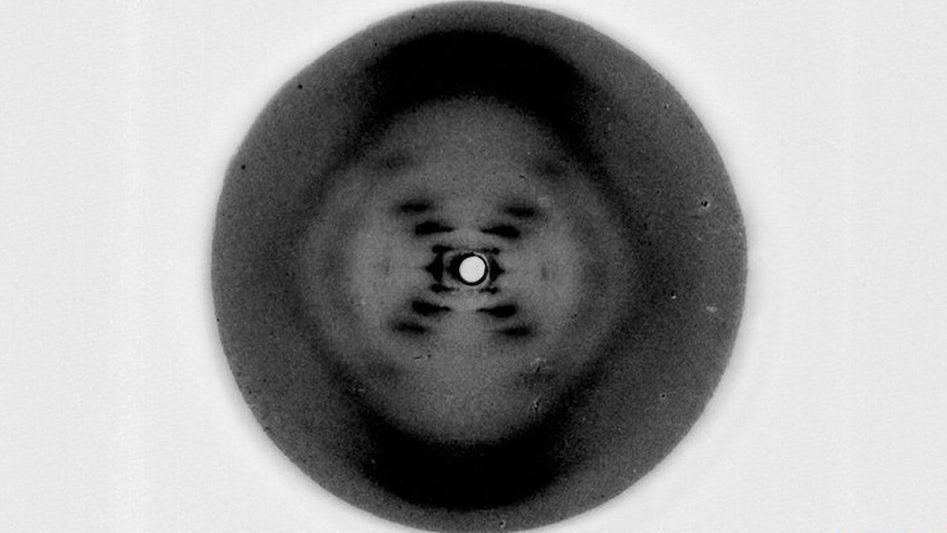
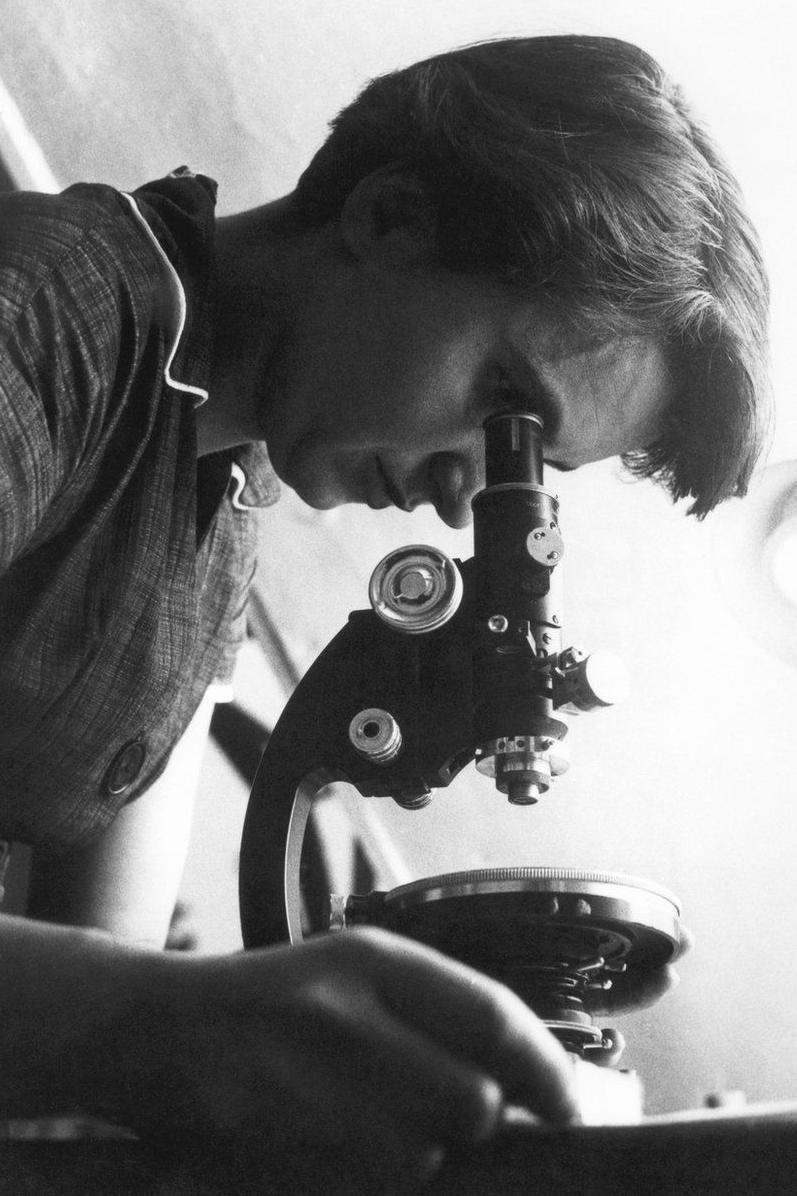
The story of DNA's discovery is incomplete without acknowledging Rosalind Franklin, whose X-ray diffraction images were pivotal to Watson and Crick's model. Although her contributions were initially overshadowed, Franklin is now celebrated for her integral role in this scientific milestone.
Ethical Implications and Legacy
Watson's work opened the door to numerous advancements in genetic research, including the Human Genome Project and developments in gene therapy. However, it also raised ethical questions about genetic manipulation, cloning, and the potential for "designer babies." Watson himself was a proponent of using genetic knowledge to combat diseases, driven by personal motivations, such as his son's health challenges.
WHAT THIS MIGHT MEAN
Watson's death prompts reflection on the dual nature of scientific legacy—one that encompasses groundbreaking achievements and contentious ethical debates. As genetic research continues to evolve, the ethical considerations first raised by Watson's work remain relevant. Future advancements in genetic engineering and personalized medicine will likely reignite discussions on the moral boundaries of scientific exploration. Experts suggest that the scientific community must balance innovation with ethical responsibility, ensuring that the benefits of genetic research are accessible and equitable.
Images from the Web

James Watson: A Legacy of Scientific Breakthrough and Controversy
In This Article
 Himanshu Kaushik| Published
 HIGHLIGHTS
- James Watson, co-discoverer of the DNA double helix, died at 97, leaving a complex legacy in science and ethics.
- Watson and Francis Crick's 1953 discovery revolutionized genetic research and earned them a Nobel Prize in Medicine in 1962.
- Watson's controversial remarks on race and intelligence led to professional ostracism and loss of honorary titles.
- Rosalind Franklin's crucial contributions to the DNA structure discovery were initially overlooked but are now recognized.
- Watson's work sparked ethical debates on genetic manipulation, cloning, and designer babies.
James Dewey Watson, the American scientist renowned for co-discovering the double helix structure of DNA, has passed away at the age of 97. His death marks the end of a storied career that not only transformed the field of genetic research but also sparked significant ethical debates.
The Discovery of the Century
In 1953, Watson, alongside British scientist Francis Crick, unveiled the double helix structure of DNA, a breakthrough that fundamentally altered the landscape of molecular biology. This discovery, which earned them the Nobel Prize in Medicine in 1962, provided critical insights into how genetic information is stored and replicated within cells. Watson once reflected on their achievement, stating, "Francis Crick and I made the discovery of the century, that was pretty clear."
Controversial Remarks and Professional Fallout
Despite his monumental scientific contributions, Watson's later years were marred by controversy. His comments suggesting a genetic basis for differences in intelligence between races led to widespread condemnation. In 2007, he faced backlash for remarks made to the Sunday Times Magazine, which resulted in his resignation from Cold Spring Harbor Laboratory, where he had worked for decades. Further comments in 2019 led to the revocation of his honorary titles by the same institution, which stated, "Dr Watson's statements are reprehensible, unsupported by science."
Recognizing Rosalind Franklin's Role
The story of DNA's discovery is incomplete without acknowledging Rosalind Franklin, whose X-ray diffraction images were pivotal to Watson and Crick's model. Although her contributions were initially overshadowed, Franklin is now celebrated for her integral role in this scientific milestone.
Ethical Implications and Legacy
Watson's work opened the door to numerous advancements in genetic research, including the Human Genome Project and developments in gene therapy. However, it also raised ethical questions about genetic manipulation, cloning, and the potential for "designer babies." Watson himself was a proponent of using genetic knowledge to combat diseases, driven by personal motivations, such as his son's health challenges.
WHAT THIS MIGHT MEAN
Watson's death prompts reflection on the dual nature of scientific legacy—one that encompasses groundbreaking achievements and contentious ethical debates. As genetic research continues to evolve, the ethical considerations first raised by Watson's work remain relevant. Future advancements in genetic engineering and personalized medicine will likely reignite discussions on the moral boundaries of scientific exploration. Experts suggest that the scientific community must balance innovation with ethical responsibility, ensuring that the benefits of genetic research are accessible and equitable.
Images from the Web