
UK Scientists Embark on Groundbreaking Synthetic Human Genome Project
In This Article
HIGHLIGHTS
- The Synthetic Human Genome Project aims to construct human DNA from scratch, potentially revolutionizing medical therapies.
- The Wellcome Trust has funded the project with an initial £10 million, marking a significant step in genetic research.
- Ethical concerns arise over potential misuse, such as creating designer babies or modified humans.
- The project involves leading UK institutions and will explore the social and ethical implications of genome synthesis.
- Researchers hope to develop disease-resistant cells and understand the "dark matter" of the genome.
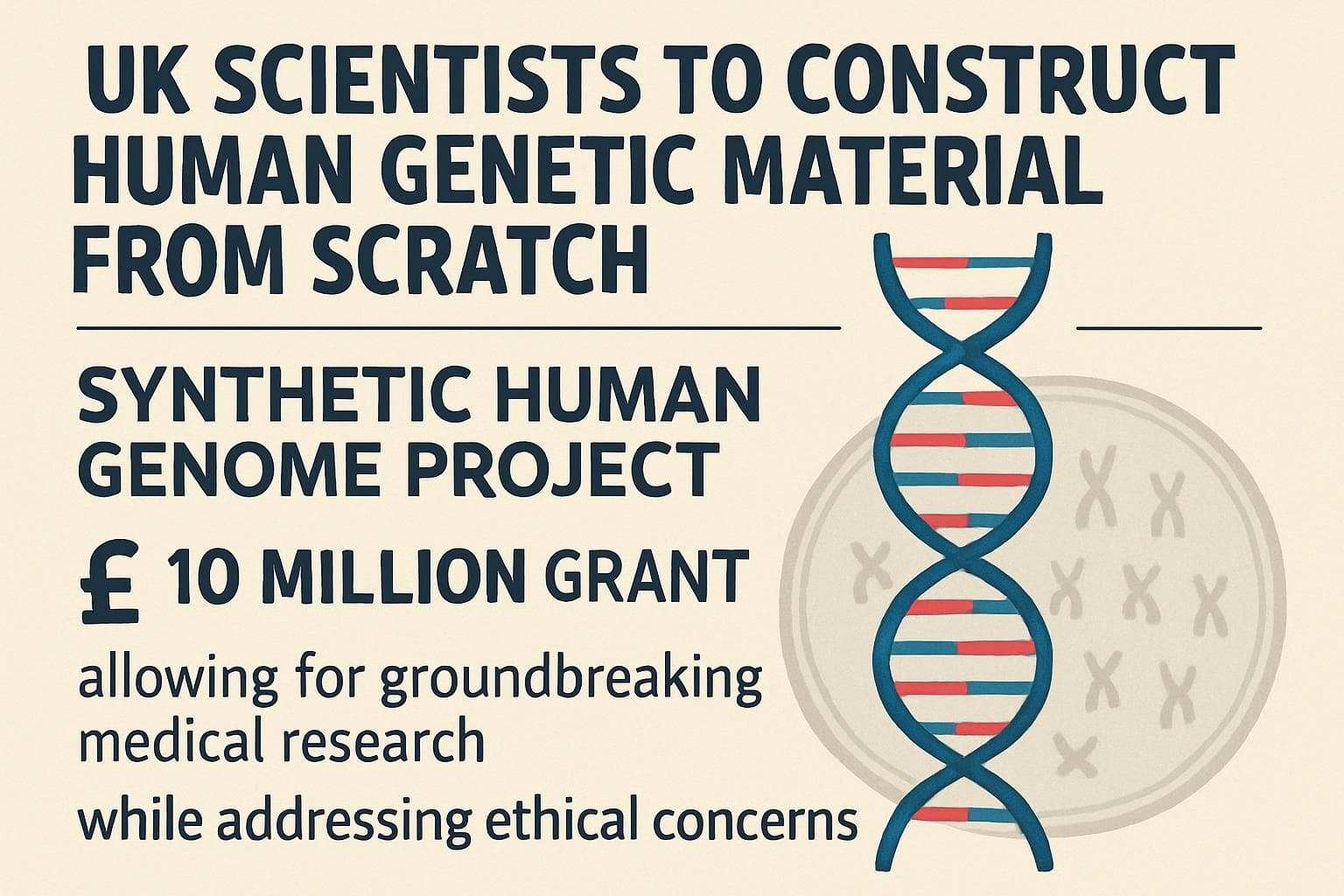
In a pioneering move, UK scientists have launched the Synthetic Human Genome Project, an ambitious initiative to construct human genetic material from scratch. This groundbreaking endeavor, supported by a £10 million grant from the Wellcome Trust, seeks to deepen our understanding of DNA and pave the way for innovative medical therapies.
A Leap Forward in Genetic Research
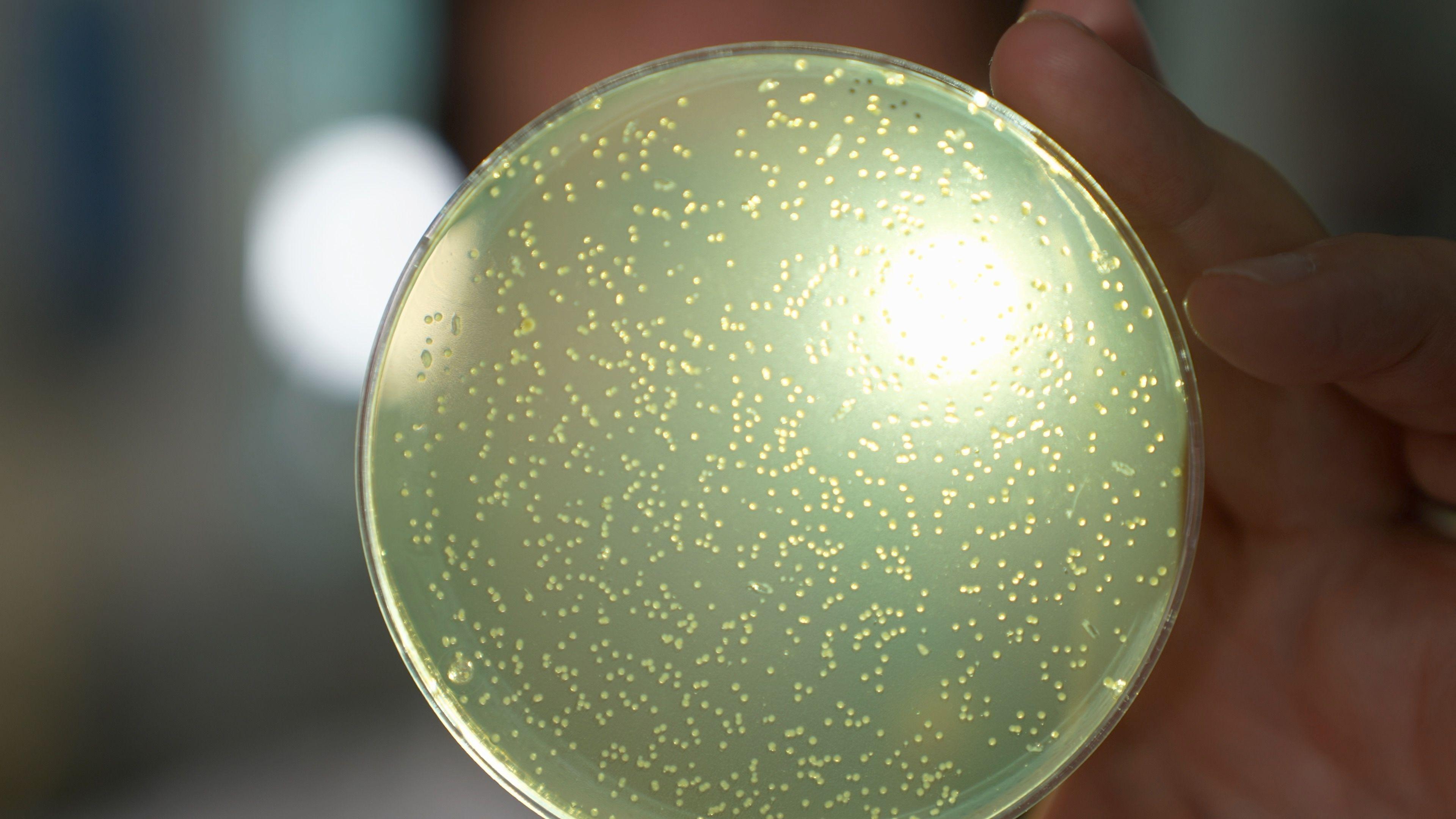
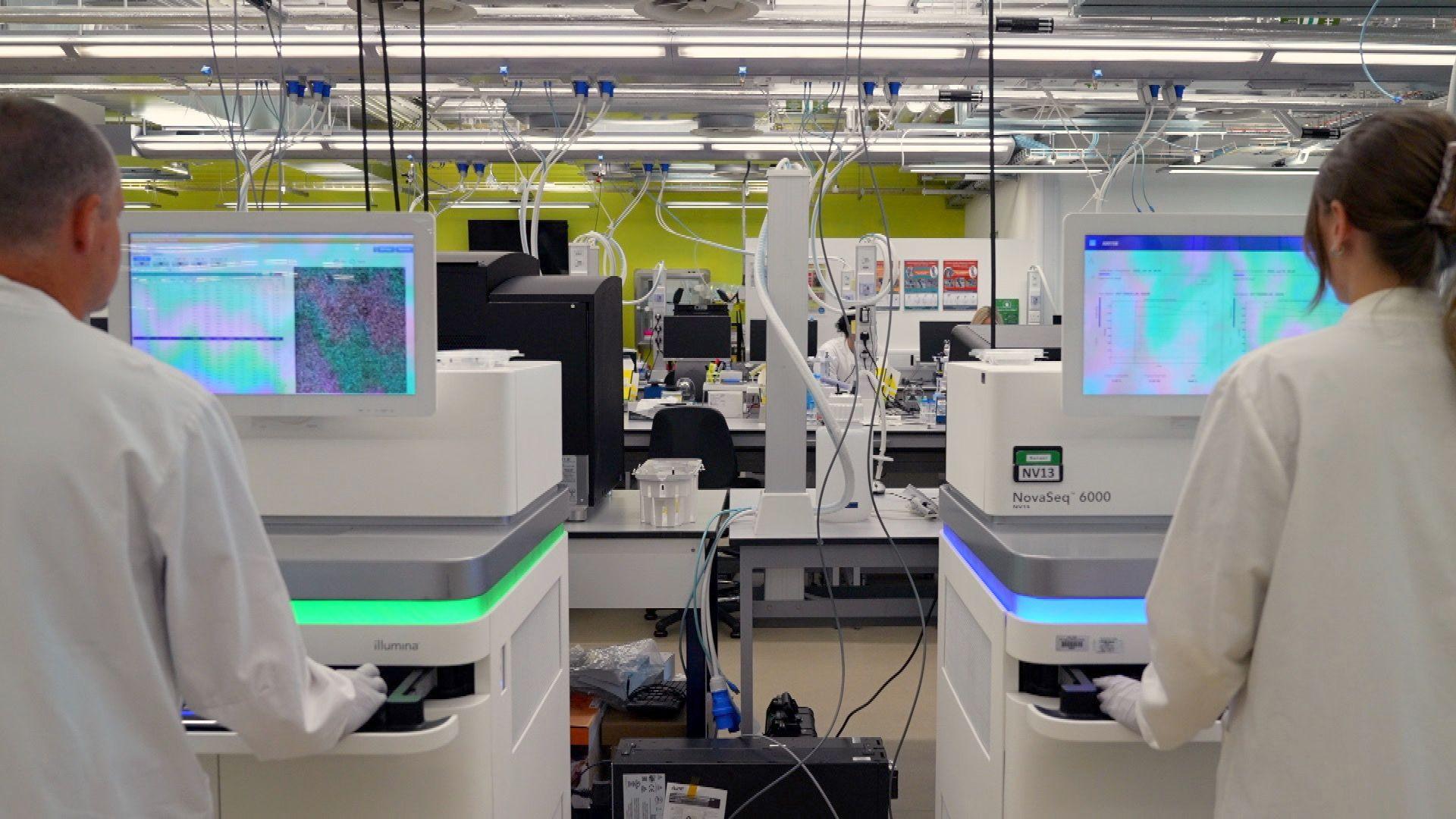
The project, led by the MRC Laboratory of Molecular Biology in Cambridge, aims to develop tools to build long sections of human DNA. These will be inserted into living cells to study how genetic code operates, potentially leading to therapies for diseases such as autoimmune disorders and chronic viral infections. "The sky is the limit," said Dr. Julian Sale, emphasizing the project's potential to improve health outcomes as people age.
Ethical Considerations and Concerns
Despite its promise, the project has sparked ethical concerns. Critics, including Dr. Pat Thomas from Beyond GM, warn of the risks of creating designer babies or modified humans. The initiative includes a parallel research effort into these ethical issues, led by Prof. Joy Zhang at the University of Kent. "This is the time to start the discussion on what we want to see and what we don’t want to see," Dr. Sale noted.
Building on Past Achievements
The Synthetic Human Genome Project builds on the legacy of the Human Genome Project, which mapped human DNA 25 years ago. While reading genomes has advanced rapidly, writing them remains challenging. The new project aims to synthesize human chromosomes, offering insights into the "dark matter" of the genome, as described by Dr. Sale. This could lead to synthetic mitochondria, potentially preventing mitochondrial diseases.
WHAT THIS MIGHT MEAN
As the Synthetic Human Genome Project progresses, it could significantly impact medical research and treatment. If successful, it may lead to breakthroughs in understanding genetic diseases and developing targeted therapies. However, ethical debates are likely to intensify, particularly concerning the potential for genetic modification and its societal implications. Experts like Prof. Iain Brassington emphasize the importance of addressing these issues early to guide responsible scientific advancement. The project's outcomes could redefine genetic engineering, but careful consideration of ethical boundaries will be crucial to its acceptance and success.
Images from the Web
Related Articles

Canada and Australia Forge Strategic Partnership Amid Global Uncertainty

UK Government to Reform Asylum Seeker Support and Employment Policies

Middle East Conflict Drives UK Energy Prices to New Highs

UK Faces Dilemmas Amid Iran Conflict and China Spying Allegations

UK Reinforces Military Presence in Cyprus Amid Middle East Tensions

Police Federation Chief Arrested Amid Fraud Investigation
UK Scientists Embark on Groundbreaking Synthetic Human Genome Project
In This Article
 Himanshu Kaushik| Published
 HIGHLIGHTS
- The Synthetic Human Genome Project aims to construct human DNA from scratch, potentially revolutionizing medical therapies.
- The Wellcome Trust has funded the project with an initial £10 million, marking a significant step in genetic research.
- Ethical concerns arise over potential misuse, such as creating designer babies or modified humans.
- The project involves leading UK institutions and will explore the social and ethical implications of genome synthesis.
- Researchers hope to develop disease-resistant cells and understand the "dark matter" of the genome.
In a pioneering move, UK scientists have launched the Synthetic Human Genome Project, an ambitious initiative to construct human genetic material from scratch. This groundbreaking endeavor, supported by a £10 million grant from the Wellcome Trust, seeks to deepen our understanding of DNA and pave the way for innovative medical therapies.
A Leap Forward in Genetic Research
The project, led by the MRC Laboratory of Molecular Biology in Cambridge, aims to develop tools to build long sections of human DNA. These will be inserted into living cells to study how genetic code operates, potentially leading to therapies for diseases such as autoimmune disorders and chronic viral infections. "The sky is the limit," said Dr. Julian Sale, emphasizing the project's potential to improve health outcomes as people age.
Ethical Considerations and Concerns
Despite its promise, the project has sparked ethical concerns. Critics, including Dr. Pat Thomas from Beyond GM, warn of the risks of creating designer babies or modified humans. The initiative includes a parallel research effort into these ethical issues, led by Prof. Joy Zhang at the University of Kent. "This is the time to start the discussion on what we want to see and what we don’t want to see," Dr. Sale noted.
Building on Past Achievements
The Synthetic Human Genome Project builds on the legacy of the Human Genome Project, which mapped human DNA 25 years ago. While reading genomes has advanced rapidly, writing them remains challenging. The new project aims to synthesize human chromosomes, offering insights into the "dark matter" of the genome, as described by Dr. Sale. This could lead to synthetic mitochondria, potentially preventing mitochondrial diseases.
WHAT THIS MIGHT MEAN
As the Synthetic Human Genome Project progresses, it could significantly impact medical research and treatment. If successful, it may lead to breakthroughs in understanding genetic diseases and developing targeted therapies. However, ethical debates are likely to intensify, particularly concerning the potential for genetic modification and its societal implications. Experts like Prof. Iain Brassington emphasize the importance of addressing these issues early to guide responsible scientific advancement. The project's outcomes could redefine genetic engineering, but careful consideration of ethical boundaries will be crucial to its acceptance and success.
Images from the Web
Related Articles
Canada and Australia Forge Strategic Partnership Amid Global Uncertainty
UK Government to Reform Asylum Seeker Support and Employment Policies
Middle East Conflict Drives UK Energy Prices to New Highs
UK Faces Dilemmas Amid Iran Conflict and China Spying Allegations
UK Reinforces Military Presence in Cyprus Amid Middle East Tensions
Police Federation Chief Arrested Amid Fraud Investigation