
Jesse Jackson's Legacy: A Lifelong Fight for Racial Equality and Social Justice

In This Article
HIGHLIGHTS
- Jesse Jackson, a prominent civil rights leader, passed away at the age of 84, leaving behind a legacy of activism and social justice.
- Beverly Lindsay and Yvonne Mosquito from Birmingham paid tribute to Jackson, highlighting his humility and relentless fight for equality.
- Diane Abbott emphasized Jackson's connection to the civil rights era and criticized the Labour party for not addressing racial equality.
- Jackson's UK visits, including a significant tour in 2007, underscored his commitment to addressing racial and economic injustices.
- Jackson's message remains relevant today, as noted by Bell Ribeiro-Addy, amid a resurgence of racism and the need for international solidarity.
The world mourns the loss of Jesse Jackson, a towering figure in the civil rights movement, who passed away at the age of 84. Known for his unwavering commitment to racial equality and social justice, Jackson's influence extended far beyond the United States, leaving an indelible mark on the UK as well.
Tributes from Birmingham
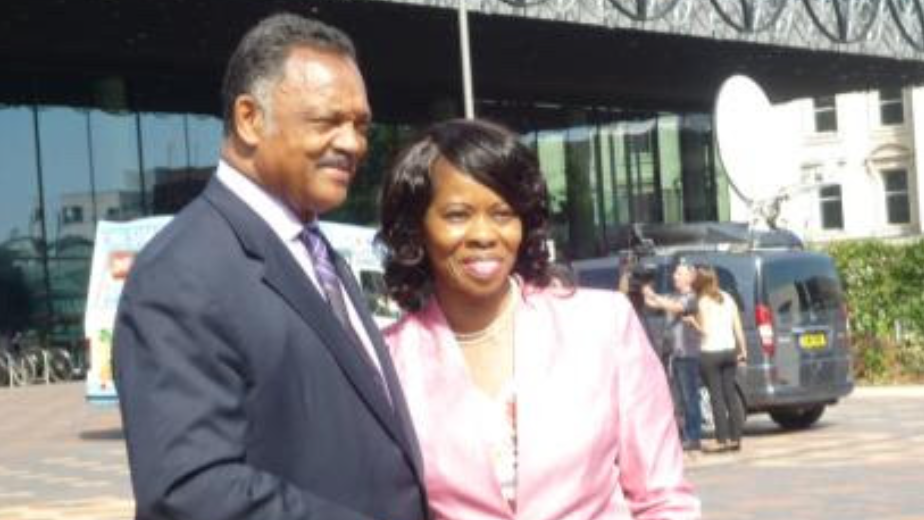
In Birmingham, UK, tributes poured in for Jackson, with community leaders recalling his humility and dedication. Beverly Lindsay, chair of Birmingham's Association of Jamaican Nationals, fondly remembered her encounters with Jackson, describing him as "lovely" and "humble." She recounted their first meeting in Chicago in 1993, where she was invited to his home, likening the experience to visiting a relative. Lindsay praised Jackson's courage and conviction, noting his powerful voice for the marginalized.
Birmingham city councillor Yvonne Mosquito echoed these sentiments, lauding Jackson as an "exceptional, relentless, and fearless champion of social justice." She highlighted his strategic clarity and moral conviction, emphasizing his lifelong dedication to building a fairer world.
A Connection to the Civil Rights Era
Diane Abbott, MP for Hackney North and Stoke Newington, led UK tributes, describing Jackson as a "direct connection to the great era of civil rights." She criticized the Labour party for its lack of focus on racial equality, warning of the dangers of ignoring racism. Abbott expressed hope for a turning point in the party's approach, stressing the importance of speaking up for diverse communities.
Bell Ribeiro-Addy, MP for Clapham and Brixton Hill, highlighted Jackson's relevance today, amid a resurgence of racism. She noted his commitment to international solidarity, drawing parallels with historical figures like Marcus Garvey and Kwame Nkrumah.
A Legacy of Activism
Jackson's visits to the UK, including a notable tour in 2007, underscored his commitment to addressing racial and economic injustices. His "Equanomics" tour, which included stops in cities like Manchester and Birmingham, highlighted the interconnected struggles of African descendant communities in the UK and America. Jackson's message of economic, racial, and social justice resonated with audiences, prefiguring conversations that gained prominence after the death of George Floyd.
WHAT THIS MIGHT MEAN
Jesse Jackson's passing marks the end of an era, but his legacy continues to inspire. As the UK grapples with issues of racial equality and social justice, Jackson's message remains pertinent. The Labour party faces pressure to address these challenges, with figures like Diane Abbott calling for a renewed focus on racial equality. Jackson's influence may spur further dialogue and action, as communities strive to uphold his vision of a fairer world. The resurgence of racism underscores the need for continued vigilance and solidarity, ensuring that Jackson's lifelong fight for justice endures.
Images from the Web
Related Articles
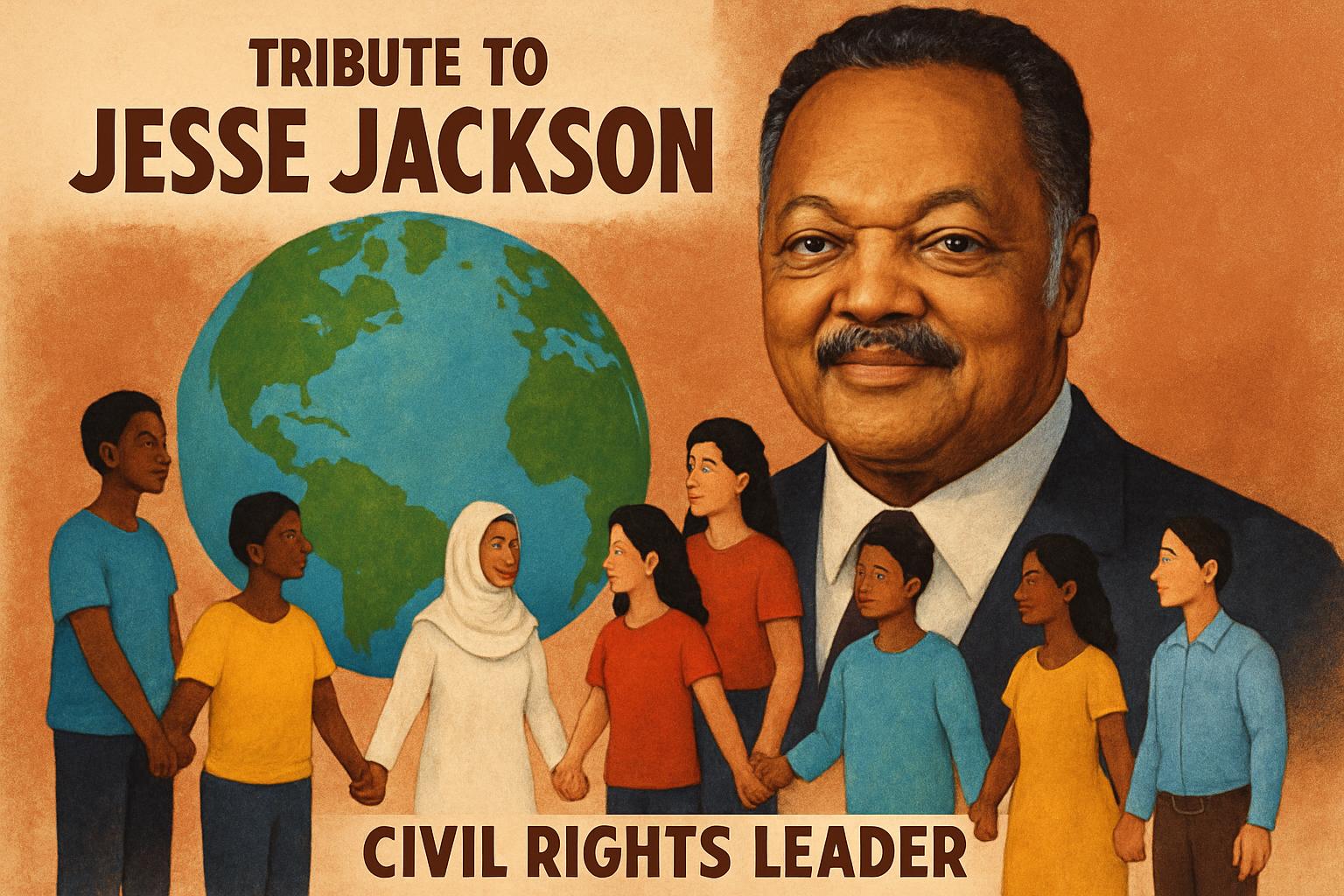
Jesse Jackson: A Legacy of Civil Rights Leadership and Global Impact
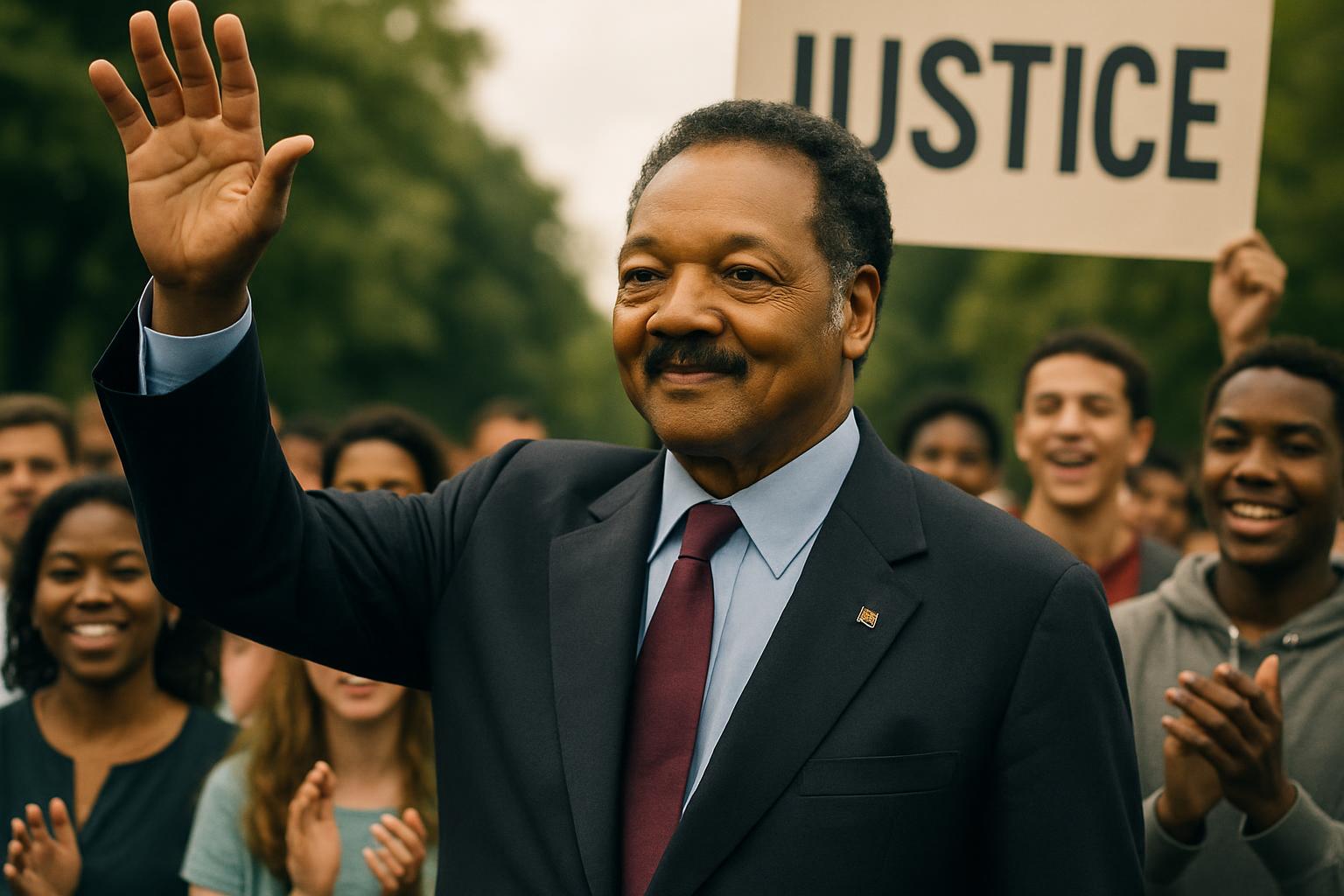
Jesse Jackson: A Legacy of Civil Rights and Political Trailblazing
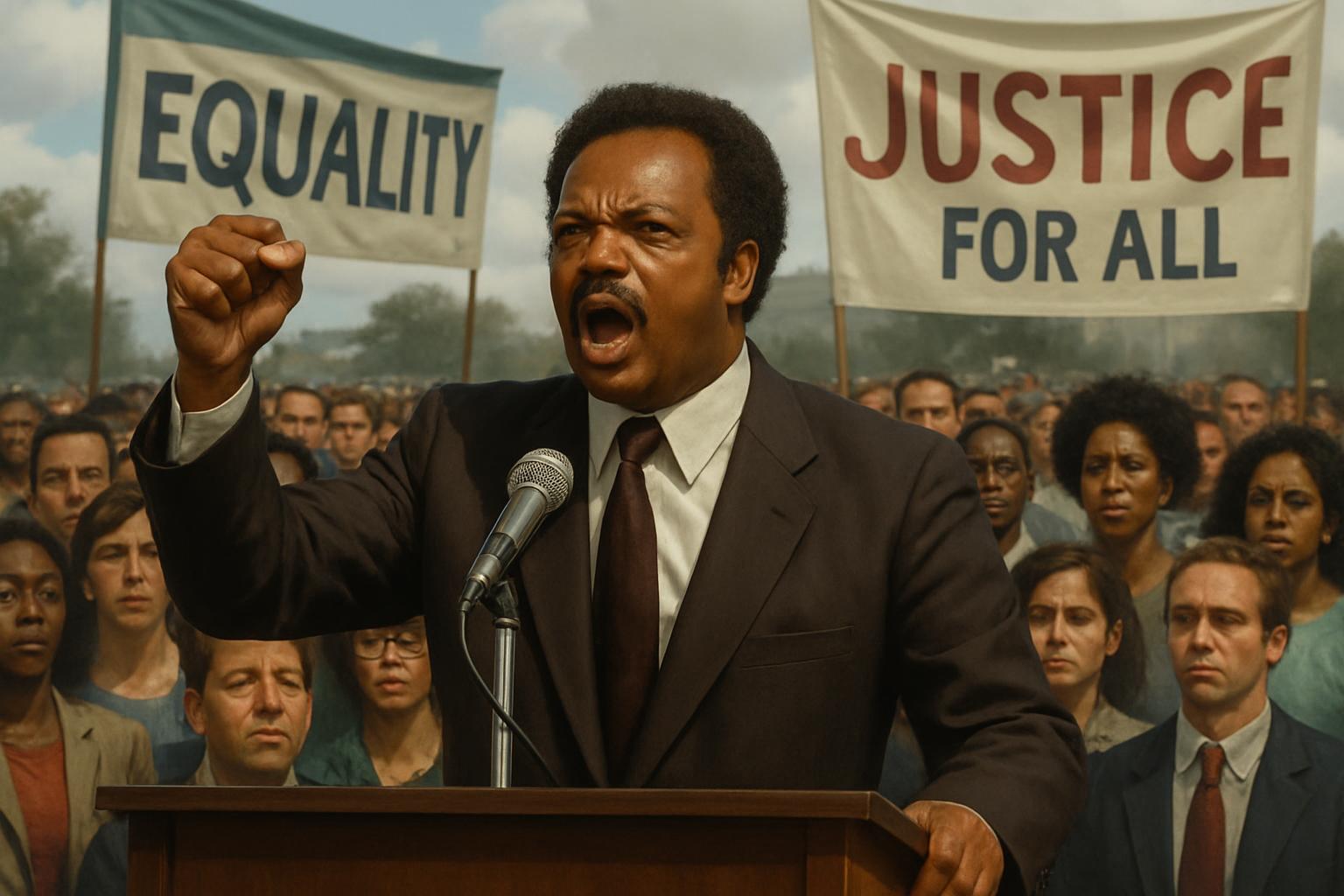
Jesse Jackson: A Legacy of Civil Rights and Political Change

Arrest of Andrew Mountbatten-Windsor Captured in Iconic Photograph

Rail Upgrades and Fire Cause Major Disruptions Across UK Rail Network

Matt Goodwin to Stand for Reform UK in Gorton and Denton By-Election Amidst Political Tensions
Jesse Jackson's Legacy: A Lifelong Fight for Racial Equality and Social Justice
In This Article
 Alex Carter| Published
 HIGHLIGHTS
- Jesse Jackson, a prominent civil rights leader, passed away at the age of 84, leaving behind a legacy of activism and social justice.
- Beverly Lindsay and Yvonne Mosquito from Birmingham paid tribute to Jackson, highlighting his humility and relentless fight for equality.
- Diane Abbott emphasized Jackson's connection to the civil rights era and criticized the Labour party for not addressing racial equality.
- Jackson's UK visits, including a significant tour in 2007, underscored his commitment to addressing racial and economic injustices.
- Jackson's message remains relevant today, as noted by Bell Ribeiro-Addy, amid a resurgence of racism and the need for international solidarity.
The world mourns the loss of Jesse Jackson, a towering figure in the civil rights movement, who passed away at the age of 84. Known for his unwavering commitment to racial equality and social justice, Jackson's influence extended far beyond the United States, leaving an indelible mark on the UK as well.
Tributes from Birmingham
In Birmingham, UK, tributes poured in for Jackson, with community leaders recalling his humility and dedication. Beverly Lindsay, chair of Birmingham's Association of Jamaican Nationals, fondly remembered her encounters with Jackson, describing him as "lovely" and "humble." She recounted their first meeting in Chicago in 1993, where she was invited to his home, likening the experience to visiting a relative. Lindsay praised Jackson's courage and conviction, noting his powerful voice for the marginalized.
Birmingham city councillor Yvonne Mosquito echoed these sentiments, lauding Jackson as an "exceptional, relentless, and fearless champion of social justice." She highlighted his strategic clarity and moral conviction, emphasizing his lifelong dedication to building a fairer world.
A Connection to the Civil Rights Era
Diane Abbott, MP for Hackney North and Stoke Newington, led UK tributes, describing Jackson as a "direct connection to the great era of civil rights." She criticized the Labour party for its lack of focus on racial equality, warning of the dangers of ignoring racism. Abbott expressed hope for a turning point in the party's approach, stressing the importance of speaking up for diverse communities.
Bell Ribeiro-Addy, MP for Clapham and Brixton Hill, highlighted Jackson's relevance today, amid a resurgence of racism. She noted his commitment to international solidarity, drawing parallels with historical figures like Marcus Garvey and Kwame Nkrumah.
A Legacy of Activism
Jackson's visits to the UK, including a notable tour in 2007, underscored his commitment to addressing racial and economic injustices. His "Equanomics" tour, which included stops in cities like Manchester and Birmingham, highlighted the interconnected struggles of African descendant communities in the UK and America. Jackson's message of economic, racial, and social justice resonated with audiences, prefiguring conversations that gained prominence after the death of George Floyd.
WHAT THIS MIGHT MEAN
Jesse Jackson's passing marks the end of an era, but his legacy continues to inspire. As the UK grapples with issues of racial equality and social justice, Jackson's message remains pertinent. The Labour party faces pressure to address these challenges, with figures like Diane Abbott calling for a renewed focus on racial equality. Jackson's influence may spur further dialogue and action, as communities strive to uphold his vision of a fairer world. The resurgence of racism underscores the need for continued vigilance and solidarity, ensuring that Jackson's lifelong fight for justice endures.
Images from the Web
Related Articles
Jesse Jackson: A Legacy of Civil Rights Leadership and Global Impact
Jesse Jackson: A Legacy of Civil Rights and Political Trailblazing
Jesse Jackson: A Legacy of Civil Rights and Political Change
Arrest of Andrew Mountbatten-Windsor Captured in Iconic Photograph
Rail Upgrades and Fire Cause Major Disruptions Across UK Rail Network
Matt Goodwin to Stand for Reform UK in Gorton and Denton By-Election Amidst Political Tensions