
Jesse Jackson: A Legacy of Civil Rights and Political Change
In This Article
HIGHLIGHTS
- Jesse Jackson, a pivotal civil rights leader, passed away at 84, leaving a legacy of political activism and advocacy for racial justice.
- Jackson's presidential campaigns in the 1980s paved the way for future African American leaders, including Barack Obama.
- He founded the Rainbow PUSH Coalition, focusing on social justice and civil rights, and was a key figure in the Democratic Party's shift towards a multiracial democracy.
- Jackson's life was marked by both groundbreaking achievements and personal challenges, including health issues and family scandals.
- Tributes from prominent figures like Barack Obama and Joe Biden highlight Jackson's enduring impact on American politics and civil rights.
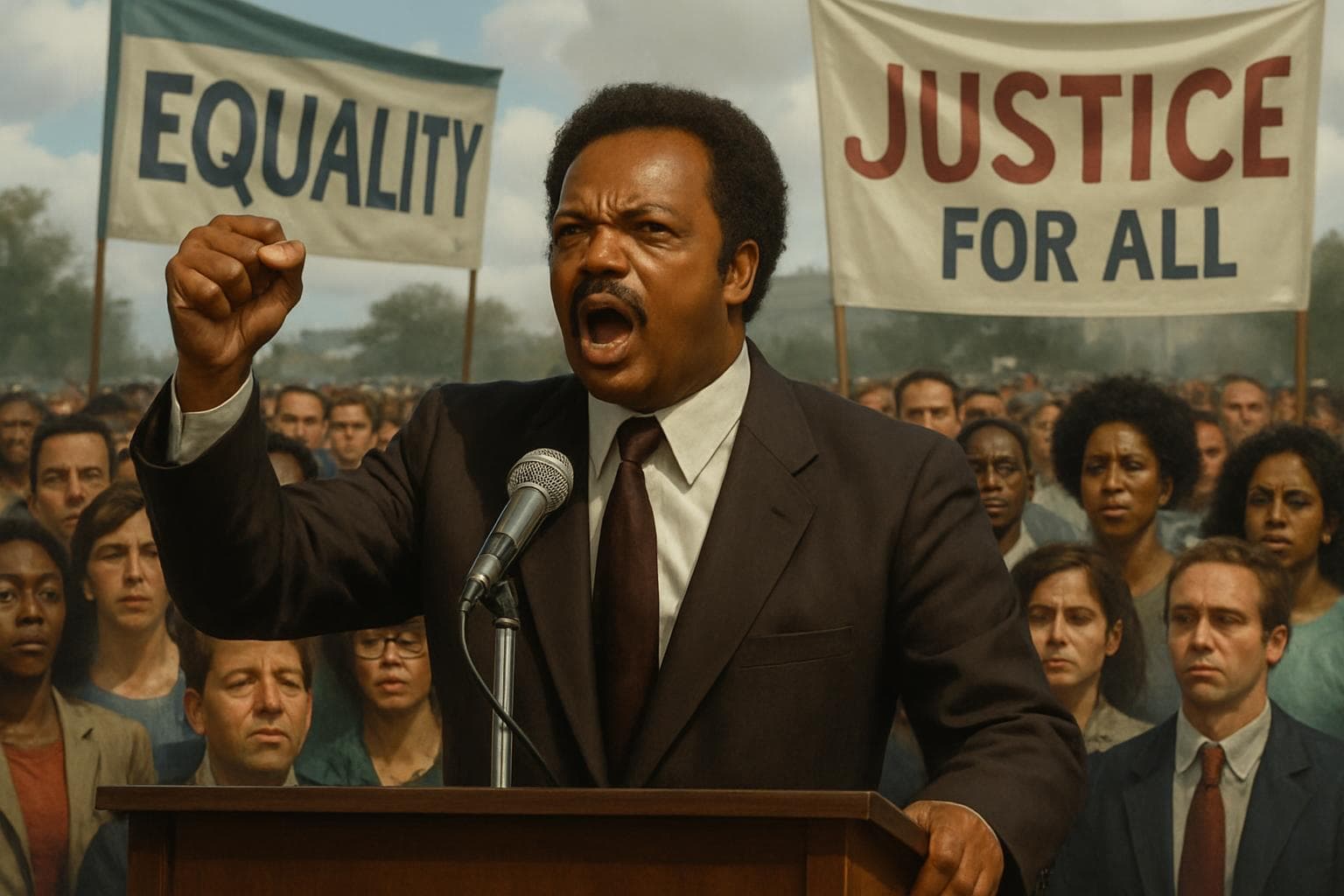
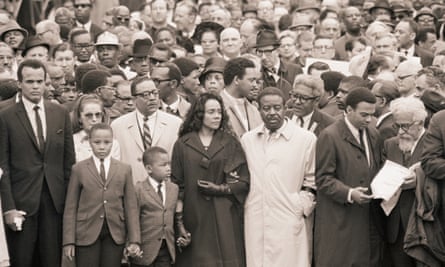
Jesse Jackson, a towering figure in the American civil rights movement, passed away at the age of 84, leaving behind a legacy that reshaped the political landscape for African Americans. Known for his dynamic oratory and relentless advocacy, Jackson's influence spanned decades, from his early days as a protege of Martin Luther King Jr. to his role as a trailblazer in presidential politics.
A Trailblazer in Presidential Politics
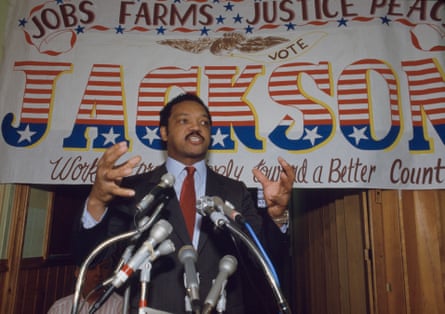
Jackson made history with his presidential campaigns in 1984 and 1988, becoming the first African American to mount a serious challenge for the Democratic nomination. His campaigns were not just about breaking racial barriers but also about advocating for a progressive agenda that resonated with poor and working-class Americans. "My constituency is the desperate, the damned, the disinherited, the disrespected and the despised," Jackson famously declared at the 1984 Democratic National Convention.
His efforts laid the groundwork for future leaders like Barack Obama, who acknowledged Jackson's role in paving the way for his own historic presidency. "Reverend Jackson's two historic runs for president laid the foundation for my own campaign to the highest office of the land," Obama stated, highlighting Jackson's enduring impact on American politics.
Champion of Social Justice
Beyond his presidential bids, Jackson was a relentless advocate for social justice. He founded the Rainbow PUSH Coalition, a nonprofit organization dedicated to promoting civil rights and economic opportunities for marginalized communities. His work extended beyond the United States, as he championed global causes such as opposing apartheid in South Africa and advocating for Palestinian rights.
Jackson's commitment to a multiracial democracy and progressive values influenced the Democratic Party's evolution, inspiring figures like Senator Raphael Warnock and movements like Black Lives Matter. His vision of a diverse and inclusive America continues to resonate in today's political discourse.
Personal Challenges and Legacy
Jackson's later years were marked by personal challenges, including health issues and family scandals. Diagnosed with progressive supranuclear palsy, a rare degenerative condition, Jackson largely withdrew from public life in recent years. Despite these challenges, his legacy as a civil rights icon remains intact.
Tributes poured in from across the political spectrum, with President Joe Biden describing Jackson as "a man of God and of the people" and a "titan" of the civil rights movement. Al Sharpton, a fellow civil rights leader, called Jackson "a consequential and transformative leader who changed this nation and the world."
WHAT THIS MIGHT MEAN
Jesse Jackson's passing marks the end of an era in American civil rights history, but his legacy will undoubtedly continue to influence future generations. As the Democratic Party grapples with issues of racial justice and inclusivity, Jackson's vision of a multiracial democracy remains more relevant than ever. His life's work serves as a reminder of the ongoing struggle for equality and the power of grassroots activism in shaping political change.
Looking ahead, Jackson's influence may inspire a new wave of leaders committed to advancing his progressive agenda. As the United States continues to confront challenges related to racial inequality and social justice, Jackson's legacy will serve as both a guiding light and a call to action for those who seek to build a more just and equitable society.
Images from the Web
Related Articles
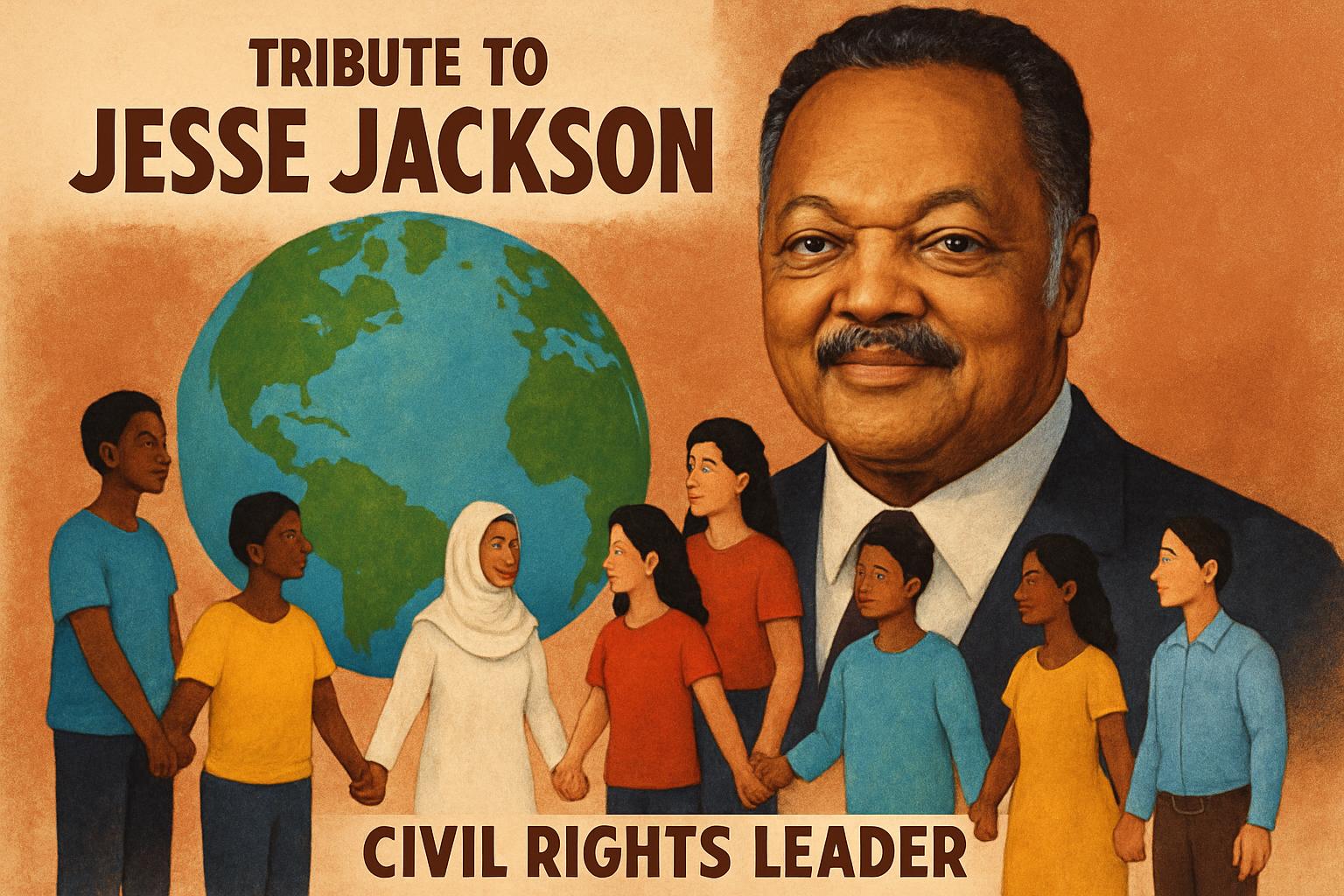
Jesse Jackson: A Legacy of Civil Rights Leadership and Global Impact
Jesse Jackson: A Legacy of Civil Rights and Political Trailblazing

James Talarico Secures Democratic Nomination in Texas Senate Race Amidst Republican Runoff
Jesse Jackson's Legacy: A Lifelong Fight for Racial Equality and Social Justice

Trump Faces Backlash Over Racist Video Depicting Obamas
Supreme Court Upholds California's New Voting Map, Boosting Democratic Prospects
Jesse Jackson: A Legacy of Civil Rights and Political Change
In This Article
 Alex Carter| Published
 HIGHLIGHTS
- Jesse Jackson, a pivotal civil rights leader, passed away at 84, leaving a legacy of political activism and advocacy for racial justice.
- Jackson's presidential campaigns in the 1980s paved the way for future African American leaders, including Barack Obama.
- He founded the Rainbow PUSH Coalition, focusing on social justice and civil rights, and was a key figure in the Democratic Party's shift towards a multiracial democracy.
- Jackson's life was marked by both groundbreaking achievements and personal challenges, including health issues and family scandals.
- Tributes from prominent figures like Barack Obama and Joe Biden highlight Jackson's enduring impact on American politics and civil rights.
Jesse Jackson, a towering figure in the American civil rights movement, passed away at the age of 84, leaving behind a legacy that reshaped the political landscape for African Americans. Known for his dynamic oratory and relentless advocacy, Jackson's influence spanned decades, from his early days as a protege of Martin Luther King Jr. to his role as a trailblazer in presidential politics.
A Trailblazer in Presidential Politics
Jackson made history with his presidential campaigns in 1984 and 1988, becoming the first African American to mount a serious challenge for the Democratic nomination. His campaigns were not just about breaking racial barriers but also about advocating for a progressive agenda that resonated with poor and working-class Americans. "My constituency is the desperate, the damned, the disinherited, the disrespected and the despised," Jackson famously declared at the 1984 Democratic National Convention.
His efforts laid the groundwork for future leaders like Barack Obama, who acknowledged Jackson's role in paving the way for his own historic presidency. "Reverend Jackson's two historic runs for president laid the foundation for my own campaign to the highest office of the land," Obama stated, highlighting Jackson's enduring impact on American politics.
Champion of Social Justice
Beyond his presidential bids, Jackson was a relentless advocate for social justice. He founded the Rainbow PUSH Coalition, a nonprofit organization dedicated to promoting civil rights and economic opportunities for marginalized communities. His work extended beyond the United States, as he championed global causes such as opposing apartheid in South Africa and advocating for Palestinian rights.
Jackson's commitment to a multiracial democracy and progressive values influenced the Democratic Party's evolution, inspiring figures like Senator Raphael Warnock and movements like Black Lives Matter. His vision of a diverse and inclusive America continues to resonate in today's political discourse.
Personal Challenges and Legacy
Jackson's later years were marked by personal challenges, including health issues and family scandals. Diagnosed with progressive supranuclear palsy, a rare degenerative condition, Jackson largely withdrew from public life in recent years. Despite these challenges, his legacy as a civil rights icon remains intact.
Tributes poured in from across the political spectrum, with President Joe Biden describing Jackson as "a man of God and of the people" and a "titan" of the civil rights movement. Al Sharpton, a fellow civil rights leader, called Jackson "a consequential and transformative leader who changed this nation and the world."
WHAT THIS MIGHT MEAN
Jesse Jackson's passing marks the end of an era in American civil rights history, but his legacy will undoubtedly continue to influence future generations. As the Democratic Party grapples with issues of racial justice and inclusivity, Jackson's vision of a multiracial democracy remains more relevant than ever. His life's work serves as a reminder of the ongoing struggle for equality and the power of grassroots activism in shaping political change.
Looking ahead, Jackson's influence may inspire a new wave of leaders committed to advancing his progressive agenda. As the United States continues to confront challenges related to racial inequality and social justice, Jackson's legacy will serve as both a guiding light and a call to action for those who seek to build a more just and equitable society.
Images from the Web
Related Articles
Jesse Jackson: A Legacy of Civil Rights Leadership and Global Impact
Jesse Jackson: A Legacy of Civil Rights and Political Trailblazing
James Talarico Secures Democratic Nomination in Texas Senate Race Amidst Republican Runoff
Jesse Jackson's Legacy: A Lifelong Fight for Racial Equality and Social Justice
Trump Faces Backlash Over Racist Video Depicting Obamas
Supreme Court Upholds California's New Voting Map, Boosting Democratic Prospects