
Trump Urges Republicans to 'Nationalize' Elections Amid Fraud Allegations
In This Article
HIGHLIGHTS
- Donald Trump has called for Republicans to "nationalize" elections in 15 states, citing unsubstantiated claims of voter fraud.
- Trump's remarks follow an FBI raid in Georgia's Fulton County to investigate 2020 election records.
- The Safeguard American Voter Eligibility Act, supported by Trump, aims to require proof of citizenship for voter registration.
- Critics argue that Trump's claims and proposed measures could undermine US election security and democracy.
- White House press secretary Karoline Leavitt reiterated Trump's belief in widespread election fraud, despite evidence to the contrary.
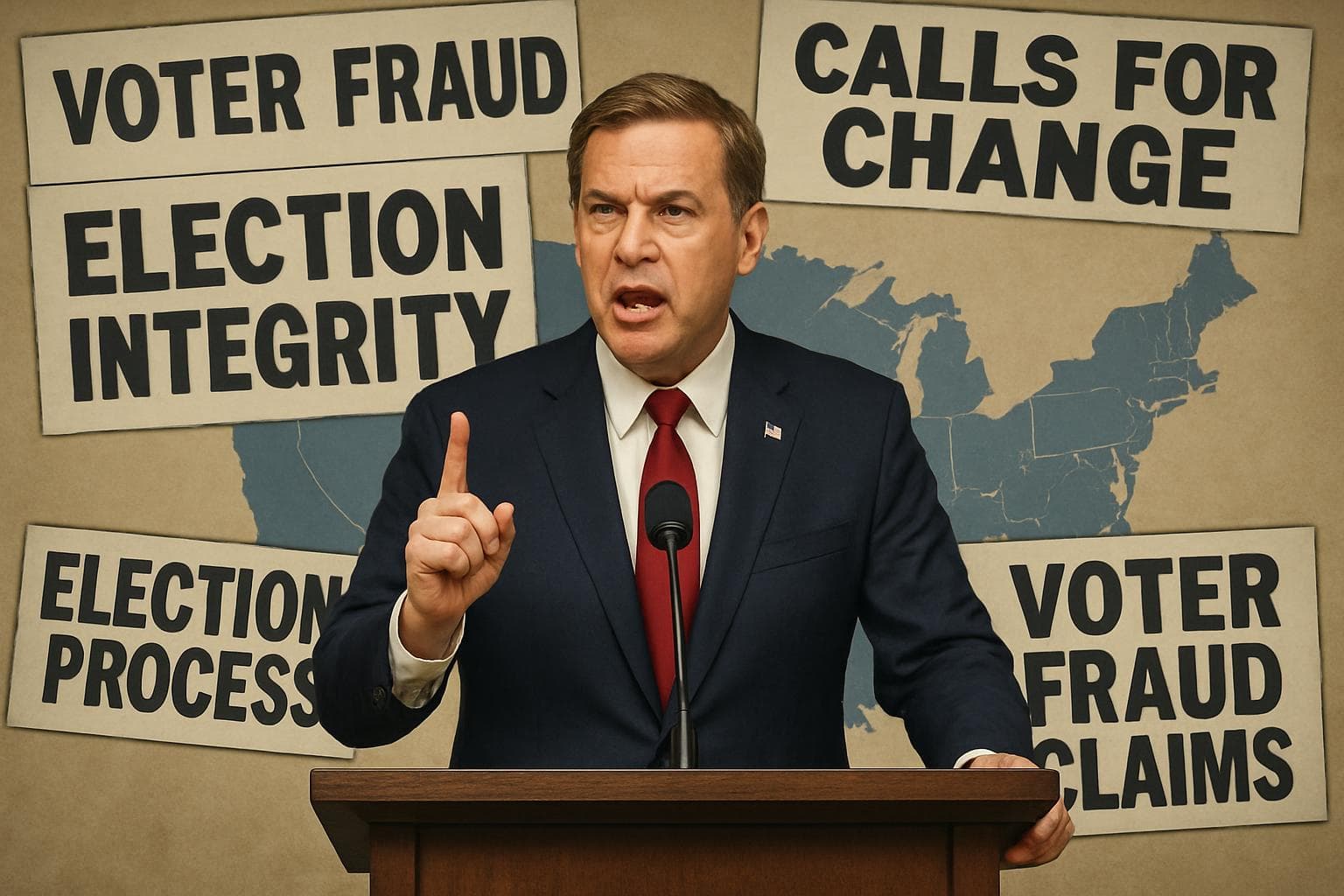
Former President Donald Trump has reignited controversy by urging Republicans to "nationalize" elections in 15 states, citing unfounded claims of voter fraud. In a recent podcast interview with Dan Bongino, Trump suggested that taking control of the voting process is essential to prevent undocumented immigrants from influencing election outcomes. "The Republicans should say: 'We want to take over. We should take over the voting in at least 15 places,'" Trump stated, though he did not specify which states he had in mind.
Trump's comments come on the heels of an FBI raid in Georgia's Fulton County, where agents executed a court-authorized search to obtain records related to the 2020 election. The raid, which targeted nearly 700 boxes of ballots and election materials, has been linked to Trump's persistent claims of election fraud in the state, despite his narrow loss to President Joe Biden. Local officials, including Fulton County Commissioner Mo Ivory, have criticized the raid as an "assault on your vote."
Legislative Proposals and Political Reactions
The former president's remarks also align with his support for the Safeguard American Voter Eligibility Act, which would mandate proof of citizenship for voter registration. While proponents argue this measure could reduce voter fraud, critics warn it may impose unnecessary barriers on eligible voters. White House press secretary Karoline Leavitt defended Trump's stance, asserting that he believes in the Constitution but is concerned about alleged irregularities in American elections.
Broader Implications for US Democracy
Trump's call for election nationalization has sparked fears of potential efforts to manipulate future elections. Senator Mark Warner of Virginia expressed concern that such rhetoric threatens the integrity of US democracy, emphasizing the importance of safeguarding free and fair elections. The US Constitution delegates election governance to individual states, with Congress responsible for ensuring voter rights and preventing discrimination.
WHAT THIS MIGHT MEAN
Trump's latest comments could further polarize the political landscape, intensifying debates over election security and voter rights. If Republicans pursue nationalization efforts, it may lead to significant legal challenges and heightened scrutiny from both domestic and international observers. Experts warn that undermining state-controlled election processes could erode public trust in democratic institutions. As the 2024 elections approach, the focus will likely remain on ensuring transparency and fairness in the electoral process, with potential legislative battles over voter ID laws and election oversight.
Related Articles
Congress Subpoenas Attorney General Bondi in Epstein Investigation
Senate Blocks Resolution to Limit Trump's Military Actions in Iran
Tech Giants Pledge to Cover AI Data Center Energy Costs Amid Rising Electricity Concerns
Spain's Sánchez Stands Firm Against Trump's Trade Threat Over Iran Stance

Armed Intruder Fatally Shot at Mar-a-Lago by Secret Service
Cuba Faces Widespread Blackout Amid Deepening Fuel Crisis
Trump Urges Republicans to 'Nationalize' Elections Amid Fraud Allegations
In This Article
 Alex Carter| Published
 HIGHLIGHTS
- Donald Trump has called for Republicans to "nationalize" elections in 15 states, citing unsubstantiated claims of voter fraud.
- Trump's remarks follow an FBI raid in Georgia's Fulton County to investigate 2020 election records.
- The Safeguard American Voter Eligibility Act, supported by Trump, aims to require proof of citizenship for voter registration.
- Critics argue that Trump's claims and proposed measures could undermine US election security and democracy.
- White House press secretary Karoline Leavitt reiterated Trump's belief in widespread election fraud, despite evidence to the contrary.
Former President Donald Trump has reignited controversy by urging Republicans to "nationalize" elections in 15 states, citing unfounded claims of voter fraud. In a recent podcast interview with Dan Bongino, Trump suggested that taking control of the voting process is essential to prevent undocumented immigrants from influencing election outcomes. "The Republicans should say: 'We want to take over. We should take over the voting in at least 15 places,'" Trump stated, though he did not specify which states he had in mind.
Trump's comments come on the heels of an FBI raid in Georgia's Fulton County, where agents executed a court-authorized search to obtain records related to the 2020 election. The raid, which targeted nearly 700 boxes of ballots and election materials, has been linked to Trump's persistent claims of election fraud in the state, despite his narrow loss to President Joe Biden. Local officials, including Fulton County Commissioner Mo Ivory, have criticized the raid as an "assault on your vote."
Legislative Proposals and Political Reactions
The former president's remarks also align with his support for the Safeguard American Voter Eligibility Act, which would mandate proof of citizenship for voter registration. While proponents argue this measure could reduce voter fraud, critics warn it may impose unnecessary barriers on eligible voters. White House press secretary Karoline Leavitt defended Trump's stance, asserting that he believes in the Constitution but is concerned about alleged irregularities in American elections.
Broader Implications for US Democracy
Trump's call for election nationalization has sparked fears of potential efforts to manipulate future elections. Senator Mark Warner of Virginia expressed concern that such rhetoric threatens the integrity of US democracy, emphasizing the importance of safeguarding free and fair elections. The US Constitution delegates election governance to individual states, with Congress responsible for ensuring voter rights and preventing discrimination.
WHAT THIS MIGHT MEAN
Trump's latest comments could further polarize the political landscape, intensifying debates over election security and voter rights. If Republicans pursue nationalization efforts, it may lead to significant legal challenges and heightened scrutiny from both domestic and international observers. Experts warn that undermining state-controlled election processes could erode public trust in democratic institutions. As the 2024 elections approach, the focus will likely remain on ensuring transparency and fairness in the electoral process, with potential legislative battles over voter ID laws and election oversight.
Related Articles
Congress Subpoenas Attorney General Bondi in Epstein Investigation
Senate Blocks Resolution to Limit Trump's Military Actions in Iran
Tech Giants Pledge to Cover AI Data Center Energy Costs Amid Rising Electricity Concerns
Spain's Sánchez Stands Firm Against Trump's Trade Threat Over Iran Stance
Armed Intruder Fatally Shot at Mar-a-Lago by Secret Service
Cuba Faces Widespread Blackout Amid Deepening Fuel Crisis