
Federal Judge Blocks Indiscriminate Immigration Arrests in California Amid Racial Profiling Allegations
In This Article
HIGHLIGHTS
- A federal judge in California has temporarily barred the Trump administration from indiscriminately detaining immigrants, citing racial profiling concerns.
- The lawsuit, filed by immigrant advocacy groups, accuses the government of unconstitutional tactics in immigration raids across seven California counties.
- Judge Maame Frimpong's order prevents immigration officials from using race, language, or location as sole factors for arrests.
- The Department of Homeland Security denies racial profiling, claiming enforcement operations are targeted and based on comprehensive evidence.
- The ruling comes amid heightened immigration enforcement efforts in California, sparking protests and legal challenges.
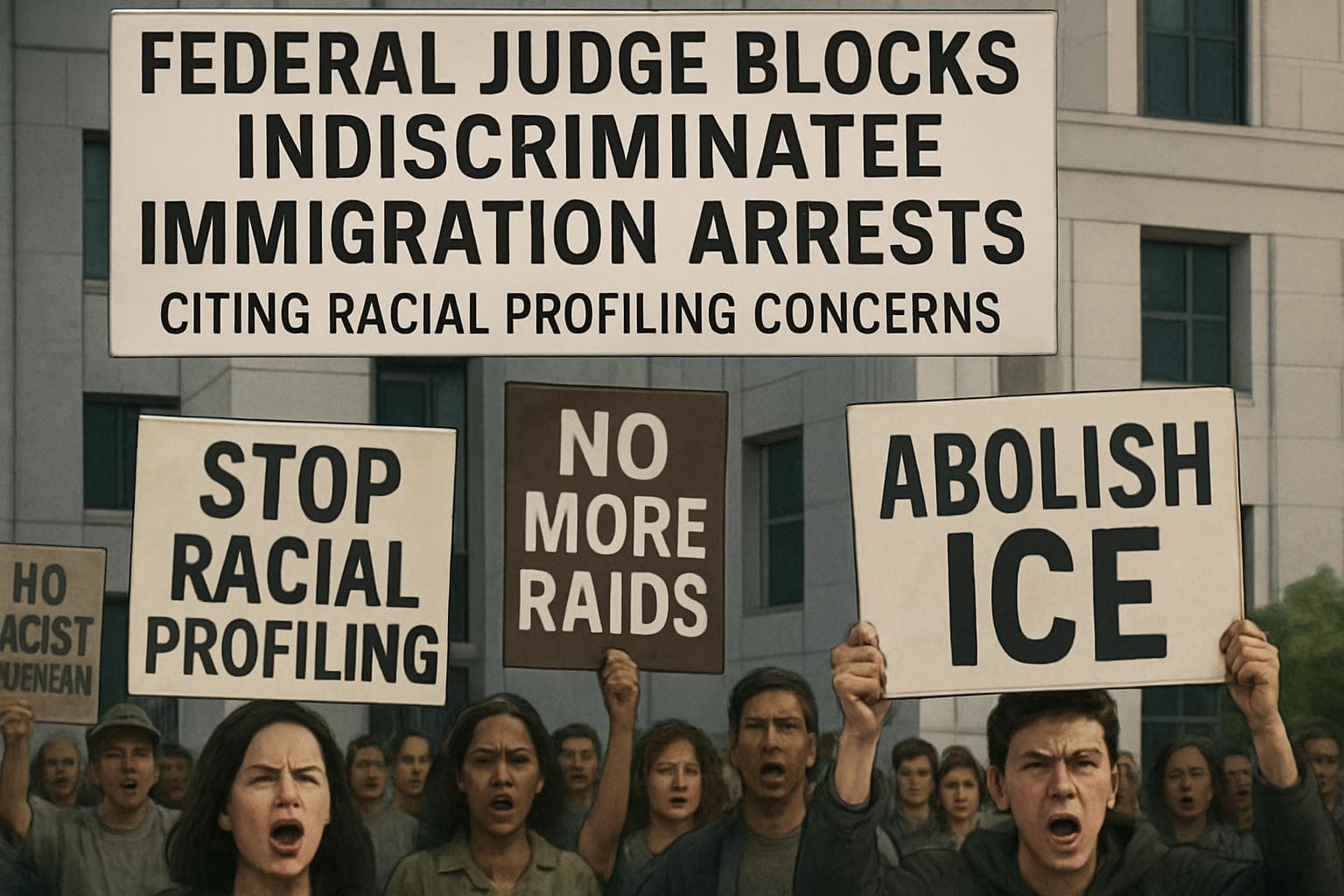
In a significant legal development, a federal judge in California has issued a temporary restraining order against the Trump administration, halting what has been described as indiscriminate immigration arrests across several counties. The ruling, delivered by US District Judge Maame Frimpong, addresses concerns of racial profiling and constitutional violations in the administration's aggressive immigration enforcement tactics.
Legal Context and Allegations
The lawsuit, brought forward by immigrant advocacy groups, highlights systematic targeting of individuals based on race and ethnicity during immigration raids in seven California counties, including Los Angeles. The plaintiffs include three immigrants and two US citizens who were detained under questionable circumstances. Judge Frimpong's order specifically prohibits immigration officials from using race, language, or location as the sole basis for arrests, citing a "mountain of evidence" of unconstitutional practices.
Government Response and Denials
The Department of Homeland Security has responded robustly to the ruling, denying allegations of racial profiling. Tricia McLaughlin, an assistant secretary, stated that enforcement operations are highly targeted and based on comprehensive evidence, not racial characteristics. Attorney Sean Skedzielewski, representing the government, argued that arrests are made considering the "totality of the circumstances," including prior surveillance and interactions.
Impact on Communities and Protests
The ruling comes amid intensified immigration enforcement efforts in California, a state often at odds with the Trump administration's policies. Recent raids have sparked widespread protests, particularly following a controversial operation at a cannabis farm in Ventura County, which led to violent clashes and multiple injuries. Human rights advocates, including the ACLU, have accused the government of arbitrary arrest quotas and denying detainees access to legal counsel.
WHAT THIS MIGHT MEAN
The temporary restraining order represents a critical juncture in the ongoing legal battle over immigration enforcement practices. As the lawsuit progresses, it could set a precedent for how immigration laws are enforced across the United States, particularly concerning racial profiling and constitutional rights. If the court ultimately rules against the Trump administration, it may prompt a reevaluation of current enforcement strategies and potentially lead to policy changes. Conversely, a ruling in favor of the government could embolden further crackdowns, intensifying tensions between federal authorities and immigrant communities. Legal experts suggest that this case could eventually reach higher courts, potentially influencing national immigration policy.
Related Articles
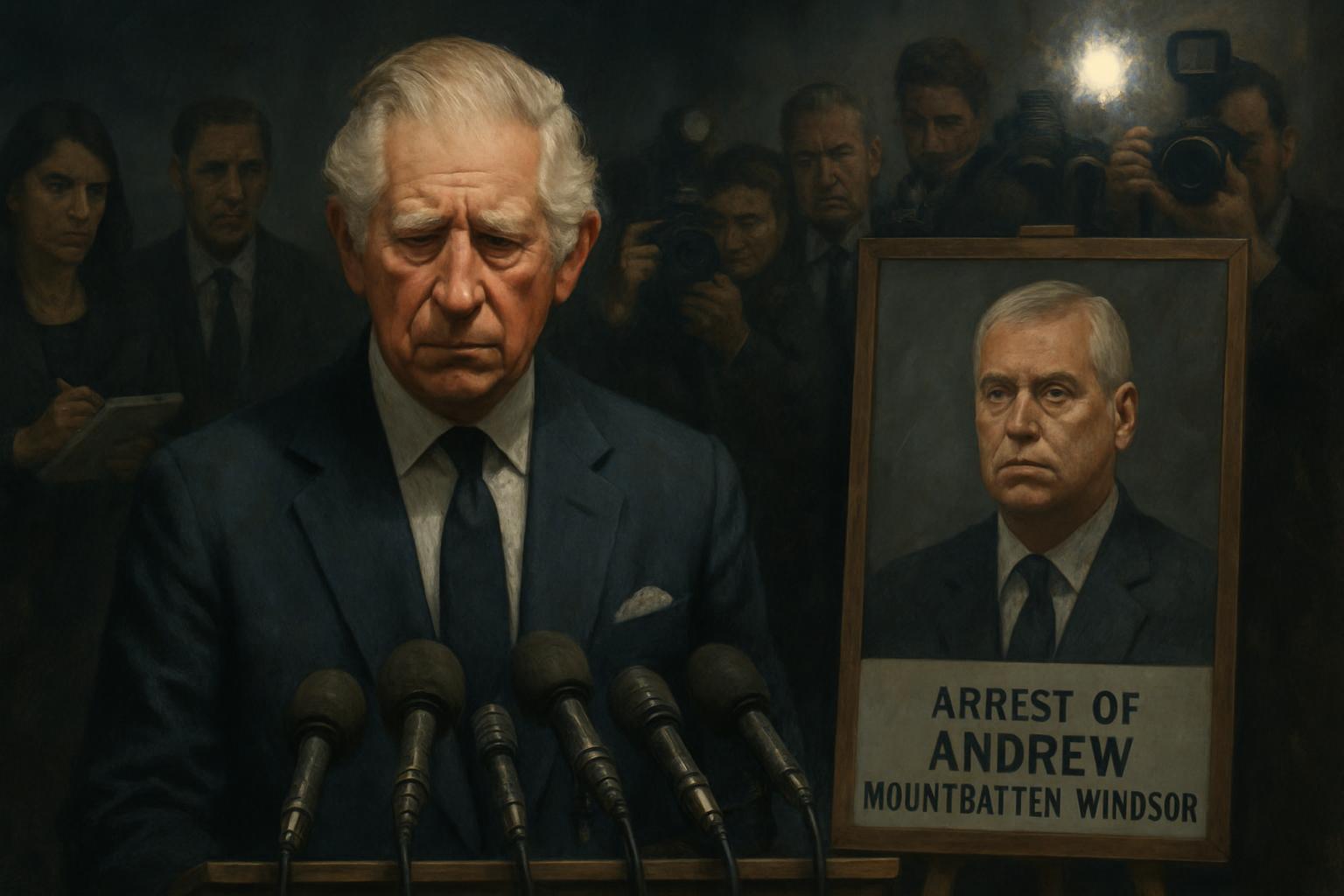
Andrew Mountbatten-Windsor's Arrest Sparks International Calls for Justice
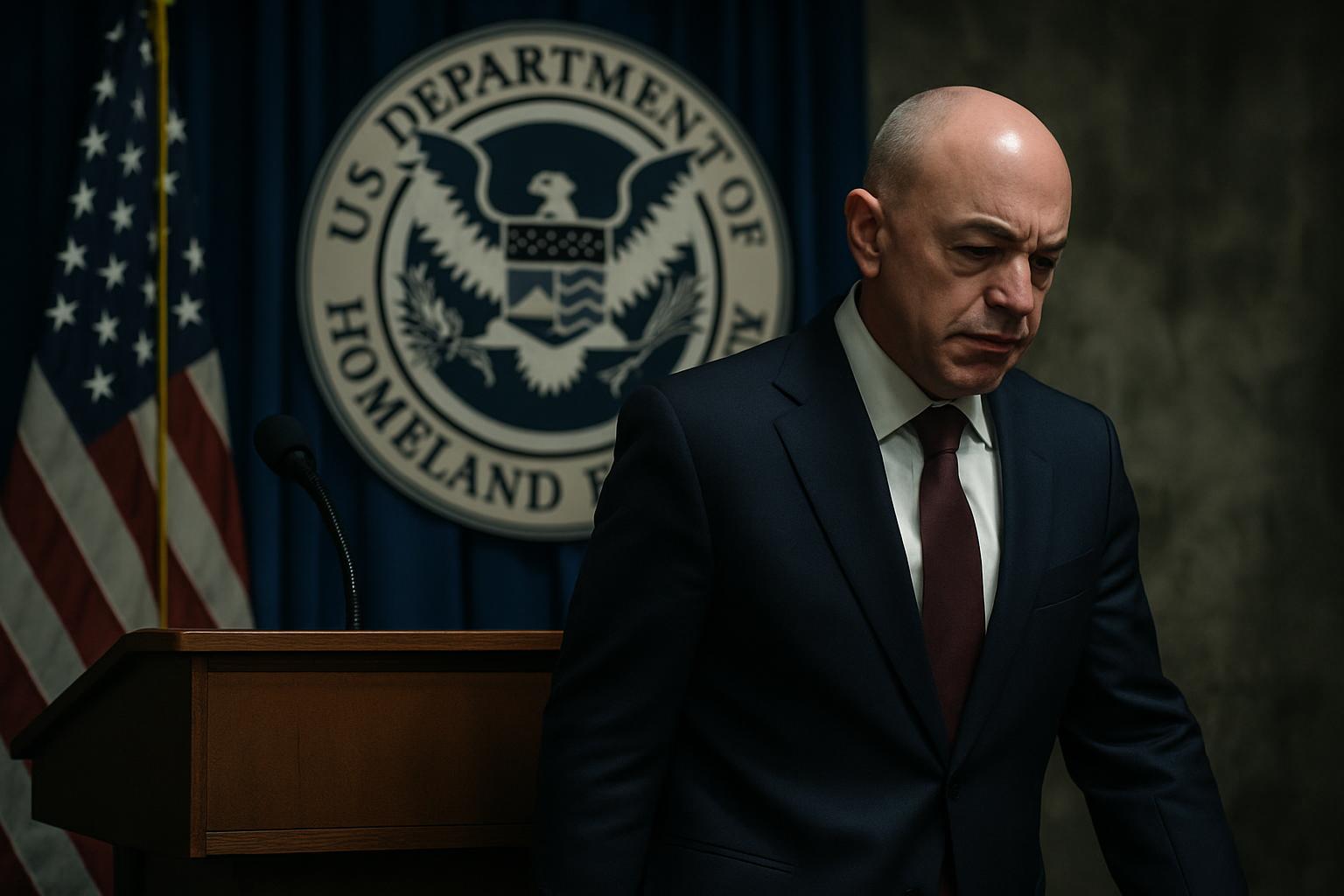
DHS Spokesperson Tricia McLaughlin to Depart Amidst Immigration Policy Controversy

Tech Giants Pledge to Cover AI Data Center Energy Costs Amid Rising Electricity Concerns

Anna Murdoch-Mann: Influential Figure in Media and Philanthropy Dies at 81

Tragedy in the Sierra Nevada: Deadly Avalanche Claims Nine Lives

Tragedy Strikes as Avalanche Claims Eight Lives in California's Sierra Nevada
Federal Judge Blocks Indiscriminate Immigration Arrests in California Amid Racial Profiling Allegations
In This Article
 Sofia Romano| Published
 HIGHLIGHTS
- A federal judge in California has temporarily barred the Trump administration from indiscriminately detaining immigrants, citing racial profiling concerns.
- The lawsuit, filed by immigrant advocacy groups, accuses the government of unconstitutional tactics in immigration raids across seven California counties.
- Judge Maame Frimpong's order prevents immigration officials from using race, language, or location as sole factors for arrests.
- The Department of Homeland Security denies racial profiling, claiming enforcement operations are targeted and based on comprehensive evidence.
- The ruling comes amid heightened immigration enforcement efforts in California, sparking protests and legal challenges.
In a significant legal development, a federal judge in California has issued a temporary restraining order against the Trump administration, halting what has been described as indiscriminate immigration arrests across several counties. The ruling, delivered by US District Judge Maame Frimpong, addresses concerns of racial profiling and constitutional violations in the administration's aggressive immigration enforcement tactics.
Legal Context and Allegations
The lawsuit, brought forward by immigrant advocacy groups, highlights systematic targeting of individuals based on race and ethnicity during immigration raids in seven California counties, including Los Angeles. The plaintiffs include three immigrants and two US citizens who were detained under questionable circumstances. Judge Frimpong's order specifically prohibits immigration officials from using race, language, or location as the sole basis for arrests, citing a "mountain of evidence" of unconstitutional practices.
Government Response and Denials
The Department of Homeland Security has responded robustly to the ruling, denying allegations of racial profiling. Tricia McLaughlin, an assistant secretary, stated that enforcement operations are highly targeted and based on comprehensive evidence, not racial characteristics. Attorney Sean Skedzielewski, representing the government, argued that arrests are made considering the "totality of the circumstances," including prior surveillance and interactions.
Impact on Communities and Protests
The ruling comes amid intensified immigration enforcement efforts in California, a state often at odds with the Trump administration's policies. Recent raids have sparked widespread protests, particularly following a controversial operation at a cannabis farm in Ventura County, which led to violent clashes and multiple injuries. Human rights advocates, including the ACLU, have accused the government of arbitrary arrest quotas and denying detainees access to legal counsel.
WHAT THIS MIGHT MEAN
The temporary restraining order represents a critical juncture in the ongoing legal battle over immigration enforcement practices. As the lawsuit progresses, it could set a precedent for how immigration laws are enforced across the United States, particularly concerning racial profiling and constitutional rights. If the court ultimately rules against the Trump administration, it may prompt a reevaluation of current enforcement strategies and potentially lead to policy changes. Conversely, a ruling in favor of the government could embolden further crackdowns, intensifying tensions between federal authorities and immigrant communities. Legal experts suggest that this case could eventually reach higher courts, potentially influencing national immigration policy.
Related Articles
Andrew Mountbatten-Windsor's Arrest Sparks International Calls for Justice
DHS Spokesperson Tricia McLaughlin to Depart Amidst Immigration Policy Controversy
Tech Giants Pledge to Cover AI Data Center Energy Costs Amid Rising Electricity Concerns
Anna Murdoch-Mann: Influential Figure in Media and Philanthropy Dies at 81
Tragedy in the Sierra Nevada: Deadly Avalanche Claims Nine Lives
Tragedy Strikes as Avalanche Claims Eight Lives in California's Sierra Nevada