
Judge Quashes Antisemitism Case Against Comedian Reginald D Hunter
In This Article
HIGHLIGHTS
- A judge quashed a private prosecution against comedian Reginald D Hunter, citing improper motives by the Campaign Against Antisemitism (CAA).
- The CAA accused Hunter of sending offensive messages in August and September 2024, but the judge found their application misleading.
- District Judge Michael Snow criticized the CAA for failing to disclose relevant social media activity and using the justice system for "improper reasons."
- Hunter expressed relief on social media, hoping to be "employable again" after the ruling.
- The CAA expressed disappointment and is considering further legal steps following the court's decision.
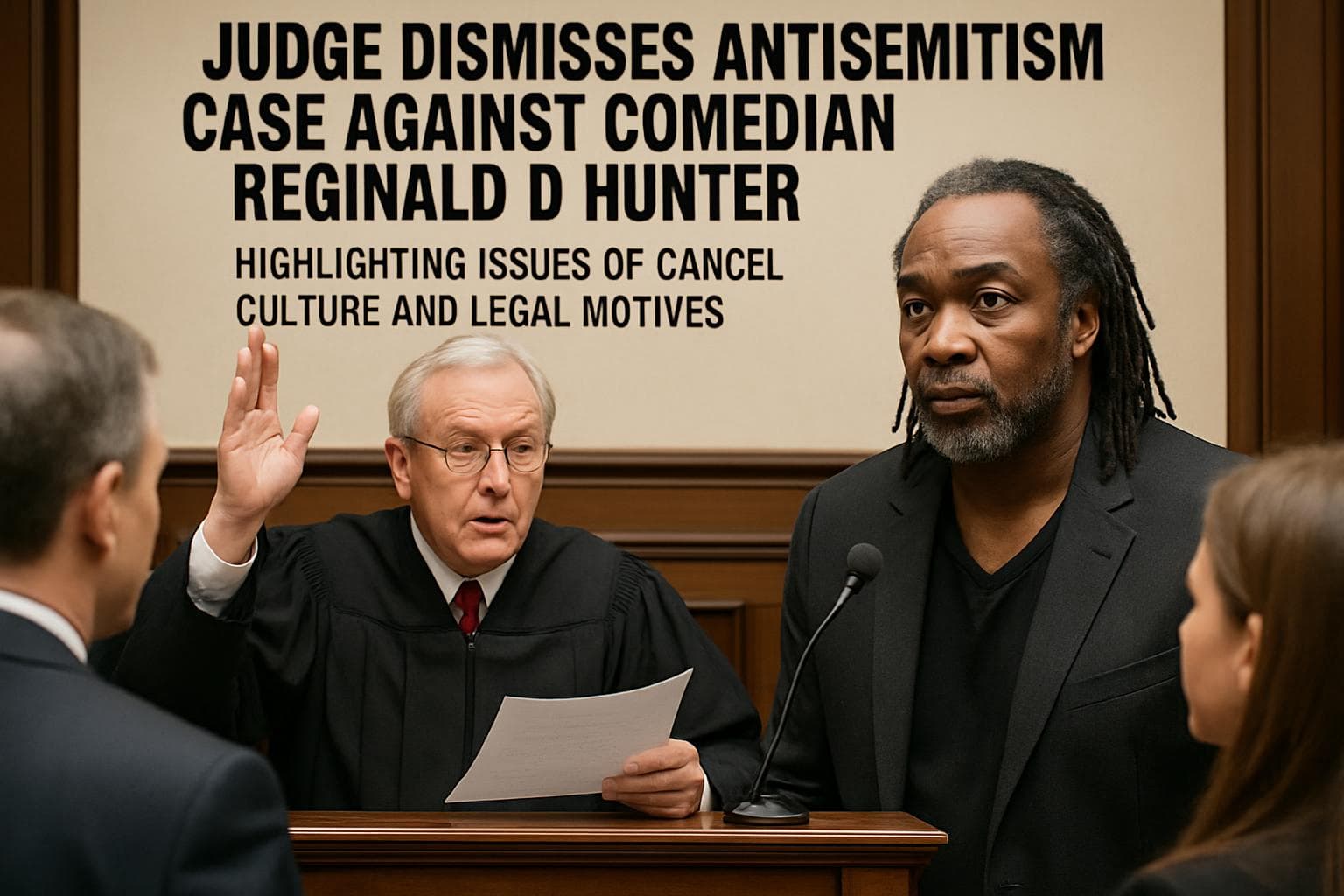
In a significant legal development, a judge has quashed a private prosecution against US comedian Reginald D Hunter, ruling that the case was driven by an agenda to have him "cancelled." The Campaign Against Antisemitism (CAA) had accused Hunter of sending offensive communications on social media in August and September 2024. However, District Judge Michael Snow dismissed the summons, stating that the CAA's motives were improper.
Improper Use of the Justice System
The case, heard at Westminster Magistrates' Court, revolved around accusations that Hunter sent offensive messages to Heidi Bachram on three occasions. Judge Snow criticized the CAA for misleading the court by failing to disclose the full extent of Bachram's tweets directed at Hunter. He noted that the CAA's application misrepresented the context of Hunter's comments, suggesting they were a response to attempts to cancel him rather than an attack on religious beliefs.
Hunter's Reaction and Legal Context
Following the ruling, Hunter took to Instagram, expressing hope for future employment opportunities and gratitude towards his legal team. His lawyer, Rebecca Chalkley KC, argued that the CAA was using the courts for political purposes, a sentiment echoed by the judge who described the prosecution as "abusive."
CAA's Response and Future Considerations
Despite the setback, the CAA remains steadfast in its mission to combat antisemitism. A spokesperson for the organization expressed disappointment with the judge's decision and indicated that their legal team is reviewing the ruling to determine the next steps. The CAA maintains that their actions were in line with their duty to protect British Jews amid rising antisemitic incidents.
WHAT THIS MIGHT MEAN
The quashing of the case against Reginald D Hunter highlights ongoing debates around cancel culture and the use of private prosecutions. Legal experts suggest that this ruling could set a precedent for future cases where the motives behind legal actions are scrutinized. The CAA's decision to potentially pursue further legal avenues may lead to additional court proceedings, keeping the spotlight on the balance between free speech and accountability. As antisemitism remains a pressing issue, organizations like the CAA may need to reassess their strategies to effectively address such concerns within the legal framework.
Related Articles
Russell Brand Faces Additional Charges of Rape and Sexual Assault
UK Immigration Officers Charged with Theft and Money Laundering
Man Faces Multiple Charges in Connection with London Murders and Assaults
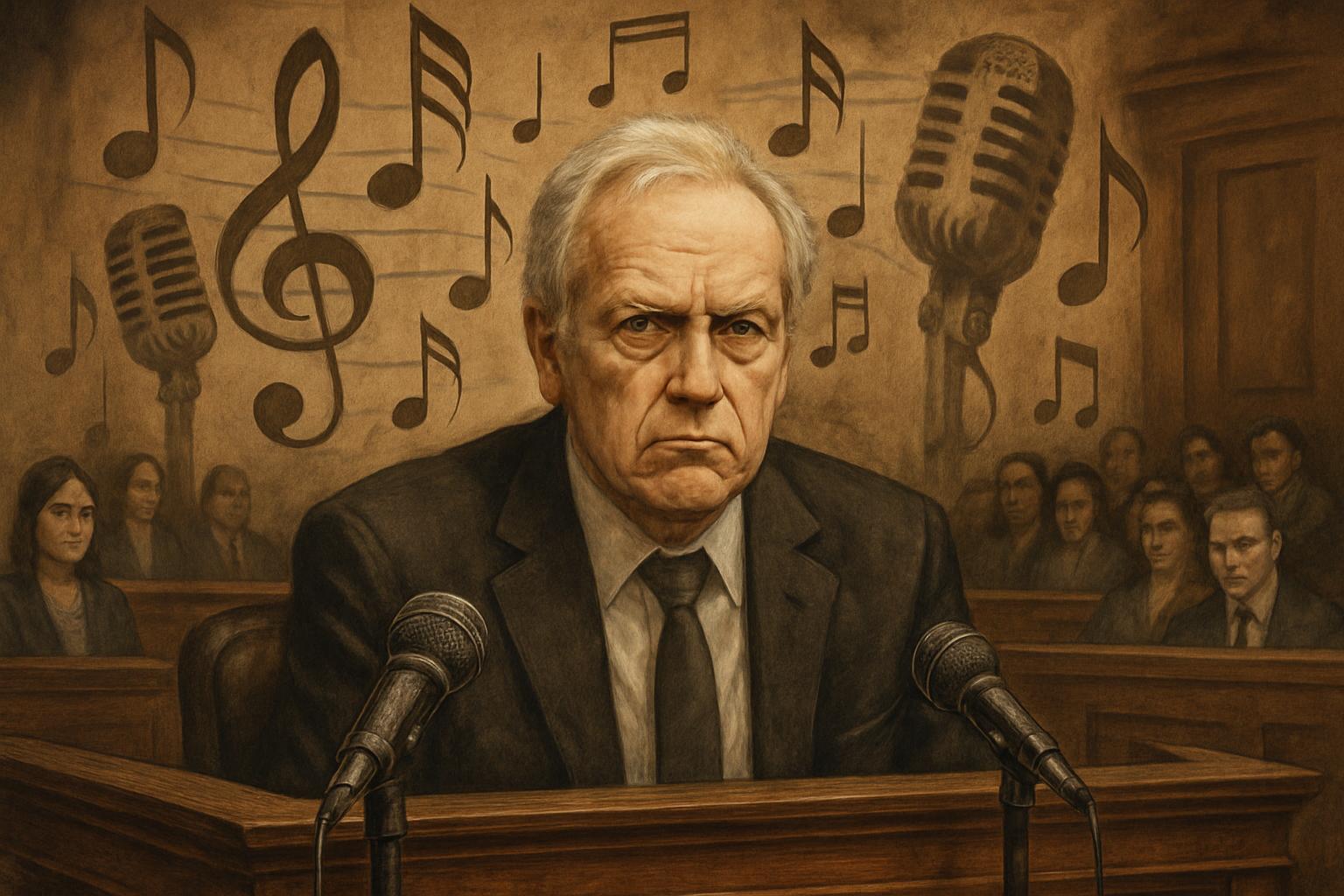
Tim Westwood Faces Court Over Rape and Sexual Assault Allegations
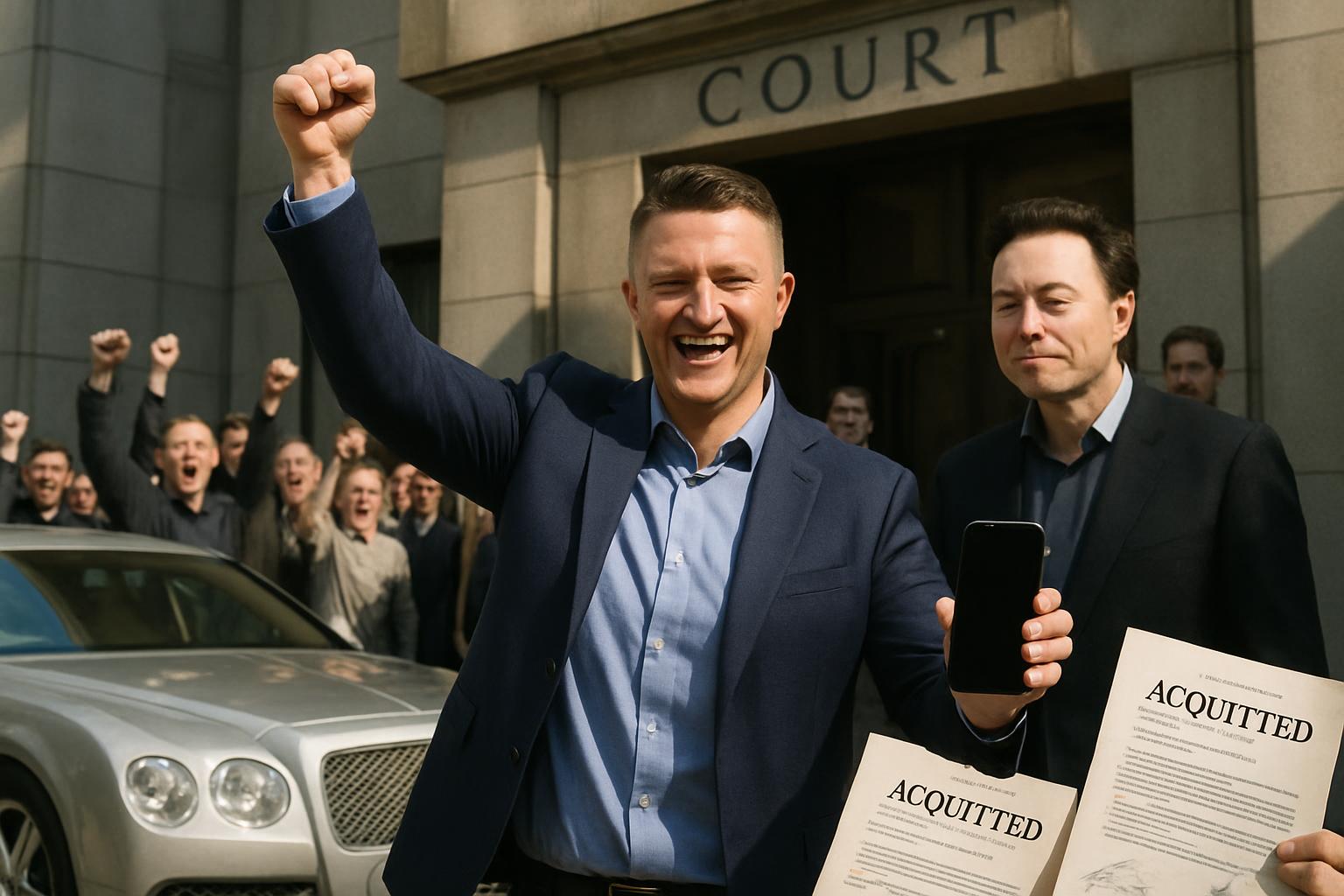
Tommy Robinson Acquitted in Terror-Related Case Over Phone Access Refusal
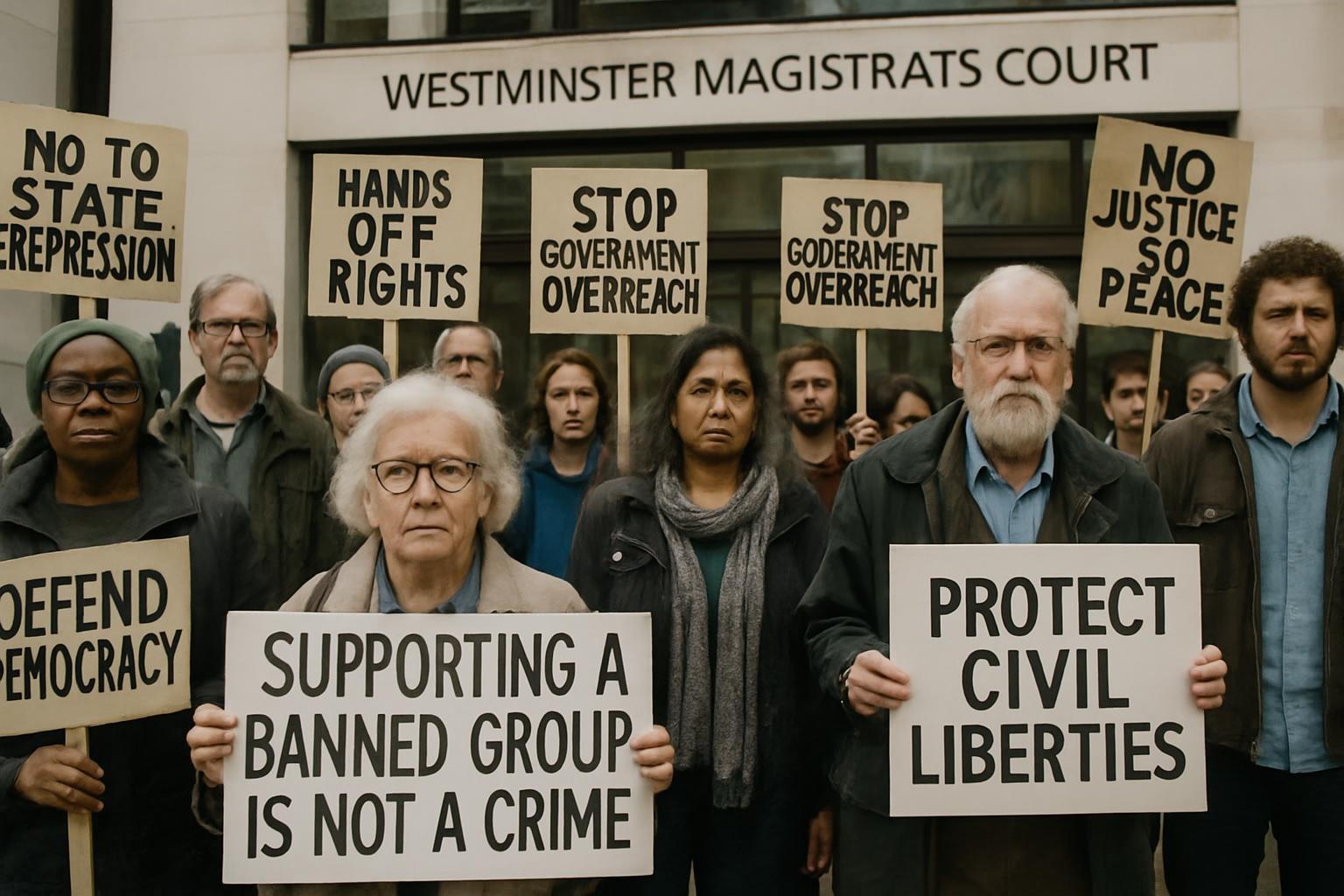
47 Charged in Crackdown on Palestine Action Supporters Amid Free Speech Concerns
Judge Quashes Antisemitism Case Against Comedian Reginald D Hunter
In This Article
 Sofia Romano| Published
 HIGHLIGHTS
- A judge quashed a private prosecution against comedian Reginald D Hunter, citing improper motives by the Campaign Against Antisemitism (CAA).
- The CAA accused Hunter of sending offensive messages in August and September 2024, but the judge found their application misleading.
- District Judge Michael Snow criticized the CAA for failing to disclose relevant social media activity and using the justice system for "improper reasons."
- Hunter expressed relief on social media, hoping to be "employable again" after the ruling.
- The CAA expressed disappointment and is considering further legal steps following the court's decision.
In a significant legal development, a judge has quashed a private prosecution against US comedian Reginald D Hunter, ruling that the case was driven by an agenda to have him "cancelled." The Campaign Against Antisemitism (CAA) had accused Hunter of sending offensive communications on social media in August and September 2024. However, District Judge Michael Snow dismissed the summons, stating that the CAA's motives were improper.
Improper Use of the Justice System
The case, heard at Westminster Magistrates' Court, revolved around accusations that Hunter sent offensive messages to Heidi Bachram on three occasions. Judge Snow criticized the CAA for misleading the court by failing to disclose the full extent of Bachram's tweets directed at Hunter. He noted that the CAA's application misrepresented the context of Hunter's comments, suggesting they were a response to attempts to cancel him rather than an attack on religious beliefs.
Hunter's Reaction and Legal Context
Following the ruling, Hunter took to Instagram, expressing hope for future employment opportunities and gratitude towards his legal team. His lawyer, Rebecca Chalkley KC, argued that the CAA was using the courts for political purposes, a sentiment echoed by the judge who described the prosecution as "abusive."
CAA's Response and Future Considerations
Despite the setback, the CAA remains steadfast in its mission to combat antisemitism. A spokesperson for the organization expressed disappointment with the judge's decision and indicated that their legal team is reviewing the ruling to determine the next steps. The CAA maintains that their actions were in line with their duty to protect British Jews amid rising antisemitic incidents.
WHAT THIS MIGHT MEAN
The quashing of the case against Reginald D Hunter highlights ongoing debates around cancel culture and the use of private prosecutions. Legal experts suggest that this ruling could set a precedent for future cases where the motives behind legal actions are scrutinized. The CAA's decision to potentially pursue further legal avenues may lead to additional court proceedings, keeping the spotlight on the balance between free speech and accountability. As antisemitism remains a pressing issue, organizations like the CAA may need to reassess their strategies to effectively address such concerns within the legal framework.
Related Articles
Russell Brand Faces Additional Charges of Rape and Sexual Assault
UK Immigration Officers Charged with Theft and Money Laundering
Man Faces Multiple Charges in Connection with London Murders and Assaults
Tim Westwood Faces Court Over Rape and Sexual Assault Allegations
Tommy Robinson Acquitted in Terror-Related Case Over Phone Access Refusal
47 Charged in Crackdown on Palestine Action Supporters Amid Free Speech Concerns