
Metropolitan Police Charge 47 More in Palestine Action Protest Crackdown
In This Article
HIGHLIGHTS
- The Metropolitan Police have charged 47 more individuals for supporting the banned group Palestine Action, bringing the total to 114.
- Among those charged is an 81-year-old woman, highlighting the diverse age range of the accused.
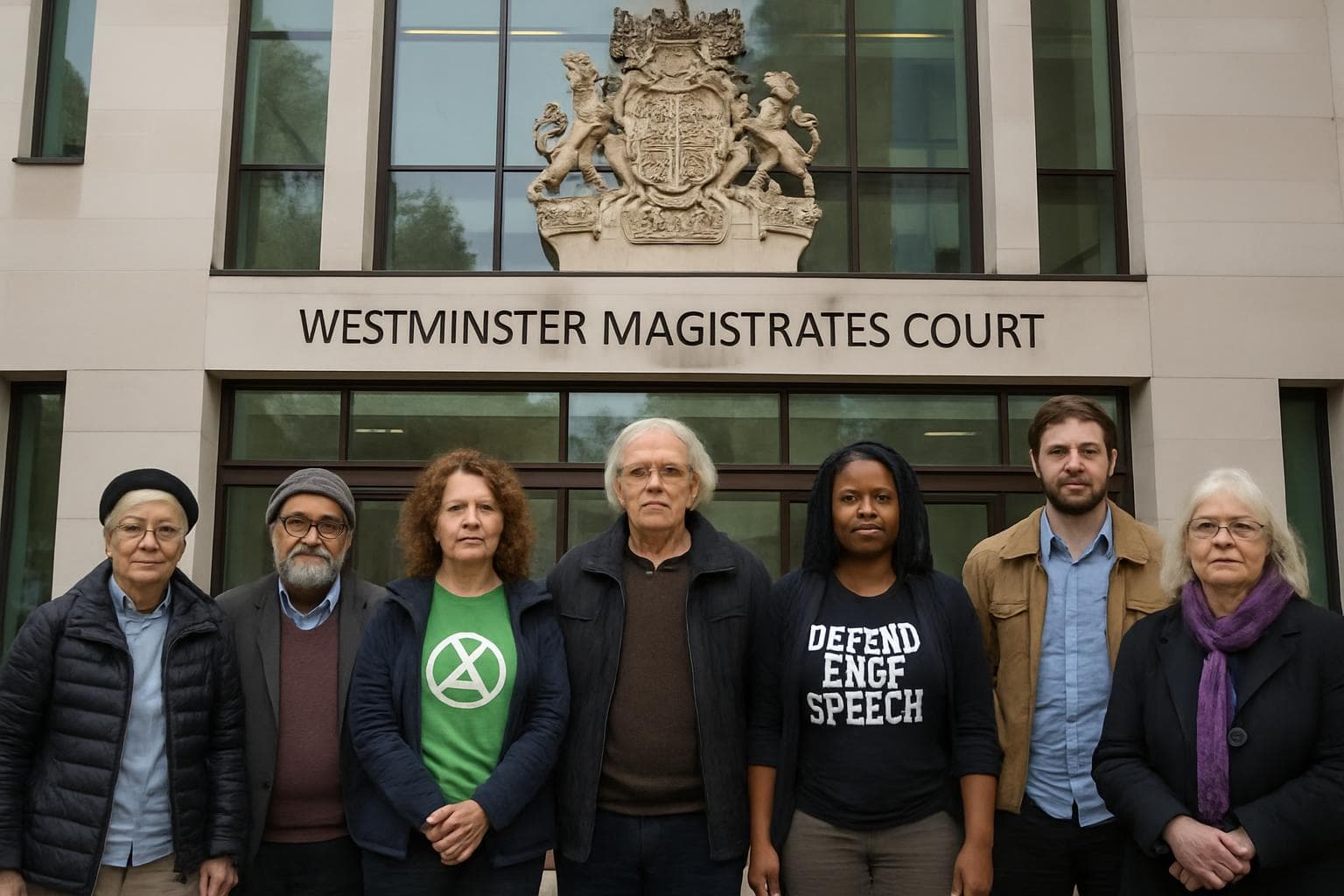
- The charges relate to a protest on 19 July, with defendants expected to appear at Westminster Magistrates' Court in October.
- The ban on Palestine Action, challenged for breaching free speech, remains in place pending a High Court review in November.
- Critics argue the charges are an attempt to deter future protests, with many of those charged being elderly.
The Metropolitan Police have charged an additional 47 individuals for allegedly supporting the proscribed group Palestine Action, escalating the total number of charges to 114. This development follows a protest held in London on 19 July, where demonstrators were accused of violating counter-terrorism laws by showing support for the banned organization.
Protest and Charges
Among those charged is Yvonne Hayward, an 81-year-old retired teacher from Lewisham, underscoring the wide age range of the accused, with more than half being over 60. The charges, issued by post, are set to be heard at Westminster Magistrates' Court in late October. The Metropolitan Police's Counter Terrorism Command has emphasized the potential severe consequences for those convicted, including impacts on careers and travel.
Legal Context and Reactions
Palestine Action was banned under terrorism laws by Home Secretary Yvette Cooper after an incident involving damage to military aircraft at RAF Brize Norton, estimated at £7 million. The group has since been fighting the ban, arguing it infringes on the right to free speech. A High Court review is scheduled for November, but the ban remains in effect.
Critics, including Tim Crosland from Defend Our Juries, have labeled the charges as desperate attempts to deter further protests. He noted that previous efforts to intimidate demonstrators had failed, as evidenced by a large turnout at a recent protest in Parliament Square.
Human Stories and Legal Implications
The individuals charged include professionals like Alice Clack, a senior NHS obstetrician and volunteer with Doctors Without Borders, highlighting the diverse backgrounds of those involved. The charges fall under section 13 of the Terrorism Act, considered a lower-level offence, and will be tried in a magistrates' court.
WHAT THIS MIGHT MEAN
As the legal proceedings unfold, the upcoming High Court review in November will be pivotal in determining the future of the ban on Palestine Action. If the court finds the ban unjustified, it could set a significant precedent for the balance between national security and freedom of speech. Conversely, if upheld, it may embolden further use of counter-terrorism laws against protest groups, potentially stifling legitimate dissent. Legal experts and civil rights advocates will be closely monitoring the case, as its outcome could have far-reaching implications for protest rights in the UK.
Related Articles
UK Police Intensify Investigation into Andrew Mountbatten-Windsor Amid Misconduct Allegations
Prince Andrew's Arrest Raises Questions About Royal Succession and Monarchy's Future
Nottingham Attacks Inquiry: Families Demand Accountability and Truth
Labour MP's Husband Arrested in UK-China Espionage Probe
British Couple's 10-Year Sentence in Iran Sparks Outcry

UK Government to Reform Asylum Seeker Support and Employment Policies
Metropolitan Police Charge 47 More in Palestine Action Protest Crackdown
In This Article
 Sofia Romano| Published
 HIGHLIGHTS
- The Metropolitan Police have charged 47 more individuals for supporting the banned group Palestine Action, bringing the total to 114.
- Among those charged is an 81-year-old woman, highlighting the diverse age range of the accused.
- The charges relate to a protest on 19 July, with defendants expected to appear at Westminster Magistrates' Court in October.
- The ban on Palestine Action, challenged for breaching free speech, remains in place pending a High Court review in November.
- Critics argue the charges are an attempt to deter future protests, with many of those charged being elderly.
The Metropolitan Police have charged an additional 47 individuals for allegedly supporting the proscribed group Palestine Action, escalating the total number of charges to 114. This development follows a protest held in London on 19 July, where demonstrators were accused of violating counter-terrorism laws by showing support for the banned organization.
Protest and Charges
Among those charged is Yvonne Hayward, an 81-year-old retired teacher from Lewisham, underscoring the wide age range of the accused, with more than half being over 60. The charges, issued by post, are set to be heard at Westminster Magistrates' Court in late October. The Metropolitan Police's Counter Terrorism Command has emphasized the potential severe consequences for those convicted, including impacts on careers and travel.
Legal Context and Reactions
Palestine Action was banned under terrorism laws by Home Secretary Yvette Cooper after an incident involving damage to military aircraft at RAF Brize Norton, estimated at £7 million. The group has since been fighting the ban, arguing it infringes on the right to free speech. A High Court review is scheduled for November, but the ban remains in effect.
Critics, including Tim Crosland from Defend Our Juries, have labeled the charges as desperate attempts to deter further protests. He noted that previous efforts to intimidate demonstrators had failed, as evidenced by a large turnout at a recent protest in Parliament Square.
Human Stories and Legal Implications
The individuals charged include professionals like Alice Clack, a senior NHS obstetrician and volunteer with Doctors Without Borders, highlighting the diverse backgrounds of those involved. The charges fall under section 13 of the Terrorism Act, considered a lower-level offence, and will be tried in a magistrates' court.
WHAT THIS MIGHT MEAN
As the legal proceedings unfold, the upcoming High Court review in November will be pivotal in determining the future of the ban on Palestine Action. If the court finds the ban unjustified, it could set a significant precedent for the balance between national security and freedom of speech. Conversely, if upheld, it may embolden further use of counter-terrorism laws against protest groups, potentially stifling legitimate dissent. Legal experts and civil rights advocates will be closely monitoring the case, as its outcome could have far-reaching implications for protest rights in the UK.
Related Articles
UK Police Intensify Investigation into Andrew Mountbatten-Windsor Amid Misconduct Allegations
Prince Andrew's Arrest Raises Questions About Royal Succession and Monarchy's Future
Nottingham Attacks Inquiry: Families Demand Accountability and Truth
Labour MP's Husband Arrested in UK-China Espionage Probe
British Couple's 10-Year Sentence in Iran Sparks Outcry
UK Government to Reform Asylum Seeker Support and Employment Policies