
Keir Starmer's China Visit: Balancing Economic Ambitions with Human Rights Concerns
In This Article
HIGHLIGHTS
- UK Prime Minister Keir Starmer visits China to strengthen economic ties amid national security concerns.
- Starmer plans to address human rights issues, including the case of jailed Hong Kong media tycoon Jimmy Lai.
- The UK government approved a controversial Chinese mega-embassy in London, raising espionage concerns.
- Starmer emphasizes a strategic and consistent UK-China relationship, despite differing values and interests.
- Critics argue that China poses a significant national security threat, urging caution in diplomatic engagements.
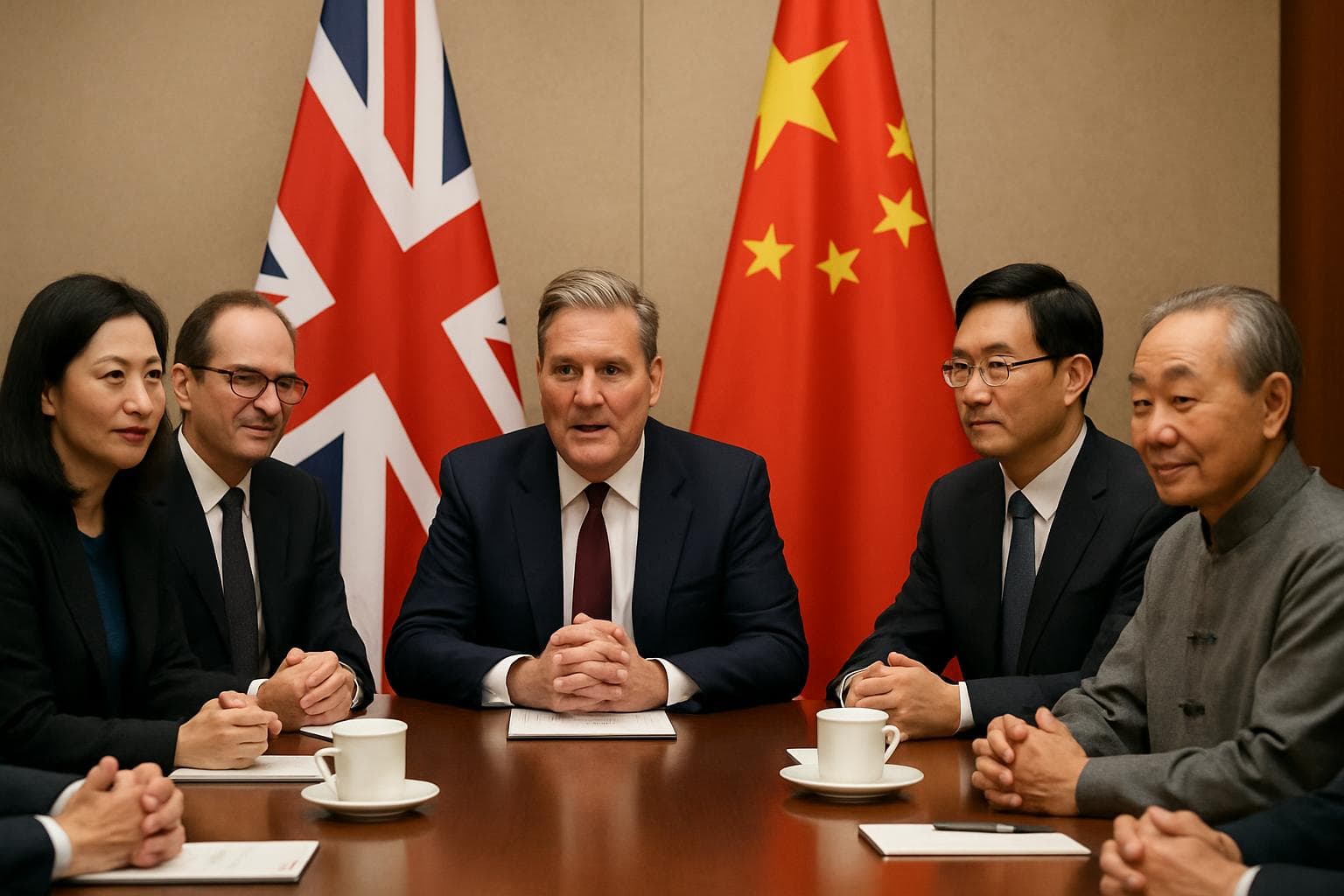
UK Prime Minister Keir Starmer has embarked on a pivotal visit to China, marking the first trip by a British leader to Beijing in eight years. Accompanied by a delegation of around 60 British business and cultural leaders, Starmer aims to rejuvenate UK-China relations, which have been marked by inconsistency in recent years. The visit underscores the UK's strategic interest in engaging with China, the world's second-largest economy and a key trading partner.
Economic Engagement and Strategic Interests
Starmer's visit comes at a time when Western nations, including the UK, are seeking economic stability amid global uncertainties. The Prime Minister has emphasized the importance of a stable and clear approach to China, despite the challenges posed by differing values and interests. "China matters for the UK," Starmer stated, highlighting the need for a strategic and consistent relationship with the economic powerhouse.
Human Rights and National Security Concerns
A significant aspect of Starmer's agenda is addressing human rights issues, particularly the case of Jimmy Lai, a British citizen and pro-democracy media tycoon jailed in Hong Kong. Lai's conviction, viewed by the UK as politically motivated, has drawn international criticism. Starmer, a former human rights lawyer, is expected to advocate for Lai's release and raise concerns about the treatment of the Uyghur minority in China.
The visit also coincides with the UK government's approval of a new Chinese mega-embassy in London, a decision that has sparked national security concerns. Critics warn of potential espionage risks, though UK officials assure that these can be managed. Starmer has pledged to maintain "guardrails" on national security while pursuing economic ties.
Diplomatic Dynamics and Global Context
Starmer's trip reflects a broader diplomatic effort to balance economic interests with human rights advocacy. The UK, like other Western nations, faces the challenge of engaging with China without compromising its values. Downing Street has emphasized that while economic relations are crucial, they will not come at the expense of addressing areas of disagreement, including human rights abuses.
WHAT THIS MIGHT MEAN
As Keir Starmer navigates the complexities of UK-China relations, his visit could set the tone for future diplomatic engagements. If successful, it may lead to strengthened economic ties and increased dialogue on contentious issues. However, failure to address human rights concerns adequately could invite criticism and strain relations with allies. Experts suggest that maintaining a balanced approach, where economic interests do not overshadow human rights advocacy, will be crucial for the UK's long-term strategic interests. The outcome of this visit may also influence other Western nations' diplomatic strategies with China, particularly in the context of global economic and security challenges.
Related Articles

UK Faces Dilemmas Amid Iran Conflict and China Spying Allegations

Labour MP's Husband Arrested in UK-China Espionage Probe

Diplomatic Tensions Rise as Trump Criticizes Starmer's Iran Policy

UK-Iran Tensions: Starmer Defends Cautious Approach Amid Trump Criticism

UK Government to Reform Asylum Seeker Support and Employment Policies

UK Reinforces Military Presence in Cyprus Amid Middle East Tensions
Keir Starmer's China Visit: Balancing Economic Ambitions with Human Rights Concerns
In This Article
 Ethan Brooks| Published
 HIGHLIGHTS
- UK Prime Minister Keir Starmer visits China to strengthen economic ties amid national security concerns.
- Starmer plans to address human rights issues, including the case of jailed Hong Kong media tycoon Jimmy Lai.
- The UK government approved a controversial Chinese mega-embassy in London, raising espionage concerns.
- Starmer emphasizes a strategic and consistent UK-China relationship, despite differing values and interests.
- Critics argue that China poses a significant national security threat, urging caution in diplomatic engagements.
UK Prime Minister Keir Starmer has embarked on a pivotal visit to China, marking the first trip by a British leader to Beijing in eight years. Accompanied by a delegation of around 60 British business and cultural leaders, Starmer aims to rejuvenate UK-China relations, which have been marked by inconsistency in recent years. The visit underscores the UK's strategic interest in engaging with China, the world's second-largest economy and a key trading partner.
Economic Engagement and Strategic Interests
Starmer's visit comes at a time when Western nations, including the UK, are seeking economic stability amid global uncertainties. The Prime Minister has emphasized the importance of a stable and clear approach to China, despite the challenges posed by differing values and interests. "China matters for the UK," Starmer stated, highlighting the need for a strategic and consistent relationship with the economic powerhouse.
Human Rights and National Security Concerns
A significant aspect of Starmer's agenda is addressing human rights issues, particularly the case of Jimmy Lai, a British citizen and pro-democracy media tycoon jailed in Hong Kong. Lai's conviction, viewed by the UK as politically motivated, has drawn international criticism. Starmer, a former human rights lawyer, is expected to advocate for Lai's release and raise concerns about the treatment of the Uyghur minority in China.
The visit also coincides with the UK government's approval of a new Chinese mega-embassy in London, a decision that has sparked national security concerns. Critics warn of potential espionage risks, though UK officials assure that these can be managed. Starmer has pledged to maintain "guardrails" on national security while pursuing economic ties.
Diplomatic Dynamics and Global Context
Starmer's trip reflects a broader diplomatic effort to balance economic interests with human rights advocacy. The UK, like other Western nations, faces the challenge of engaging with China without compromising its values. Downing Street has emphasized that while economic relations are crucial, they will not come at the expense of addressing areas of disagreement, including human rights abuses.
WHAT THIS MIGHT MEAN
As Keir Starmer navigates the complexities of UK-China relations, his visit could set the tone for future diplomatic engagements. If successful, it may lead to strengthened economic ties and increased dialogue on contentious issues. However, failure to address human rights concerns adequately could invite criticism and strain relations with allies. Experts suggest that maintaining a balanced approach, where economic interests do not overshadow human rights advocacy, will be crucial for the UK's long-term strategic interests. The outcome of this visit may also influence other Western nations' diplomatic strategies with China, particularly in the context of global economic and security challenges.
Related Articles
UK Faces Dilemmas Amid Iran Conflict and China Spying Allegations
Labour MP's Husband Arrested in UK-China Espionage Probe
Diplomatic Tensions Rise as Trump Criticizes Starmer's Iran Policy
UK-Iran Tensions: Starmer Defends Cautious Approach Amid Trump Criticism
UK Government to Reform Asylum Seeker Support and Employment Policies
UK Reinforces Military Presence in Cyprus Amid Middle East Tensions