
Keir Starmer's Strategic King's Speech Set to Follow Crucial May Elections
In This Article
HIGHLIGHTS
- Prime Minister Keir Starmer plans to unveil a new legislative agenda in the King's Speech following critical UK elections in May 2025.
- The King's Speech is scheduled for May 12 or 13, shortly after elections in Scotland, Wales, and England on May 7.
- Labour anticipates challenging election results, potentially impacting Starmer's leadership amid speculation of internal party challenges.
- The speech will outline key legislative priorities, including bills on AI, immigration, and electoral reform.
- Votes on the King's Speech are seen as confidence votes, adding pressure on the Labour government to maintain party discipline.
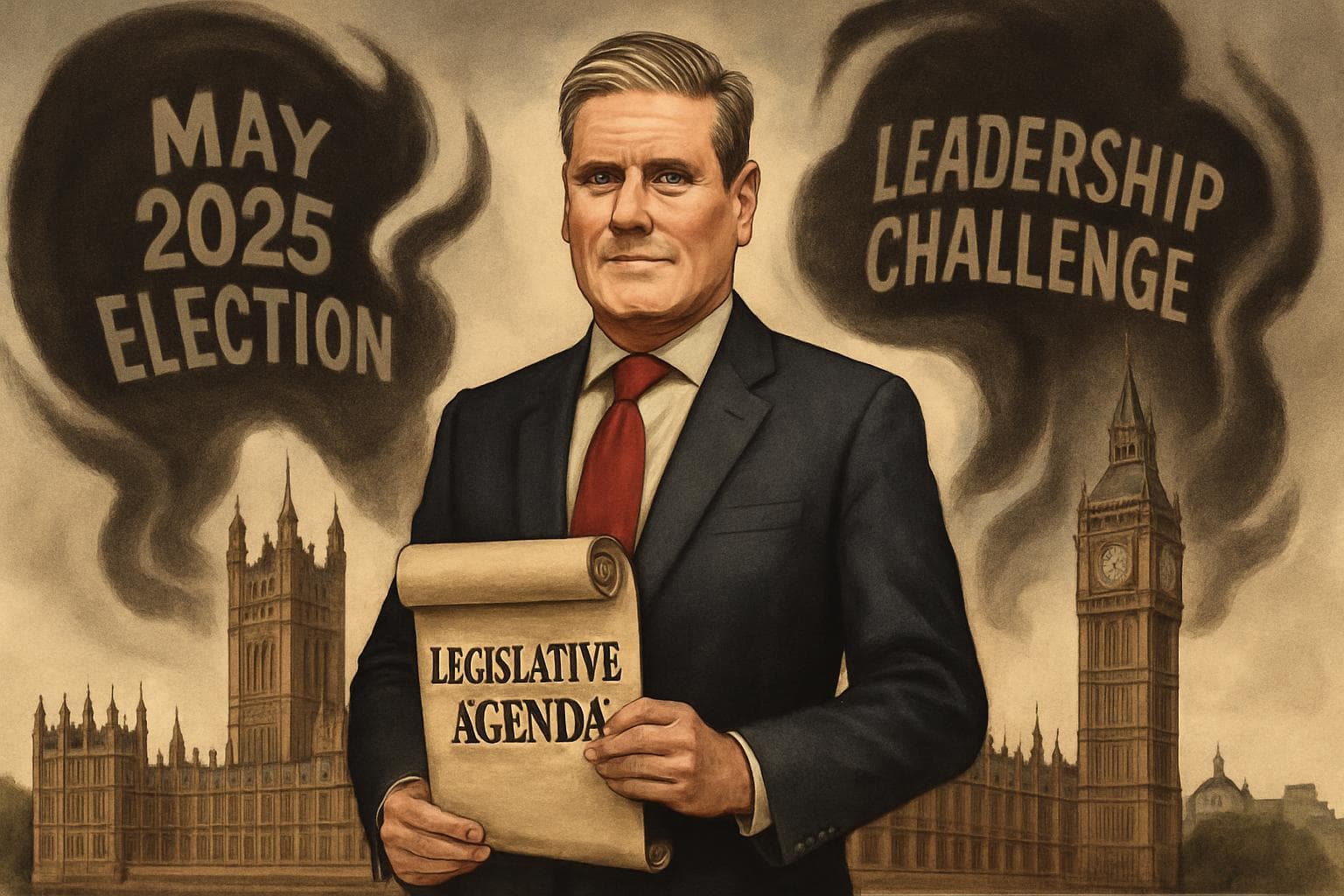
Prime Minister Keir Starmer is poised to present a new legislative agenda in the King's Speech, strategically scheduled for May 12 or 13, 2025, following pivotal elections across the United Kingdom. This timing comes as Labour braces for potentially difficult results in the elections on May 7, which include the Scottish Parliament, Welsh Senedd, and numerous council seats in England.
Political Stakes and Leadership Challenges
The Labour Party faces a high-stakes scenario, with internal speculation about Starmer's leadership intensifying. Critics within the party have pointed to May as a potential flashpoint for leadership challenges, especially if Labour suffers significant losses to parties like Reform and the Greens in England, or fails to make gains in Wales and Scotland. A government source noted that the timing of the King's Speech could complicate any leadership challenges, as it sets the stage for the government's agenda for the coming year.
Legislative Agenda and Key Bills
The King's Speech, a ceremonial event marking the start of a new parliamentary session, will outline the government's legislative priorities. Among the anticipated bills are those addressing AI and copyright, immigration reforms, and electoral changes, including votes at 16. The session, which began in July 2024, has been unusually long, allowing Labour to attempt to complete its legislative goals amid parliamentary challenges and external pressures.
Confidence Vote Implications
The King's Speech is not just a legislative outline but also a confidence vote in the government. Starmer's previous suspension of Labour MPs for voting against party lines on a Scottish National Party amendment underscores the importance of maintaining party discipline. The speech's timing aims to shift the narrative to Labour's new legislative focus, but it also heightens the stakes for Starmer's leadership.
WHAT THIS MIGHT MEAN
As the May elections approach, the Labour Party's performance will be closely scrutinized, with potential implications for Keir Starmer's leadership. A poor showing could embolden internal critics and lead to calls for a leadership change. Conversely, a successful navigation of the King's Speech could solidify Starmer's position, especially if the government can effectively implement its legislative agenda.
The proposed legislative measures, particularly those on electoral reform and immigration, could face significant debate and opposition, both within Parliament and from the public. The outcome of these discussions will likely influence the political landscape and public perception of the Labour government in the coming months.
Related Articles
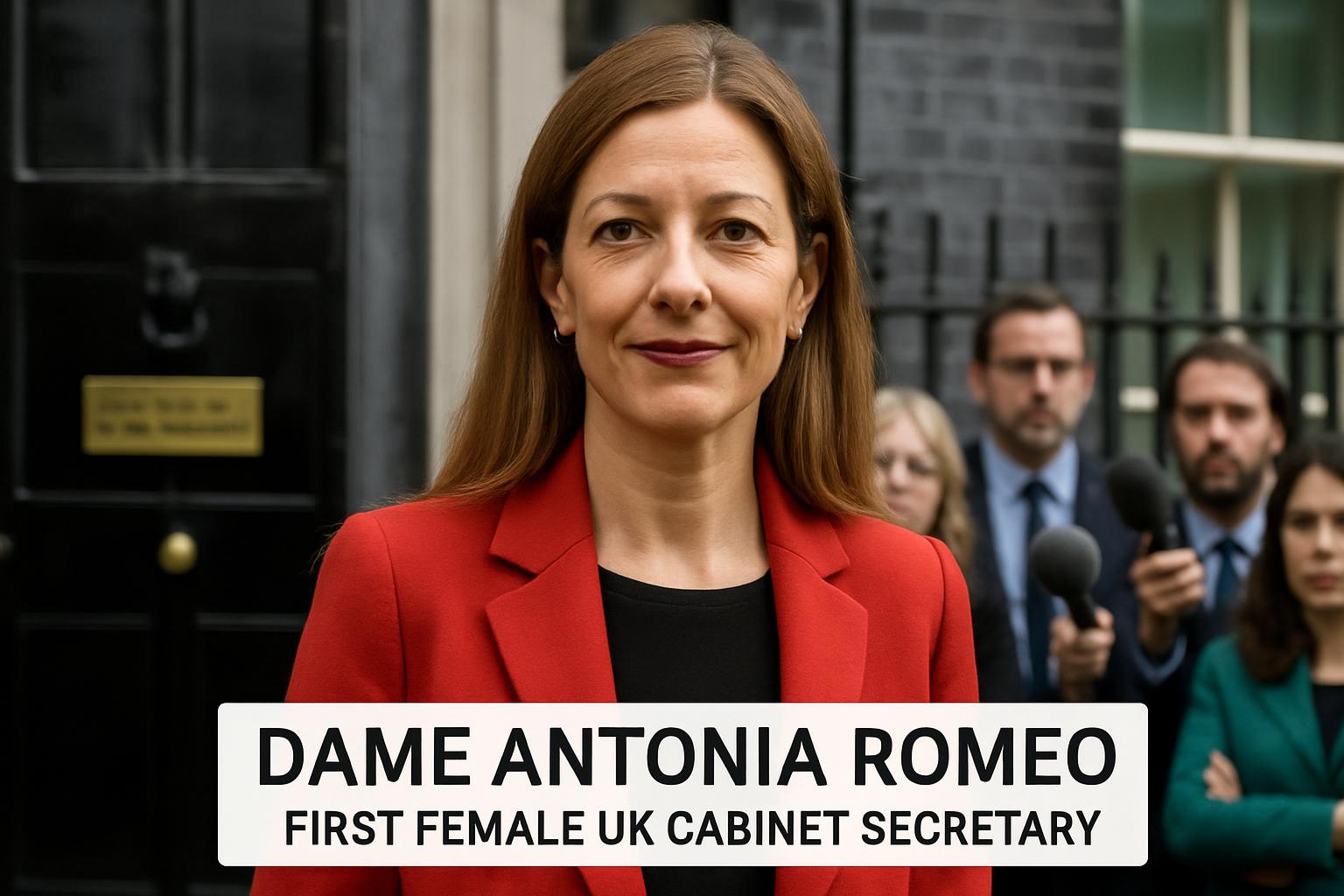
Antonia Romeo Appointed as First Female UK Cabinet Secretary Amid Controversy

UK Faces Dilemmas Amid Iran Conflict and China Spying Allegations

Labour MP's Husband Arrested in UK-China Espionage Probe
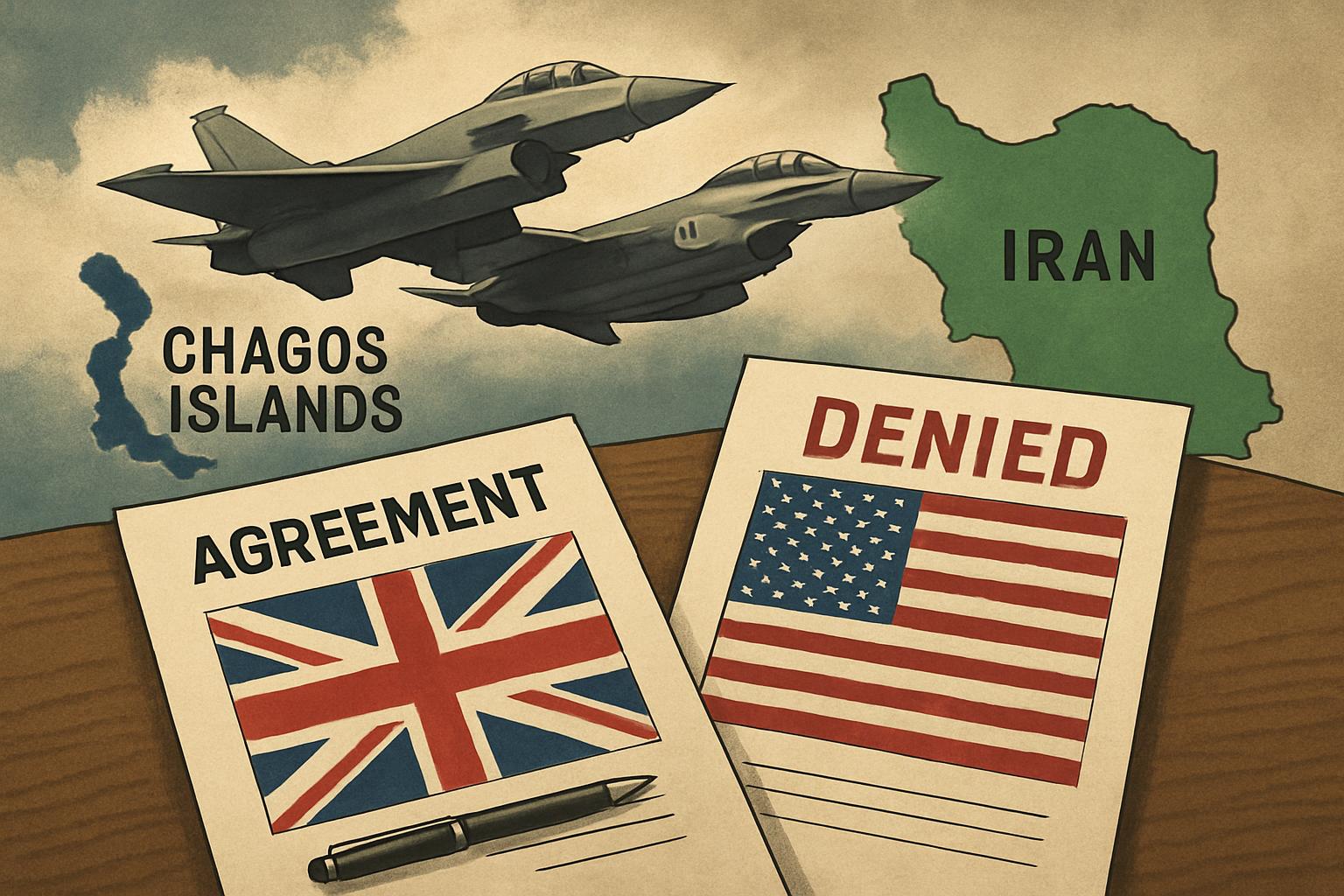
UK Denies US Use of Military Bases for Potential Iran Strikes Amid Chagos Islands Dispute
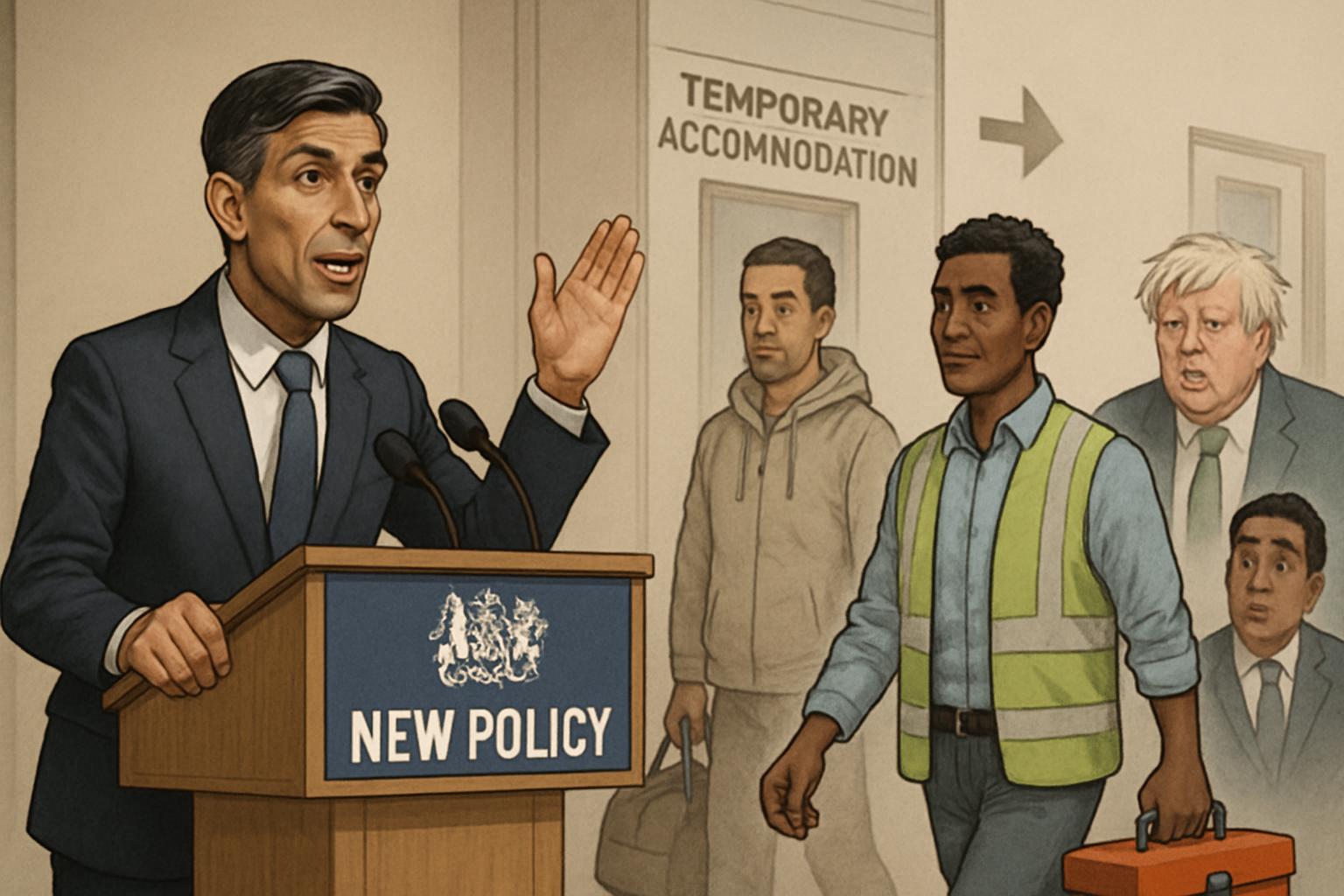
UK Government to Reform Asylum Seeker Support and Employment Policies

Breakthrough Drug Offers Hope for Children with Severe Epilepsy
Keir Starmer's Strategic King's Speech Set to Follow Crucial May Elections
In This Article
 Alex Carter| Published
 HIGHLIGHTS
- Prime Minister Keir Starmer plans to unveil a new legislative agenda in the King's Speech following critical UK elections in May 2025.
- The King's Speech is scheduled for May 12 or 13, shortly after elections in Scotland, Wales, and England on May 7.
- Labour anticipates challenging election results, potentially impacting Starmer's leadership amid speculation of internal party challenges.
- The speech will outline key legislative priorities, including bills on AI, immigration, and electoral reform.
- Votes on the King's Speech are seen as confidence votes, adding pressure on the Labour government to maintain party discipline.
Prime Minister Keir Starmer is poised to present a new legislative agenda in the King's Speech, strategically scheduled for May 12 or 13, 2025, following pivotal elections across the United Kingdom. This timing comes as Labour braces for potentially difficult results in the elections on May 7, which include the Scottish Parliament, Welsh Senedd, and numerous council seats in England.
Political Stakes and Leadership Challenges
The Labour Party faces a high-stakes scenario, with internal speculation about Starmer's leadership intensifying. Critics within the party have pointed to May as a potential flashpoint for leadership challenges, especially if Labour suffers significant losses to parties like Reform and the Greens in England, or fails to make gains in Wales and Scotland. A government source noted that the timing of the King's Speech could complicate any leadership challenges, as it sets the stage for the government's agenda for the coming year.
Legislative Agenda and Key Bills
The King's Speech, a ceremonial event marking the start of a new parliamentary session, will outline the government's legislative priorities. Among the anticipated bills are those addressing AI and copyright, immigration reforms, and electoral changes, including votes at 16. The session, which began in July 2024, has been unusually long, allowing Labour to attempt to complete its legislative goals amid parliamentary challenges and external pressures.
Confidence Vote Implications
The King's Speech is not just a legislative outline but also a confidence vote in the government. Starmer's previous suspension of Labour MPs for voting against party lines on a Scottish National Party amendment underscores the importance of maintaining party discipline. The speech's timing aims to shift the narrative to Labour's new legislative focus, but it also heightens the stakes for Starmer's leadership.
WHAT THIS MIGHT MEAN
As the May elections approach, the Labour Party's performance will be closely scrutinized, with potential implications for Keir Starmer's leadership. A poor showing could embolden internal critics and lead to calls for a leadership change. Conversely, a successful navigation of the King's Speech could solidify Starmer's position, especially if the government can effectively implement its legislative agenda.
The proposed legislative measures, particularly those on electoral reform and immigration, could face significant debate and opposition, both within Parliament and from the public. The outcome of these discussions will likely influence the political landscape and public perception of the Labour government in the coming months.
Related Articles
Antonia Romeo Appointed as First Female UK Cabinet Secretary Amid Controversy
UK Faces Dilemmas Amid Iran Conflict and China Spying Allegations
Labour MP's Husband Arrested in UK-China Espionage Probe
UK Denies US Use of Military Bases for Potential Iran Strikes Amid Chagos Islands Dispute
UK Government to Reform Asylum Seeker Support and Employment Policies
Breakthrough Drug Offers Hope for Children with Severe Epilepsy