
Keir Starmer's Welfare Reform Faces Backlash Amidst Concessions and Delays

In This Article
HIGHLIGHTS
- Keir Starmer's welfare reform bill passed with a 75-vote majority after significant concessions, reducing expected savings from £5bn to nearly nothing.
- The climbdown on personal independence payment cuts was celebrated by disabled groups but damaged Starmer's authority and competence.
- Labour's workers' rights package faces delays until 2027, with business leaders' criticism influencing the decision.
- AstraZeneca is considering moving its listing from the London Stock Exchange to the US due to frustrations with the UK operating environment.
- The UK government faces criticism over record small boat crossings, with calls to reinstate the Rwanda scheme for border control.
In a dramatic turn of events, Keir Starmer's flagship welfare reform bill narrowly passed its second reading in the House of Commons with a 75-vote majority. However, the passage came at a significant cost, as the Labour leader was forced to make substantial concessions, reducing the bill's anticipated savings from £5 billion to nearly nothing. This climbdown, particularly the shelving of cuts to the personal independence payment (PIP), was welcomed by disabled individuals and advocacy groups but has left Starmer's leadership and competence in question.
Impact on Labour's Policies
The welfare reform's dilution has sparked a broader debate within the Labour Party, with left-wing members pushing for new wealth taxes. Meanwhile, Labour's workers' rights package, which includes protections against unfair dismissal and flexible working conditions, has been delayed until 2027. Business Secretary Jonathan Reynolds acknowledged the challenges faced by firms, hinting at potential further concessions.
Pharmaceutical Industry Concerns
In a related development, AstraZeneca, a major pharmaceutical company, is contemplating relocating its listing from the London Stock Exchange to the US. CEO Sir Pascal Soriot expressed frustration with the UK's operating environment, particularly concerning the ongoing dispute over drug pricing terms. This move could have significant implications for the UK's life sciences sector.
Border Control Challenges
The UK government is also grappling with record numbers of small boat crossings, highlighting ongoing border control issues. Critics, including the Daily Mail, have called for the reinstatement of the controversial Rwanda scheme to address these challenges. The Sun reported on French police's limited effectiveness in curbing migrant boat launches, despite UK-funded equipment.
WHAT THIS MIGHT MEAN
The recent developments surrounding Keir Starmer's welfare reform bill could have lasting implications for his leadership and the Labour Party's future policies. The concessions made to pass the bill may embolden left-wing members to push for more progressive measures, such as wealth taxes, potentially leading to internal party conflicts.
AstraZeneca's potential departure from the London Stock Exchange underscores the challenges facing the UK's pharmaceutical industry. If the company proceeds with its move, it could prompt other firms to reconsider their UK operations, affecting the country's economic landscape.
On the border control front, the government's handling of small boat crossings will likely remain a contentious issue. The debate over the Rwanda scheme's reinstatement could shape future immigration policies and impact the UK's international relations.
Images from the Web

Related Articles
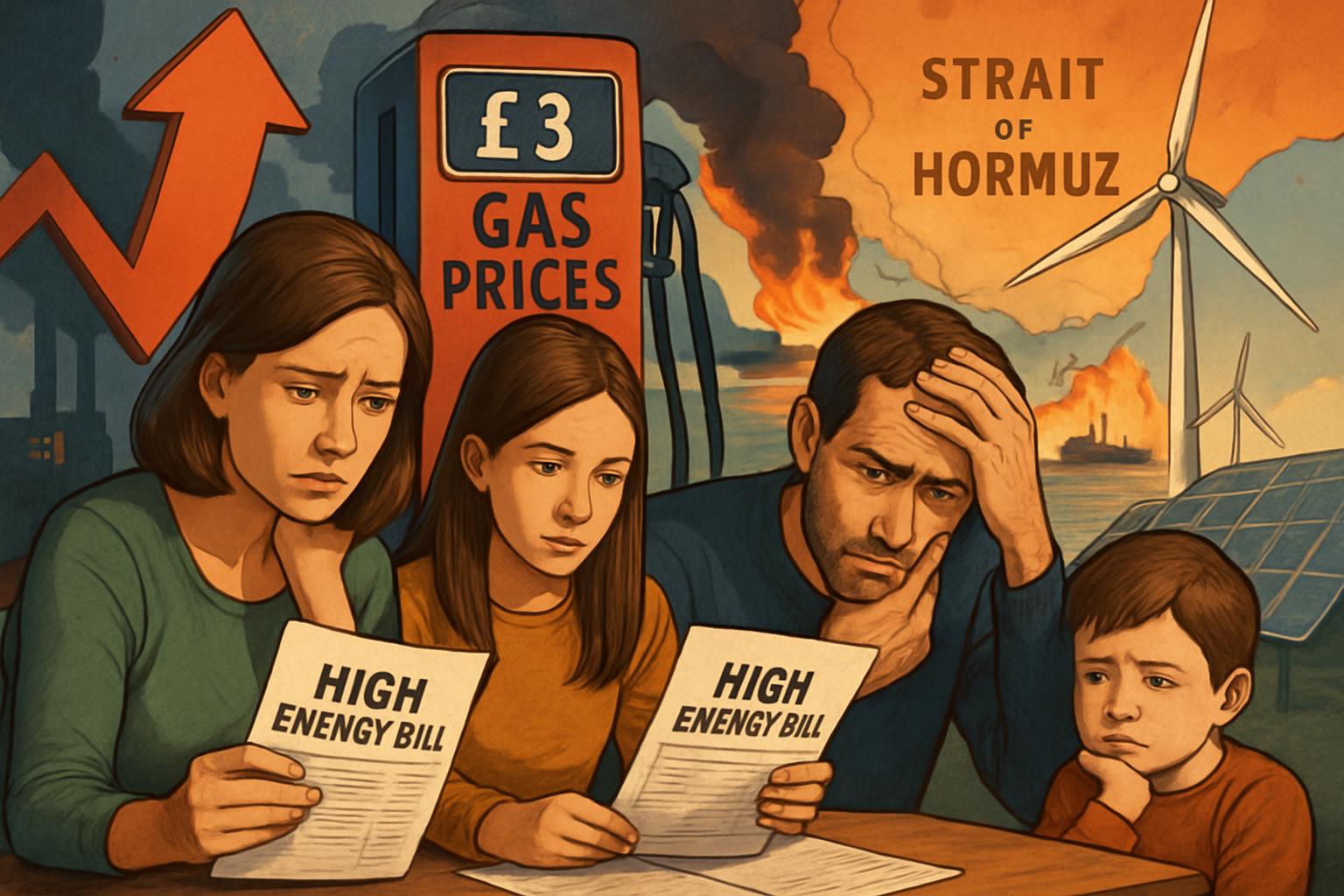
Middle East Conflict Drives UK Energy Prices to New Highs

UK Faces Dilemmas Amid Iran Conflict and China Spying Allegations

Labour MP's Husband Arrested in UK-China Espionage Probe

Diplomatic Tensions Rise as Trump Criticizes Starmer's Iran Policy

UK Government Announces Major Overhaul of SEND System with £3.4 Billion Investment

UK Government to Reform Asylum Seeker Support and Employment Policies
Keir Starmer's Welfare Reform Faces Backlash Amidst Concessions and Delays
In This Article
 Daniel Rivera| Published
 HIGHLIGHTS
- Keir Starmer's welfare reform bill passed with a 75-vote majority after significant concessions, reducing expected savings from £5bn to nearly nothing.
- The climbdown on personal independence payment cuts was celebrated by disabled groups but damaged Starmer's authority and competence.
- Labour's workers' rights package faces delays until 2027, with business leaders' criticism influencing the decision.
- AstraZeneca is considering moving its listing from the London Stock Exchange to the US due to frustrations with the UK operating environment.
- The UK government faces criticism over record small boat crossings, with calls to reinstate the Rwanda scheme for border control.
In a dramatic turn of events, Keir Starmer's flagship welfare reform bill narrowly passed its second reading in the House of Commons with a 75-vote majority. However, the passage came at a significant cost, as the Labour leader was forced to make substantial concessions, reducing the bill's anticipated savings from £5 billion to nearly nothing. This climbdown, particularly the shelving of cuts to the personal independence payment (PIP), was welcomed by disabled individuals and advocacy groups but has left Starmer's leadership and competence in question.
Impact on Labour's Policies
The welfare reform's dilution has sparked a broader debate within the Labour Party, with left-wing members pushing for new wealth taxes. Meanwhile, Labour's workers' rights package, which includes protections against unfair dismissal and flexible working conditions, has been delayed until 2027. Business Secretary Jonathan Reynolds acknowledged the challenges faced by firms, hinting at potential further concessions.
Pharmaceutical Industry Concerns
In a related development, AstraZeneca, a major pharmaceutical company, is contemplating relocating its listing from the London Stock Exchange to the US. CEO Sir Pascal Soriot expressed frustration with the UK's operating environment, particularly concerning the ongoing dispute over drug pricing terms. This move could have significant implications for the UK's life sciences sector.
Border Control Challenges
The UK government is also grappling with record numbers of small boat crossings, highlighting ongoing border control issues. Critics, including the Daily Mail, have called for the reinstatement of the controversial Rwanda scheme to address these challenges. The Sun reported on French police's limited effectiveness in curbing migrant boat launches, despite UK-funded equipment.
WHAT THIS MIGHT MEAN
The recent developments surrounding Keir Starmer's welfare reform bill could have lasting implications for his leadership and the Labour Party's future policies. The concessions made to pass the bill may embolden left-wing members to push for more progressive measures, such as wealth taxes, potentially leading to internal party conflicts.
AstraZeneca's potential departure from the London Stock Exchange underscores the challenges facing the UK's pharmaceutical industry. If the company proceeds with its move, it could prompt other firms to reconsider their UK operations, affecting the country's economic landscape.
On the border control front, the government's handling of small boat crossings will likely remain a contentious issue. The debate over the Rwanda scheme's reinstatement could shape future immigration policies and impact the UK's international relations.
Images from the Web
Related Articles
Middle East Conflict Drives UK Energy Prices to New Highs
UK Faces Dilemmas Amid Iran Conflict and China Spying Allegations
Labour MP's Husband Arrested in UK-China Espionage Probe
Diplomatic Tensions Rise as Trump Criticizes Starmer's Iran Policy
UK Government Announces Major Overhaul of SEND System with £3.4 Billion Investment
UK Government to Reform Asylum Seeker Support and Employment Policies