
Labour Faces Internal Strife Over Controversial Welfare Reform Plans
In This Article
HIGHLIGHTS
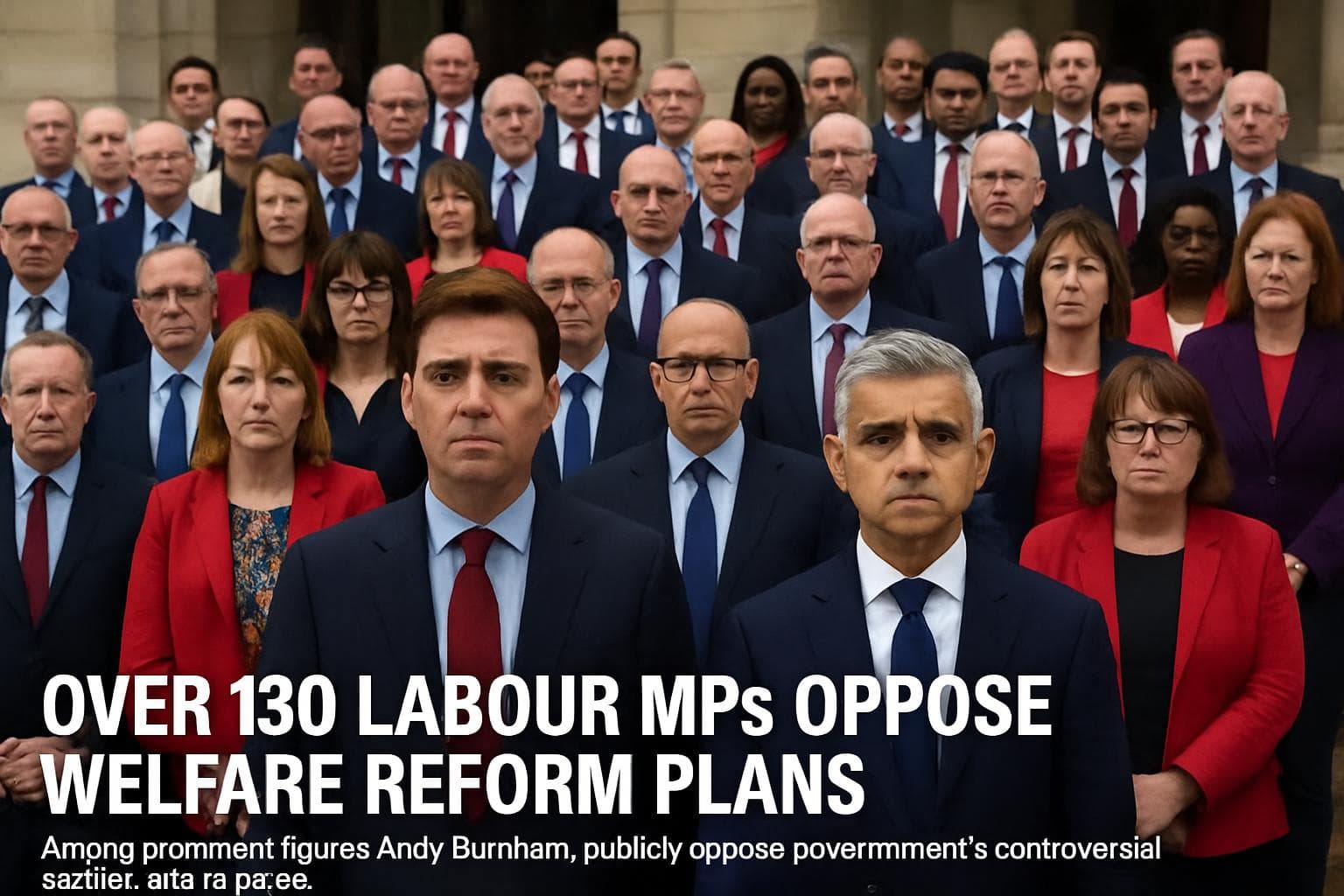
- Over 130 MPs, including 120 Labour MPs, have signed an amendment opposing the government's welfare reform plans.
- The proposed changes aim to cut £5 billion annually by 2030, affecting disability and sickness-related benefits.
- Key figures like Chancellor Rachel Reeves and Health Secretary Wes Streeting are actively lobbying MPs to support the bill.
- Labour leaders, including Andy Burnham and Sadiq Khan, have publicly opposed the welfare cuts.
- The rebellion poses a significant challenge to Prime Minister Keir Starmer's leadership and his ability to maintain party unity.
The Labour government is grappling with a significant internal rebellion as over 130 MPs, including 120 from its own ranks, have signed an amendment opposing proposed welfare reforms. The contentious bill, which aims to save £5 billion annually by 2030, seeks to tighten eligibility for disability and sickness-related benefits, including the Personal Independence Payment (PIP).
Mounting Opposition
Despite efforts from senior cabinet members, including Chancellor Rachel Reeves and Health Secretary Wes Streeting, to rally support, the dissent within the party continues to grow. The amendment, which could block the government's welfare changes, has gained traction among MPs concerned about the potential impact on vulnerable populations. Labour MP Helen Hayes emphasized that the amendment is not a confidence vote but a call for the government to reconsider its approach.
Leadership Under Pressure
Prime Minister Keir Starmer faces a critical test of his leadership as prominent figures like Greater Manchester Mayor Andy Burnham and London Mayor Sadiq Khan publicly oppose the welfare cuts. Burnham stated on BBC Newsnight that the collective wisdom of the Parliamentary Labour Party should be heeded, urging the government to listen to its members.
Government's Justification
The government argues that the reforms are necessary to ensure the sustainability of the welfare system, with the number of PIP recipients reportedly increasing by 1,000 daily. Pat McFadden, Chancellor of the Duchy of Lancaster, defended the cuts, citing the need for reform amid rising long-term sickness and disability benefit claims.
Potential Consequences
The rebellion highlights the challenges facing Starmer's administration, with some cabinet members reportedly surprised by the intensity of opposition. The proposed welfare cuts have sparked fears of pushing more people into relative poverty and have been criticized for lacking adequate consultation with affected groups.
WHAT THIS MIGHT MEAN
As the vote on the welfare bill approaches, the Labour government must navigate a delicate political landscape. If the amendment gains further support, it could force a reconsideration of the proposed cuts, potentially leading to a compromise or a complete overhaul of the reform strategy. Failure to address the concerns of dissenting MPs could weaken Starmer's leadership and strain party unity. Experts suggest that the government may need to balance fiscal responsibility with moral considerations to maintain public and parliamentary support.
Related Articles

Labour MP's Husband Arrested in UK-China Espionage Probe

Global Counsel Faces Collapse Amidst Epstein Scandal Fallout

UK Faces Dilemmas Amid Iran Conflict and China Spying Allegations

UK-Iran Tensions: Starmer Defends Cautious Approach Amid Trump Criticism

Diplomatic Tensions Rise as Trump Criticizes Starmer's Iran Policy

Nottingham Attacks Inquiry: Families Demand Accountability and Truth
Labour Faces Internal Strife Over Controversial Welfare Reform Plans
In This Article
 Ethan Brooks| Published
 HIGHLIGHTS
- Over 130 MPs, including 120 Labour MPs, have signed an amendment opposing the government's welfare reform plans.
- The proposed changes aim to cut £5 billion annually by 2030, affecting disability and sickness-related benefits.
- Key figures like Chancellor Rachel Reeves and Health Secretary Wes Streeting are actively lobbying MPs to support the bill.
- Labour leaders, including Andy Burnham and Sadiq Khan, have publicly opposed the welfare cuts.
- The rebellion poses a significant challenge to Prime Minister Keir Starmer's leadership and his ability to maintain party unity.
The Labour government is grappling with a significant internal rebellion as over 130 MPs, including 120 from its own ranks, have signed an amendment opposing proposed welfare reforms. The contentious bill, which aims to save £5 billion annually by 2030, seeks to tighten eligibility for disability and sickness-related benefits, including the Personal Independence Payment (PIP).
Mounting Opposition
Despite efforts from senior cabinet members, including Chancellor Rachel Reeves and Health Secretary Wes Streeting, to rally support, the dissent within the party continues to grow. The amendment, which could block the government's welfare changes, has gained traction among MPs concerned about the potential impact on vulnerable populations. Labour MP Helen Hayes emphasized that the amendment is not a confidence vote but a call for the government to reconsider its approach.
Leadership Under Pressure
Prime Minister Keir Starmer faces a critical test of his leadership as prominent figures like Greater Manchester Mayor Andy Burnham and London Mayor Sadiq Khan publicly oppose the welfare cuts. Burnham stated on BBC Newsnight that the collective wisdom of the Parliamentary Labour Party should be heeded, urging the government to listen to its members.
Government's Justification
The government argues that the reforms are necessary to ensure the sustainability of the welfare system, with the number of PIP recipients reportedly increasing by 1,000 daily. Pat McFadden, Chancellor of the Duchy of Lancaster, defended the cuts, citing the need for reform amid rising long-term sickness and disability benefit claims.
Potential Consequences
The rebellion highlights the challenges facing Starmer's administration, with some cabinet members reportedly surprised by the intensity of opposition. The proposed welfare cuts have sparked fears of pushing more people into relative poverty and have been criticized for lacking adequate consultation with affected groups.
WHAT THIS MIGHT MEAN
As the vote on the welfare bill approaches, the Labour government must navigate a delicate political landscape. If the amendment gains further support, it could force a reconsideration of the proposed cuts, potentially leading to a compromise or a complete overhaul of the reform strategy. Failure to address the concerns of dissenting MPs could weaken Starmer's leadership and strain party unity. Experts suggest that the government may need to balance fiscal responsibility with moral considerations to maintain public and parliamentary support.
Related Articles
Labour MP's Husband Arrested in UK-China Espionage Probe
Global Counsel Faces Collapse Amidst Epstein Scandal Fallout
UK Faces Dilemmas Amid Iran Conflict and China Spying Allegations
UK-Iran Tensions: Starmer Defends Cautious Approach Amid Trump Criticism
Diplomatic Tensions Rise as Trump Criticizes Starmer's Iran Policy
Nottingham Attacks Inquiry: Families Demand Accountability and Truth