
Political Turmoil as Labour MPs Rebel Against Welfare Reform
In This Article
HIGHLIGHTS
- Keir Starmer faced a significant challenge as Labour MPs rebelled against the proposed welfare reform bill.
- The UK government executed multiple U-turns on the welfare bill, highlighting internal instability.
- The welfare reform aimed to change the eligibility criteria for the Personal Independence Payment by November next year.
- The rebellion against the welfare bill has left a £5bn gap in the budget, causing financial concerns.
- The political turmoil has raised questions about the future leadership and stability of the Labour Party.
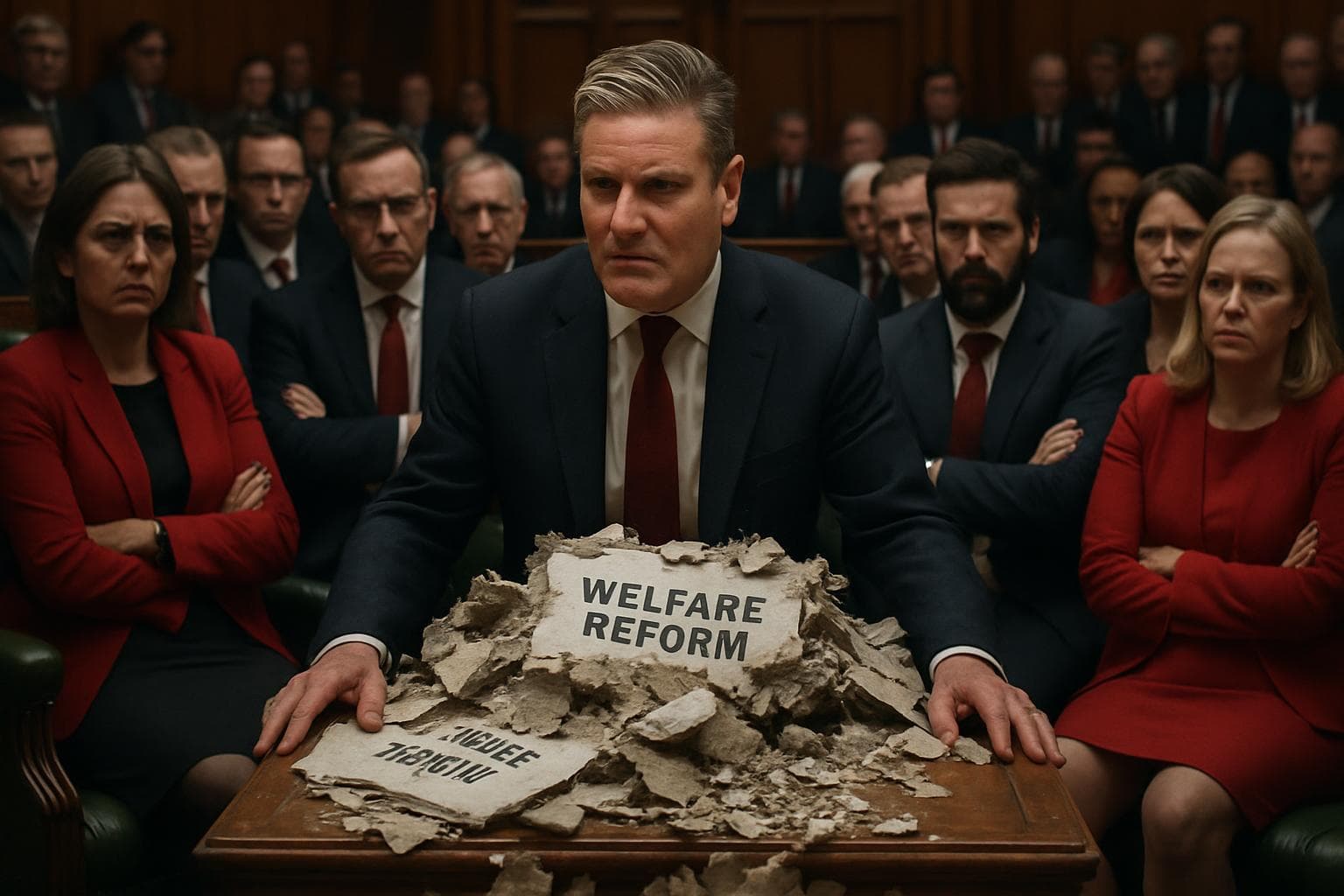
In a dramatic turn of events reminiscent of past parliamentary upheavals, Labour leader Keir Starmer is grappling with a significant rebellion from within his own party over proposed welfare reforms. The government, despite holding a majority, found itself in disarray as Labour MPs opposed changes to the Personal Independence Payment (PIP) eligibility criteria, initially set to take effect in November next year.
A Government in Disarray
The rebellion unfolded with a series of U-turns by the government, reminiscent of chaotic moments seen during Brexit debates. Initially, the government underestimated the depth of opposition among its MPs. Despite efforts to placate dissenters, the number of rebels swelled, with estimates suggesting up to 80 MPs were prepared to vote against the bill. This forced the government to retract its plans, leaving the welfare reform strategy in tatters.
Financial Implications and Political Fallout
The climbdown has left a substantial £5bn hole in the budget, a point underscored by Chancellor Rachel Reeves during a tense Prime Minister's Questions session. The financial implications of the U-turn are significant, with senior ministers acknowledging that the upcoming budget will need to address these challenges. The rebellion has not only exposed divisions within the Labour Party but also raised questions about Starmer's leadership and the party's future direction.
Motivations Behind the Rebellion
While some MPs may have sought to challenge Starmer's leadership, the majority were driven by a desire to protect vulnerable constituents from the perceived harm of the welfare bill. The government's failure to heed warnings from disability charities and campaigners further fueled the rebellion. Allies of Reeves have expressed frustration at the backbenchers, accusing them of undermining the government's authority.
WHAT THIS MIGHT MEAN
The fallout from this political upheaval could have lasting implications for the Labour Party and the UK government. The rebellion has exposed vulnerabilities in Starmer's leadership, potentially emboldening those within the party who seek change. Financially, the £5bn gap in the budget will necessitate difficult decisions, likely impacting public services and welfare programs. Politically, the government's authority has been weakened, raising questions about its ability to implement future reforms. As the situation unfolds, the Labour Party must navigate these challenges to restore stability and public confidence.
Related Articles
Middle East Conflict Drives UK Energy Prices to New Highs

UK Faces Dilemmas Amid Iran Conflict and China Spying Allegations

Labour MP's Husband Arrested in UK-China Espionage Probe

UK Government Announces Major Overhaul of SEND System with £3.4 Billion Investment

UK Government to Reform Asylum Seeker Support and Employment Policies

UK-Iran Tensions: Starmer Defends Cautious Approach Amid Trump Criticism
Political Turmoil as Labour MPs Rebel Against Welfare Reform
In This Article
 Daniel Rivera| Published
 HIGHLIGHTS
- Keir Starmer faced a significant challenge as Labour MPs rebelled against the proposed welfare reform bill.
- The UK government executed multiple U-turns on the welfare bill, highlighting internal instability.
- The welfare reform aimed to change the eligibility criteria for the Personal Independence Payment by November next year.
- The rebellion against the welfare bill has left a £5bn gap in the budget, causing financial concerns.
- The political turmoil has raised questions about the future leadership and stability of the Labour Party.
In a dramatic turn of events reminiscent of past parliamentary upheavals, Labour leader Keir Starmer is grappling with a significant rebellion from within his own party over proposed welfare reforms. The government, despite holding a majority, found itself in disarray as Labour MPs opposed changes to the Personal Independence Payment (PIP) eligibility criteria, initially set to take effect in November next year.
A Government in Disarray
The rebellion unfolded with a series of U-turns by the government, reminiscent of chaotic moments seen during Brexit debates. Initially, the government underestimated the depth of opposition among its MPs. Despite efforts to placate dissenters, the number of rebels swelled, with estimates suggesting up to 80 MPs were prepared to vote against the bill. This forced the government to retract its plans, leaving the welfare reform strategy in tatters.
Financial Implications and Political Fallout
The climbdown has left a substantial £5bn hole in the budget, a point underscored by Chancellor Rachel Reeves during a tense Prime Minister's Questions session. The financial implications of the U-turn are significant, with senior ministers acknowledging that the upcoming budget will need to address these challenges. The rebellion has not only exposed divisions within the Labour Party but also raised questions about Starmer's leadership and the party's future direction.
Motivations Behind the Rebellion
While some MPs may have sought to challenge Starmer's leadership, the majority were driven by a desire to protect vulnerable constituents from the perceived harm of the welfare bill. The government's failure to heed warnings from disability charities and campaigners further fueled the rebellion. Allies of Reeves have expressed frustration at the backbenchers, accusing them of undermining the government's authority.
WHAT THIS MIGHT MEAN
The fallout from this political upheaval could have lasting implications for the Labour Party and the UK government. The rebellion has exposed vulnerabilities in Starmer's leadership, potentially emboldening those within the party who seek change. Financially, the £5bn gap in the budget will necessitate difficult decisions, likely impacting public services and welfare programs. Politically, the government's authority has been weakened, raising questions about its ability to implement future reforms. As the situation unfolds, the Labour Party must navigate these challenges to restore stability and public confidence.
Related Articles
Middle East Conflict Drives UK Energy Prices to New Highs
UK Faces Dilemmas Amid Iran Conflict and China Spying Allegations
Labour MP's Husband Arrested in UK-China Espionage Probe
UK Government Announces Major Overhaul of SEND System with £3.4 Billion Investment
UK Government to Reform Asylum Seeker Support and Employment Policies
UK-Iran Tensions: Starmer Defends Cautious Approach Amid Trump Criticism