
Labour's Benefit Cuts: A Moral Duty or a Path to Poverty?
In This Article
HIGHLIGHTS
- Labour Party minister Emma Reynolds emphasizes the party's "moral duty" to assist people back into work, highlighting the current system's binary nature.
- Citizens Advice CEO Clare Moriarty warns that Labour's proposed benefit cuts could deepen poverty and worsen health conditions, hindering employment prospects.
- The Department for Work and Pensions has increased employment support with 1,000 work coaches, but Moriarty argues this is insufficient for the scale of need.
- Moriarty stresses that poverty is linked to poor mental and physical health, which could be exacerbated by benefit reductions.
- Public health expert Sir Michael Marmot calls for a broader strategy to improve health equity, cautioning against cuts without a comprehensive plan.
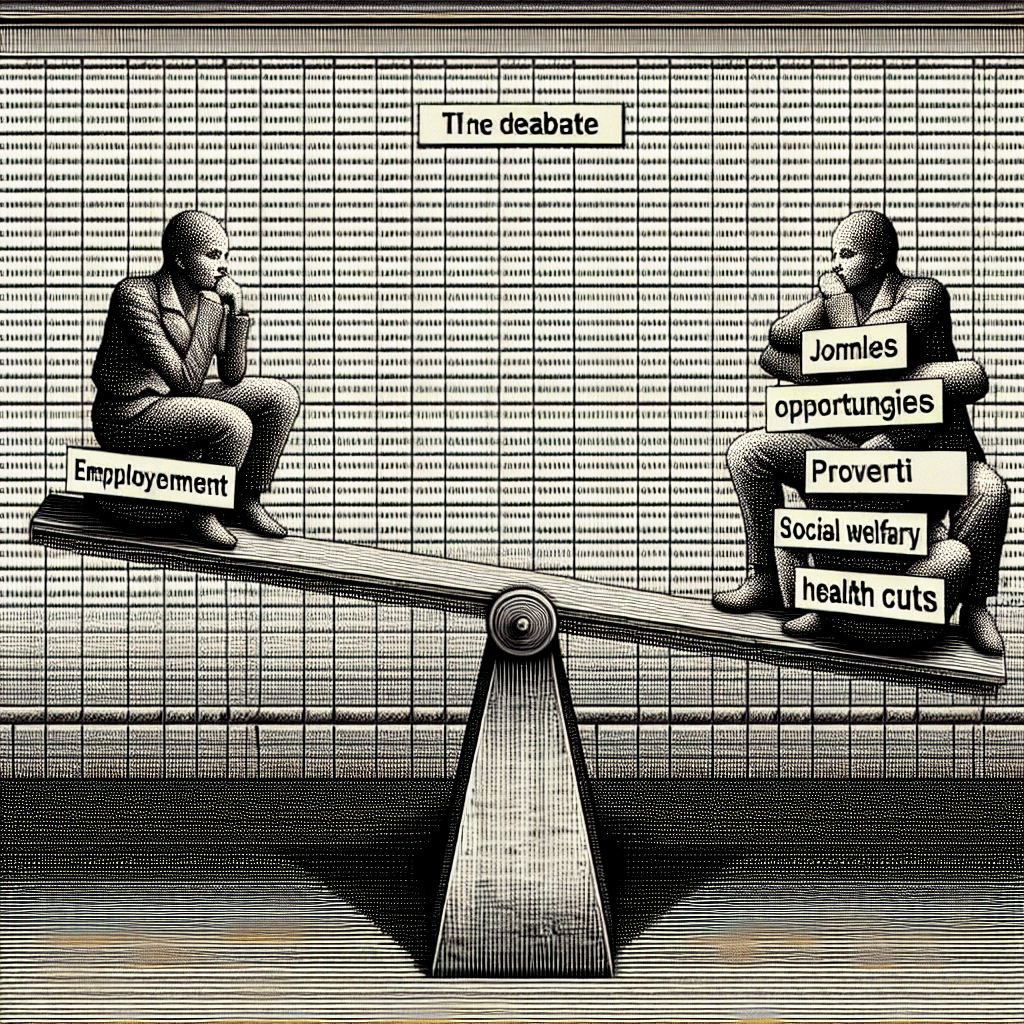
The Labour Party's recent proposals to cut benefits have sparked a heated debate over the potential impacts on poverty and employment. Emma Reynolds, a government minister, has defended the party's stance, asserting that it is a "moral duty" to help people return to work. Speaking on BBC Radio 4's Today programme, Reynolds described the current system as "binary," where individuals are either deemed fit to work and claim job seekers' allowance or are unable to work and receive no support. She assured that the most vulnerable, including the severely disabled, would continue to receive assistance.
Criticism from Citizens Advice
However, Clare Moriarty, the chief executive of Citizens Advice, has criticized the Labour government's approach as a "short-term action" with potentially severe long-term consequences. Moriarty warned that cutting benefits for disabled individuals could push more people into poverty, making it harder for them to find employment. She highlighted the risk of worsening health conditions due to poverty, which could further distance individuals from the workforce.
Moriarty emphasized the need for a holistic approach to employment support, noting that the Department for Work and Pensions' deployment of 1,000 work coaches is inadequate for the number of people affected by the proposed changes. "It's not on the scale that will be needed," she stated, urging for broader support that addresses housing and other underlying issues.
Health and Wellbeing Concerns
Public health expert Prof Sir Michael Marmot echoed Moriarty's concerns, stressing that benefit cuts should be part of a wider strategy to improve health equity. He cautioned against implementing cuts without a clear plan to enhance overall wellbeing and reduce health disparities. Marmot pointed out the rise of low-paid, insecure work, arguing that employment alone is not a guaranteed escape from poverty.
A recent study by Citizens Advice found that over 7.5 million people would struggle to afford basic necessities if bills increased by just £20, with single parents and disabled individuals being particularly vulnerable.
WHAT THIS MIGHT MEAN
The Labour Party's proposals could lead to significant political and social ramifications. If implemented without adequate support systems, the benefit cuts may exacerbate poverty and health issues, potentially increasing public discontent. Experts like Moriarty and Marmot suggest that a comprehensive strategy focusing on health and employment support is crucial to mitigate these risks.
As the government prepares to announce further details, the focus will likely be on balancing fiscal responsibility with social welfare. The outcome of these proposals could influence public perception of the Labour Party's commitment to raising living standards and addressing inequality.
Related Articles

Anas Sarwar Denies Plot Against Starmer Amid Labour Party Turmoil
Keir Starmer Faces Pressure Over Appointments and Calls for Cultural Change

Keir Starmer Survives Leadership Challenge Amid Political Turmoil

Keir Starmer Faces Leadership Crisis Amid Calls for Resignation
UK Government to Reform Asylum Seeker Support and Employment Policies

UK Faces Dilemmas Amid Iran Conflict and China Spying Allegations
Labour's Benefit Cuts: A Moral Duty or a Path to Poverty?
In This Article
 Alex Carter| Published
 HIGHLIGHTS
- Labour Party minister Emma Reynolds emphasizes the party's "moral duty" to assist people back into work, highlighting the current system's binary nature.
- Citizens Advice CEO Clare Moriarty warns that Labour's proposed benefit cuts could deepen poverty and worsen health conditions, hindering employment prospects.
- The Department for Work and Pensions has increased employment support with 1,000 work coaches, but Moriarty argues this is insufficient for the scale of need.
- Moriarty stresses that poverty is linked to poor mental and physical health, which could be exacerbated by benefit reductions.
- Public health expert Sir Michael Marmot calls for a broader strategy to improve health equity, cautioning against cuts without a comprehensive plan.
The Labour Party's recent proposals to cut benefits have sparked a heated debate over the potential impacts on poverty and employment. Emma Reynolds, a government minister, has defended the party's stance, asserting that it is a "moral duty" to help people return to work. Speaking on BBC Radio 4's Today programme, Reynolds described the current system as "binary," where individuals are either deemed fit to work and claim job seekers' allowance or are unable to work and receive no support. She assured that the most vulnerable, including the severely disabled, would continue to receive assistance.
Criticism from Citizens Advice
However, Clare Moriarty, the chief executive of Citizens Advice, has criticized the Labour government's approach as a "short-term action" with potentially severe long-term consequences. Moriarty warned that cutting benefits for disabled individuals could push more people into poverty, making it harder for them to find employment. She highlighted the risk of worsening health conditions due to poverty, which could further distance individuals from the workforce.
Moriarty emphasized the need for a holistic approach to employment support, noting that the Department for Work and Pensions' deployment of 1,000 work coaches is inadequate for the number of people affected by the proposed changes. "It's not on the scale that will be needed," she stated, urging for broader support that addresses housing and other underlying issues.
Health and Wellbeing Concerns
Public health expert Prof Sir Michael Marmot echoed Moriarty's concerns, stressing that benefit cuts should be part of a wider strategy to improve health equity. He cautioned against implementing cuts without a clear plan to enhance overall wellbeing and reduce health disparities. Marmot pointed out the rise of low-paid, insecure work, arguing that employment alone is not a guaranteed escape from poverty.
A recent study by Citizens Advice found that over 7.5 million people would struggle to afford basic necessities if bills increased by just £20, with single parents and disabled individuals being particularly vulnerable.
WHAT THIS MIGHT MEAN
The Labour Party's proposals could lead to significant political and social ramifications. If implemented without adequate support systems, the benefit cuts may exacerbate poverty and health issues, potentially increasing public discontent. Experts like Moriarty and Marmot suggest that a comprehensive strategy focusing on health and employment support is crucial to mitigate these risks.
As the government prepares to announce further details, the focus will likely be on balancing fiscal responsibility with social welfare. The outcome of these proposals could influence public perception of the Labour Party's commitment to raising living standards and addressing inequality.
Related Articles
Anas Sarwar Denies Plot Against Starmer Amid Labour Party Turmoil
Keir Starmer Faces Pressure Over Appointments and Calls for Cultural Change
Keir Starmer Survives Leadership Challenge Amid Political Turmoil
Keir Starmer Faces Leadership Crisis Amid Calls for Resignation
UK Government to Reform Asylum Seeker Support and Employment Policies
UK Faces Dilemmas Amid Iran Conflict and China Spying Allegations