
Anas Sarwar's Call for Starmer's Resignation Sparks Labour Party Turmoil
In This Article
HIGHLIGHTS
- Anas Sarwar, Scottish Labour leader, has called for UK Prime Minister Keir Starmer to resign, citing leadership failures.
- Sarwar's demand comes amid a scandal involving Peter Mandelson's appointment and its links to Jeffrey Epstein.
- The call for resignation has divided the Labour Party, with some members supporting Starmer and others backing Sarwar.
- The political turmoil threatens Labour's prospects in the upcoming Scottish elections, with the SNP leading in polls.
- Labour's soft left urges a cabinet reshuffle to address internal conflicts and regain public trust.
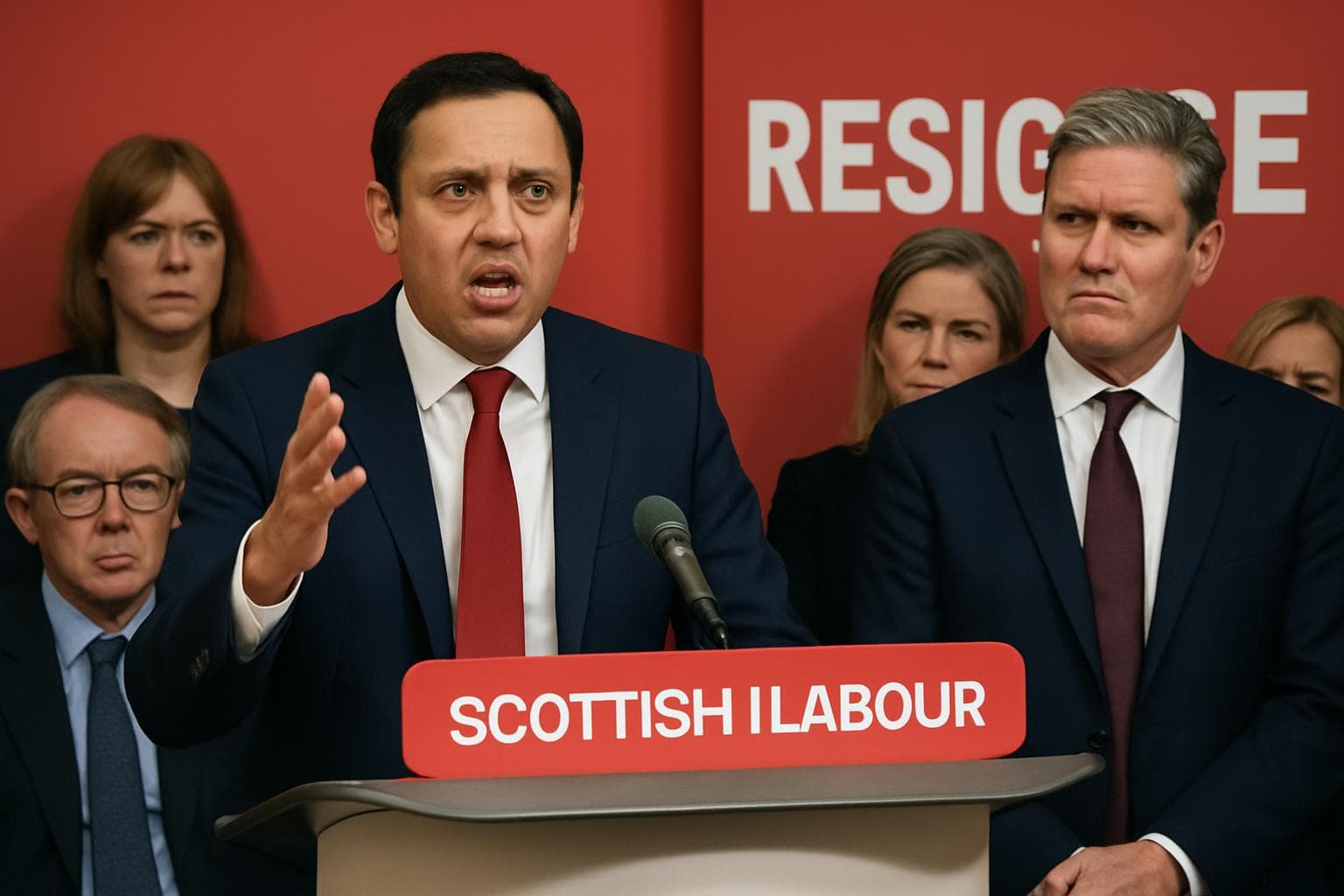
In a bold political move, Anas Sarwar, the leader of Scottish Labour, has publicly called for UK Prime Minister Keir Starmer to resign. Sarwar's demand, made during a press conference in Glasgow, has thrown the Labour Party into disarray, highlighting deep divisions within its ranks.
Leadership Crisis Amid Scandal
Sarwar's call for Starmer's resignation comes in the wake of a scandal involving the appointment of Peter Mandelson as the UK ambassador to Washington. Mandelson's known connections to Jeffrey Epstein have sparked outrage and criticism, further complicating Starmer's leadership. Sarwar expressed frustration over the "too many mistakes" made by Starmer's administration, which he believes are undermining Labour's chances in the Scottish elections scheduled for May.
Divided Party and Political Implications
The Labour Party is now grappling with internal divisions, as some members rally behind Starmer while others support Sarwar's call for change. Notable figures like Jackie Baillie and Monica Lennon have backed Sarwar, whereas others, including Douglas Alexander and Ian Murray, continue to support the Prime Minister. This division poses a significant challenge for Labour, especially as the Scottish National Party (SNP) maintains a strong lead in the polls.
Calls for Cabinet Reshuffle
Amidst the turmoil, Labour's soft left faction has urged Starmer to reshuffle his cabinet to address factional infighting and restore public confidence. The Tribune group, representing a significant portion of Labour MPs, has called for a broader representation of views within the cabinet, emphasizing the need for a focus on economic policy and living standards.
Impact on Upcoming Elections
Sarwar's intervention is seen as a strategic gamble to shift the political landscape ahead of the Holyrood elections. With Labour trailing behind the SNP, Sarwar's bold stance aims to resonate with Scottish voters who are seeking competent and transparent governance. However, the outcome of this political gamble remains uncertain, as Starmer's future hangs in the balance.
WHAT THIS MIGHT MEAN
The unfolding political drama within the Labour Party could have significant implications for its future. If Starmer steps down, it may trigger a leadership contest that could redefine the party's direction. However, if he remains, the internal divisions could weaken Labour's electoral prospects, particularly in Scotland. Experts suggest that a successful cabinet reshuffle might help Starmer regain control and address the party's challenges. As the situation evolves, the upcoming by-election in Gorton and Denton could serve as a critical indicator of Labour's standing with the electorate.
Related Articles

Labour MP's Husband Arrested in UK-China Espionage Probe

UK Faces Dilemmas Amid Iran Conflict and China Spying Allegations
UK Government to Reform Asylum Seeker Support and Employment Policies

UK-Iran Tensions: Starmer Defends Cautious Approach Amid Trump Criticism

Diplomatic Tensions Rise as Trump Criticizes Starmer's Iran Policy

Prince Andrew's Ties to Epstein Under Scrutiny Amid Calls for Inquiry
Anas Sarwar's Call for Starmer's Resignation Sparks Labour Party Turmoil
In This Article
 Ethan Brooks| Published
 HIGHLIGHTS
- Anas Sarwar, Scottish Labour leader, has called for UK Prime Minister Keir Starmer to resign, citing leadership failures.
- Sarwar's demand comes amid a scandal involving Peter Mandelson's appointment and its links to Jeffrey Epstein.
- The call for resignation has divided the Labour Party, with some members supporting Starmer and others backing Sarwar.
- The political turmoil threatens Labour's prospects in the upcoming Scottish elections, with the SNP leading in polls.
- Labour's soft left urges a cabinet reshuffle to address internal conflicts and regain public trust.
In a bold political move, Anas Sarwar, the leader of Scottish Labour, has publicly called for UK Prime Minister Keir Starmer to resign. Sarwar's demand, made during a press conference in Glasgow, has thrown the Labour Party into disarray, highlighting deep divisions within its ranks.
Leadership Crisis Amid Scandal
Sarwar's call for Starmer's resignation comes in the wake of a scandal involving the appointment of Peter Mandelson as the UK ambassador to Washington. Mandelson's known connections to Jeffrey Epstein have sparked outrage and criticism, further complicating Starmer's leadership. Sarwar expressed frustration over the "too many mistakes" made by Starmer's administration, which he believes are undermining Labour's chances in the Scottish elections scheduled for May.
Divided Party and Political Implications
The Labour Party is now grappling with internal divisions, as some members rally behind Starmer while others support Sarwar's call for change. Notable figures like Jackie Baillie and Monica Lennon have backed Sarwar, whereas others, including Douglas Alexander and Ian Murray, continue to support the Prime Minister. This division poses a significant challenge for Labour, especially as the Scottish National Party (SNP) maintains a strong lead in the polls.
Calls for Cabinet Reshuffle
Amidst the turmoil, Labour's soft left faction has urged Starmer to reshuffle his cabinet to address factional infighting and restore public confidence. The Tribune group, representing a significant portion of Labour MPs, has called for a broader representation of views within the cabinet, emphasizing the need for a focus on economic policy and living standards.
Impact on Upcoming Elections
Sarwar's intervention is seen as a strategic gamble to shift the political landscape ahead of the Holyrood elections. With Labour trailing behind the SNP, Sarwar's bold stance aims to resonate with Scottish voters who are seeking competent and transparent governance. However, the outcome of this political gamble remains uncertain, as Starmer's future hangs in the balance.
WHAT THIS MIGHT MEAN
The unfolding political drama within the Labour Party could have significant implications for its future. If Starmer steps down, it may trigger a leadership contest that could redefine the party's direction. However, if he remains, the internal divisions could weaken Labour's electoral prospects, particularly in Scotland. Experts suggest that a successful cabinet reshuffle might help Starmer regain control and address the party's challenges. As the situation evolves, the upcoming by-election in Gorton and Denton could serve as a critical indicator of Labour's standing with the electorate.
Related Articles
Labour MP's Husband Arrested in UK-China Espionage Probe
UK Faces Dilemmas Amid Iran Conflict and China Spying Allegations
UK Government to Reform Asylum Seeker Support and Employment Policies
UK-Iran Tensions: Starmer Defends Cautious Approach Amid Trump Criticism
Diplomatic Tensions Rise as Trump Criticizes Starmer's Iran Policy
Prince Andrew's Ties to Epstein Under Scrutiny Amid Calls for Inquiry