
Life Sentences for Men Behind Foiled Manchester Terror Plot Targeting Jewish Community
In This Article
HIGHLIGHTS
- Walid Saadaoui and Amar Hussein were jailed for life for plotting a deadly attack on Manchester's Jewish community.
- The plot, described as potentially the UK's deadliest terror attack, was foiled by an undercover police operative.
- Saadaoui, a former hotel entertainer, and Hussein planned to smuggle firearms into the UK for the attack.
- The men intended to target a march against antisemitism in Manchester in summer 2024.
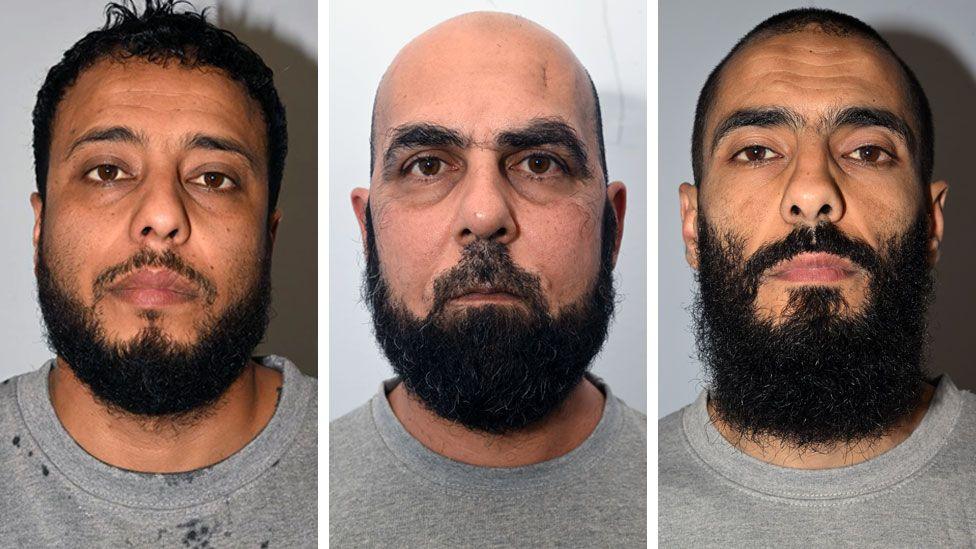
- Saadaoui's brother, Bilel, received a six-year sentence for failing to disclose information about the plot.
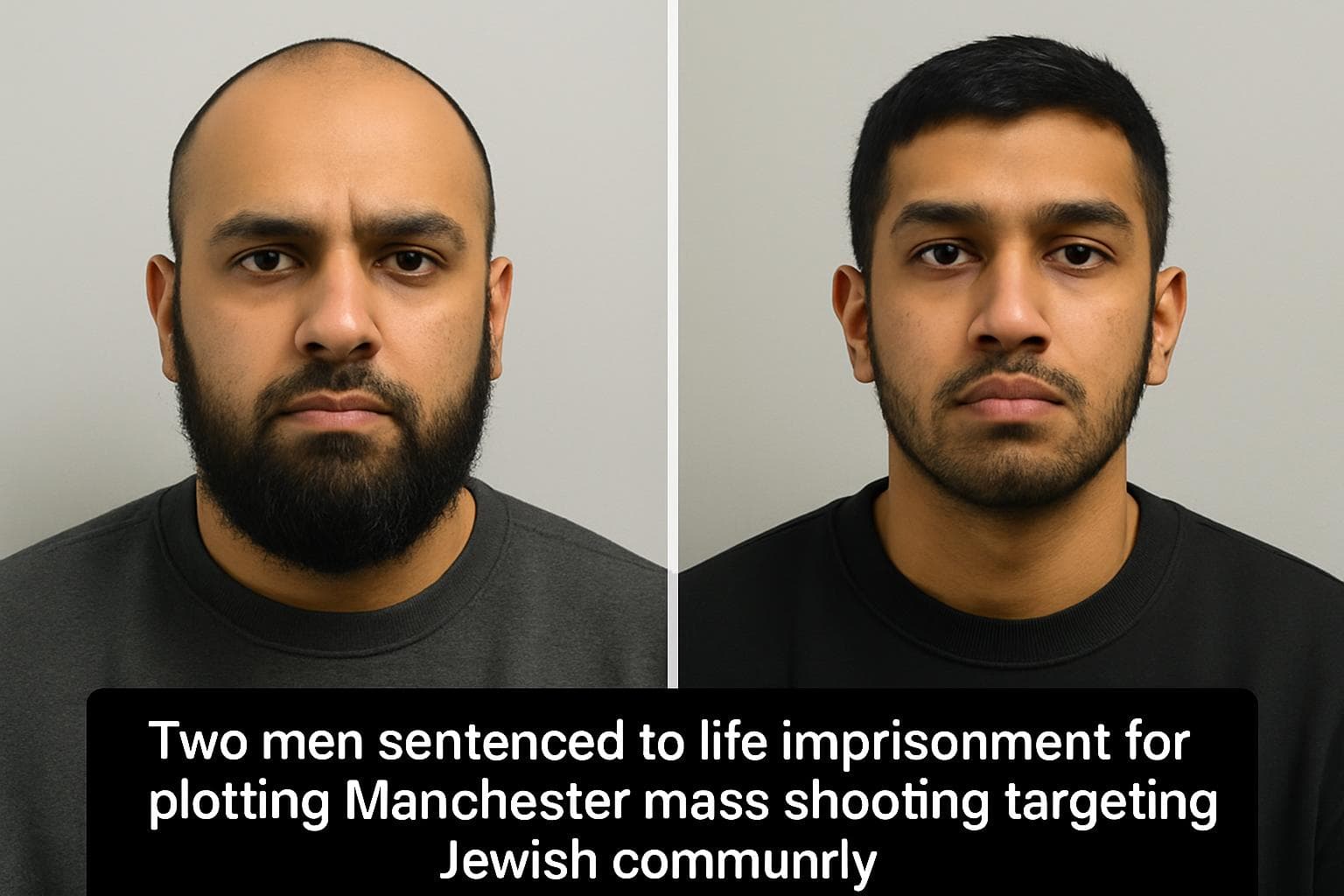
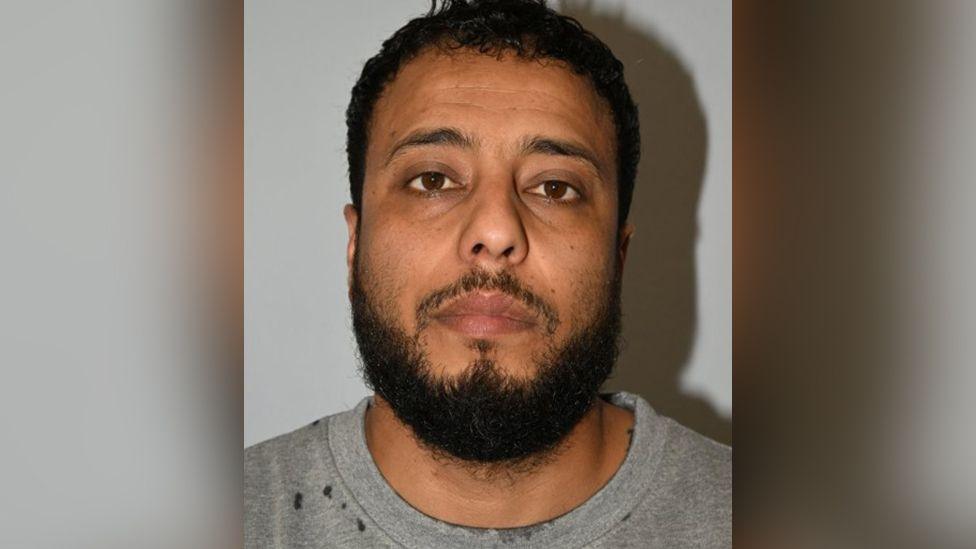
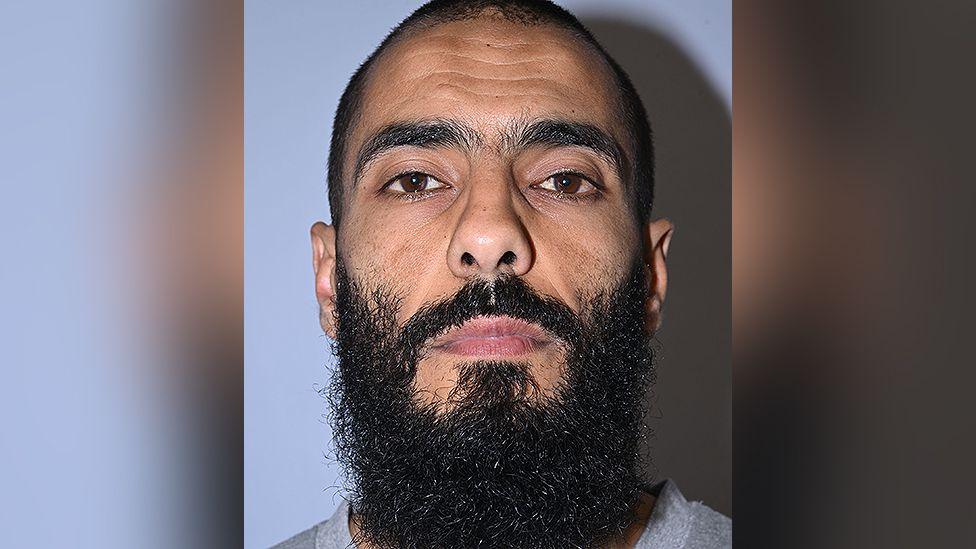
In a chilling case that underscores the persistent threat of terrorism, two men have been sentenced to life imprisonment for plotting a mass shooting aimed at Manchester's Jewish community. Walid Saadaoui, 38, and Amar Hussein, 52, were found guilty at Preston Crown Court of preparing acts of terrorism between December 2023 and May 2024. The plot, inspired by Islamic State ideology, was thwarted by an undercover operative who played a pivotal role in preventing what could have been the UK's deadliest terror attack.
Background and Arrest
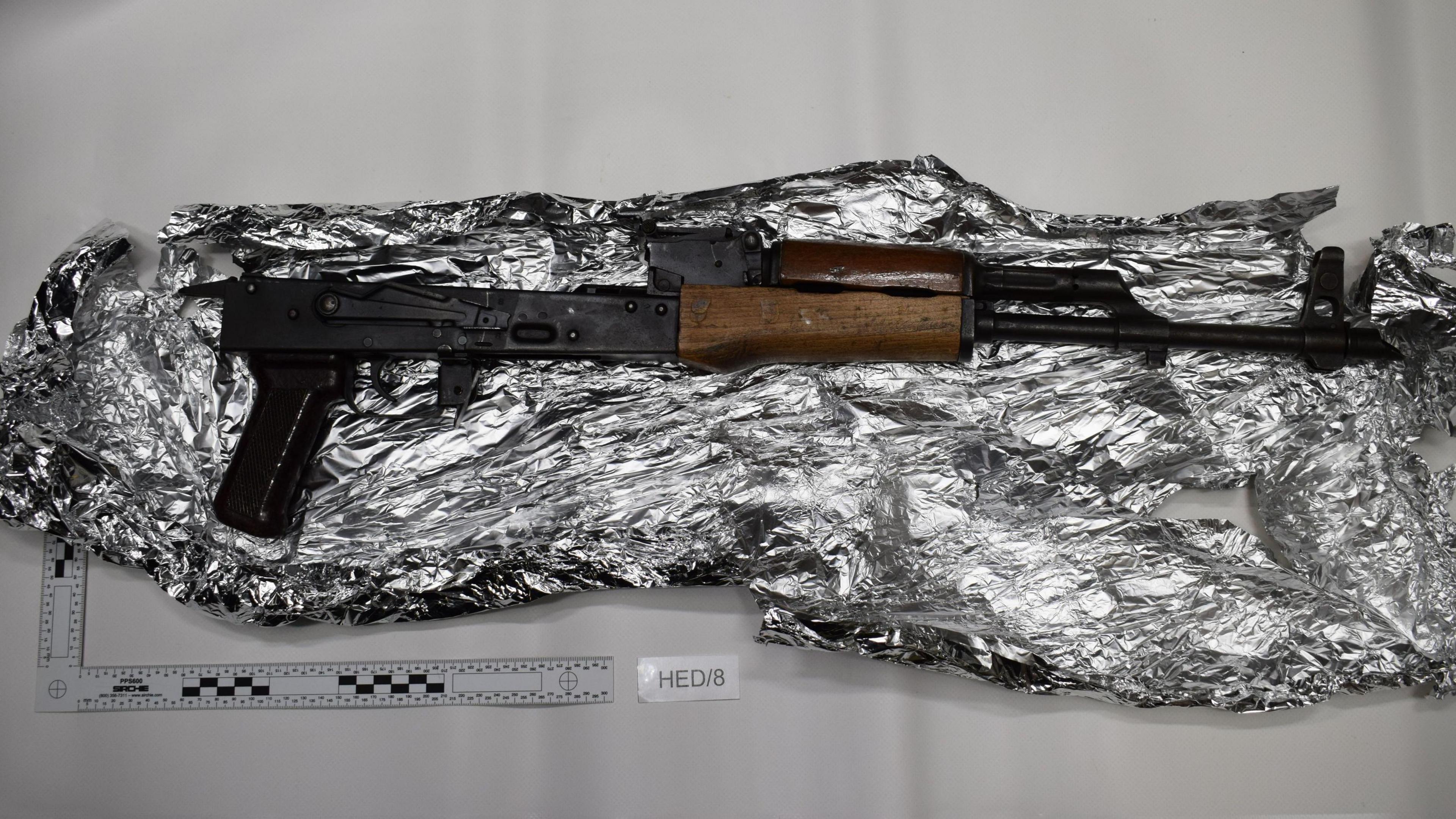
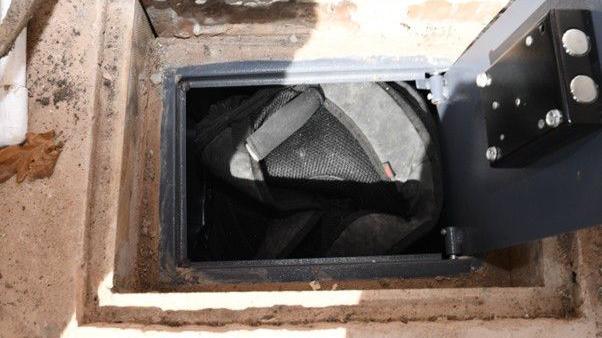
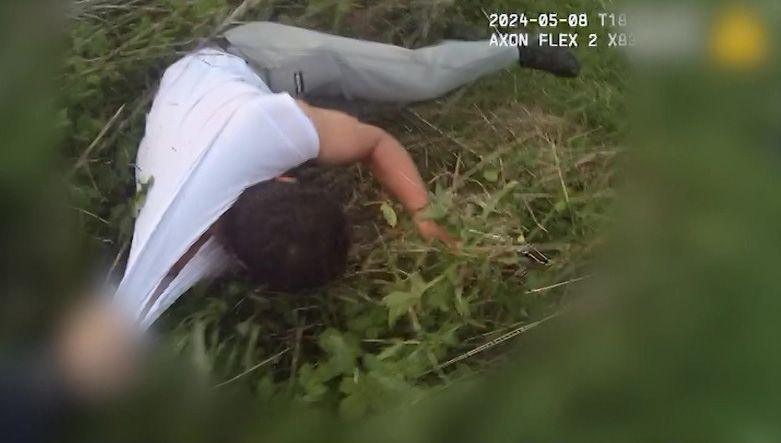
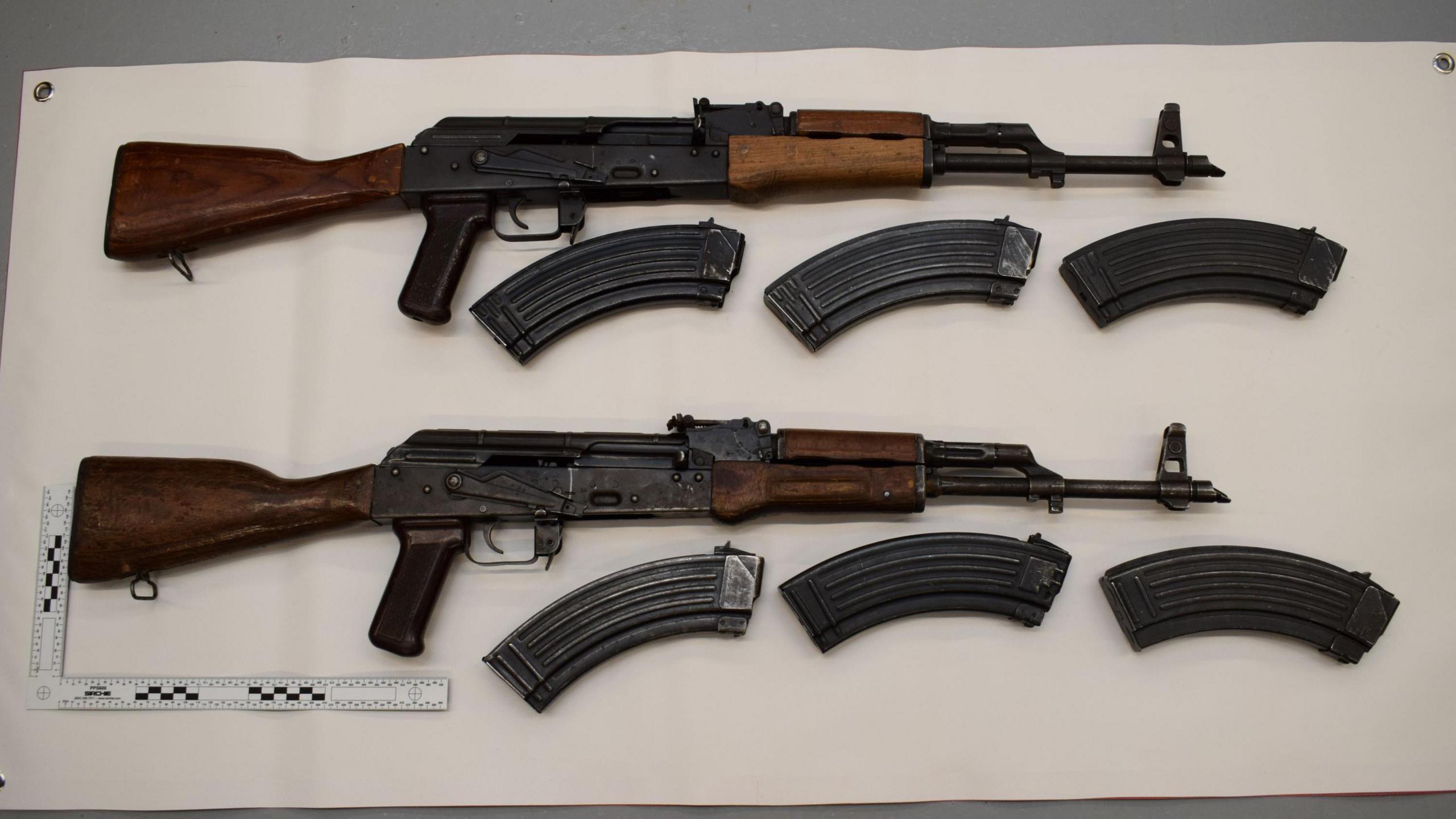
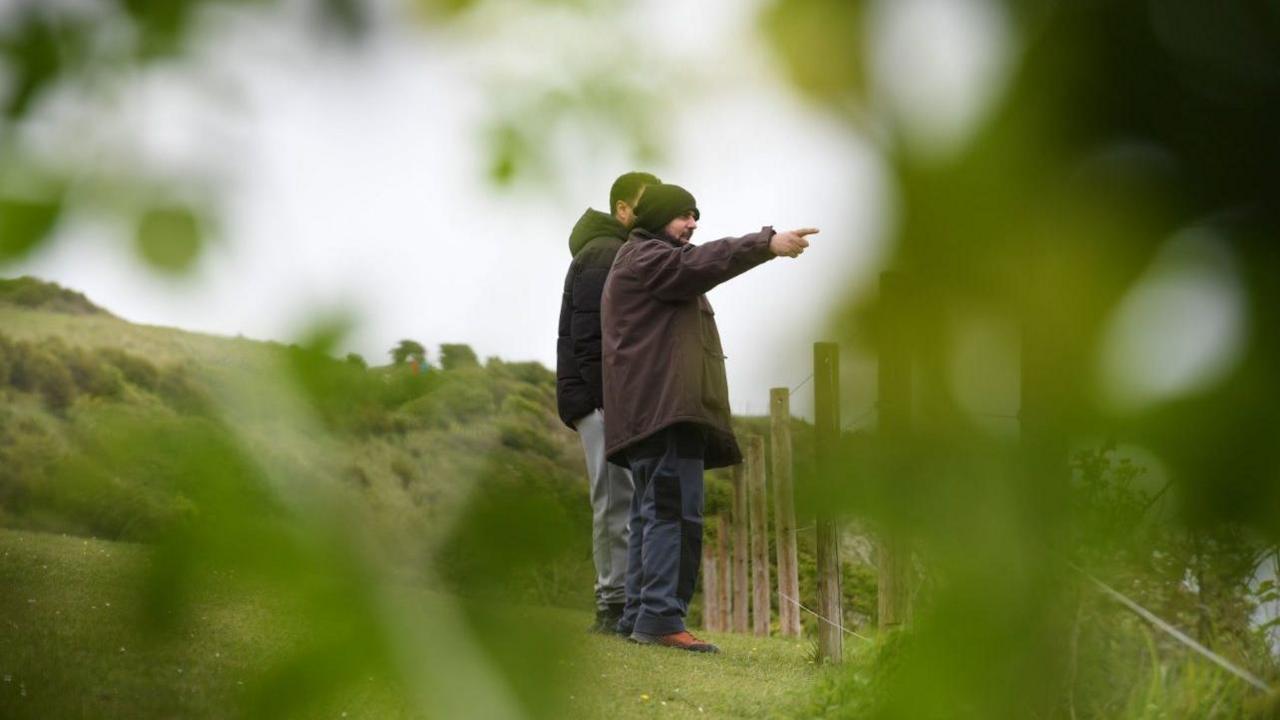
Saadaoui, originally from Tunisia, had previously worked as a hotel entertainer and later owned an Italian restaurant in the UK. He and Hussein, a Kuwaiti national with a military background, planned to smuggle firearms into the country to execute their attack. Their scheme involved targeting a march against antisemitism in Manchester, followed by further assaults in areas with significant Jewish populations. The men were arrested in May 2024 during a coordinated counter-terror operation involving over 200 officers. Saadaoui was apprehended in a Bolton hotel car park while attempting to collect deactivated firearms.
Court Proceedings and Sentencing
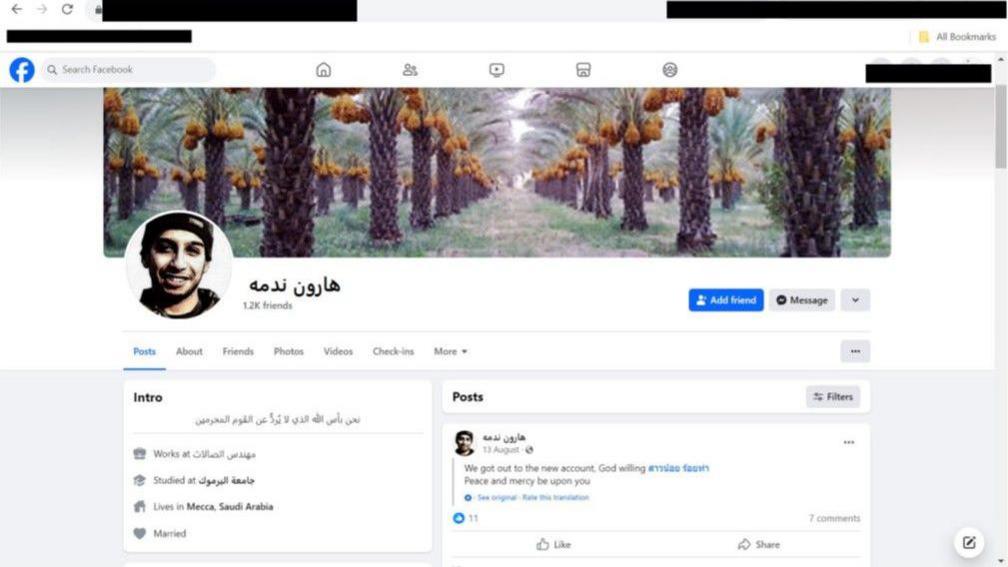
During the trial, it was revealed that Saadaoui had used multiple Facebook accounts to spread extremist views and had conducted reconnaissance on potential targets. He had also prepared a will, indicating his readiness to "martyr himself" in the attack. Mr. Justice Wall, presiding over the case, emphasized the potential scale of the planned violence, noting that the attack could have resulted in numerous casualties, including children. Saadaoui received a minimum sentence of 37 years, while Hussein was sentenced to at least 26 years. Saadaoui's brother, Bilel, was sentenced to six years for withholding information about the plot.
Community Impact and Reactions
The Jewish community in Manchester, one of the largest in Europe, has been left shaken by the revelations. Yoni Finlay, a survivor of a previous synagogue attack, expressed his ongoing fear and concern for safety in the UK. Despite the heightened security measures, the threat of antisemitism remains a pressing issue for many residents. Finlay emphasized the importance of resilience, stating, "It's crucial not to let terrorism and hatred win."
WHAT THIS MIGHT MEAN
The foiled plot highlights the ongoing threat of extremist violence in the UK, particularly against minority communities. Authorities are likely to increase surveillance and security measures to prevent similar attacks. The case also underscores the importance of undercover operations in counter-terrorism efforts. Politically, the incident may prompt calls for stronger legislation to combat hate crimes and terrorism. Experts suggest that community engagement and education are vital in addressing the root causes of radicalization and fostering a more inclusive society.
Images from the Web
Related Articles
Arrest of Andrew Mountbatten-Windsor Captured in Iconic Photograph

Breakthrough Drug Offers Hope for Children with Severe Epilepsy

Trump Raises Import Tariffs to 15% After Supreme Court Setback
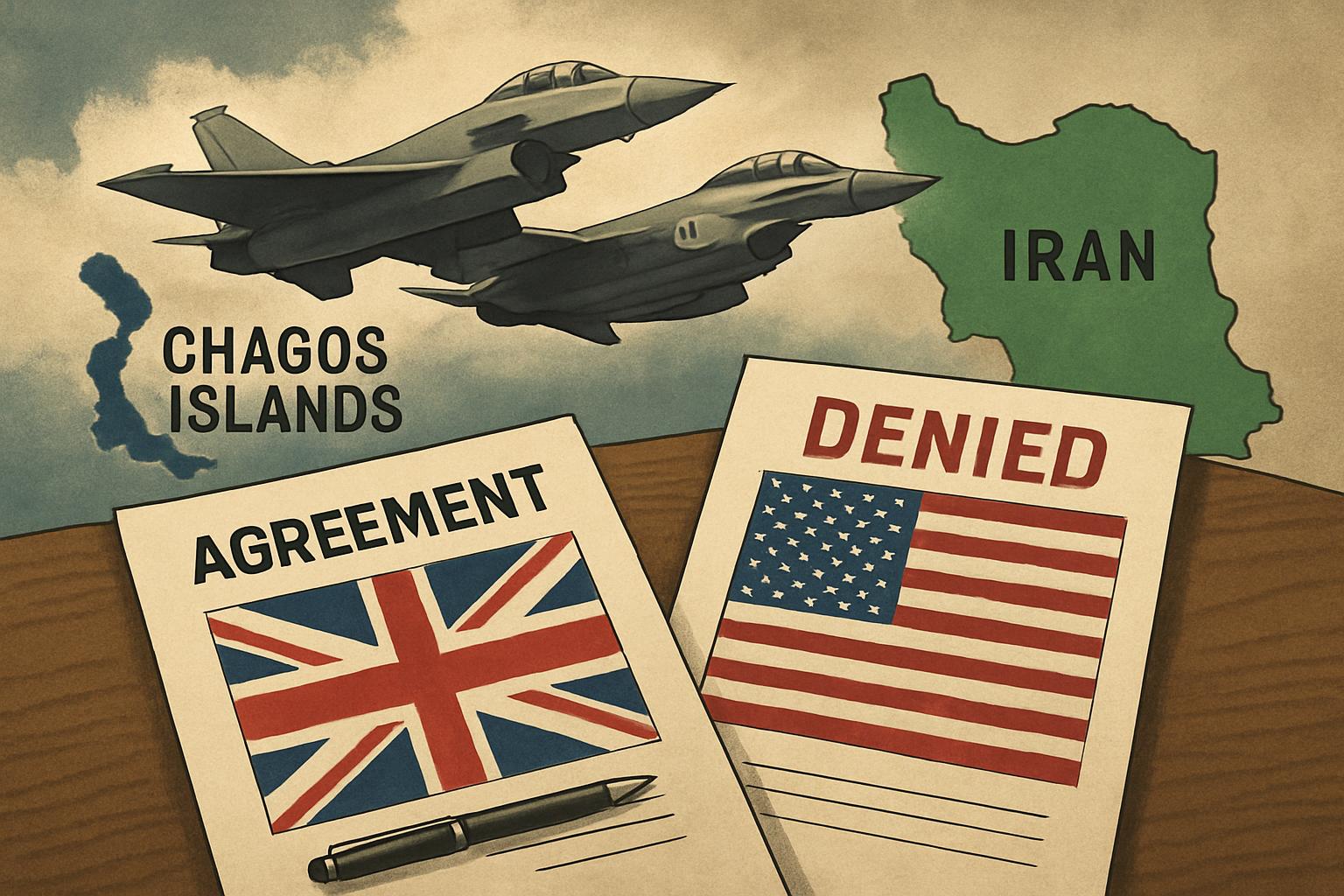
UK Denies US Use of Military Bases for Potential Iran Strikes Amid Chagos Islands Dispute
Andrew Mountbatten-Windsor Arrested Amid Misconduct Allegations
Andrew Mountbatten-Windsor's Arrest Sparks International Calls for Justice
Life Sentences for Men Behind Foiled Manchester Terror Plot Targeting Jewish Community
In This Article
 James Okoro| Published
 HIGHLIGHTS
- Walid Saadaoui and Amar Hussein were jailed for life for plotting a deadly attack on Manchester's Jewish community.
- The plot, described as potentially the UK's deadliest terror attack, was foiled by an undercover police operative.
- Saadaoui, a former hotel entertainer, and Hussein planned to smuggle firearms into the UK for the attack.
- The men intended to target a march against antisemitism in Manchester in summer 2024.
- Saadaoui's brother, Bilel, received a six-year sentence for failing to disclose information about the plot.
In a chilling case that underscores the persistent threat of terrorism, two men have been sentenced to life imprisonment for plotting a mass shooting aimed at Manchester's Jewish community. Walid Saadaoui, 38, and Amar Hussein, 52, were found guilty at Preston Crown Court of preparing acts of terrorism between December 2023 and May 2024. The plot, inspired by Islamic State ideology, was thwarted by an undercover operative who played a pivotal role in preventing what could have been the UK's deadliest terror attack.
Background and Arrest
Saadaoui, originally from Tunisia, had previously worked as a hotel entertainer and later owned an Italian restaurant in the UK. He and Hussein, a Kuwaiti national with a military background, planned to smuggle firearms into the country to execute their attack. Their scheme involved targeting a march against antisemitism in Manchester, followed by further assaults in areas with significant Jewish populations. The men were arrested in May 2024 during a coordinated counter-terror operation involving over 200 officers. Saadaoui was apprehended in a Bolton hotel car park while attempting to collect deactivated firearms.
Court Proceedings and Sentencing
During the trial, it was revealed that Saadaoui had used multiple Facebook accounts to spread extremist views and had conducted reconnaissance on potential targets. He had also prepared a will, indicating his readiness to "martyr himself" in the attack. Mr. Justice Wall, presiding over the case, emphasized the potential scale of the planned violence, noting that the attack could have resulted in numerous casualties, including children. Saadaoui received a minimum sentence of 37 years, while Hussein was sentenced to at least 26 years. Saadaoui's brother, Bilel, was sentenced to six years for withholding information about the plot.
Community Impact and Reactions
The Jewish community in Manchester, one of the largest in Europe, has been left shaken by the revelations. Yoni Finlay, a survivor of a previous synagogue attack, expressed his ongoing fear and concern for safety in the UK. Despite the heightened security measures, the threat of antisemitism remains a pressing issue for many residents. Finlay emphasized the importance of resilience, stating, "It's crucial not to let terrorism and hatred win."
WHAT THIS MIGHT MEAN
The foiled plot highlights the ongoing threat of extremist violence in the UK, particularly against minority communities. Authorities are likely to increase surveillance and security measures to prevent similar attacks. The case also underscores the importance of undercover operations in counter-terrorism efforts. Politically, the incident may prompt calls for stronger legislation to combat hate crimes and terrorism. Experts suggest that community engagement and education are vital in addressing the root causes of radicalization and fostering a more inclusive society.
Images from the Web
Related Articles
Arrest of Andrew Mountbatten-Windsor Captured in Iconic Photograph
Breakthrough Drug Offers Hope for Children with Severe Epilepsy
Trump Raises Import Tariffs to 15% After Supreme Court Setback
UK Denies US Use of Military Bases for Potential Iran Strikes Amid Chagos Islands Dispute
Andrew Mountbatten-Windsor Arrested Amid Misconduct Allegations
Andrew Mountbatten-Windsor's Arrest Sparks International Calls for Justice