
London Grapples with Rising SUV Numbers Amid Safety and Environmental Concerns

In This Article
HIGHLIGHTS
- The number of SUVs in London has surged from 80,000 in 2002 to 800,000 in 2023, raising safety and environmental concerns.
- Campaigners are advocating for increased parking charges for SUVs to discourage their use in urban areas.
- Research indicates SUVs are significantly more dangerous to pedestrians and cyclists, with a 44% higher fatality risk compared to smaller cars.
- Some UK cities, including London and Cardiff, are considering or implementing measures to curb SUV usage.
- SUVs contribute to air pollution and occupy excessive public space, prompting calls for stricter regulations.
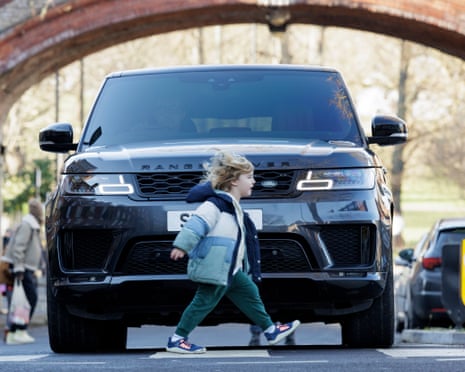
The streets of London are increasingly dominated by sport utility vehicles (SUVs), sparking debates over their impact on urban safety and the environment. Over the past two decades, the number of SUVs in the city has skyrocketed from 80,000 in 2002 to 800,000 in 2023, according to Clean Cities, a campaign group advocating for cleaner urban environments.
Safety and Environmental Concerns
SUVs are known for their larger size and heavier weight, which contribute to higher emissions and pose significant risks to pedestrians and cyclists. Dr. Anthony Laverty from Imperial College London highlights that SUVs are 44% more likely to cause fatalities in accidents compared to smaller vehicles. This risk is even higher for children, with an 82% increased likelihood of fatality when struck by an SUV.
Calls for Regulatory Measures
In response to these concerns, campaigners are urging local authorities to implement higher parking charges for SUVs, similar to measures adopted in Paris. The French capital has seen a two-thirds reduction in SUVs using surface parking following the introduction of tripled parking costs. In the UK, cities like Cardiff and London are exploring similar strategies, with some councils already taking action. For instance, Westminster has introduced restrictions, and Lambeth is considering new policies.
Impact on Public Space
The proliferation of SUVs is not just a safety issue but also a matter of public space usage. Oliver Lord, UK head of Clean Cities, points out that SUVs in London occupy as much space as an entire inner-city borough. This has led to calls for reclaiming urban spaces for parks, homes, and safer streets. The environmental impact is also significant, as larger vehicles emit more pollutants and contribute to air quality deterioration.
Broader Implications
The trend of increasing SUV sales is not confined to the UK. Across Europe, these "urban land-hogs" are gaining popularity, partly due to lower taxation compared to other vehicle types. Dr. Anna Goodman, a transport researcher, emphasizes the implications for congestion and road safety, urging for a reevaluation of urban traffic management policies.
WHAT THIS MIGHT MEAN
As the number of SUVs continues to rise, cities may face mounting pressure to implement stricter regulations to mitigate their impact. Potential measures could include higher taxes, restricted access to certain urban areas, or incentives for using smaller, more environmentally friendly vehicles. The success of Paris's approach could serve as a model for other cities seeking to balance urban development with safety and environmental sustainability. Policymakers will need to weigh the economic benefits of SUV sales against the long-term health and safety of urban populations.
Images from the Web
Related Articles

Labour MP's Husband Arrested in UK-China Espionage Probe
UK Government to Reform Asylum Seeker Support and Employment Policies

UK Faces Dilemmas Amid Iran Conflict and China Spying Allegations

UK Reinforces Military Presence in Cyprus Amid Middle East Tensions

UK-Iran Tensions: Starmer Defends Cautious Approach Amid Trump Criticism

Persistent Safety Concerns in Nottingham Maternity Services Amidst Calls for Systemic Reform
London Grapples with Rising SUV Numbers Amid Safety and Environmental Concerns
In This Article
 Ethan Brooks| Published
 HIGHLIGHTS
- The number of SUVs in London has surged from 80,000 in 2002 to 800,000 in 2023, raising safety and environmental concerns.
- Campaigners are advocating for increased parking charges for SUVs to discourage their use in urban areas.
- Research indicates SUVs are significantly more dangerous to pedestrians and cyclists, with a 44% higher fatality risk compared to smaller cars.
- Some UK cities, including London and Cardiff, are considering or implementing measures to curb SUV usage.
- SUVs contribute to air pollution and occupy excessive public space, prompting calls for stricter regulations.
The streets of London are increasingly dominated by sport utility vehicles (SUVs), sparking debates over their impact on urban safety and the environment. Over the past two decades, the number of SUVs in the city has skyrocketed from 80,000 in 2002 to 800,000 in 2023, according to Clean Cities, a campaign group advocating for cleaner urban environments.
Safety and Environmental Concerns
SUVs are known for their larger size and heavier weight, which contribute to higher emissions and pose significant risks to pedestrians and cyclists. Dr. Anthony Laverty from Imperial College London highlights that SUVs are 44% more likely to cause fatalities in accidents compared to smaller vehicles. This risk is even higher for children, with an 82% increased likelihood of fatality when struck by an SUV.
Calls for Regulatory Measures
In response to these concerns, campaigners are urging local authorities to implement higher parking charges for SUVs, similar to measures adopted in Paris. The French capital has seen a two-thirds reduction in SUVs using surface parking following the introduction of tripled parking costs. In the UK, cities like Cardiff and London are exploring similar strategies, with some councils already taking action. For instance, Westminster has introduced restrictions, and Lambeth is considering new policies.
Impact on Public Space
The proliferation of SUVs is not just a safety issue but also a matter of public space usage. Oliver Lord, UK head of Clean Cities, points out that SUVs in London occupy as much space as an entire inner-city borough. This has led to calls for reclaiming urban spaces for parks, homes, and safer streets. The environmental impact is also significant, as larger vehicles emit more pollutants and contribute to air quality deterioration.
Broader Implications
The trend of increasing SUV sales is not confined to the UK. Across Europe, these "urban land-hogs" are gaining popularity, partly due to lower taxation compared to other vehicle types. Dr. Anna Goodman, a transport researcher, emphasizes the implications for congestion and road safety, urging for a reevaluation of urban traffic management policies.
WHAT THIS MIGHT MEAN
As the number of SUVs continues to rise, cities may face mounting pressure to implement stricter regulations to mitigate their impact. Potential measures could include higher taxes, restricted access to certain urban areas, or incentives for using smaller, more environmentally friendly vehicles. The success of Paris's approach could serve as a model for other cities seeking to balance urban development with safety and environmental sustainability. Policymakers will need to weigh the economic benefits of SUV sales against the long-term health and safety of urban populations.
Images from the Web
Related Articles
Labour MP's Husband Arrested in UK-China Espionage Probe
UK Government to Reform Asylum Seeker Support and Employment Policies
UK Faces Dilemmas Amid Iran Conflict and China Spying Allegations
UK Reinforces Military Presence in Cyprus Amid Middle East Tensions
UK-Iran Tensions: Starmer Defends Cautious Approach Amid Trump Criticism
Persistent Safety Concerns in Nottingham Maternity Services Amidst Calls for Systemic Reform