
Louvre Faces Infrastructure Challenges Amid Water Leak and Jewel Theft
In This Article
HIGHLIGHTS
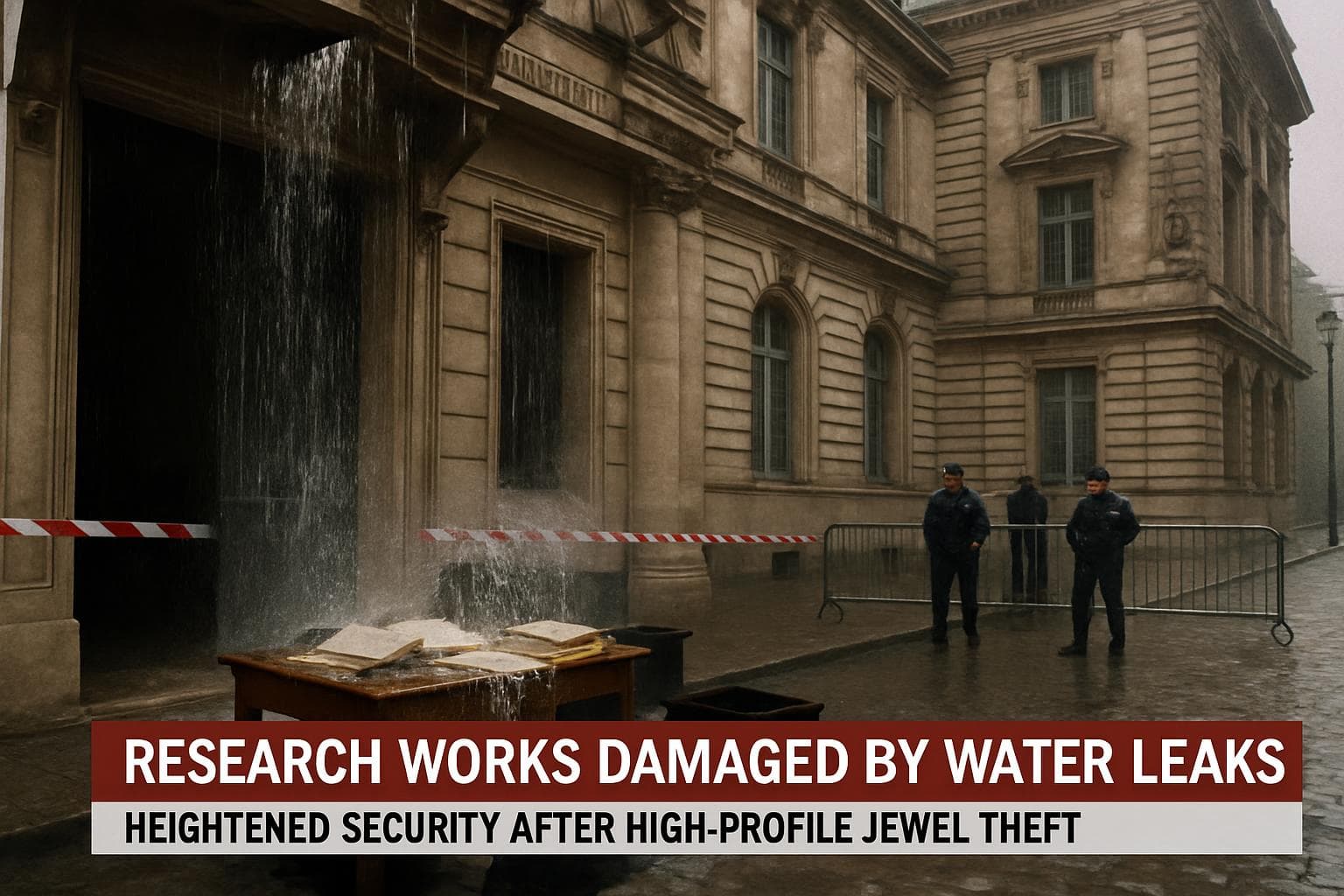
- A water leak at the Louvre in late November damaged 300-400 works, primarily Egyptology journals from the 19th and 20th centuries.
- The leak, caused by an outdated heating system, follows a recent €88m jewel theft, highlighting infrastructure issues.
- No irreplaceable heritage artefacts were affected, and restoration efforts are underway for the damaged books.
- The Louvre plans to raise ticket prices for non-EU visitors by 45% to fund structural improvements.
- The museum's security and maintenance practices have come under scrutiny following these incidents.
The Louvre Museum in Paris, the world's most visited art institution, is grappling with significant infrastructure challenges following a water leak that damaged hundreds of works. The incident, which occurred in late November, affected between 300 and 400 items, primarily Egyptology journals and scientific documentation from the late 19th and early 20th centuries. According to the museum's deputy administrator, Francis Steinbock, these works, while valuable for research, are not unique or irreplaceable.
The leak was traced to an accidental valve opening in the museum's outdated heating and ventilation system, which had been shut down for months. This system is scheduled for replacement in 2026. The damaged volumes are currently being dried and will be sent to a bookbinder for restoration before returning to the shelves. "No heritage artefacts have been affected by this damage," Steinbock assured, emphasizing that there are no irreparable losses.
This incident comes on the heels of a brazen jewel theft in October, where a four-person gang stole jewels worth an estimated €88 million ($102 million) in broad daylight. The theft, which remains unresolved, has intensified scrutiny over the museum's security and infrastructure. In response, the Louvre has relocated some of its most precious jewels to the Bank of France for safekeeping.
In a bid to address these issues, the Louvre announced a 45% increase in ticket prices for non-EU visitors, aiming to raise up to $23 million annually for structural improvements. This decision is part of a broader effort to enhance the museum's infrastructure and security measures. The Louvre, which welcomed 8.7 million visitors in 2024, continues to attract a global audience, with 69% of its visitors coming from abroad.
WHAT THIS MIGHT MEAN
The recent incidents at the Louvre underscore the urgent need for infrastructure upgrades and enhanced security measures. The museum's decision to raise ticket prices could provide the necessary funds for these improvements, but it may also impact visitor numbers, particularly among non-EU tourists. As the Louvre navigates these challenges, it will be crucial to balance financial sustainability with its commitment to preserving cultural heritage.
The unresolved jewel theft remains a significant concern, potentially prompting further security overhauls. Experts suggest that the museum may need to invest in advanced surveillance technologies and staff training to prevent future incidents. As the Louvre addresses these issues, its actions could set a precedent for other cultural institutions facing similar challenges worldwide.
Related Articles
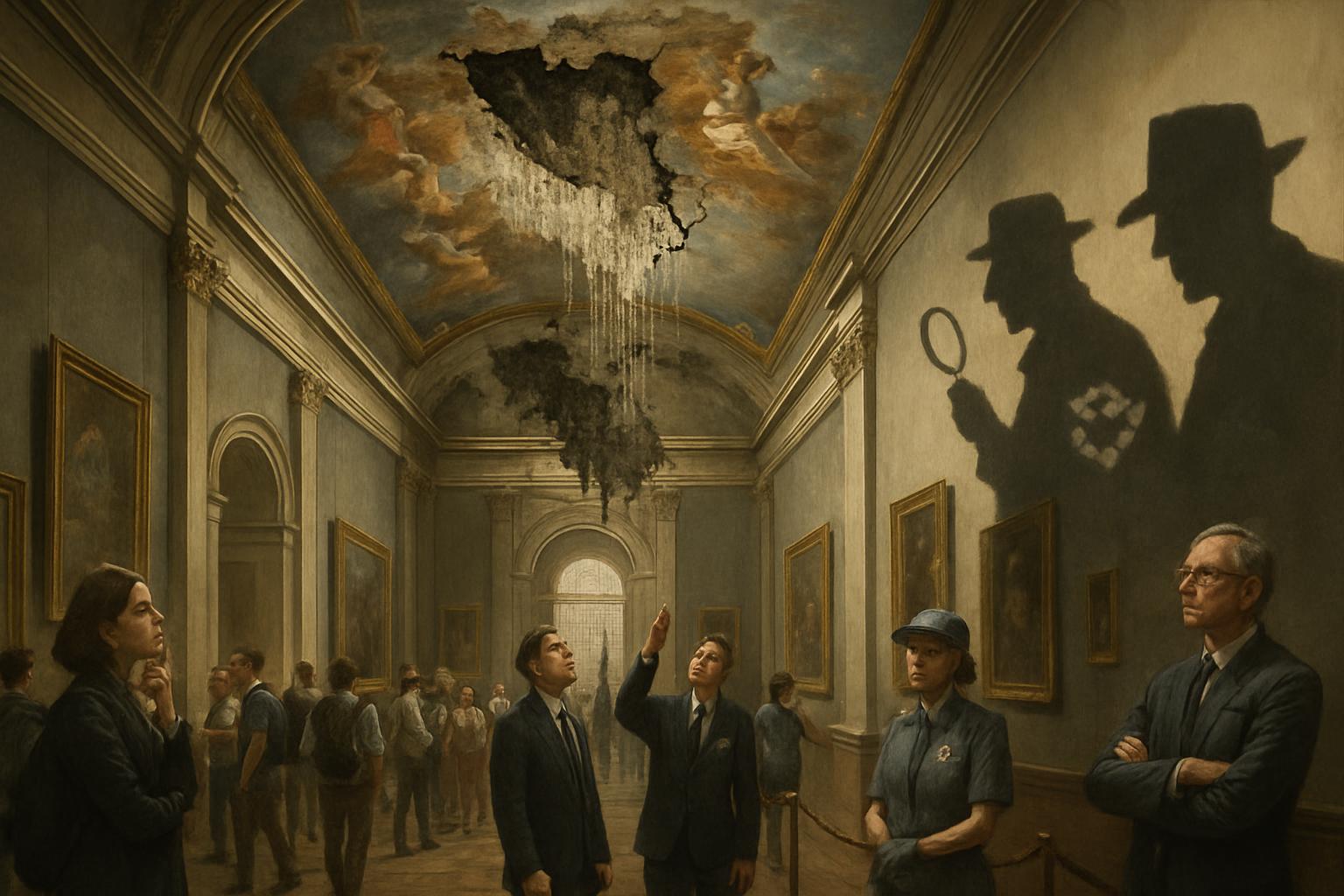
Louvre Museum Faces Challenges Amid Water Leak and Ticket Fraud Investigation
Former French Senator Sentenced for Drugging MP with MDMA
Paris Court Convicts Ten for Cyber-Bullying Brigitte Macron Amidst Ongoing Defamation Battle
Tragedy Strikes Swiss Ski Resort as Fire Claims 40 Lives

Inferno at Swiss Ski Resort: New Year's Eve Celebration Turns Tragic

French and UK Authorities Intensify Investigations into Elon Musk's X and Grok AI
Louvre Faces Infrastructure Challenges Amid Water Leak and Jewel Theft
In This Article
 Sofia Romano| Published
 HIGHLIGHTS
- A water leak at the Louvre in late November damaged 300-400 works, primarily Egyptology journals from the 19th and 20th centuries.
- The leak, caused by an outdated heating system, follows a recent €88m jewel theft, highlighting infrastructure issues.
- No irreplaceable heritage artefacts were affected, and restoration efforts are underway for the damaged books.
- The Louvre plans to raise ticket prices for non-EU visitors by 45% to fund structural improvements.
- The museum's security and maintenance practices have come under scrutiny following these incidents.
The Louvre Museum in Paris, the world's most visited art institution, is grappling with significant infrastructure challenges following a water leak that damaged hundreds of works. The incident, which occurred in late November, affected between 300 and 400 items, primarily Egyptology journals and scientific documentation from the late 19th and early 20th centuries. According to the museum's deputy administrator, Francis Steinbock, these works, while valuable for research, are not unique or irreplaceable.
The leak was traced to an accidental valve opening in the museum's outdated heating and ventilation system, which had been shut down for months. This system is scheduled for replacement in 2026. The damaged volumes are currently being dried and will be sent to a bookbinder for restoration before returning to the shelves. "No heritage artefacts have been affected by this damage," Steinbock assured, emphasizing that there are no irreparable losses.
This incident comes on the heels of a brazen jewel theft in October, where a four-person gang stole jewels worth an estimated €88 million ($102 million) in broad daylight. The theft, which remains unresolved, has intensified scrutiny over the museum's security and infrastructure. In response, the Louvre has relocated some of its most precious jewels to the Bank of France for safekeeping.
In a bid to address these issues, the Louvre announced a 45% increase in ticket prices for non-EU visitors, aiming to raise up to $23 million annually for structural improvements. This decision is part of a broader effort to enhance the museum's infrastructure and security measures. The Louvre, which welcomed 8.7 million visitors in 2024, continues to attract a global audience, with 69% of its visitors coming from abroad.
WHAT THIS MIGHT MEAN
The recent incidents at the Louvre underscore the urgent need for infrastructure upgrades and enhanced security measures. The museum's decision to raise ticket prices could provide the necessary funds for these improvements, but it may also impact visitor numbers, particularly among non-EU tourists. As the Louvre navigates these challenges, it will be crucial to balance financial sustainability with its commitment to preserving cultural heritage.
The unresolved jewel theft remains a significant concern, potentially prompting further security overhauls. Experts suggest that the museum may need to invest in advanced surveillance technologies and staff training to prevent future incidents. As the Louvre addresses these issues, its actions could set a precedent for other cultural institutions facing similar challenges worldwide.
Related Articles
Louvre Museum Faces Challenges Amid Water Leak and Ticket Fraud Investigation
Former French Senator Sentenced for Drugging MP with MDMA
Paris Court Convicts Ten for Cyber-Bullying Brigitte Macron Amidst Ongoing Defamation Battle
Tragedy Strikes Swiss Ski Resort as Fire Claims 40 Lives
Inferno at Swiss Ski Resort: New Year's Eve Celebration Turns Tragic
French and UK Authorities Intensify Investigations into Elon Musk's X and Grok AI