
Archaeologists Uncover Massive Neolithic Pit Circle Near Stonehenge
In This Article
HIGHLIGHTS
- Archaeologists have confirmed the existence of a massive circle of Neolithic pits near Stonehenge, believed to be over 4,000 years old.
- The pits, located at Durrington Walls, are about 10 meters in diameter and 5 meters deep, forming one of the largest prehistoric structures in Britain.
- New research using advanced techniques like luminescence dating and sedDNA analysis has proven the pits were man-made.
- The pits may have been used for ceremonial purposes, reflecting the cosmological beliefs of the time.
- The findings suggest early evidence of numerical counting and sophisticated engineering skills in prehistoric Britain.
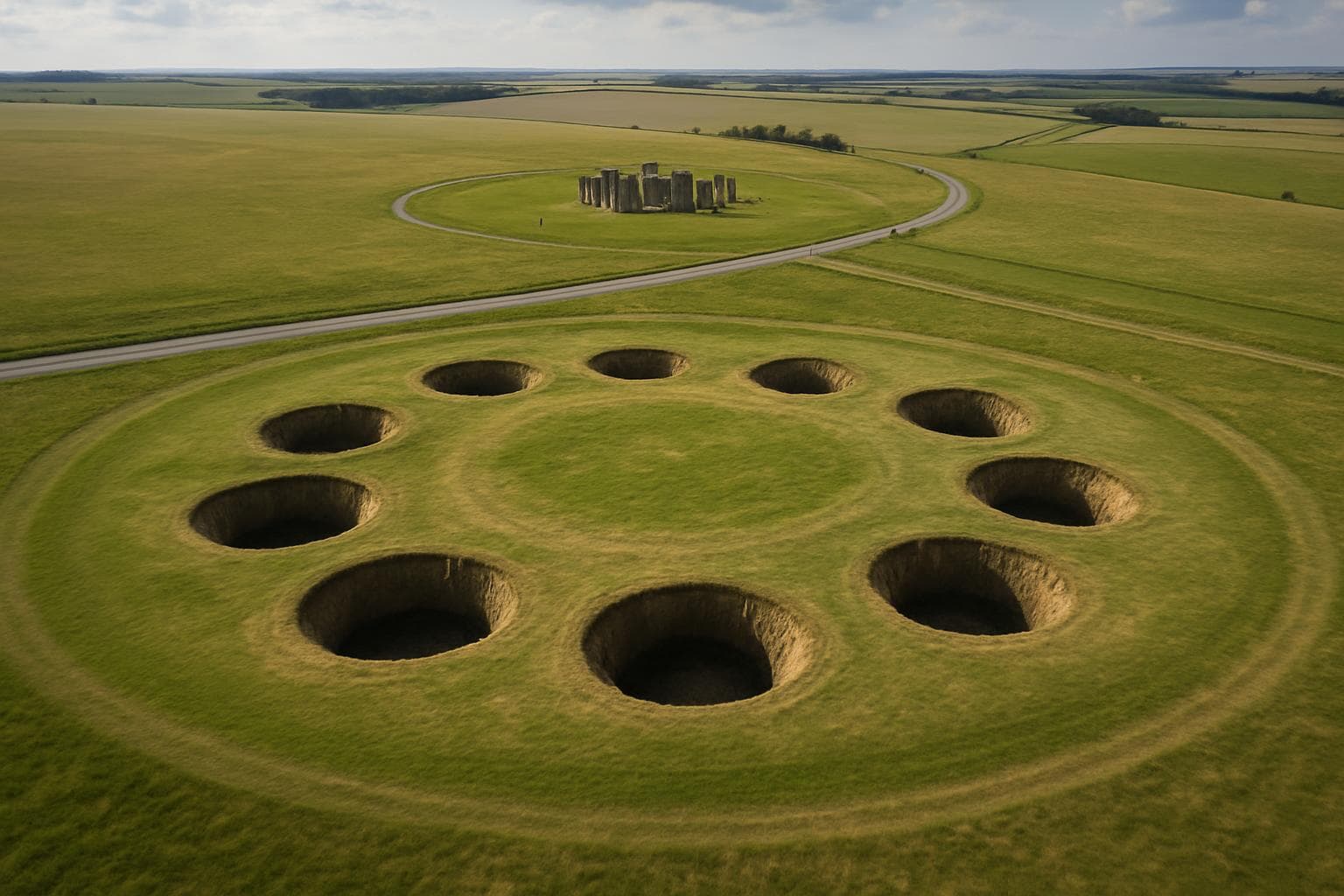
Archaeologists have unveiled a groundbreaking discovery near Stonehenge, revealing a series of enormous Neolithic pits that form one of the largest prehistoric structures in Britain. This remarkable find at Durrington Walls in Wiltshire has been confirmed through a combination of innovative scientific techniques, shedding new light on the engineering prowess and cultural practices of ancient societies.
A Monumental Discovery
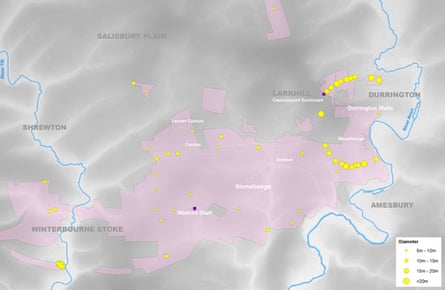
The pits, which measure approximately 10 meters in diameter and 5 meters deep, are arranged in a circle spanning over a mile. This extraordinary structure, first identified in 2020, has now been conclusively proven to be man-made, thanks to the efforts of a team led by Professor Vince Gaffney from the University of Bradford. The research, published in the Internet Archaeology Journal, utilized methods such as luminescence dating and sedDNA analysis to establish the pits' human origins.
Engineering and Cosmology
The creation of these pits would have required significant engineering skills and determination, as they were carved out of the chalky landscape. Professor Gaffney noted that the pits' precise alignment suggests that the builders employed early forms of numerical counting to maintain consistent distances. "They're inscribing something about their cosmology, their belief systems, into the earth itself in a very dramatic way," Gaffney explained.
Scientific Techniques and Findings
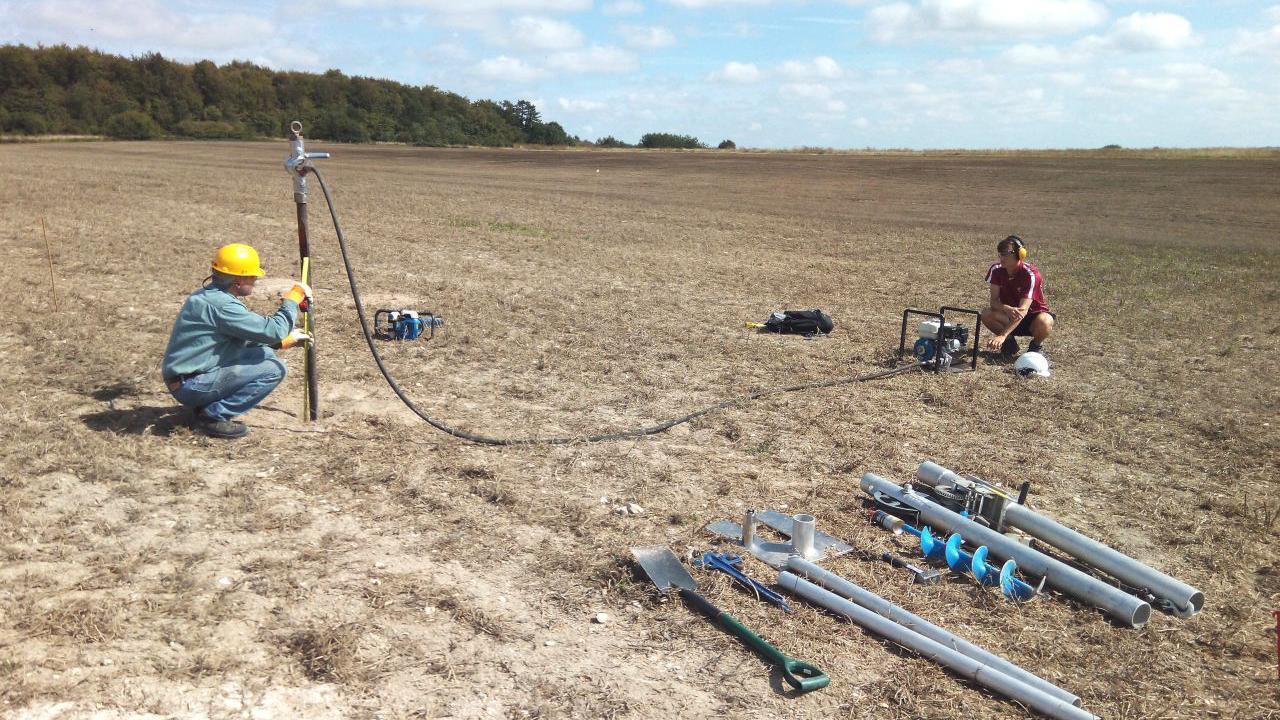
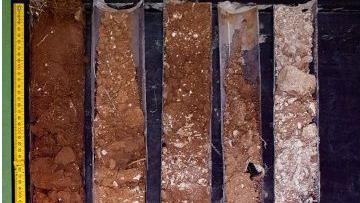
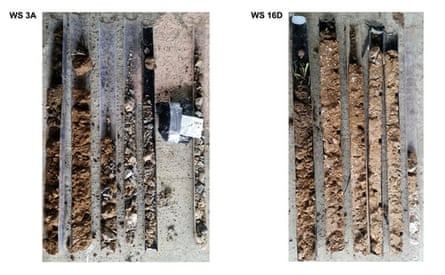
To explore the pits without extensive excavation, researchers employed a variety of geophysical methods, including electrical resistance tomography and magnetometry. These techniques, combined with sediment core analysis, revealed repeating patterns in the soil, further supporting the theory of human involvement. Dr. Tim Kinnaird from the University of St Andrews highlighted the use of luminescence dating, which helped determine that the pits were kept open for approximately 1,000 years, spanning different cultural periods.
Cultural and Historical Significance
The Durrington pit circle's proximity to Stonehenge suggests a potential connection between the two sites, possibly reflecting the spiritual and ceremonial significance of the area. While the exact purpose of the pits remains uncertain, their scale and complexity underscore the advanced capabilities of Neolithic societies in prehistoric Britain.
WHAT THIS MIGHT MEAN
The confirmation of the Durrington pit circle as a man-made structure opens new avenues for understanding the cultural and technological advancements of Neolithic societies. Future research may focus on uncovering the specific purposes of these pits, potentially revealing insights into the ceremonial practices and cosmological beliefs of the time. Additionally, this discovery could prompt further exploration of other prehistoric sites in the region, offering a more comprehensive view of ancient Britain's engineering and cultural landscape. As archaeologists continue to refine their techniques, the potential for new revelations about our prehistoric ancestors remains vast.
Images from the Web
Related Articles
Thousands Gather at Stonehenge and Newgrange to Celebrate Winter Solstice

UK Braces for More Flooding as Heavy Rain Warnings Issued

Police Raids and Political Turmoil: The Peter Mandelson Investigation Unfolds

Police Probe Peter Mandelson Over Alleged Leaks to Jeffrey Epstein

British Army Officers Face Court Martial Over Mishandling of Jaysley Beck Sexual Assault Case

Government Offers Emergency Loans Amid Civil Service Pension Delays
Archaeologists Uncover Massive Neolithic Pit Circle Near Stonehenge
In This Article
 Sofia Romano| Published
 HIGHLIGHTS
- Archaeologists have confirmed the existence of a massive circle of Neolithic pits near Stonehenge, believed to be over 4,000 years old.
- The pits, located at Durrington Walls, are about 10 meters in diameter and 5 meters deep, forming one of the largest prehistoric structures in Britain.
- New research using advanced techniques like luminescence dating and sedDNA analysis has proven the pits were man-made.
- The pits may have been used for ceremonial purposes, reflecting the cosmological beliefs of the time.
- The findings suggest early evidence of numerical counting and sophisticated engineering skills in prehistoric Britain.
Archaeologists have unveiled a groundbreaking discovery near Stonehenge, revealing a series of enormous Neolithic pits that form one of the largest prehistoric structures in Britain. This remarkable find at Durrington Walls in Wiltshire has been confirmed through a combination of innovative scientific techniques, shedding new light on the engineering prowess and cultural practices of ancient societies.
A Monumental Discovery
The pits, which measure approximately 10 meters in diameter and 5 meters deep, are arranged in a circle spanning over a mile. This extraordinary structure, first identified in 2020, has now been conclusively proven to be man-made, thanks to the efforts of a team led by Professor Vince Gaffney from the University of Bradford. The research, published in the Internet Archaeology Journal, utilized methods such as luminescence dating and sedDNA analysis to establish the pits' human origins.
Engineering and Cosmology
The creation of these pits would have required significant engineering skills and determination, as they were carved out of the chalky landscape. Professor Gaffney noted that the pits' precise alignment suggests that the builders employed early forms of numerical counting to maintain consistent distances. "They're inscribing something about their cosmology, their belief systems, into the earth itself in a very dramatic way," Gaffney explained.
Scientific Techniques and Findings
To explore the pits without extensive excavation, researchers employed a variety of geophysical methods, including electrical resistance tomography and magnetometry. These techniques, combined with sediment core analysis, revealed repeating patterns in the soil, further supporting the theory of human involvement. Dr. Tim Kinnaird from the University of St Andrews highlighted the use of luminescence dating, which helped determine that the pits were kept open for approximately 1,000 years, spanning different cultural periods.
Cultural and Historical Significance
The Durrington pit circle's proximity to Stonehenge suggests a potential connection between the two sites, possibly reflecting the spiritual and ceremonial significance of the area. While the exact purpose of the pits remains uncertain, their scale and complexity underscore the advanced capabilities of Neolithic societies in prehistoric Britain.
WHAT THIS MIGHT MEAN
The confirmation of the Durrington pit circle as a man-made structure opens new avenues for understanding the cultural and technological advancements of Neolithic societies. Future research may focus on uncovering the specific purposes of these pits, potentially revealing insights into the ceremonial practices and cosmological beliefs of the time. Additionally, this discovery could prompt further exploration of other prehistoric sites in the region, offering a more comprehensive view of ancient Britain's engineering and cultural landscape. As archaeologists continue to refine their techniques, the potential for new revelations about our prehistoric ancestors remains vast.
Images from the Web
Related Articles
Thousands Gather at Stonehenge and Newgrange to Celebrate Winter Solstice
UK Braces for More Flooding as Heavy Rain Warnings Issued
Police Raids and Political Turmoil: The Peter Mandelson Investigation Unfolds
Police Probe Peter Mandelson Over Alleged Leaks to Jeffrey Epstein
British Army Officers Face Court Martial Over Mishandling of Jaysley Beck Sexual Assault Case
Government Offers Emergency Loans Amid Civil Service Pension Delays