
Menendez Brothers Denied Parole in Notorious Beverly Hills Murder Case

In This Article
HIGHLIGHTS
- Lyle Menendez was denied parole a day after his brother Erik's request was similarly rejected by the California parole board.
- The Menendez brothers were convicted for the 1989 murders of their parents, claiming self-defense due to alleged abuse.
- Erik's parole was denied due to his behavior in prison, including rule violations and involvement in illicit activities.
- Lyle's parole was denied despite showing remorse, as the board cited ongoing concerns about his decision-making and personality traits.
- Both brothers are eligible for parole reconsideration in three years, with the possibility of an earlier hearing for Lyle based on good behavior.
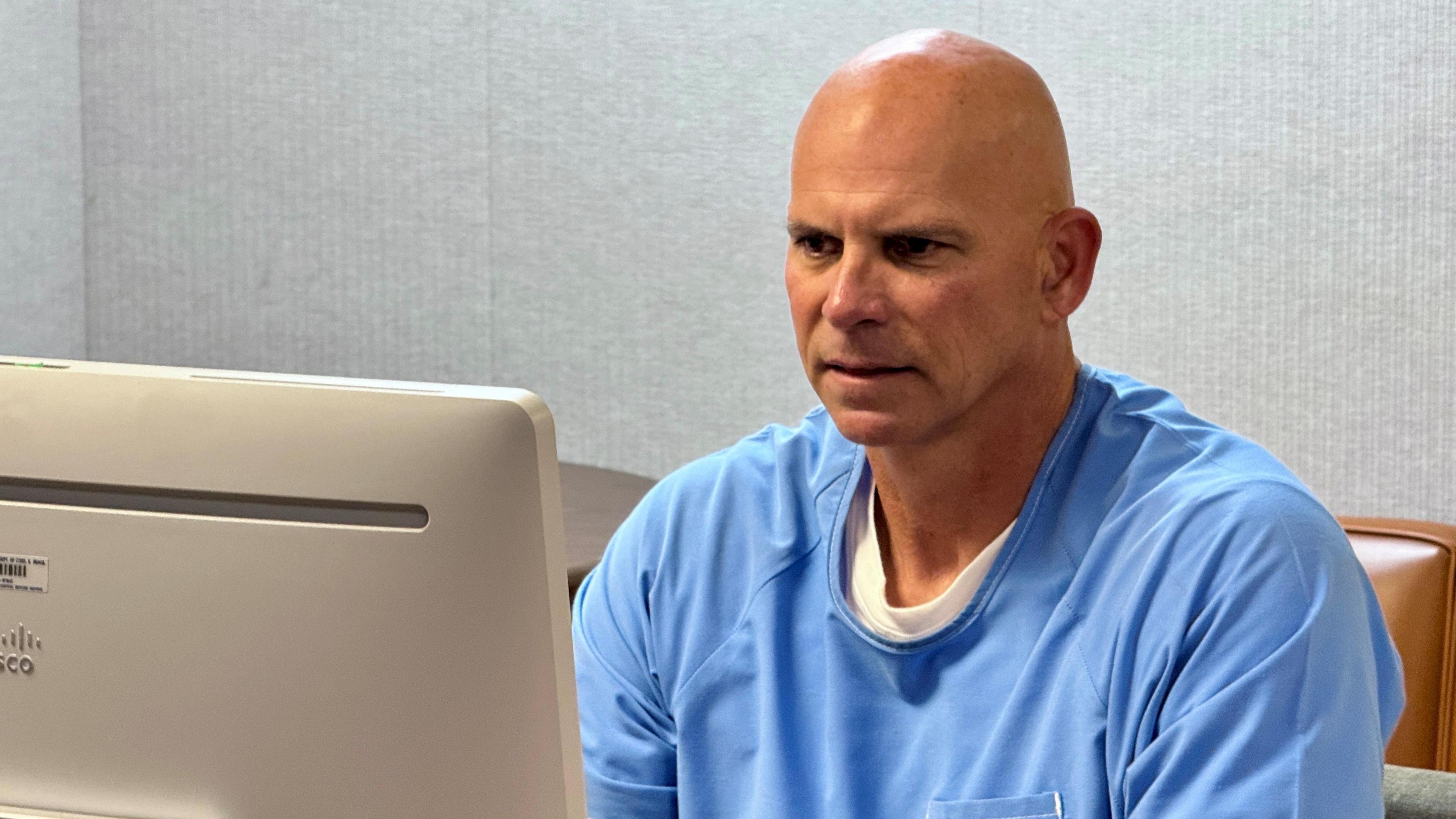
In a significant development in one of America's most infamous criminal cases, both Lyle and Erik Menendez have been denied parole by the California parole board. The brothers, who have spent over three decades in prison for the 1989 murders of their parents, Jose and Kitty Menendez, in their Beverly Hills mansion, faced separate parole hearings this week.
Background of the Case
The Menendez brothers were convicted in 1996 for the brutal slayings of their parents, a crime that captivated the nation. At the time of the murders, Lyle was 21 and Erik was 18. The defense argued that the killings were acts of self-defense following years of sexual and emotional abuse by their father, claims that were supported by some family members. However, prosecutors contended that the brothers were motivated by greed, aiming to inherit their parents' multimillion-dollar estate.
Parole Hearings and Decisions
Erik Menendez's parole hearing took place on Thursday, where the board denied his release, citing his behavior in prison as a primary concern. Commissioner Robert Barton highlighted Erik's involvement in rule violations, including the use of mobile phones and associations with illicit activities. "Despite the support you have, your actions in prison show you still pose a risk to public safety," Barton stated.
Lyle Menendez faced the parole board on Friday, with a different panel reviewing his case. Despite acknowledging his genuine remorse and positive changes, the board expressed concerns about his underlying personality traits, such as deception and poor decision-making. "Your remorse is evident, but we still see signs that you pose a risk," said Commissioner Julie Garland.
Public and Legal Reactions
The decisions were met with mixed reactions. Los Angeles District Attorney Nathan Hochman, who opposed the brothers' resentencing earlier this year, praised the board's careful evaluation. "The board's decision reflects a thorough assessment of the risks involved," Hochman commented.
Future Prospects
Both brothers will be eligible for parole reconsideration in three years, with Lyle potentially having an earlier hearing if he maintains good behavior. Additionally, California Governor Gavin Newsom holds the authority to grant clemency, which remains a possible avenue for the brothers' release.
WHAT THIS MIGHT MEAN
The denial of parole for the Menendez brothers underscores the complexities of the criminal justice system, particularly in high-profile cases involving claims of abuse. As the brothers continue to serve their sentences, their future prospects hinge on their behavior in prison and potential legal interventions. The case remains a focal point for discussions on the balance between justice and rehabilitation, with the possibility of clemency from Governor Newsom adding another layer of uncertainty. Legal experts suggest that the brothers' continued efforts to demonstrate rehabilitation could influence future parole decisions, while public interest in their case persists, fueled by ongoing media coverage and social media discourse.
Images from the Web
Related Articles
Nick Reiner Charged with Murder of Parents Rob and Michele Reiner
Nick Reiner Faces Court as Attorney Withdraws from High-Profile Murder Case
Hollywood Mourns as Nick Reiner Arrested for Parents' Murder in Brentwood
NRA Calls for Full Investigation into Alex Pretti Shooting Amidst Rising Tensions

California Avalanche Leaves Ten Skiers Missing Amid Severe Weather

Trump's Climate Policy Reversal Sparks Legal and Environmental Concerns
Menendez Brothers Denied Parole in Notorious Beverly Hills Murder Case
In This Article
 Sofia Romano| Published
 HIGHLIGHTS
- Lyle Menendez was denied parole a day after his brother Erik's request was similarly rejected by the California parole board.
- The Menendez brothers were convicted for the 1989 murders of their parents, claiming self-defense due to alleged abuse.
- Erik's parole was denied due to his behavior in prison, including rule violations and involvement in illicit activities.
- Lyle's parole was denied despite showing remorse, as the board cited ongoing concerns about his decision-making and personality traits.
- Both brothers are eligible for parole reconsideration in three years, with the possibility of an earlier hearing for Lyle based on good behavior.
In a significant development in one of America's most infamous criminal cases, both Lyle and Erik Menendez have been denied parole by the California parole board. The brothers, who have spent over three decades in prison for the 1989 murders of their parents, Jose and Kitty Menendez, in their Beverly Hills mansion, faced separate parole hearings this week.
Background of the Case
The Menendez brothers were convicted in 1996 for the brutal slayings of their parents, a crime that captivated the nation. At the time of the murders, Lyle was 21 and Erik was 18. The defense argued that the killings were acts of self-defense following years of sexual and emotional abuse by their father, claims that were supported by some family members. However, prosecutors contended that the brothers were motivated by greed, aiming to inherit their parents' multimillion-dollar estate.
Parole Hearings and Decisions
Erik Menendez's parole hearing took place on Thursday, where the board denied his release, citing his behavior in prison as a primary concern. Commissioner Robert Barton highlighted Erik's involvement in rule violations, including the use of mobile phones and associations with illicit activities. "Despite the support you have, your actions in prison show you still pose a risk to public safety," Barton stated.
Lyle Menendez faced the parole board on Friday, with a different panel reviewing his case. Despite acknowledging his genuine remorse and positive changes, the board expressed concerns about his underlying personality traits, such as deception and poor decision-making. "Your remorse is evident, but we still see signs that you pose a risk," said Commissioner Julie Garland.
Public and Legal Reactions
The decisions were met with mixed reactions. Los Angeles District Attorney Nathan Hochman, who opposed the brothers' resentencing earlier this year, praised the board's careful evaluation. "The board's decision reflects a thorough assessment of the risks involved," Hochman commented.
Future Prospects
Both brothers will be eligible for parole reconsideration in three years, with Lyle potentially having an earlier hearing if he maintains good behavior. Additionally, California Governor Gavin Newsom holds the authority to grant clemency, which remains a possible avenue for the brothers' release.
WHAT THIS MIGHT MEAN
The denial of parole for the Menendez brothers underscores the complexities of the criminal justice system, particularly in high-profile cases involving claims of abuse. As the brothers continue to serve their sentences, their future prospects hinge on their behavior in prison and potential legal interventions. The case remains a focal point for discussions on the balance between justice and rehabilitation, with the possibility of clemency from Governor Newsom adding another layer of uncertainty. Legal experts suggest that the brothers' continued efforts to demonstrate rehabilitation could influence future parole decisions, while public interest in their case persists, fueled by ongoing media coverage and social media discourse.
Images from the Web
Related Articles
Nick Reiner Charged with Murder of Parents Rob and Michele Reiner
Nick Reiner Faces Court as Attorney Withdraws from High-Profile Murder Case
Hollywood Mourns as Nick Reiner Arrested for Parents' Murder in Brentwood
NRA Calls for Full Investigation into Alex Pretti Shooting Amidst Rising Tensions
California Avalanche Leaves Ten Skiers Missing Amid Severe Weather
Trump's Climate Policy Reversal Sparks Legal and Environmental Concerns