
Trump's Climate Policy Reversal Sparks Legal and Environmental Concerns
In This Article
HIGHLIGHTS
- President Trump has revoked the 2009 "endangerment finding," a key Obama-era ruling that allowed regulation of greenhouse gases.
- The rollback is described as the largest deregulation in American history, with claims of saving automakers $2,400 per vehicle.
- Environmental groups and states like California plan to challenge the decision in court, citing potential health and climate risks.
- Critics, including former President Obama, argue the move prioritizes fossil fuel profits over public health and safety.
- The decision is part of a broader strategy by the Trump administration to dismantle environmental protections.
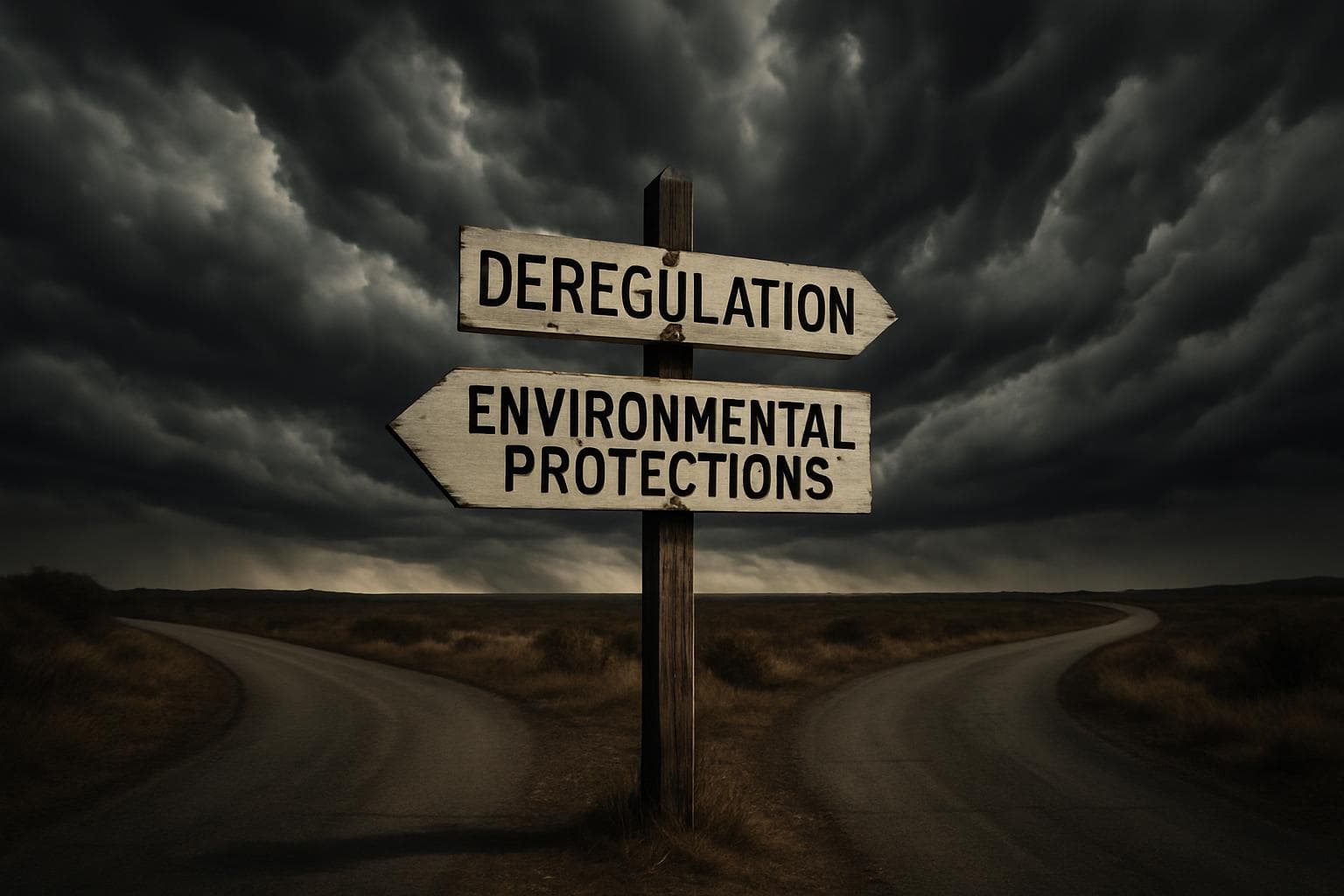
In a controversial move, President Donald Trump has repealed the 2009 "endangerment finding," a pivotal Obama-era scientific ruling that enabled the regulation of greenhouse gases. This decision, announced at the White House, marks a significant shift in U.S. climate policy, drawing sharp criticism from environmentalists and political opponents.
A Landmark Reversal
The endangerment finding, established by the Environmental Protection Agency (EPA) in 2009, identified greenhouse gases as a threat to public health and welfare. It served as the foundation for federal efforts to curb emissions from vehicles, power plants, and other industrial sources. President Trump, however, framed the rollback as a victory against what he termed the "Green New Scam," a reference to Democratic climate policies.
Economic Arguments and Industry Impact
The Trump administration has touted the repeal as the largest deregulation in American history, claiming it will reduce costs for automakers by $2,400 per vehicle. EPA Administrator Lee Zeldin echoed this sentiment, arguing that previous climate policies had stifled economic growth. Critics, however, warn that the rollback could lead to increased pollution and health risks, with environmental groups poised to challenge the decision in court.
Political and Environmental Reactions
The decision has sparked outrage among Democrats and environmental advocates. Former President Barack Obama criticized the move on social media, stating it would make Americans "less safe, less healthy, and less able to fight climate change." California Governor Gavin Newsom warned of dire consequences, including more wildfires and extreme weather events, should the rollback withstand legal challenges.
Legal and Environmental Implications
The repeal of the endangerment finding is part of a broader strategy by the Trump administration to dismantle environmental protections. While the immediate focus is on vehicle emissions, experts fear the decision could pave the way for further deregulation of stationary sources like power plants. Environmental groups, including the Natural Resources Defense Council and Sierra Club, have vowed to fight the rollback in court, emphasizing the scientific consensus on the dangers of greenhouse gas emissions.
WHAT THIS MIGHT MEAN
The revocation of the endangerment finding could have far-reaching legal and environmental implications. If upheld, it may lead to increased emissions and health risks, challenging the U.S.'s ability to meet international climate commitments. Legal battles are expected to unfold, with states and environmental groups seeking to block the rollback. The decision also underscores the ongoing political divide over climate policy, potentially influencing future elections and shaping the national discourse on environmental regulation.
Related Articles

Tech Giants Pledge to Cover AI Data Center Energy Costs Amid Rising Electricity Concerns

Spain's Sánchez Stands Firm Against Trump's Trade Threat Over Iran Stance
Congress Subpoenas Attorney General Bondi in Epstein Investigation
Cuba Faces Widespread Blackout Amid Deepening Fuel Crisis

UK Faces Dilemmas Amid Iran Conflict and China Spying Allegations
Senate Blocks Resolution to Limit Trump's Military Actions in Iran
Trump's Climate Policy Reversal Sparks Legal and Environmental Concerns
In This Article
 Leila Hassan| Published
 HIGHLIGHTS
- President Trump has revoked the 2009 "endangerment finding," a key Obama-era ruling that allowed regulation of greenhouse gases.
- The rollback is described as the largest deregulation in American history, with claims of saving automakers $2,400 per vehicle.
- Environmental groups and states like California plan to challenge the decision in court, citing potential health and climate risks.
- Critics, including former President Obama, argue the move prioritizes fossil fuel profits over public health and safety.
- The decision is part of a broader strategy by the Trump administration to dismantle environmental protections.
In a controversial move, President Donald Trump has repealed the 2009 "endangerment finding," a pivotal Obama-era scientific ruling that enabled the regulation of greenhouse gases. This decision, announced at the White House, marks a significant shift in U.S. climate policy, drawing sharp criticism from environmentalists and political opponents.
A Landmark Reversal
The endangerment finding, established by the Environmental Protection Agency (EPA) in 2009, identified greenhouse gases as a threat to public health and welfare. It served as the foundation for federal efforts to curb emissions from vehicles, power plants, and other industrial sources. President Trump, however, framed the rollback as a victory against what he termed the "Green New Scam," a reference to Democratic climate policies.
Economic Arguments and Industry Impact
The Trump administration has touted the repeal as the largest deregulation in American history, claiming it will reduce costs for automakers by $2,400 per vehicle. EPA Administrator Lee Zeldin echoed this sentiment, arguing that previous climate policies had stifled economic growth. Critics, however, warn that the rollback could lead to increased pollution and health risks, with environmental groups poised to challenge the decision in court.
Political and Environmental Reactions
The decision has sparked outrage among Democrats and environmental advocates. Former President Barack Obama criticized the move on social media, stating it would make Americans "less safe, less healthy, and less able to fight climate change." California Governor Gavin Newsom warned of dire consequences, including more wildfires and extreme weather events, should the rollback withstand legal challenges.
Legal and Environmental Implications
The repeal of the endangerment finding is part of a broader strategy by the Trump administration to dismantle environmental protections. While the immediate focus is on vehicle emissions, experts fear the decision could pave the way for further deregulation of stationary sources like power plants. Environmental groups, including the Natural Resources Defense Council and Sierra Club, have vowed to fight the rollback in court, emphasizing the scientific consensus on the dangers of greenhouse gas emissions.
WHAT THIS MIGHT MEAN
The revocation of the endangerment finding could have far-reaching legal and environmental implications. If upheld, it may lead to increased emissions and health risks, challenging the U.S.'s ability to meet international climate commitments. Legal battles are expected to unfold, with states and environmental groups seeking to block the rollback. The decision also underscores the ongoing political divide over climate policy, potentially influencing future elections and shaping the national discourse on environmental regulation.
Related Articles
Tech Giants Pledge to Cover AI Data Center Energy Costs Amid Rising Electricity Concerns
Spain's Sánchez Stands Firm Against Trump's Trade Threat Over Iran Stance
Congress Subpoenas Attorney General Bondi in Epstein Investigation
Cuba Faces Widespread Blackout Amid Deepening Fuel Crisis
UK Faces Dilemmas Amid Iran Conflict and China Spying Allegations
Senate Blocks Resolution to Limit Trump's Military Actions in Iran