
Met Police Charge 47 More in Palestine Action Protest Crackdown
In This Article
HIGHLIGHTS
- The Metropolitan Police have charged 47 more individuals for supporting the banned group Palestine Action, bringing the total to 114.
- The charges stem from a July protest in London, with those charged facing potential legal consequences under terrorism laws.
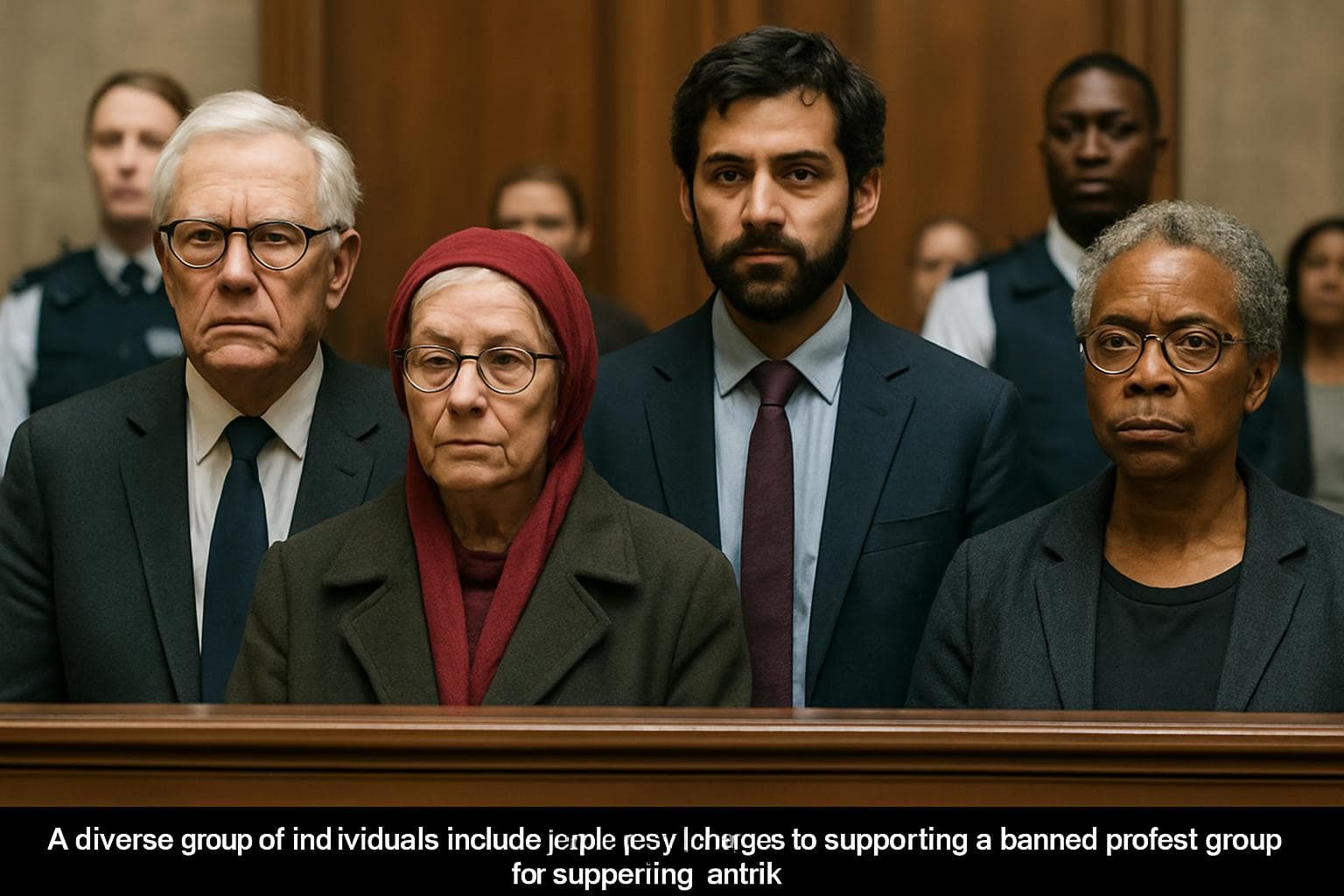
- Among those charged is an 81-year-old woman, highlighting the diverse age range of the accused.
- The ban on Palestine Action, challenged in the High Court, is criticized for infringing on freedom of speech.
- The group was proscribed after causing £7m in damage at RAF Brize Norton, with a High Court review set for November.
In a significant development, the Metropolitan Police have charged an additional 47 individuals for allegedly supporting the proscribed group Palestine Action. This brings the total number of people charged to 114, following a protest in London on July 19. The charges, which fall under terrorism laws, have sparked a debate over the balance between national security and freedom of speech.
Diverse Group of Accused
Among those charged is Yvonne Hayward, an 81-year-old retired teacher from Lewisham, highlighting the wide age range of the accused, with more than half being over 60. The charges have been met with criticism from protest organizers, who accuse the Met of using scare tactics to deter future demonstrations. Tim Crosland, a spokesperson for Defend Our Juries, argued that the charges are an attempt to intimidate potential protesters.
Legal Context and Implications
The charges relate to section 13 of the Terrorism Act, a lower-level offence that will be tried in a magistrates' court. If convicted, those charged could face significant consequences, including impacts on their careers and travel abilities. Detective Chief Superintendent Helen Flanagan emphasized the seriousness of supporting a proscribed organization, while also acknowledging the right to peaceful protest.
Controversial Ban and Legal Challenge
The proscription of Palestine Action, the first direct action group banned under terrorism laws, followed an incident at RAF Brize Norton where military aircraft were defaced, causing £7m in damage. The ban, enacted by Home Secretary Yvette Cooper, has been criticized for infringing on freedom of speech. Lawyers for the group's co-founder, Huda Ammori, argue that the ban unjustly gags legitimate protest. The High Court is set to review the ban in November, following a decision to allow a legal challenge.
WHAT THIS MIGHT MEAN
The upcoming High Court review in November could have significant implications for the future of protest rights in the UK. If the court rules against the ban, it may set a precedent for how terrorism laws are applied to protest groups. Conversely, upholding the ban could embolden further restrictions on protest activities. Legal experts suggest that the case will test the boundaries between national security and civil liberties, potentially influencing future legislation and enforcement practices. As the legal proceedings unfold, the balance between maintaining public safety and protecting freedom of speech remains a contentious issue.
Related Articles
UK Police Intensify Investigation into Andrew Mountbatten-Windsor Amid Misconduct Allegations
Prince Andrew's Arrest Raises Questions About Royal Succession and Monarchy's Future
Arrest of Andrew Mountbatten-Windsor Captured in Iconic Photograph
Andrew Mountbatten-Windsor's Arrest Sparks International Calls for Justice
Labour MP's Husband Arrested in UK-China Espionage Probe
Nottingham Attacks Inquiry: Families Demand Accountability and Truth
Met Police Charge 47 More in Palestine Action Protest Crackdown
In This Article
 Sofia Romano| Published
 HIGHLIGHTS
- The Metropolitan Police have charged 47 more individuals for supporting the banned group Palestine Action, bringing the total to 114.
- The charges stem from a July protest in London, with those charged facing potential legal consequences under terrorism laws.
- Among those charged is an 81-year-old woman, highlighting the diverse age range of the accused.
- The ban on Palestine Action, challenged in the High Court, is criticized for infringing on freedom of speech.
- The group was proscribed after causing £7m in damage at RAF Brize Norton, with a High Court review set for November.
In a significant development, the Metropolitan Police have charged an additional 47 individuals for allegedly supporting the proscribed group Palestine Action. This brings the total number of people charged to 114, following a protest in London on July 19. The charges, which fall under terrorism laws, have sparked a debate over the balance between national security and freedom of speech.
Diverse Group of Accused
Among those charged is Yvonne Hayward, an 81-year-old retired teacher from Lewisham, highlighting the wide age range of the accused, with more than half being over 60. The charges have been met with criticism from protest organizers, who accuse the Met of using scare tactics to deter future demonstrations. Tim Crosland, a spokesperson for Defend Our Juries, argued that the charges are an attempt to intimidate potential protesters.
Legal Context and Implications
The charges relate to section 13 of the Terrorism Act, a lower-level offence that will be tried in a magistrates' court. If convicted, those charged could face significant consequences, including impacts on their careers and travel abilities. Detective Chief Superintendent Helen Flanagan emphasized the seriousness of supporting a proscribed organization, while also acknowledging the right to peaceful protest.
Controversial Ban and Legal Challenge
The proscription of Palestine Action, the first direct action group banned under terrorism laws, followed an incident at RAF Brize Norton where military aircraft were defaced, causing £7m in damage. The ban, enacted by Home Secretary Yvette Cooper, has been criticized for infringing on freedom of speech. Lawyers for the group's co-founder, Huda Ammori, argue that the ban unjustly gags legitimate protest. The High Court is set to review the ban in November, following a decision to allow a legal challenge.
WHAT THIS MIGHT MEAN
The upcoming High Court review in November could have significant implications for the future of protest rights in the UK. If the court rules against the ban, it may set a precedent for how terrorism laws are applied to protest groups. Conversely, upholding the ban could embolden further restrictions on protest activities. Legal experts suggest that the case will test the boundaries between national security and civil liberties, potentially influencing future legislation and enforcement practices. As the legal proceedings unfold, the balance between maintaining public safety and protecting freedom of speech remains a contentious issue.
Related Articles
UK Police Intensify Investigation into Andrew Mountbatten-Windsor Amid Misconduct Allegations
Prince Andrew's Arrest Raises Questions About Royal Succession and Monarchy's Future
Arrest of Andrew Mountbatten-Windsor Captured in Iconic Photograph
Andrew Mountbatten-Windsor's Arrest Sparks International Calls for Justice
Labour MP's Husband Arrested in UK-China Espionage Probe
Nottingham Attacks Inquiry: Families Demand Accountability and Truth