
MI5's Role in IRA Informant's Activities Under Scrutiny Following Operation Kenova Report
In This Article
HIGHLIGHTS
- Operation Kenova revealed MI5's significant involvement in handling the IRA informant known as Stakeknife, contradicting previous claims of a peripheral role.
- Stakeknife, identified as Freddie Scappaticci, was linked to 14 murders and 15 abductions while working within the IRA's internal security unit during the Troubles.
- The report criticized MI5 for organizational failures, including the late disclosure of crucial documents that could have impacted the investigation.
- Calls for increased scrutiny and accountability of MI5 have intensified, with demands for the agency to adhere to a duty of candour similar to other public bodies.
- Despite the extensive investigation, no prosecutions have resulted, and the UK government maintains its policy of not naming informants.
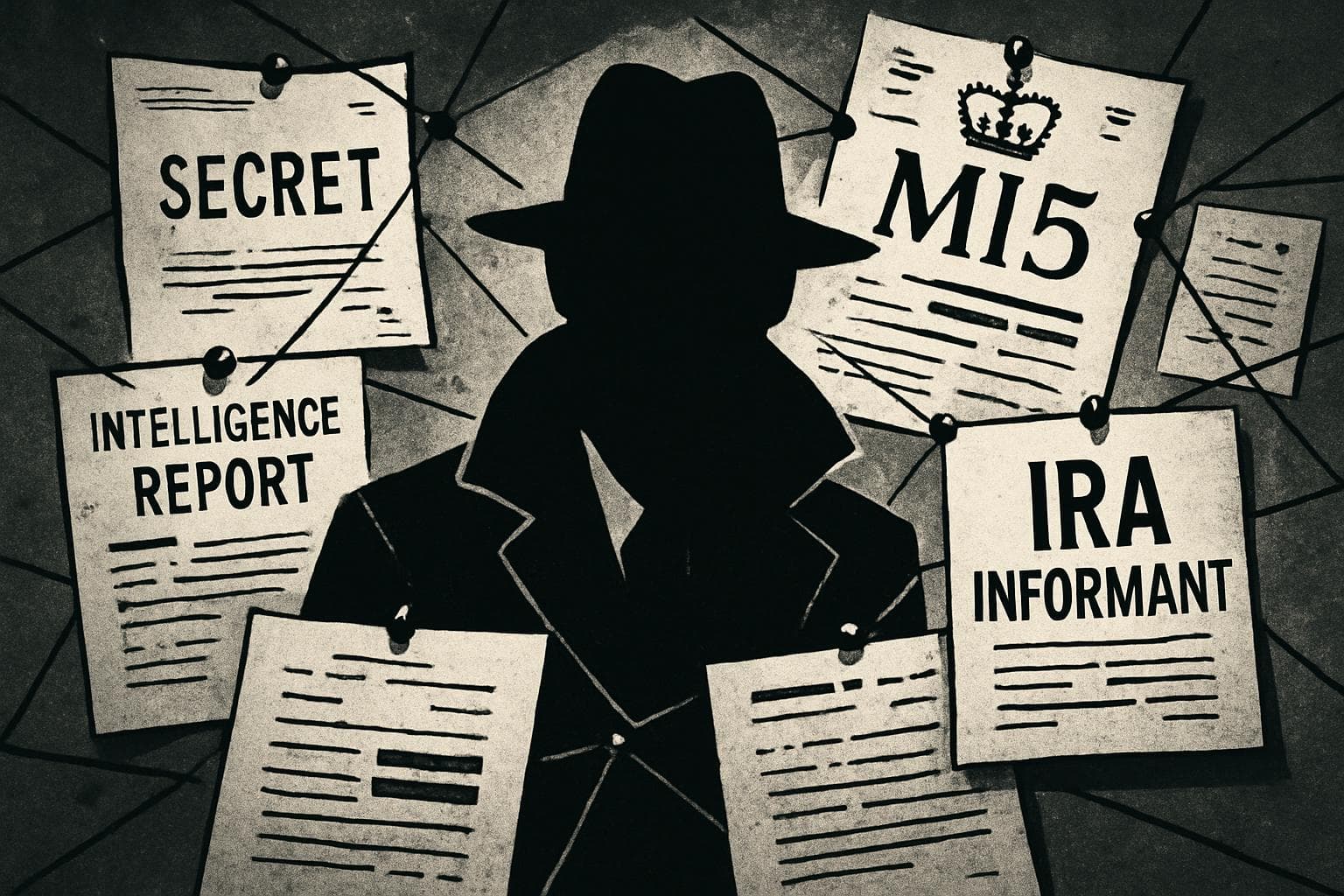
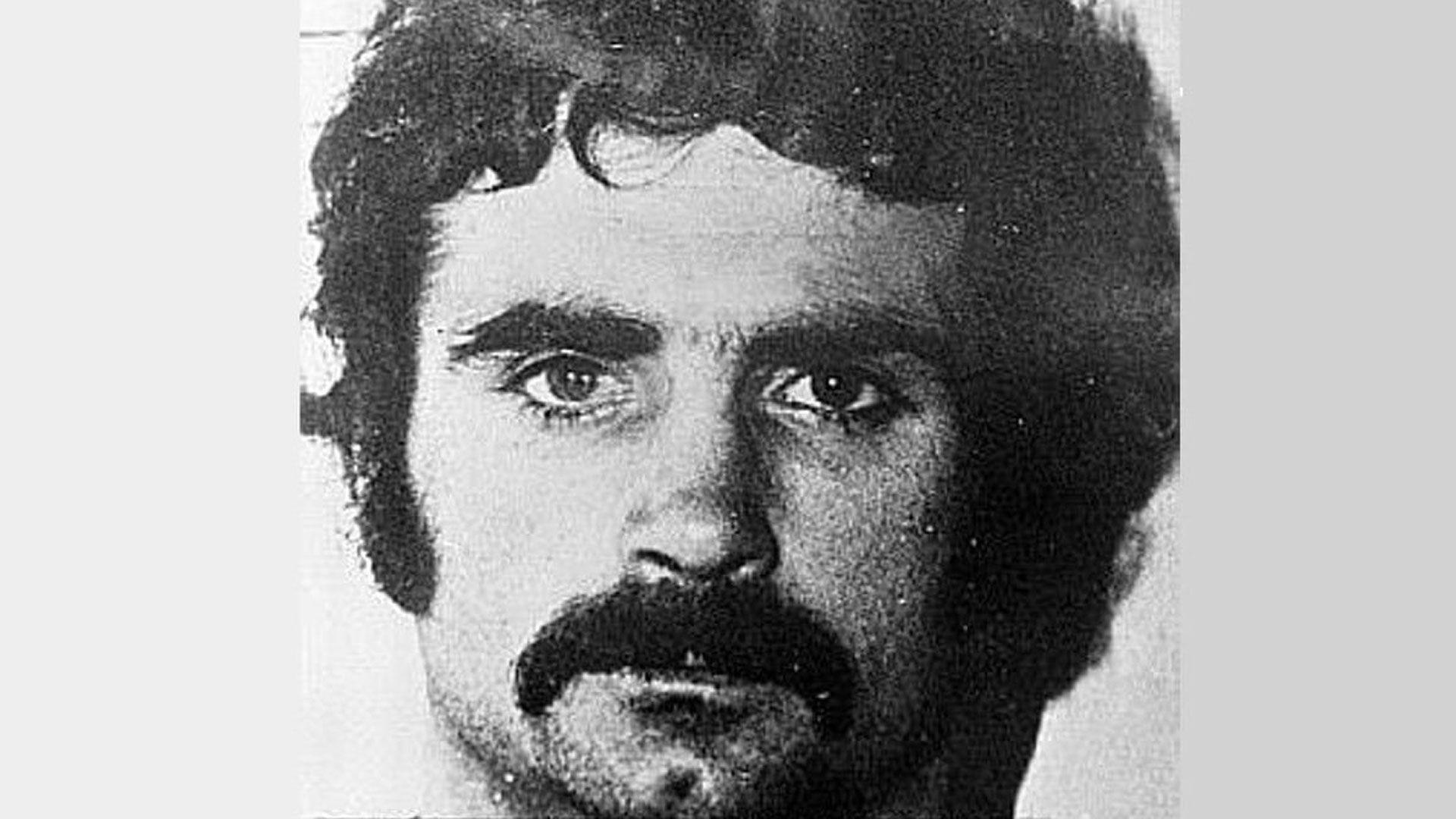
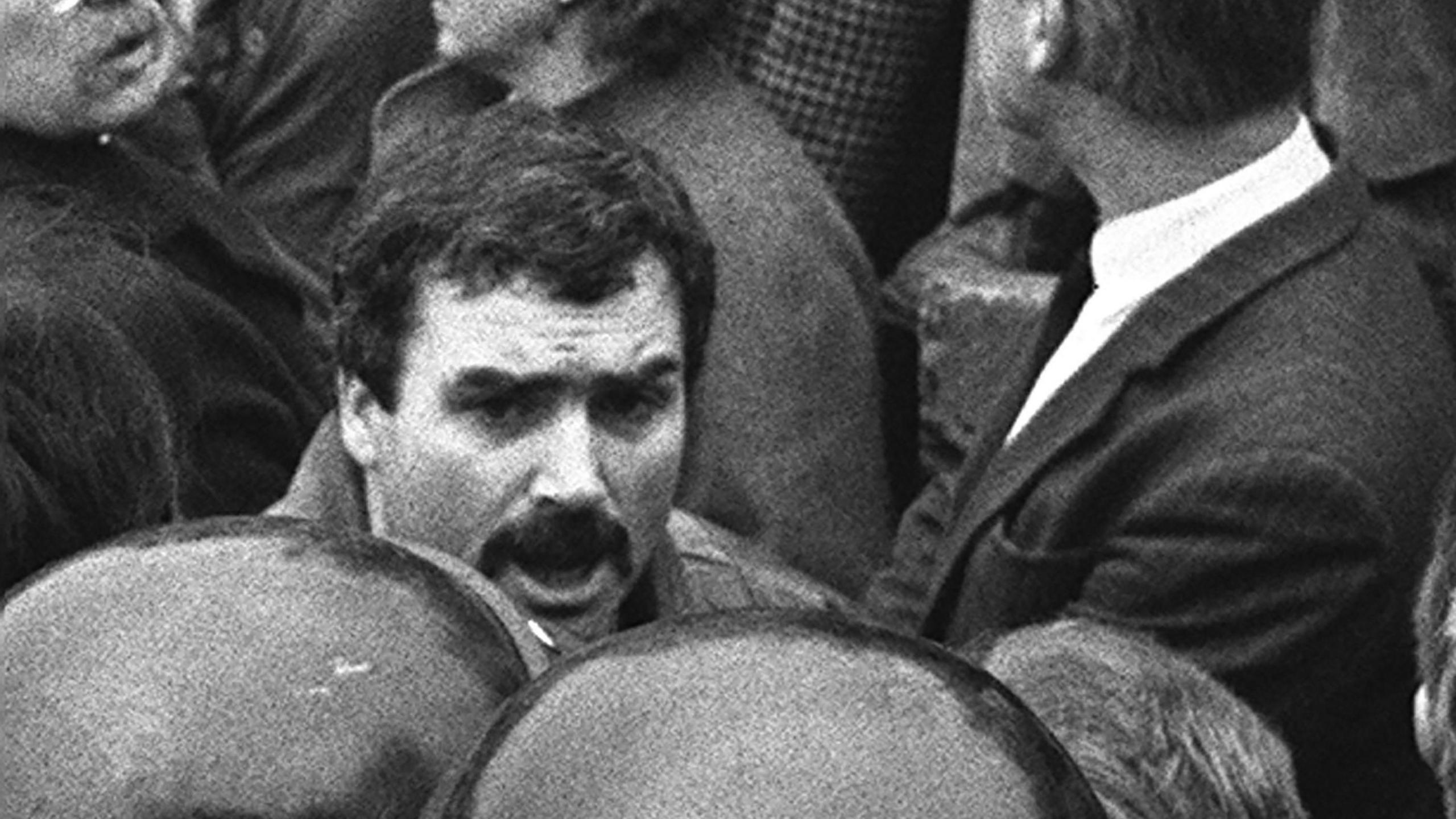
A comprehensive investigation into the activities of an IRA informant, known as Stakeknife, has unveiled a deeper involvement by MI5 than previously acknowledged. The final report from Operation Kenova, a £40 million investigation, highlights the British intelligence agency's significant role in managing Stakeknife, who was later identified as Freddie Scappaticci, a key figure within the IRA's internal security unit during the Troubles in Northern Ireland.
MI5's Involvement and Organizational Failures
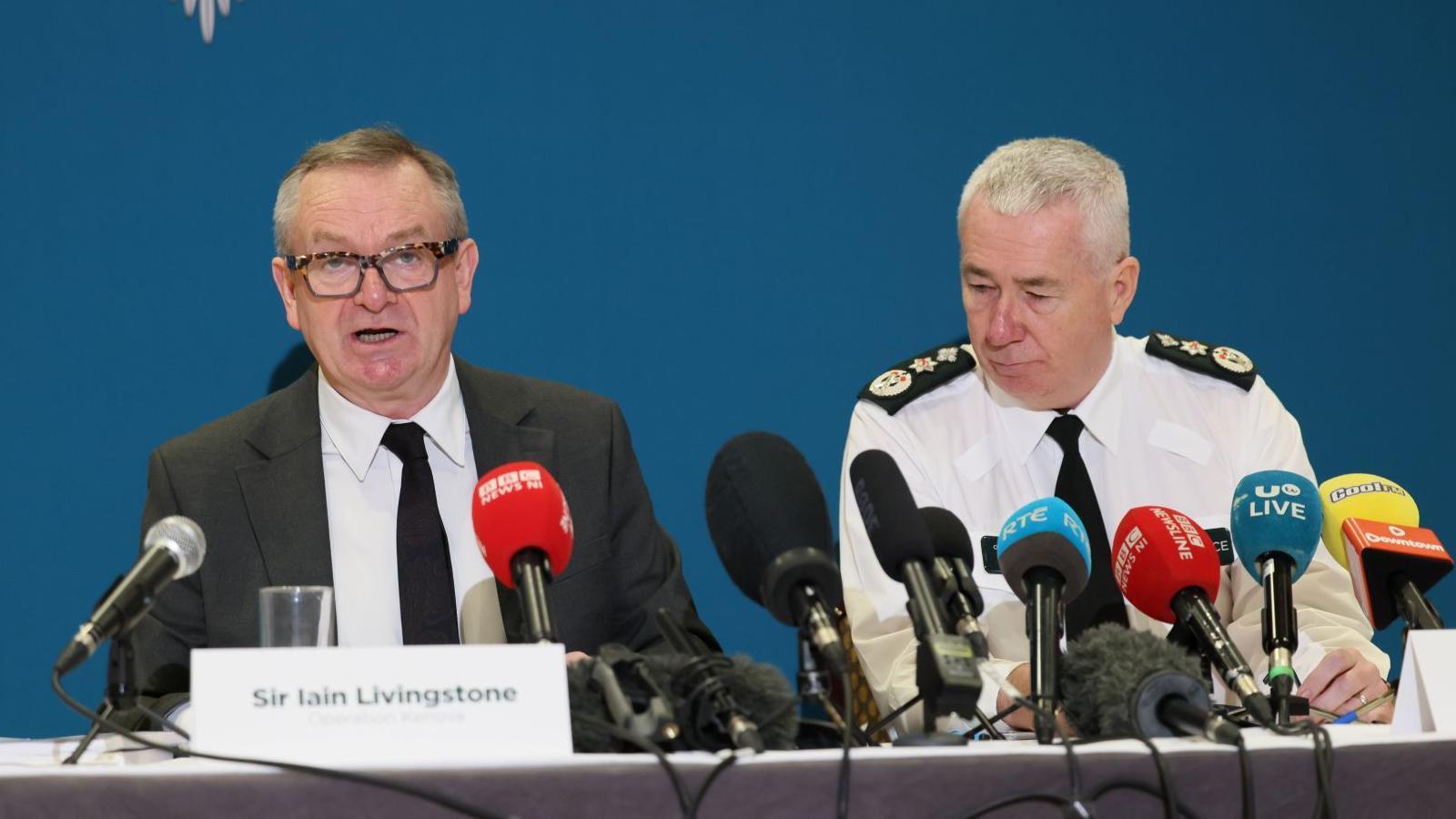
The 160-page report, authored by former Police Scotland chief constable Sir Iain Livingstone, reveals that MI5 was "closely involved" in briefing and tasking Stakeknife, contradicting earlier claims of a peripheral role. The agency had "automatic sight" of Stakeknife's intelligence and was aware of his involvement in serious criminal activities, including 14 murders and 15 abductions. The report also criticized MI5 for a "serious organizational failure" in the delayed discovery and disclosure of documents crucial to the investigation.
Stakeknife's Double Life and Impact
Freddie Scappaticci, who died in 2023, operated as a British agent from the late 1970s until the 1990s. Within the IRA, he led the notorious "nutting squad," responsible for identifying and executing suspected informers. Despite his contributions to counter-terrorism intelligence, the Kenova report suggests that more lives were lost than saved through his operations. The investigation uncovered over 3,500 intelligence reports from Stakeknife, many of which were not acted upon, prioritizing the protection of the agent over potential victims.
Calls for Accountability and Transparency
The findings have intensified calls for greater accountability and transparency from MI5. Campaigners are urging the agency to be subjected to the same duty of candour as other public bodies, ensuring full disclosure in investigations. The Hillsborough Law, which aims to impose such a duty, currently does not apply to MI5 and other intelligence agencies. Police Service of Northern Ireland Chief Constable Jon Boutcher emphasized the need for change in MI5's approach to legacy cases in Northern Ireland.
Despite the extensive investigation, no prosecutions have resulted, and the UK government continues to adhere to its policy of not naming informants, a stance criticized by the report's authors.
WHAT THIS MIGHT MEAN
The revelations from Operation Kenova could lead to increased scrutiny of MI5 and potentially prompt legislative changes to enforce greater transparency and accountability within British intelligence agencies. The Hillsborough Law, if extended to include MI5, could significantly alter how intelligence agencies operate and report their activities. Furthermore, the lack of prosecutions despite substantial evidence may fuel public and political pressure for justice for the victims' families. As the government and intelligence agencies navigate these challenges, the balance between national security and accountability remains a critical issue.
Images from the Web


Related Articles
Tragedy Strikes County Armagh: Three Dead in Multi-Vehicle Collision
Prince Andrew's Ties to Epstein Under Scrutiny Amid Calls for Inquiry
Government Criticized for Mishandling Maccabi Tel Aviv Fan Ban

Prince Andrew's Arrest Intensifies Scrutiny on Royal Succession and Prince William's Future Role
UK Defence Faces Scrutiny Amid Ajax Armoured Vehicle Delays and Soldier Safety Concerns

Government Announces £4 Billion Overhaul of SEND Support in England
MI5's Role in IRA Informant's Activities Under Scrutiny Following Operation Kenova Report
In This Article
 Ethan Brooks| Published
 HIGHLIGHTS
- Operation Kenova revealed MI5's significant involvement in handling the IRA informant known as Stakeknife, contradicting previous claims of a peripheral role.
- Stakeknife, identified as Freddie Scappaticci, was linked to 14 murders and 15 abductions while working within the IRA's internal security unit during the Troubles.
- The report criticized MI5 for organizational failures, including the late disclosure of crucial documents that could have impacted the investigation.
- Calls for increased scrutiny and accountability of MI5 have intensified, with demands for the agency to adhere to a duty of candour similar to other public bodies.
- Despite the extensive investigation, no prosecutions have resulted, and the UK government maintains its policy of not naming informants.
A comprehensive investigation into the activities of an IRA informant, known as Stakeknife, has unveiled a deeper involvement by MI5 than previously acknowledged. The final report from Operation Kenova, a £40 million investigation, highlights the British intelligence agency's significant role in managing Stakeknife, who was later identified as Freddie Scappaticci, a key figure within the IRA's internal security unit during the Troubles in Northern Ireland.
MI5's Involvement and Organizational Failures
The 160-page report, authored by former Police Scotland chief constable Sir Iain Livingstone, reveals that MI5 was "closely involved" in briefing and tasking Stakeknife, contradicting earlier claims of a peripheral role. The agency had "automatic sight" of Stakeknife's intelligence and was aware of his involvement in serious criminal activities, including 14 murders and 15 abductions. The report also criticized MI5 for a "serious organizational failure" in the delayed discovery and disclosure of documents crucial to the investigation.
Stakeknife's Double Life and Impact
Freddie Scappaticci, who died in 2023, operated as a British agent from the late 1970s until the 1990s. Within the IRA, he led the notorious "nutting squad," responsible for identifying and executing suspected informers. Despite his contributions to counter-terrorism intelligence, the Kenova report suggests that more lives were lost than saved through his operations. The investigation uncovered over 3,500 intelligence reports from Stakeknife, many of which were not acted upon, prioritizing the protection of the agent over potential victims.
Calls for Accountability and Transparency
The findings have intensified calls for greater accountability and transparency from MI5. Campaigners are urging the agency to be subjected to the same duty of candour as other public bodies, ensuring full disclosure in investigations. The Hillsborough Law, which aims to impose such a duty, currently does not apply to MI5 and other intelligence agencies. Police Service of Northern Ireland Chief Constable Jon Boutcher emphasized the need for change in MI5's approach to legacy cases in Northern Ireland.
Despite the extensive investigation, no prosecutions have resulted, and the UK government continues to adhere to its policy of not naming informants, a stance criticized by the report's authors.
WHAT THIS MIGHT MEAN
The revelations from Operation Kenova could lead to increased scrutiny of MI5 and potentially prompt legislative changes to enforce greater transparency and accountability within British intelligence agencies. The Hillsborough Law, if extended to include MI5, could significantly alter how intelligence agencies operate and report their activities. Furthermore, the lack of prosecutions despite substantial evidence may fuel public and political pressure for justice for the victims' families. As the government and intelligence agencies navigate these challenges, the balance between national security and accountability remains a critical issue.
Images from the Web
Related Articles
Tragedy Strikes County Armagh: Three Dead in Multi-Vehicle Collision
Prince Andrew's Ties to Epstein Under Scrutiny Amid Calls for Inquiry
Government Criticized for Mishandling Maccabi Tel Aviv Fan Ban
Prince Andrew's Arrest Intensifies Scrutiny on Royal Succession and Prince William's Future Role
UK Defence Faces Scrutiny Amid Ajax Armoured Vehicle Delays and Soldier Safety Concerns
Government Announces £4 Billion Overhaul of SEND Support in England