
Morgan McSweeney's Resignation: A Turning Point for Labour and Keir Starmer
In This Article
HIGHLIGHTS
- Morgan McSweeney resigned as Keir Starmer's chief of staff amid controversy over Peter Mandelson's appointment as US ambassador.
- McSweeney played a pivotal role in Labour's 2024 election victory but faced criticism for fostering a toxic culture in Downing Street.
- His departure has sparked debate over Starmer's leadership and the future direction of the Labour Party.
- McSweeney's resignation statement emphasized accountability and called for a revamp of the vetting process.
- Labour faces potential electoral challenges in upcoming Welsh and Scottish elections, exacerbated by Westminster's instability.
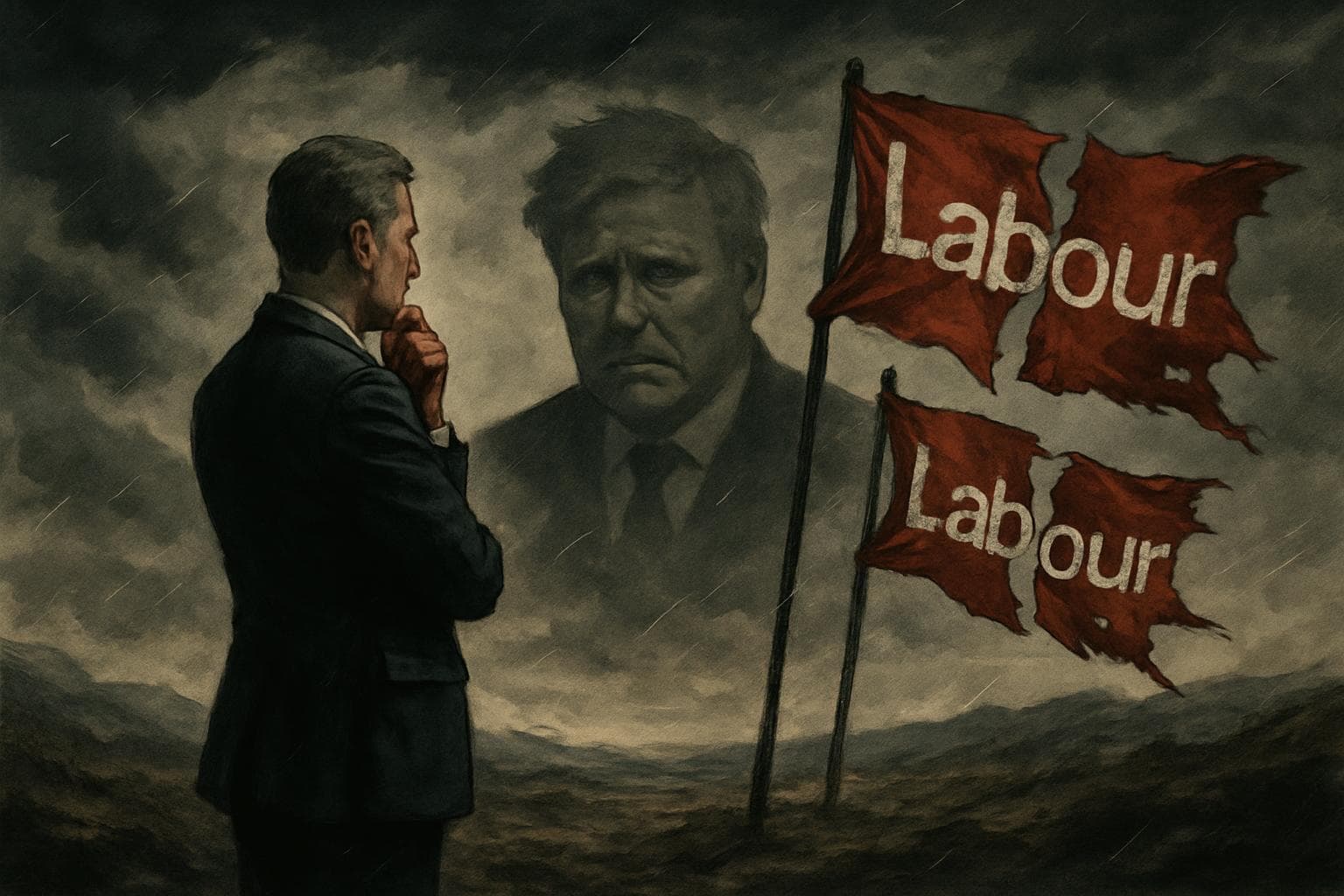
Morgan McSweeney, the influential chief of staff to UK Prime Minister Keir Starmer, has resigned following a storm of controversy surrounding his role in advocating for Peter Mandelson as the UK ambassador to Washington. This decision, announced on Sunday, marks a significant shift in the political landscape, raising questions about Starmer's leadership and the Labour Party's future trajectory.
The Rise and Fall of a Political Strategist
McSweeney, often described as the mastermind behind Labour's 2024 electoral triumph, was instrumental in steering the party back to power after its historic defeat under Jeremy Corbyn. His strategic acumen was credited with reclaiming Labour's traditional strongholds and securing a landslide victory. However, his tenure was marred by allegations of fostering a "boys' club" atmosphere and sidelining progressive voices within the party.
Controversy and Resignation
The catalyst for McSweeney's resignation was the backlash over Mandelson's appointment, which drew scrutiny due to Mandelson's past associations with Jeffrey Epstein. In his resignation statement, McSweeney accepted full responsibility for the advice given to Starmer, acknowledging the damage caused to the party's reputation. He called for a comprehensive overhaul of the vetting process to prevent similar issues in the future.
Implications for Labour and Starmer
McSweeney's departure has intensified the debate over Starmer's leadership style, with some MPs viewing the resignation as a sign of weakness. Critics argue that Starmer should have dismissed McSweeney outright, while others believe the resignation reflects McSweeney's commitment to protecting the prime minister. The situation has also highlighted internal divisions within Labour, as the party grapples with its identity and strategic direction.
Electoral Challenges Ahead
Beyond the immediate fallout, Labour faces significant electoral challenges in the upcoming Welsh and Scottish elections. The instability at Westminster, coupled with long-term trends of declining support, threatens Labour's traditional dominance in these regions. As the party navigates this turbulent period, the implications of McSweeney's resignation will likely reverberate through its ranks and influence its future strategies.
WHAT THIS MIGHT MEAN
The resignation of Morgan McSweeney could serve as a pivotal moment for the Labour Party, prompting a reassessment of its internal culture and strategic priorities. Keir Starmer's leadership will be under scrutiny as he seeks to stabilize his administration and address the concerns raised by McSweeney's departure. The upcoming elections in Wales and Scotland will be critical tests of Labour's resilience and adaptability in the face of political challenges. Experts suggest that a successful navigation of these issues could bolster Starmer's position, while failure may lead to further internal strife and calls for change within the party.
Related Articles

Congress Subpoenas Attorney General Bondi in Epstein Investigation

Labour MP's Husband Arrested in UK-China Espionage Probe

UK Faces Dilemmas Amid Iran Conflict and China Spying Allegations

Saharan Dust to Illuminate UK Skies with Vivid Sunrises and Sunsets

Global Counsel Enters Administration Amid Epstein Link Fallout
UK Government to Reform Asylum Seeker Support and Employment Policies
Morgan McSweeney's Resignation: A Turning Point for Labour and Keir Starmer
In This Article
 Alex Carter| Published
 HIGHLIGHTS
- Morgan McSweeney resigned as Keir Starmer's chief of staff amid controversy over Peter Mandelson's appointment as US ambassador.
- McSweeney played a pivotal role in Labour's 2024 election victory but faced criticism for fostering a toxic culture in Downing Street.
- His departure has sparked debate over Starmer's leadership and the future direction of the Labour Party.
- McSweeney's resignation statement emphasized accountability and called for a revamp of the vetting process.
- Labour faces potential electoral challenges in upcoming Welsh and Scottish elections, exacerbated by Westminster's instability.
Morgan McSweeney, the influential chief of staff to UK Prime Minister Keir Starmer, has resigned following a storm of controversy surrounding his role in advocating for Peter Mandelson as the UK ambassador to Washington. This decision, announced on Sunday, marks a significant shift in the political landscape, raising questions about Starmer's leadership and the Labour Party's future trajectory.
The Rise and Fall of a Political Strategist
McSweeney, often described as the mastermind behind Labour's 2024 electoral triumph, was instrumental in steering the party back to power after its historic defeat under Jeremy Corbyn. His strategic acumen was credited with reclaiming Labour's traditional strongholds and securing a landslide victory. However, his tenure was marred by allegations of fostering a "boys' club" atmosphere and sidelining progressive voices within the party.
Controversy and Resignation
The catalyst for McSweeney's resignation was the backlash over Mandelson's appointment, which drew scrutiny due to Mandelson's past associations with Jeffrey Epstein. In his resignation statement, McSweeney accepted full responsibility for the advice given to Starmer, acknowledging the damage caused to the party's reputation. He called for a comprehensive overhaul of the vetting process to prevent similar issues in the future.
Implications for Labour and Starmer
McSweeney's departure has intensified the debate over Starmer's leadership style, with some MPs viewing the resignation as a sign of weakness. Critics argue that Starmer should have dismissed McSweeney outright, while others believe the resignation reflects McSweeney's commitment to protecting the prime minister. The situation has also highlighted internal divisions within Labour, as the party grapples with its identity and strategic direction.
Electoral Challenges Ahead
Beyond the immediate fallout, Labour faces significant electoral challenges in the upcoming Welsh and Scottish elections. The instability at Westminster, coupled with long-term trends of declining support, threatens Labour's traditional dominance in these regions. As the party navigates this turbulent period, the implications of McSweeney's resignation will likely reverberate through its ranks and influence its future strategies.
WHAT THIS MIGHT MEAN
The resignation of Morgan McSweeney could serve as a pivotal moment for the Labour Party, prompting a reassessment of its internal culture and strategic priorities. Keir Starmer's leadership will be under scrutiny as he seeks to stabilize his administration and address the concerns raised by McSweeney's departure. The upcoming elections in Wales and Scotland will be critical tests of Labour's resilience and adaptability in the face of political challenges. Experts suggest that a successful navigation of these issues could bolster Starmer's position, while failure may lead to further internal strife and calls for change within the party.
Related Articles
Congress Subpoenas Attorney General Bondi in Epstein Investigation
Labour MP's Husband Arrested in UK-China Espionage Probe
UK Faces Dilemmas Amid Iran Conflict and China Spying Allegations
Saharan Dust to Illuminate UK Skies with Vivid Sunrises and Sunsets
Global Counsel Enters Administration Amid Epstein Link Fallout
UK Government to Reform Asylum Seeker Support and Employment Policies