
Natural Flood Management Projects Aim to Enhance Resilience and Biodiversity

In This Article
HIGHLIGHTS
- A £1.1 million natural flood defence project is set to begin in Nottinghamshire and Derbyshire, aiming to reduce flooding and enhance wildlife habitats.
- The initiative, part of a £25 million nationwide scheme, involves creating wetlands, planting trees, and constructing beaver-like dams to manage water flow.
- The project, funded by the Environment Agency, is a collaboration between local wildlife trusts, Nottinghamshire County Council, and Nottingham Trent University.
- The Brearley Fields wetland project in Calder Valley exemplifies sustainable flood management, transforming old playing fields into a flood-absorbing landscape.
- These projects highlight a shift towards natural flood management as a response to climate change and increasing extreme weather events.
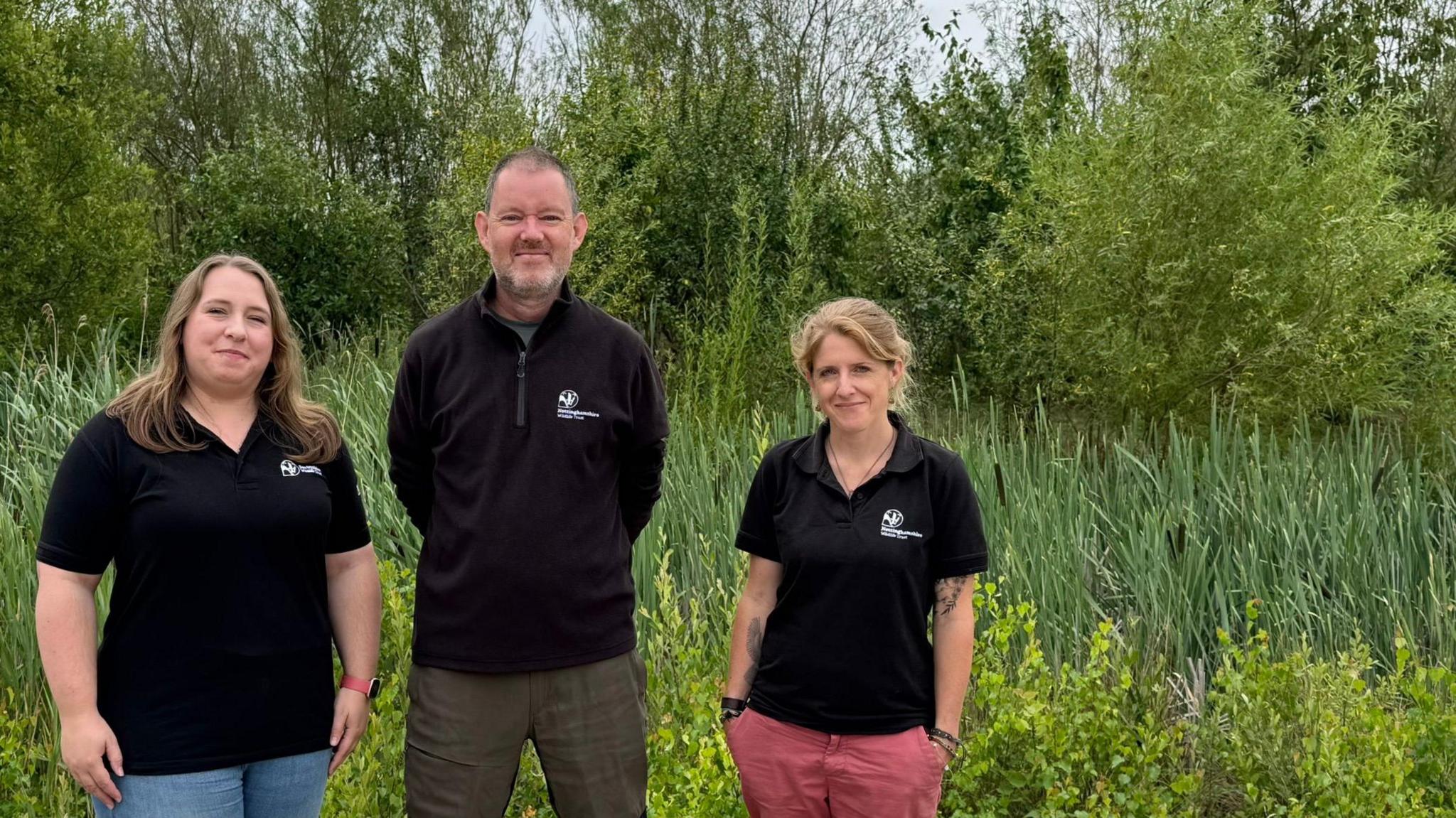
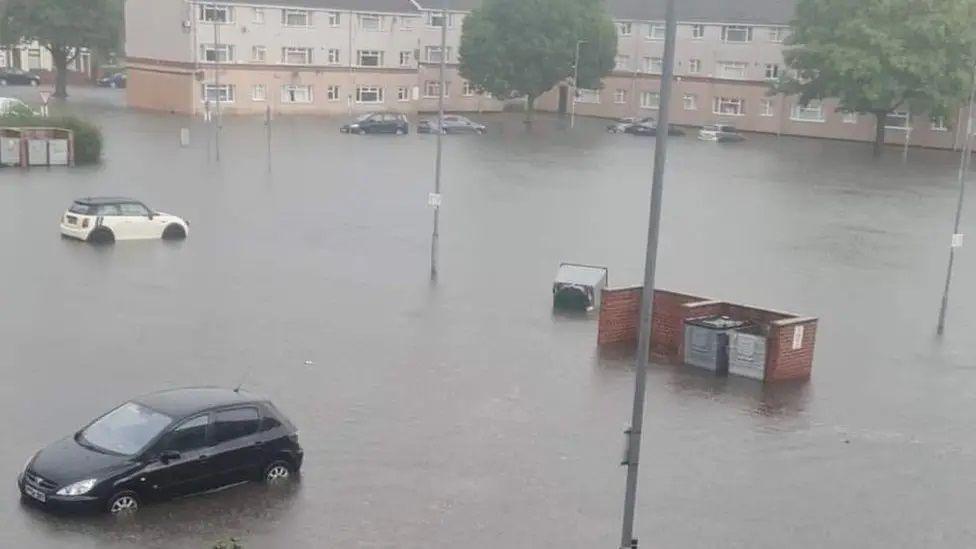
In a significant move towards sustainable flood management, a £1.1 million project is set to commence in Nottinghamshire and Derbyshire, focusing on natural flood defences to mitigate the impact of extreme weather events. The initiative, spearheaded by Nottinghamshire Wildlife Trust, involves the creation of wetlands, tree planting, and the construction of in-stream features to slow water flow around Worksop and Shirebrook.
Innovative Approach to Flood Management
The project is part of a broader £25 million government scheme aimed at boosting flood resilience across the UK. By collaborating with local landowners, the initiative seeks to create ponds and wetlands capable of storing excess water, thereby reducing the risk of flooding. Erin McDaid of Nottinghamshire Wildlife Trust emphasized the importance of working with nature, stating, "We've tried to tame nature, but with climate change, it's becoming increasingly difficult."
Enhancing Biodiversity and Community Protection
Beyond flood management, the project aims to enhance local biodiversity by creating habitats for species such as water voles, native fish, and amphibians. Jennifer Kril, a living rivers officer at the trust, highlighted the dual benefits of the project: "By creating space for water and wildlife, we're not only helping protect communities but also building a wilder, more resilient landscape for the future."
A Broader Network of Natural Solutions
In Calder Valley, the Brearley Fields project serves as another example of natural flood management. Once a playing field, the area has been transformed into a wetland designed to absorb floodwaters. This initiative is part of a network of projects across the region, each contributing to a collective effort to manage flood risks sustainably.
Community and Environmental Collaboration
The success of these projects hinges on collaboration between wildlife trusts, local councils, and educational institutions like Nottingham Trent University. Project manager Ian Higginson expressed optimism about the initiative's progress, noting the positive response from landowners and the potential to store significant volumes of floodwater.
WHAT THIS MIGHT MEAN
As these natural flood management projects progress, they could serve as a model for other regions facing similar challenges. By prioritizing sustainable water management and wildlife conservation, these initiatives may help communities adapt to the increasing frequency of extreme weather events linked to climate change. Experts suggest that such projects could lead to a broader adoption of nature-based solutions, potentially influencing future environmental policies and funding allocations. The success of these efforts will likely depend on continued collaboration between government agencies, local communities, and environmental organizations.
Images from the Web
Related Articles

Breakthrough Drug Offers Hope for Children with Severe Epilepsy

Trump Raises Import Tariffs to 15% After Supreme Court Setback

Arrest of Andrew Mountbatten-Windsor Captured in Iconic Photograph

UK Denies US Use of Military Bases for Potential Iran Strikes Amid Chagos Islands Dispute

Andrew Mountbatten-Windsor Arrested Amid Misconduct Allegations

Andrew Mountbatten-Windsor's Arrest Sparks International Calls for Justice
Natural Flood Management Projects Aim to Enhance Resilience and Biodiversity
In This Article
 Leila Hassan| Published
 HIGHLIGHTS
- A £1.1 million natural flood defence project is set to begin in Nottinghamshire and Derbyshire, aiming to reduce flooding and enhance wildlife habitats.
- The initiative, part of a £25 million nationwide scheme, involves creating wetlands, planting trees, and constructing beaver-like dams to manage water flow.
- The project, funded by the Environment Agency, is a collaboration between local wildlife trusts, Nottinghamshire County Council, and Nottingham Trent University.
- The Brearley Fields wetland project in Calder Valley exemplifies sustainable flood management, transforming old playing fields into a flood-absorbing landscape.
- These projects highlight a shift towards natural flood management as a response to climate change and increasing extreme weather events.
In a significant move towards sustainable flood management, a £1.1 million project is set to commence in Nottinghamshire and Derbyshire, focusing on natural flood defences to mitigate the impact of extreme weather events. The initiative, spearheaded by Nottinghamshire Wildlife Trust, involves the creation of wetlands, tree planting, and the construction of in-stream features to slow water flow around Worksop and Shirebrook.
Innovative Approach to Flood Management
The project is part of a broader £25 million government scheme aimed at boosting flood resilience across the UK. By collaborating with local landowners, the initiative seeks to create ponds and wetlands capable of storing excess water, thereby reducing the risk of flooding. Erin McDaid of Nottinghamshire Wildlife Trust emphasized the importance of working with nature, stating, "We've tried to tame nature, but with climate change, it's becoming increasingly difficult."
Enhancing Biodiversity and Community Protection
Beyond flood management, the project aims to enhance local biodiversity by creating habitats for species such as water voles, native fish, and amphibians. Jennifer Kril, a living rivers officer at the trust, highlighted the dual benefits of the project: "By creating space for water and wildlife, we're not only helping protect communities but also building a wilder, more resilient landscape for the future."
A Broader Network of Natural Solutions
In Calder Valley, the Brearley Fields project serves as another example of natural flood management. Once a playing field, the area has been transformed into a wetland designed to absorb floodwaters. This initiative is part of a network of projects across the region, each contributing to a collective effort to manage flood risks sustainably.
Community and Environmental Collaboration
The success of these projects hinges on collaboration between wildlife trusts, local councils, and educational institutions like Nottingham Trent University. Project manager Ian Higginson expressed optimism about the initiative's progress, noting the positive response from landowners and the potential to store significant volumes of floodwater.
WHAT THIS MIGHT MEAN
As these natural flood management projects progress, they could serve as a model for other regions facing similar challenges. By prioritizing sustainable water management and wildlife conservation, these initiatives may help communities adapt to the increasing frequency of extreme weather events linked to climate change. Experts suggest that such projects could lead to a broader adoption of nature-based solutions, potentially influencing future environmental policies and funding allocations. The success of these efforts will likely depend on continued collaboration between government agencies, local communities, and environmental organizations.
Images from the Web
Related Articles
Breakthrough Drug Offers Hope for Children with Severe Epilepsy
Trump Raises Import Tariffs to 15% After Supreme Court Setback
Arrest of Andrew Mountbatten-Windsor Captured in Iconic Photograph
UK Denies US Use of Military Bases for Potential Iran Strikes Amid Chagos Islands Dispute
Andrew Mountbatten-Windsor Arrested Amid Misconduct Allegations
Andrew Mountbatten-Windsor's Arrest Sparks International Calls for Justice