
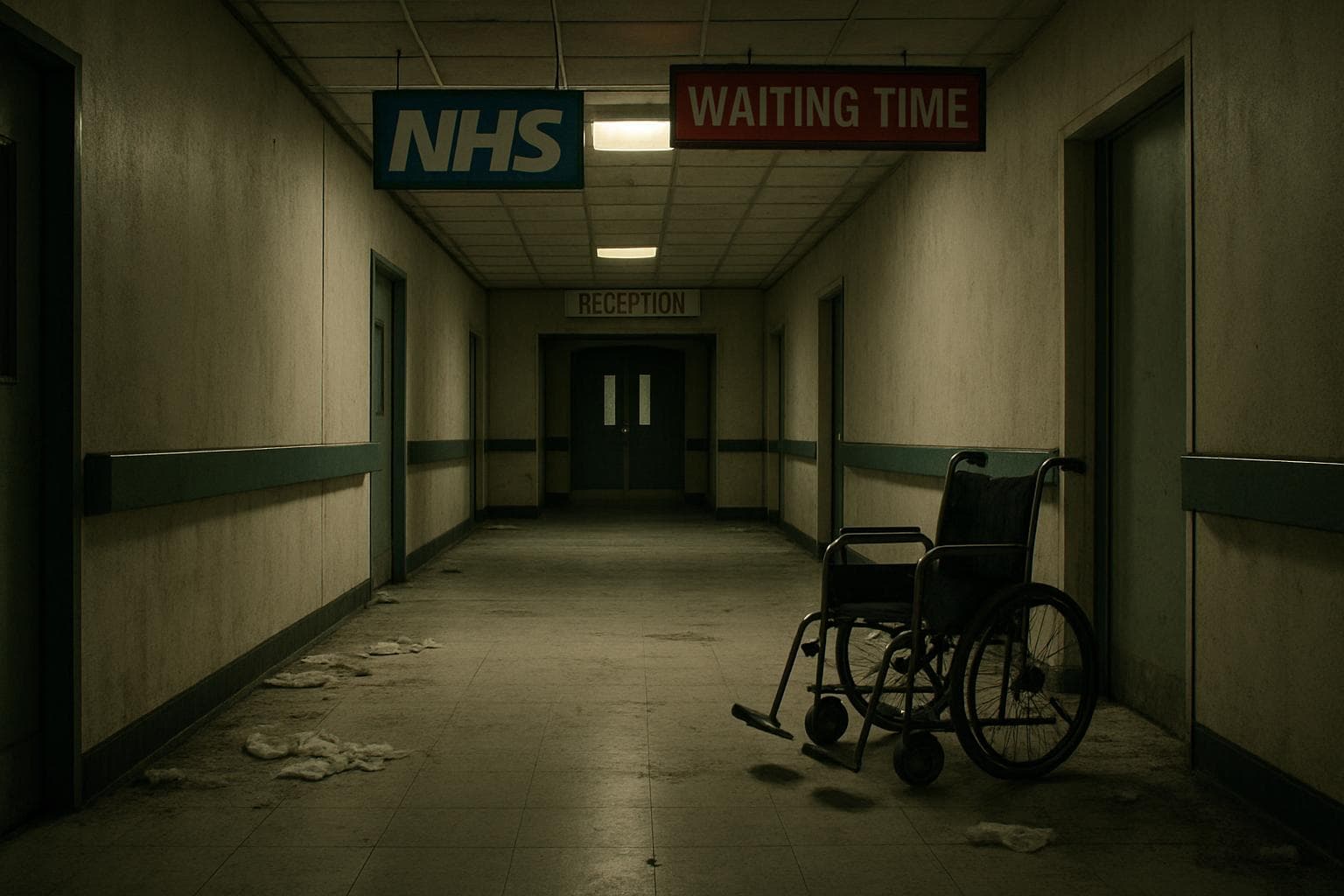
NHS Struggles with Waiting Times Amid Budget Reallocations and Unmet Targets
In This Article
HIGHLIGHTS
- Northern Ireland's Health Minister confirmed £73.5m of £215m for waiting lists was diverted to address a £600m deficit.
- The NHS in England has not met its recovery plan targets, with waiting times still exceeding 18 weeks for many patients.
- The Public Accounts Committee criticized the NHS's progress, noting a stalled improvement in reducing waiting times.
- Despite investments, NHS England's elective care waiting list remains at 7.4 million, with significant delays in diagnostics.
- Health officials face pressure as public dissatisfaction grows over unmet healthcare promises and budget reallocations.
The healthcare systems in both Northern Ireland and England are grappling with significant challenges in reducing hospital waiting times, despite substantial financial investments. In Northern Ireland, Health Minister Mike Nesbitt confirmed that £73.5 million of the £215 million allocated to tackle hospital waiting lists has been redirected to address a looming £600 million budget deficit. This decision has sparked criticism, particularly from the Democratic Unionist Party's health spokesperson, Diane Dodds, who expressed disbelief over the reallocation of funds intended for urgent healthcare needs.
Nesbitt explained that the funds were initially divided into three categories: £85 million for urgent cases, £80 million for capacity building, and £50 million for waiting list reduction. However, the Department of Finance indicated that the £80 million was not ring-fenced, allowing for its reallocation. Despite some improvements in waiting lists, Nesbitt acknowledged ongoing concerns about balancing the budget by March 2026.
Meanwhile, in England, the NHS has faced scrutiny from the Public Accounts Committee (PAC) for failing to meet its recovery plan targets. The PAC's report highlights that waiting times for non-urgent care often exceed 18 weeks, with some patients waiting over a year. The committee criticized the unplanned reorganization of the NHS, which it likened to the HS2 rail project debacle, warning that it could harm patient care.
Despite the NHS's efforts, including a £3.24 billion investment in community diagnostic centers and surgical hubs, the elective care waiting list remains at 7.4 million. Health Secretary Wes Streeting has maintained an optimistic outlook, citing improvements in ambulance response times and cancer diagnosis rates. However, the PAC's findings have raised concerns among political leaders and healthcare advocates, who argue that the NHS is not delivering the timely care patients need.
WHAT THIS MIGHT MEAN
The reallocation of healthcare funds in Northern Ireland and the unmet targets in England's NHS recovery plan could have significant implications for both regions. In Northern Ireland, the decision to divert funds may lead to prolonged waiting times, potentially affecting patient outcomes and public trust in the healthcare system. As the March 2026 budget deadline approaches, further financial adjustments may be necessary to address the deficit.
In England, the PAC's critical report could influence political discourse, particularly as healthcare remains a top priority for voters. The Labour government may face increased pressure to demonstrate tangible improvements in NHS performance ahead of the next general election. Additionally, the ongoing challenges in meeting healthcare targets could prompt a reevaluation of current strategies and investments to ensure the NHS can deliver on its promises to patients.
Related Articles
UK Achieves Record Budget Surplus Amid Calls for Fiscal Policy Reform

Saharan Dust to Illuminate UK Skies with Vivid Sunrises and Sunsets
UK Government to Reform Asylum Seeker Support and Employment Policies
Persistent Safety Concerns in Nottingham Maternity Services Amidst Calls for Systemic Reform

Government Announces £4 Billion Overhaul of SEND Support in England

UK Government Announces Major Overhaul of SEND System with £3.4 Billion Investment
NHS Struggles with Waiting Times Amid Budget Reallocations and Unmet Targets
In This Article
 Daniel Rivera| Published
 HIGHLIGHTS
- Northern Ireland's Health Minister confirmed £73.5m of £215m for waiting lists was diverted to address a £600m deficit.
- The NHS in England has not met its recovery plan targets, with waiting times still exceeding 18 weeks for many patients.
- The Public Accounts Committee criticized the NHS's progress, noting a stalled improvement in reducing waiting times.
- Despite investments, NHS England's elective care waiting list remains at 7.4 million, with significant delays in diagnostics.
- Health officials face pressure as public dissatisfaction grows over unmet healthcare promises and budget reallocations.
The healthcare systems in both Northern Ireland and England are grappling with significant challenges in reducing hospital waiting times, despite substantial financial investments. In Northern Ireland, Health Minister Mike Nesbitt confirmed that £73.5 million of the £215 million allocated to tackle hospital waiting lists has been redirected to address a looming £600 million budget deficit. This decision has sparked criticism, particularly from the Democratic Unionist Party's health spokesperson, Diane Dodds, who expressed disbelief over the reallocation of funds intended for urgent healthcare needs.
Nesbitt explained that the funds were initially divided into three categories: £85 million for urgent cases, £80 million for capacity building, and £50 million for waiting list reduction. However, the Department of Finance indicated that the £80 million was not ring-fenced, allowing for its reallocation. Despite some improvements in waiting lists, Nesbitt acknowledged ongoing concerns about balancing the budget by March 2026.
Meanwhile, in England, the NHS has faced scrutiny from the Public Accounts Committee (PAC) for failing to meet its recovery plan targets. The PAC's report highlights that waiting times for non-urgent care often exceed 18 weeks, with some patients waiting over a year. The committee criticized the unplanned reorganization of the NHS, which it likened to the HS2 rail project debacle, warning that it could harm patient care.
Despite the NHS's efforts, including a £3.24 billion investment in community diagnostic centers and surgical hubs, the elective care waiting list remains at 7.4 million. Health Secretary Wes Streeting has maintained an optimistic outlook, citing improvements in ambulance response times and cancer diagnosis rates. However, the PAC's findings have raised concerns among political leaders and healthcare advocates, who argue that the NHS is not delivering the timely care patients need.
WHAT THIS MIGHT MEAN
The reallocation of healthcare funds in Northern Ireland and the unmet targets in England's NHS recovery plan could have significant implications for both regions. In Northern Ireland, the decision to divert funds may lead to prolonged waiting times, potentially affecting patient outcomes and public trust in the healthcare system. As the March 2026 budget deadline approaches, further financial adjustments may be necessary to address the deficit.
In England, the PAC's critical report could influence political discourse, particularly as healthcare remains a top priority for voters. The Labour government may face increased pressure to demonstrate tangible improvements in NHS performance ahead of the next general election. Additionally, the ongoing challenges in meeting healthcare targets could prompt a reevaluation of current strategies and investments to ensure the NHS can deliver on its promises to patients.
Related Articles
UK Achieves Record Budget Surplus Amid Calls for Fiscal Policy Reform
Saharan Dust to Illuminate UK Skies with Vivid Sunrises and Sunsets
UK Government to Reform Asylum Seeker Support and Employment Policies
Persistent Safety Concerns in Nottingham Maternity Services Amidst Calls for Systemic Reform
Government Announces £4 Billion Overhaul of SEND Support in England
UK Government Announces Major Overhaul of SEND System with £3.4 Billion Investment