
NHS Faces Unprecedented Flu Crisis as Hospital Admissions Soar
In This Article
HIGHLIGHTS
- The NHS is facing a "worst-case scenario" with a 55% increase in flu hospitalizations, reaching record levels for this time of year.
- The flu surge, driven by the H3N2 strain, has led to critical incidents in hospitals, with staff struggling to manage the influx of patients.
- Vaccination campaigns are underway, but some regions report low vaccine availability and uptake, complicating flu prevention efforts.
- Care homes and schools are implementing measures to curb the spread, with some schools temporarily closing due to high infection rates.
- Health officials urge the public to get vaccinated and take precautions, as the flu season is expected to peak in the coming weeks.
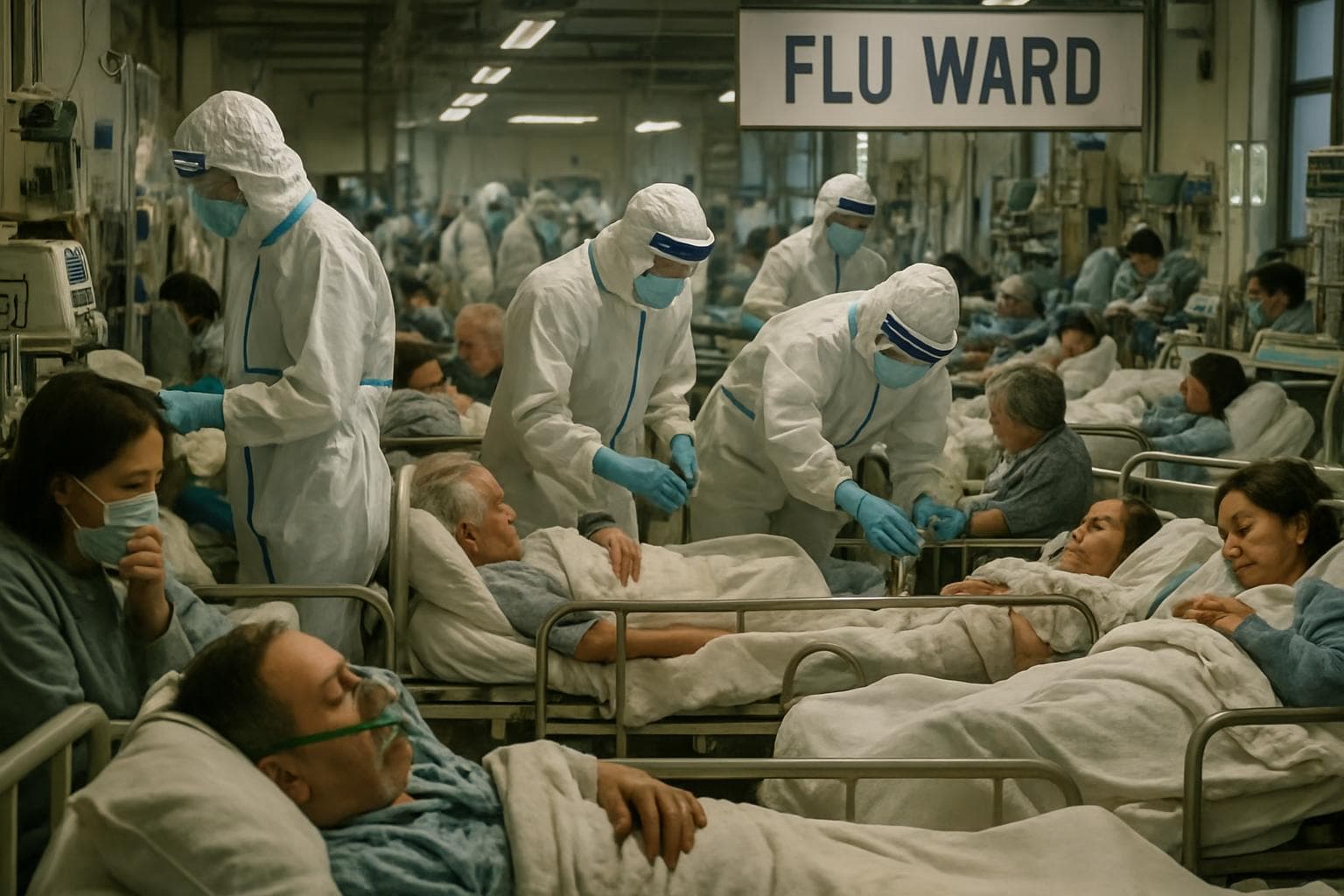
The National Health Service (NHS) is grappling with an unprecedented surge in flu cases, described as a "worst-case scenario" by health officials. The number of patients hospitalized with flu has increased by 55% in just one week, reaching record levels for this time of year. This surge is largely attributed to the H3N2 strain, commonly referred to as "super flu," which has overwhelmed hospitals across England.
Rising Hospital Admissions and Critical Incidents
Hospitals in regions such as the West Midlands and London have declared critical incidents due to the overwhelming number of flu patients. University Hospitals Birmingham NHS Foundation Trust reported that emergency departments were overcrowded, with 241 flu inpatients and 13 in critical care. Similar pressures are felt nationwide, with NHS England's medical director, Prof Meghana Pandit, warning of the severe strain on healthcare services.
Vaccination Efforts and Challenges
In response to the crisis, health officials are intensifying vaccination campaigns. Despite efforts, some areas face challenges with vaccine availability and uptake. Pharmacies report dwindling stocks, and vaccination appointments are scarce in regions like the south of England. Dr. Chris Streather, NHS London's medical director, emphasized the importance of vaccination, stating, "Vaccination is the best protection against getting potentially very ill."
Preventive Measures in Care Homes and Schools
Care homes in Northern Ireland have advised against visits to protect vulnerable residents, while schools across the UK are implementing Covid-like measures to curb the spread. Budehaven Community School in Cornwall temporarily closed due to high infection rates among students and staff. Health officials stress the importance of these measures, particularly as children and the elderly are most susceptible to severe flu symptoms.
Public Health Advisory
The UK Health Security Agency (UKHSA) continues to urge eligible individuals to get vaccinated, as the flu season is expected to peak in the coming weeks. Dr. Francesca Cavallaro from the Health Foundation highlighted the NHS's precarious position, noting, "These pressures expose the NHS’s fragile balancing act." The public is advised to take precautions, including wearing masks and practicing good hygiene, to mitigate the spread of the virus.
WHAT THIS MIGHT MEAN
As the flu season progresses, the NHS may face further strain, particularly with the impending strike by resident doctors. The healthcare system's ability to manage the crisis will depend on effective vaccination campaigns and public compliance with preventive measures. Experts warn that without additional funding and resources, the NHS could struggle to maintain essential services, potentially leading to compromised patient care. The situation underscores the need for robust public health strategies to address seasonal flu outbreaks and safeguard the healthcare system's resilience.
Images from the Web


Related Articles

UK Government to Reform Asylum Seeker Support and Employment Policies

UK Faces Dilemmas Amid Iran Conflict and China Spying Allegations

UK Reinforces Military Presence in Cyprus Amid Middle East Tensions

Labour MP's Husband Arrested in UK-China Espionage Probe

UK-Iran Tensions: Starmer Defends Cautious Approach Amid Trump Criticism

Saharan Dust to Illuminate UK Skies with Vivid Sunrises and Sunsets
NHS Faces Unprecedented Flu Crisis as Hospital Admissions Soar
In This Article
 Ethan Brooks| Published
 HIGHLIGHTS
- The NHS is facing a "worst-case scenario" with a 55% increase in flu hospitalizations, reaching record levels for this time of year.
- The flu surge, driven by the H3N2 strain, has led to critical incidents in hospitals, with staff struggling to manage the influx of patients.
- Vaccination campaigns are underway, but some regions report low vaccine availability and uptake, complicating flu prevention efforts.
- Care homes and schools are implementing measures to curb the spread, with some schools temporarily closing due to high infection rates.
- Health officials urge the public to get vaccinated and take precautions, as the flu season is expected to peak in the coming weeks.
The National Health Service (NHS) is grappling with an unprecedented surge in flu cases, described as a "worst-case scenario" by health officials. The number of patients hospitalized with flu has increased by 55% in just one week, reaching record levels for this time of year. This surge is largely attributed to the H3N2 strain, commonly referred to as "super flu," which has overwhelmed hospitals across England.
Rising Hospital Admissions and Critical Incidents
Hospitals in regions such as the West Midlands and London have declared critical incidents due to the overwhelming number of flu patients. University Hospitals Birmingham NHS Foundation Trust reported that emergency departments were overcrowded, with 241 flu inpatients and 13 in critical care. Similar pressures are felt nationwide, with NHS England's medical director, Prof Meghana Pandit, warning of the severe strain on healthcare services.
Vaccination Efforts and Challenges
In response to the crisis, health officials are intensifying vaccination campaigns. Despite efforts, some areas face challenges with vaccine availability and uptake. Pharmacies report dwindling stocks, and vaccination appointments are scarce in regions like the south of England. Dr. Chris Streather, NHS London's medical director, emphasized the importance of vaccination, stating, "Vaccination is the best protection against getting potentially very ill."
Preventive Measures in Care Homes and Schools
Care homes in Northern Ireland have advised against visits to protect vulnerable residents, while schools across the UK are implementing Covid-like measures to curb the spread. Budehaven Community School in Cornwall temporarily closed due to high infection rates among students and staff. Health officials stress the importance of these measures, particularly as children and the elderly are most susceptible to severe flu symptoms.
Public Health Advisory
The UK Health Security Agency (UKHSA) continues to urge eligible individuals to get vaccinated, as the flu season is expected to peak in the coming weeks. Dr. Francesca Cavallaro from the Health Foundation highlighted the NHS's precarious position, noting, "These pressures expose the NHS’s fragile balancing act." The public is advised to take precautions, including wearing masks and practicing good hygiene, to mitigate the spread of the virus.
WHAT THIS MIGHT MEAN
As the flu season progresses, the NHS may face further strain, particularly with the impending strike by resident doctors. The healthcare system's ability to manage the crisis will depend on effective vaccination campaigns and public compliance with preventive measures. Experts warn that without additional funding and resources, the NHS could struggle to maintain essential services, potentially leading to compromised patient care. The situation underscores the need for robust public health strategies to address seasonal flu outbreaks and safeguard the healthcare system's resilience.
Images from the Web
Related Articles
UK Government to Reform Asylum Seeker Support and Employment Policies
UK Faces Dilemmas Amid Iran Conflict and China Spying Allegations
UK Reinforces Military Presence in Cyprus Amid Middle East Tensions
Labour MP's Husband Arrested in UK-China Espionage Probe
UK-Iran Tensions: Starmer Defends Cautious Approach Amid Trump Criticism
Saharan Dust to Illuminate UK Skies with Vivid Sunrises and Sunsets