
NHS Hospitals Struggle with Overcrowding Amid Winter Crisis and Strikes

In This Article
HIGHLIGHTS
- Patients at Brighton's Royal Sussex County Hospital faced over 24-hour waits for beds, as reported by the Care Quality Commission (CQC).
- The CQC identified severe issues with patient flow, leading to delayed ambulance handovers and overcrowding in emergency departments.
- Royal Stoke University Hospital in Staffordshire is experiencing extreme pressure due to flu cases and doctor strikes, with all beds occupied.
- Maternity services at Royal Sussex County Hospital improved from "inadequate" to "requires improvement", though further enhancements are needed.
- NHS hospitals are grappling with a "permacrisis" of continuous challenges, exacerbated by seasonal flu and industrial action.
Hospitals across the UK are grappling with severe overcrowding and extended patient wait times, as highlighted by recent reports from the Care Quality Commission (CQC) and on-the-ground accounts from NHS staff. At Brighton's Royal Sussex County Hospital, patients have endured waits exceeding 24 hours for a bed in the emergency department, according to a CQC report. The watchdog has re-rated the hospital's emergency care as "requires improvement" due to ongoing issues with patient flow and delayed ambulance handovers.
Emergency Department Challenges
The CQC's findings reveal that some patients at Royal Sussex were being treated in corridors, compromising their privacy and dignity. Amanda Williams from the CQC noted that during a February inspection, 11 individuals had been waiting over 24 hours for admission. The report also criticized senior leaders for insufficient action during overcrowding and highlighted the need for timely responses to ensure patient safety. In response, Dr. Andy Heeps, CEO of University Hospitals Sussex NHS Foundation Trust, stated that significant steps are being taken to address these concerns, including the opening of a new acute medical unit.
Maternity Services See Improvement
While the emergency department faces challenges, maternity services at Royal Sussex have shown progress, moving from an "inadequate" rating to "requires improvement." The CQC acknowledged improvements but emphasized the need for further enhancements to meet the needs of women and babies fully. Dr. Heeps expressed commitment to ongoing dialogue with families and staff to continue improving services.
Nationwide NHS Pressures
Meanwhile, Royal Stoke University Hospital in Staffordshire is under immense pressure, with all 1,178 beds occupied and additional patients being treated in corridors. The hospital's Operational Pressure Escalation Level has reached 4, the highest before declaring a critical incident. The situation is exacerbated by an early surge in flu cases and a five-day strike by resident doctors, leading to what some health leaders describe as a "flu-nami" and potential "Armageddon."
Staff Resilience Amid 'Permacrisis'
Despite these challenges, NHS staff remain resilient. Dan Hobby, matron for general surgery at Royal Stoke, remarked on the continuous nature of these pressures, likening it to a year-round winter crisis. The combination of flu, strikes, and systemic issues has created a "permacrisis" for healthcare workers, who continue to navigate these hurdles with determination.
WHAT THIS MIGHT MEAN
The ongoing pressures on NHS hospitals could lead to significant policy discussions about healthcare funding and resource allocation. If the current trends continue, there may be increased calls for government intervention to address systemic issues within the NHS. Experts suggest that without strategic changes, the healthcare system may face further strain, particularly as seasonal illnesses and industrial actions persist. Additionally, improvements in patient flow and emergency care protocols could become a focal point for hospital administrations seeking to mitigate future crises.
Related Articles
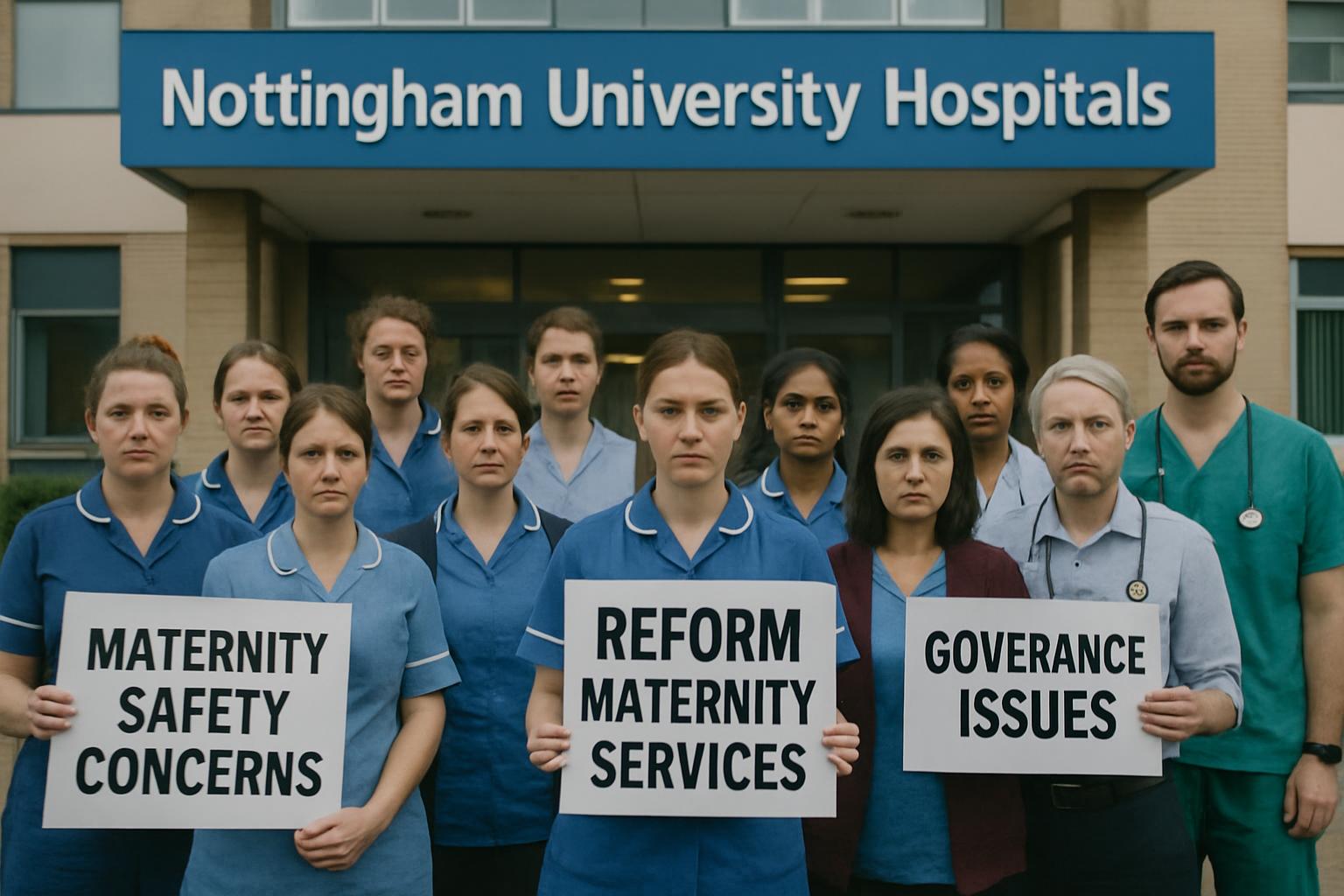
Persistent Safety Concerns in Nottingham Maternity Services Amidst Calls for Systemic Reform

Nottingham Attacks Inquiry: Families Demand Accountability and Truth

UK Government to Reform Asylum Seeker Support and Employment Policies

Birmingham's Proactive Approach to Measles Outbreak Offers Lessons for North London

Andrew Mountbatten-Windsor Arrested Amid Misconduct Allegations

Trump Criticizes UK Plan to Transfer Chagos Islands to Mauritius
NHS Hospitals Struggle with Overcrowding Amid Winter Crisis and Strikes
In This Article
 Ethan Brooks| Published
 HIGHLIGHTS
- Patients at Brighton's Royal Sussex County Hospital faced over 24-hour waits for beds, as reported by the Care Quality Commission (CQC).
- The CQC identified severe issues with patient flow, leading to delayed ambulance handovers and overcrowding in emergency departments.
- Royal Stoke University Hospital in Staffordshire is experiencing extreme pressure due to flu cases and doctor strikes, with all beds occupied.
- Maternity services at Royal Sussex County Hospital improved from "inadequate" to "requires improvement", though further enhancements are needed.
- NHS hospitals are grappling with a "permacrisis" of continuous challenges, exacerbated by seasonal flu and industrial action.
Hospitals across the UK are grappling with severe overcrowding and extended patient wait times, as highlighted by recent reports from the Care Quality Commission (CQC) and on-the-ground accounts from NHS staff. At Brighton's Royal Sussex County Hospital, patients have endured waits exceeding 24 hours for a bed in the emergency department, according to a CQC report. The watchdog has re-rated the hospital's emergency care as "requires improvement" due to ongoing issues with patient flow and delayed ambulance handovers.
Emergency Department Challenges
The CQC's findings reveal that some patients at Royal Sussex were being treated in corridors, compromising their privacy and dignity. Amanda Williams from the CQC noted that during a February inspection, 11 individuals had been waiting over 24 hours for admission. The report also criticized senior leaders for insufficient action during overcrowding and highlighted the need for timely responses to ensure patient safety. In response, Dr. Andy Heeps, CEO of University Hospitals Sussex NHS Foundation Trust, stated that significant steps are being taken to address these concerns, including the opening of a new acute medical unit.
Maternity Services See Improvement
While the emergency department faces challenges, maternity services at Royal Sussex have shown progress, moving from an "inadequate" rating to "requires improvement." The CQC acknowledged improvements but emphasized the need for further enhancements to meet the needs of women and babies fully. Dr. Heeps expressed commitment to ongoing dialogue with families and staff to continue improving services.
Nationwide NHS Pressures
Meanwhile, Royal Stoke University Hospital in Staffordshire is under immense pressure, with all 1,178 beds occupied and additional patients being treated in corridors. The hospital's Operational Pressure Escalation Level has reached 4, the highest before declaring a critical incident. The situation is exacerbated by an early surge in flu cases and a five-day strike by resident doctors, leading to what some health leaders describe as a "flu-nami" and potential "Armageddon."
Staff Resilience Amid 'Permacrisis'
Despite these challenges, NHS staff remain resilient. Dan Hobby, matron for general surgery at Royal Stoke, remarked on the continuous nature of these pressures, likening it to a year-round winter crisis. The combination of flu, strikes, and systemic issues has created a "permacrisis" for healthcare workers, who continue to navigate these hurdles with determination.
WHAT THIS MIGHT MEAN
The ongoing pressures on NHS hospitals could lead to significant policy discussions about healthcare funding and resource allocation. If the current trends continue, there may be increased calls for government intervention to address systemic issues within the NHS. Experts suggest that without strategic changes, the healthcare system may face further strain, particularly as seasonal illnesses and industrial actions persist. Additionally, improvements in patient flow and emergency care protocols could become a focal point for hospital administrations seeking to mitigate future crises.
Related Articles
Persistent Safety Concerns in Nottingham Maternity Services Amidst Calls for Systemic Reform
Nottingham Attacks Inquiry: Families Demand Accountability and Truth
UK Government to Reform Asylum Seeker Support and Employment Policies
Birmingham's Proactive Approach to Measles Outbreak Offers Lessons for North London
Andrew Mountbatten-Windsor Arrested Amid Misconduct Allegations
Trump Criticizes UK Plan to Transfer Chagos Islands to Mauritius