
NHS Strikes Loom as Dispute Over Pay and Staffing Intensifies
In This Article
HIGHLIGHTS
- NHS England and the British Medical Association (BMA) are in conflict over staffing levels during a planned five-day strike by resident doctors.
- NHS England has instructed hospitals to cancel non-urgent care only in exceptional cases, raising concerns about patient safety.
- The BMA is demanding a 29% pay rise over several years to restore real-term pay to 2008 levels, following a 22% increase over the past two years.
- Public support for the strikes has decreased significantly, with approval ratings dropping from 52% to 26% in the past year.
- Health Secretary Wes Streeting is engaged in talks with the BMA to avert the strike, but no additional pay increase is expected this year.
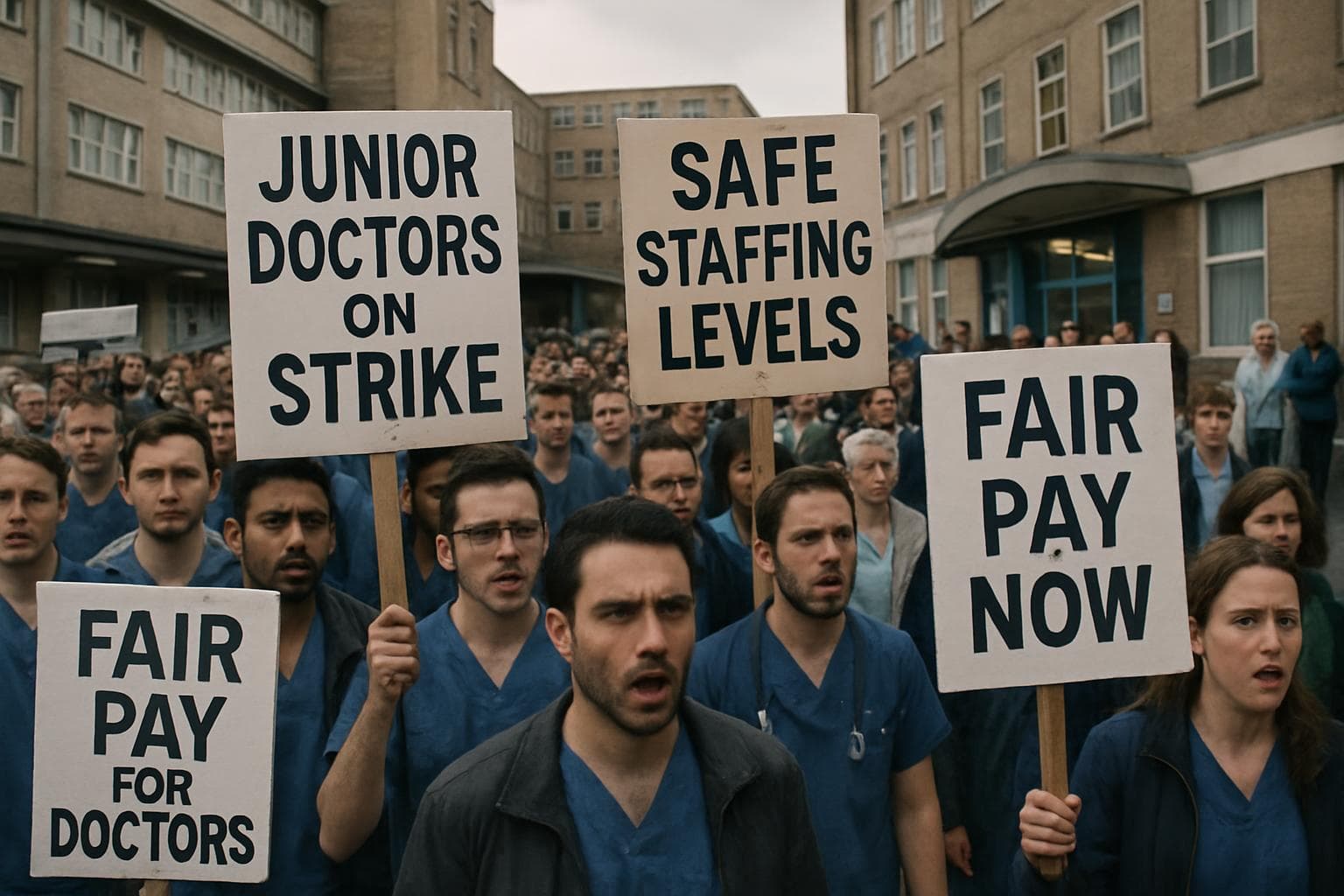
A looming five-day strike by resident doctors in England has sparked a heated dispute between NHS England and the British Medical Association (BMA) over staffing levels and patient safety. The strike, set to begin at 07:00 BST on Friday, involves approximately 48,000 resident doctors, who make up about two-thirds of the workforce. NHS England has directed hospitals to cancel non-urgent care only in exceptional circumstances, a move that the BMA warns could endanger patients by stretching non-striking doctors too thinly.
Staffing Concerns Amid Planned Walkout
The BMA has expressed grave concerns over NHS England's approach, arguing that maintaining non-urgent planned care during the strike will compromise safe staffing levels. In a formal letter to NHS England's chief executive, Sir Jim Mackey, BMA leaders Dr. Tom Dolphin and Dr. Emma Runswick emphasized the need for hospital care to adapt to available staffing levels during industrial action. NHS England, under Mackey's leadership since spring, aims to minimize disruption, acknowledging that cancelling non-urgent work also poses risks to patients.
Pay Dispute and Public Sentiment
The strike action is rooted in a pay dispute, with the BMA demanding a 29% pay rise over several years to restore real-term wages to 2008 levels. This follows a 22% salary increase over the past two years. Despite these demands, public support for the strikes has waned, with approval ratings plummeting from 52% to 26% over the past year. Health Secretary Wes Streeting has engaged in discussions with the BMA, hoping to avert the strike, but has made it clear that no additional pay increase will be offered this year.
Voices from the Frontline
Resident doctors have voiced their frustrations, highlighting the financial pressures they face. Fareed Al Qusous, an academic foundation doctor, described the strike as a last resort, emphasizing the disparity between doctors' pay and that of their assistants. Another resident doctor, Hassan, pointed out the challenges faced by those from working-class backgrounds, who cannot rely on family support for financial stability.
WHAT THIS MIGHT MEAN
As the strike date approaches, the potential impact on healthcare services looms large. If the strike proceeds, it could lead to significant disruptions in patient care, particularly in non-urgent services. The ongoing negotiations between the BMA and the government may yet yield a resolution, but the lack of additional pay offers could hinder progress. Experts suggest that if the strike goes ahead, it may prompt a broader discussion on healthcare funding and workforce sustainability in the UK. The outcome of these talks could set a precedent for future industrial actions within the NHS.
Related Articles

NHS Faces Joint Surgery Delays Amid Bone Cement Shortage
Prince William Calls for Action on UK Male Suicide Rates
Cheshire Council Leaders Face Resignation Calls Over Controversial New Town Proposal

Government Announces £4 Billion Overhaul of SEND Support in England

UK Government's SEND Reforms: A Critical Turning Point for Special Education
Government U-turn Forces Local Elections in Lancashire and Essex Amid Reorganisation Plans
NHS Strikes Loom as Dispute Over Pay and Staffing Intensifies
In This Article
 Ethan Brooks| Published
 HIGHLIGHTS
- NHS England and the British Medical Association (BMA) are in conflict over staffing levels during a planned five-day strike by resident doctors.
- NHS England has instructed hospitals to cancel non-urgent care only in exceptional cases, raising concerns about patient safety.
- The BMA is demanding a 29% pay rise over several years to restore real-term pay to 2008 levels, following a 22% increase over the past two years.
- Public support for the strikes has decreased significantly, with approval ratings dropping from 52% to 26% in the past year.
- Health Secretary Wes Streeting is engaged in talks with the BMA to avert the strike, but no additional pay increase is expected this year.
A looming five-day strike by resident doctors in England has sparked a heated dispute between NHS England and the British Medical Association (BMA) over staffing levels and patient safety. The strike, set to begin at 07:00 BST on Friday, involves approximately 48,000 resident doctors, who make up about two-thirds of the workforce. NHS England has directed hospitals to cancel non-urgent care only in exceptional circumstances, a move that the BMA warns could endanger patients by stretching non-striking doctors too thinly.
Staffing Concerns Amid Planned Walkout
The BMA has expressed grave concerns over NHS England's approach, arguing that maintaining non-urgent planned care during the strike will compromise safe staffing levels. In a formal letter to NHS England's chief executive, Sir Jim Mackey, BMA leaders Dr. Tom Dolphin and Dr. Emma Runswick emphasized the need for hospital care to adapt to available staffing levels during industrial action. NHS England, under Mackey's leadership since spring, aims to minimize disruption, acknowledging that cancelling non-urgent work also poses risks to patients.
Pay Dispute and Public Sentiment
The strike action is rooted in a pay dispute, with the BMA demanding a 29% pay rise over several years to restore real-term wages to 2008 levels. This follows a 22% salary increase over the past two years. Despite these demands, public support for the strikes has waned, with approval ratings plummeting from 52% to 26% over the past year. Health Secretary Wes Streeting has engaged in discussions with the BMA, hoping to avert the strike, but has made it clear that no additional pay increase will be offered this year.
Voices from the Frontline
Resident doctors have voiced their frustrations, highlighting the financial pressures they face. Fareed Al Qusous, an academic foundation doctor, described the strike as a last resort, emphasizing the disparity between doctors' pay and that of their assistants. Another resident doctor, Hassan, pointed out the challenges faced by those from working-class backgrounds, who cannot rely on family support for financial stability.
WHAT THIS MIGHT MEAN
As the strike date approaches, the potential impact on healthcare services looms large. If the strike proceeds, it could lead to significant disruptions in patient care, particularly in non-urgent services. The ongoing negotiations between the BMA and the government may yet yield a resolution, but the lack of additional pay offers could hinder progress. Experts suggest that if the strike goes ahead, it may prompt a broader discussion on healthcare funding and workforce sustainability in the UK. The outcome of these talks could set a precedent for future industrial actions within the NHS.
Related Articles
NHS Faces Joint Surgery Delays Amid Bone Cement Shortage
Prince William Calls for Action on UK Male Suicide Rates
Cheshire Council Leaders Face Resignation Calls Over Controversial New Town Proposal
Government Announces £4 Billion Overhaul of SEND Support in England
UK Government's SEND Reforms: A Critical Turning Point for Special Education
Government U-turn Forces Local Elections in Lancashire and Essex Amid Reorganisation Plans