
Resident Doctors' Strike Puts NHS Under Pressure Amid Pay Dispute
In This Article
HIGHLIGHTS
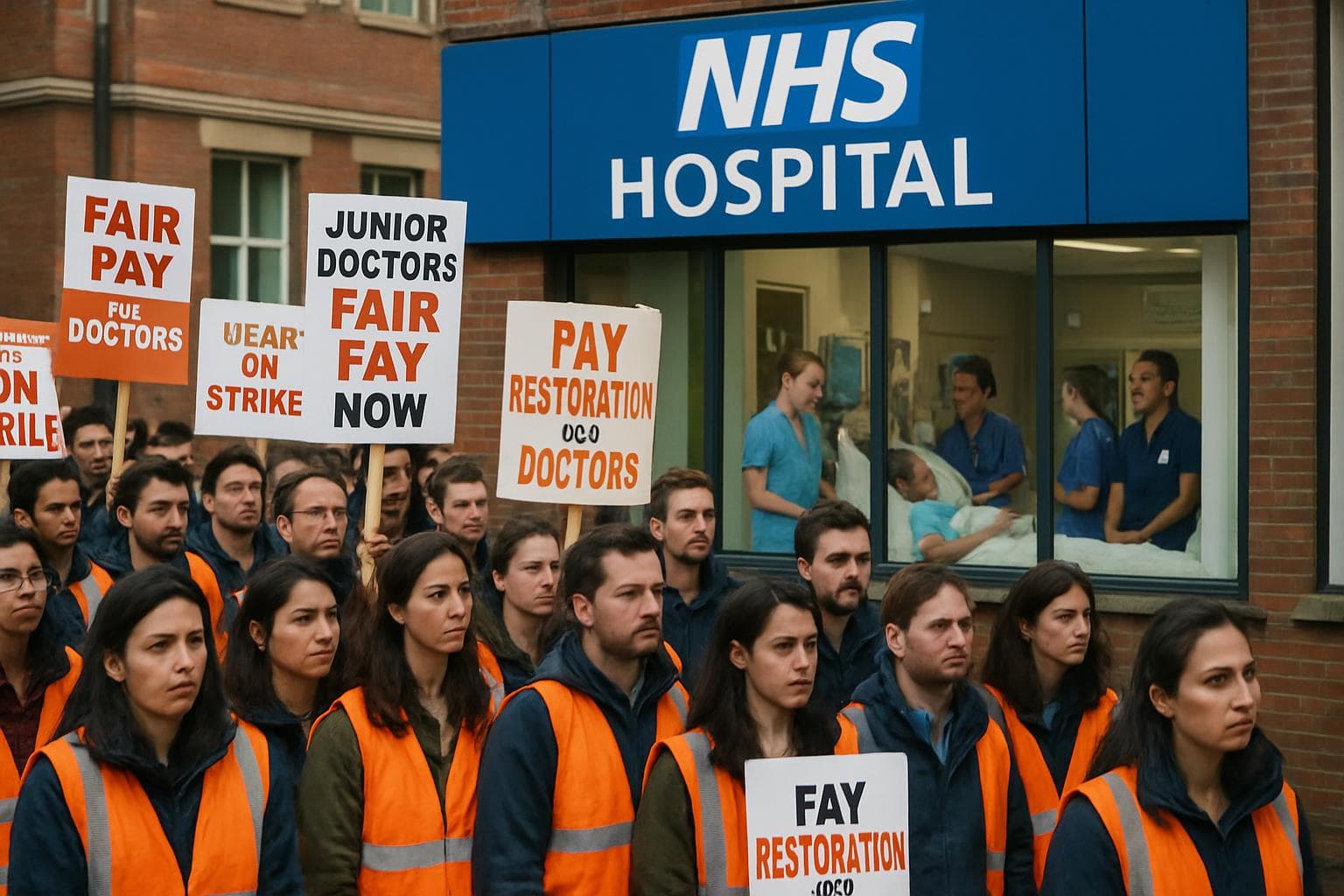
- Resident doctors in England have commenced a five-day strike over pay, marking the 13th walkout since March 2023.
- The NHS aims to maintain 95% of non-urgent services despite the strike, but the disruption is expected to cost £240 million.
- Health Secretary Wes Streeting has criticized the British Medical Association (BMA), calling their actions "morally reprehensible."
- The BMA demands a 26% pay increase, while the government claims doctors have received nearly a 30% rise over three years.
- Patients face delays in care, with over 54,000 procedures affected during previous strikes, exacerbating NHS waiting list challenges.
Thousands of resident doctors across England have embarked on a five-day strike, intensifying a long-standing pay dispute with the government. This industrial action, which began at 7:00 AM on Friday, is the 13th walkout since March 2023, and it poses significant challenges for the National Health Service (NHS) as it strives to maintain essential services.
Impact on Healthcare Services
The NHS is determined to keep 95% of non-urgent services operational during the strike, despite the absence of a substantial portion of its medical workforce. Resident doctors, who constitute about half of the medical staff, are crucial to both emergency and routine care. NHS England plans to mitigate the impact by redeploying senior doctors and offering overtime, but this strategy comes at a hefty price, with the strike estimated to cost £240 million.
Patient Care and Delays
The ongoing strikes have already led to significant disruptions in patient care. In previous walkouts, over 54,000 procedures and appointments were either canceled or rescheduled. Patients like Colette Houlihan, 68, have experienced multiple postponements of critical medical appointments. "Striking causes harm by delaying procedures and creating chaos," she expressed, highlighting the frustration felt by many awaiting treatment.
Government and Union Standoff
Health Secretary Wes Streeting has taken a firm stance against the British Medical Association (BMA), labeling their actions as "morally reprehensible" and accusing them of holding the public and government to ransom. The BMA, however, argues that a 26% pay increase is necessary to restore doctors' earnings in line with inflation, countering the government's claim of a nearly 30% rise over the past three years.
Future Implications
The strike occurs at a critical time for the NHS, with rising flu cases and efforts to reduce waiting lists. Matthew Taylor, CEO of the NHS Confederation, warned that the strikes could severely impact the NHS's ability to recover performance and implement long-term reforms. As the winter season approaches, the healthcare system faces the daunting task of managing increased demand while navigating ongoing industrial actions.
WHAT THIS MIGHT MEAN
The resident doctors' strike underscores a deepening rift between the government and healthcare professionals, with significant implications for the NHS. If the pay dispute remains unresolved, further strikes could exacerbate patient care delays and strain the already stretched NHS budget. Experts suggest that a compromise is essential to prevent long-term damage to the healthcare system. As negotiations continue, the government may face mounting pressure to address the BMA's demands or risk further disruptions in the coming months.
Related Articles

NHS Faces Joint Surgery Delays Amid Bone Cement Shortage
Prince William Calls for Action on UK Male Suicide Rates

Cheshire Council Leaders Face Resignation Calls Over Controversial New Town Proposal

Government Announces £4 Billion Overhaul of SEND Support in England

UK Government's SEND Reforms: A Critical Turning Point for Special Education
Government U-turn Forces Local Elections in Lancashire and Essex Amid Reorganisation Plans
Resident Doctors' Strike Puts NHS Under Pressure Amid Pay Dispute
In This Article
 Ethan Brooks| Published
 HIGHLIGHTS
- Resident doctors in England have commenced a five-day strike over pay, marking the 13th walkout since March 2023.
- The NHS aims to maintain 95% of non-urgent services despite the strike, but the disruption is expected to cost £240 million.
- Health Secretary Wes Streeting has criticized the British Medical Association (BMA), calling their actions "morally reprehensible."
- The BMA demands a 26% pay increase, while the government claims doctors have received nearly a 30% rise over three years.
- Patients face delays in care, with over 54,000 procedures affected during previous strikes, exacerbating NHS waiting list challenges.
Thousands of resident doctors across England have embarked on a five-day strike, intensifying a long-standing pay dispute with the government. This industrial action, which began at 7:00 AM on Friday, is the 13th walkout since March 2023, and it poses significant challenges for the National Health Service (NHS) as it strives to maintain essential services.
Impact on Healthcare Services
The NHS is determined to keep 95% of non-urgent services operational during the strike, despite the absence of a substantial portion of its medical workforce. Resident doctors, who constitute about half of the medical staff, are crucial to both emergency and routine care. NHS England plans to mitigate the impact by redeploying senior doctors and offering overtime, but this strategy comes at a hefty price, with the strike estimated to cost £240 million.
Patient Care and Delays
The ongoing strikes have already led to significant disruptions in patient care. In previous walkouts, over 54,000 procedures and appointments were either canceled or rescheduled. Patients like Colette Houlihan, 68, have experienced multiple postponements of critical medical appointments. "Striking causes harm by delaying procedures and creating chaos," she expressed, highlighting the frustration felt by many awaiting treatment.
Government and Union Standoff
Health Secretary Wes Streeting has taken a firm stance against the British Medical Association (BMA), labeling their actions as "morally reprehensible" and accusing them of holding the public and government to ransom. The BMA, however, argues that a 26% pay increase is necessary to restore doctors' earnings in line with inflation, countering the government's claim of a nearly 30% rise over the past three years.
Future Implications
The strike occurs at a critical time for the NHS, with rising flu cases and efforts to reduce waiting lists. Matthew Taylor, CEO of the NHS Confederation, warned that the strikes could severely impact the NHS's ability to recover performance and implement long-term reforms. As the winter season approaches, the healthcare system faces the daunting task of managing increased demand while navigating ongoing industrial actions.
WHAT THIS MIGHT MEAN
The resident doctors' strike underscores a deepening rift between the government and healthcare professionals, with significant implications for the NHS. If the pay dispute remains unresolved, further strikes could exacerbate patient care delays and strain the already stretched NHS budget. Experts suggest that a compromise is essential to prevent long-term damage to the healthcare system. As negotiations continue, the government may face mounting pressure to address the BMA's demands or risk further disruptions in the coming months.
Related Articles
NHS Faces Joint Surgery Delays Amid Bone Cement Shortage
Prince William Calls for Action on UK Male Suicide Rates
Cheshire Council Leaders Face Resignation Calls Over Controversial New Town Proposal
Government Announces £4 Billion Overhaul of SEND Support in England
UK Government's SEND Reforms: A Critical Turning Point for Special Education
Government U-turn Forces Local Elections in Lancashire and Essex Amid Reorganisation Plans